
Vintage Circular Side Table
A vintage circular side table brings compact symmetry to a room, offering a convenient surface for lamps and drinks.
Vintage Circular Side Table
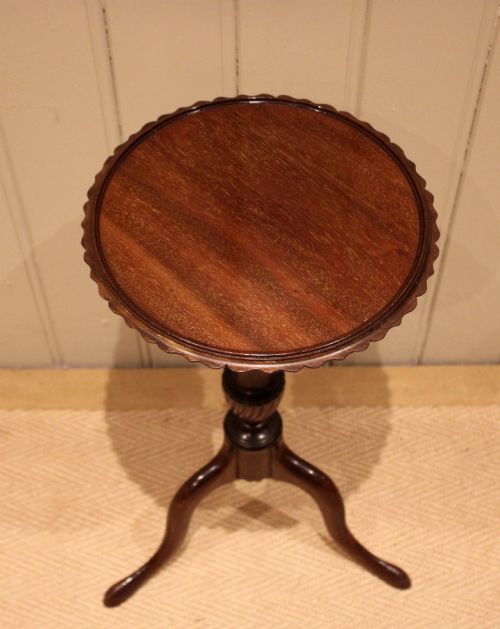
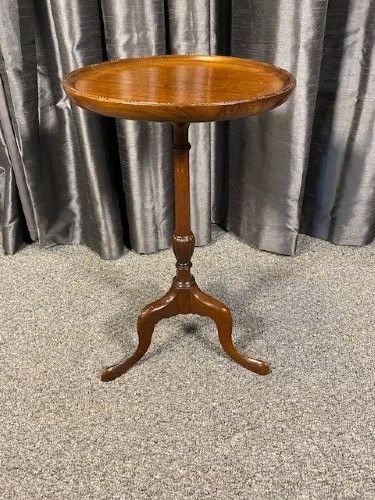
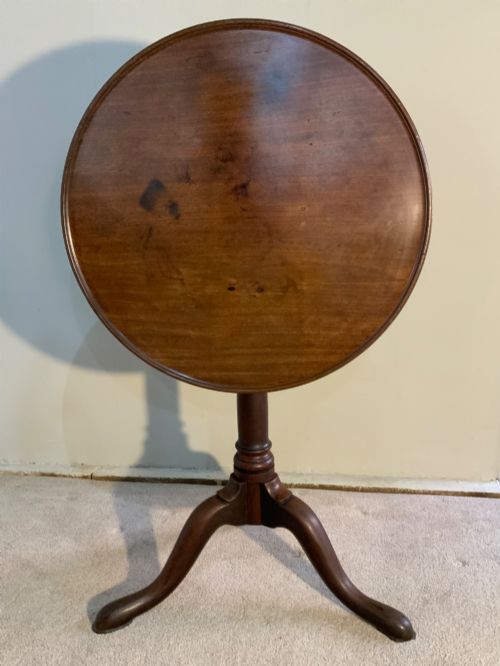
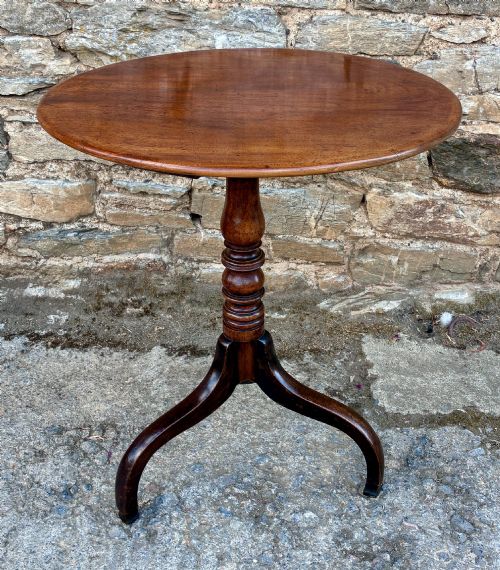
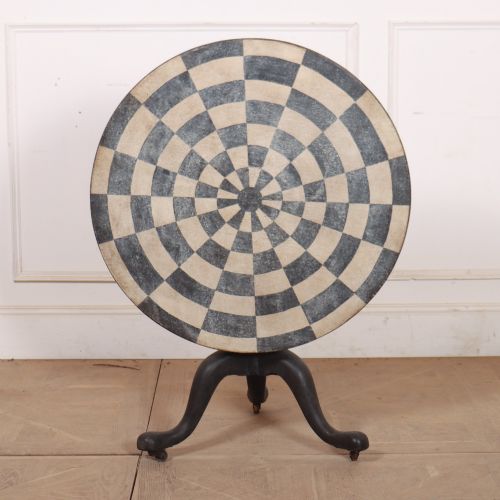
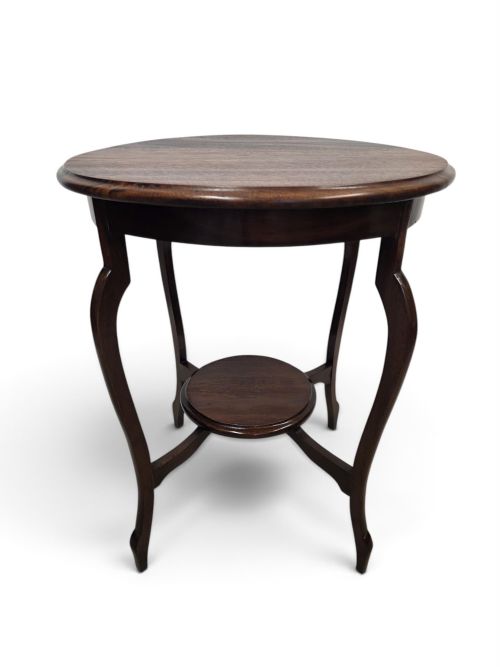
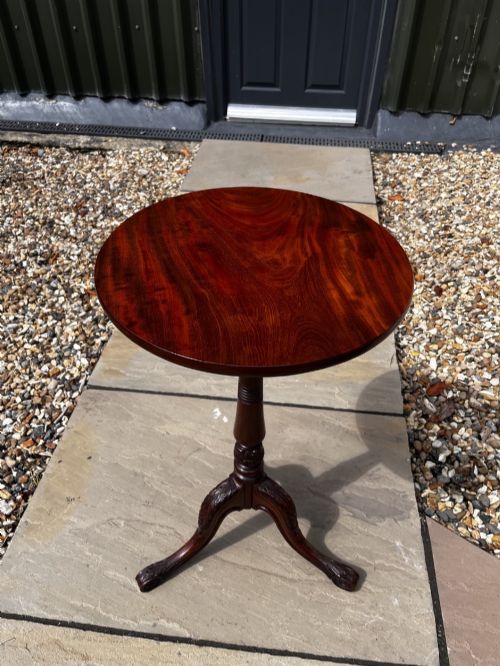
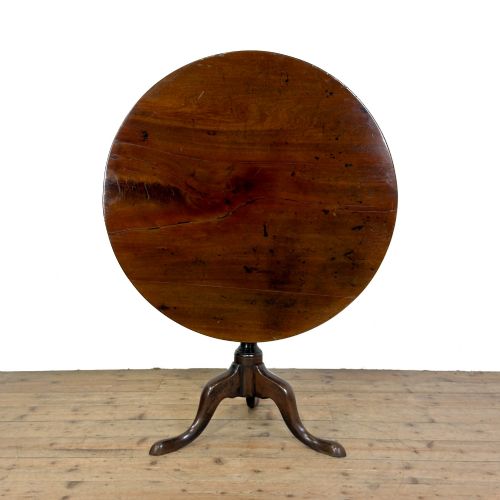
A vintage circular side table serves as a versatile piece of furniture designed for occasional use in sitting rooms and hallways. These tables span several distinct periods, including the Edwardian era, the 1930s, and the Georgian period, with many taking the form of wine tables, tripod tables, and occasional tables.
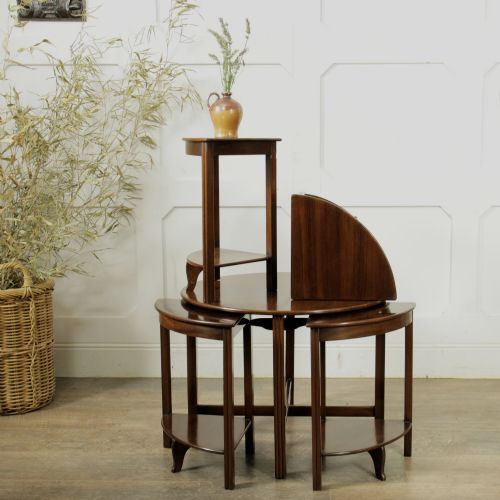
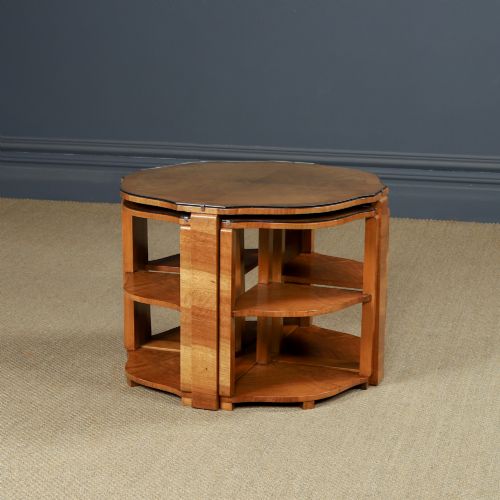
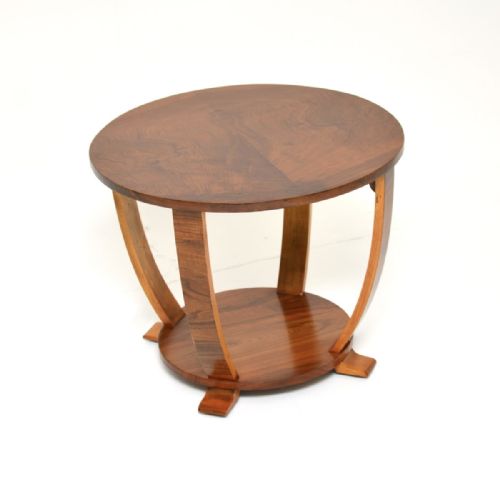
Buyers searching for a vintage circular side table frequently encounter designs executed in mahogany, walnut, and oak. Some examples incorporate clever configurations like nests of tables or two-tier structures, while others adopt specific aesthetic movements such as Art Deco or the Arts and Crafts style.
Materials and construction
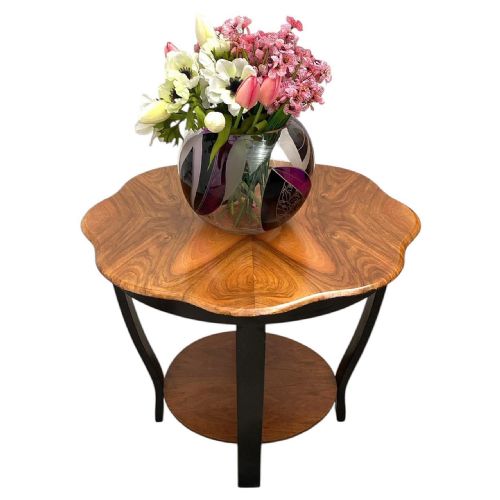
Cabinetmakers utilised timber veneers such as figured walnut, burr walnut, and birds-eye maple to create striking patterned surfaces on table tops. Solid hardwoods like mahogany and oak provided sturdy foundations for pedestal bases and tripod legs.
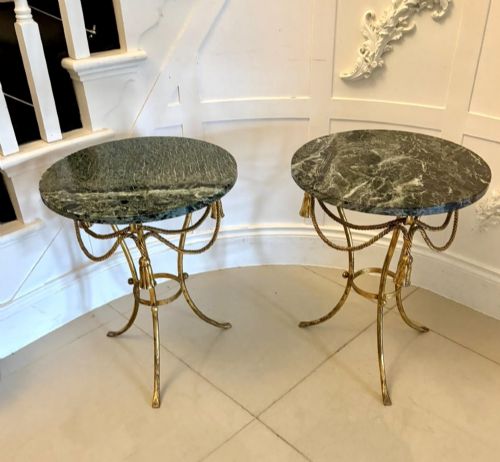
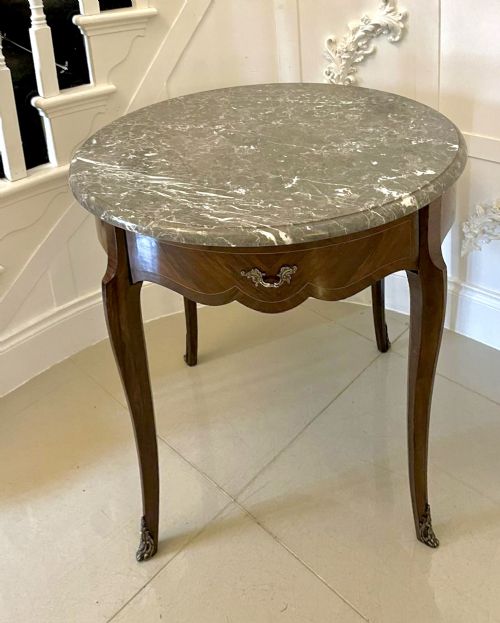
Detailing often included decorative elements such as bone inlay, brass mounts, marble tops, and gilt metal. Tables from the Art Deco period frequently paired contrasting woods like walnut and maple to emphasise geometric forms.
Materials utilised across these pieces include mahogany, walnut, marble, oak, brass, and glass.
Distinguishing quality
The standard of a vintage circular side table depends heavily on the selection of timber and the precision of its construction. Pieces featuring hand-carved details, matched veneer grains, and stable, well-balanced tripod bases stand apart from simpler utilitarian items.
Makers who incorporated specialised materials like inset marble, bone inlay, or high-grade chrome demonstrated a higher tier of craftsmanship. Original fittings and stamps from notable firms further elevate the standing of an individual table.
Liberty & Co·Waring & Gillow
The Vintage Circular Side Table Glossary
- Tripod table
- A small freestanding table supported by a pillar above three legs. These tables gained popularity during the Georgian period and remained in production through subsequent centuries.
- Wine table
- A compact occasional table designed originally to hold a single glass or bottle of wine. They typically feature a round top on a slender central column.
- Gueridon
- A French term for a small circular table, often with a marble top and a central pedestal. They frequently appeared in nineteenth-century and early twentieth-century interiors.
- Nest of tables
- A set of graduated tables designed to slide neatly beneath one another. Edwardian and Art Deco makers produced notable examples with round tops.
- Cricket table
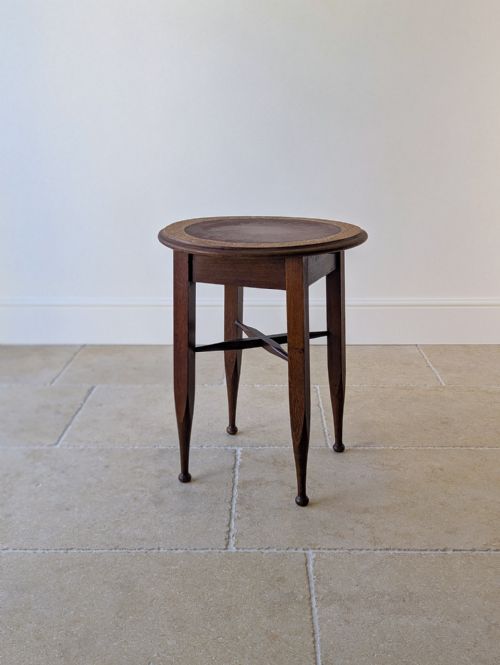
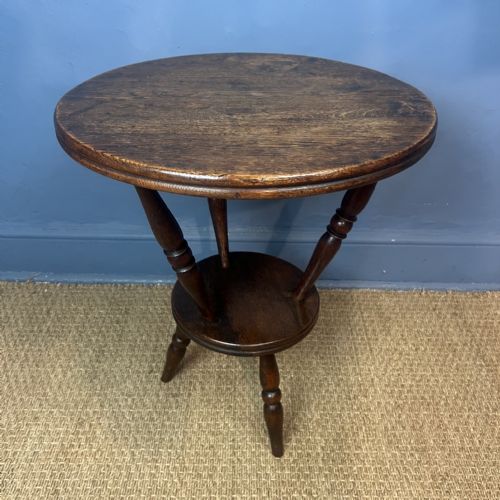
- A small, three-legged wooden table of sturdy construction. Early examples often date from the Arts and Crafts period and feature circular tiers.
Vintage Circular Side Table: Frequently Asked Questions
Where should I place a circular side table?
These compact tables fit well beside armchairs, in narrow hallways, or tucked into empty corners where space is limited.
Their rounded profiles prevent sharp corners from obstructing pathways in busy rooms.
How do I identify an Art Deco table?
Art Deco tables often display symmetrical veneers in walnut or maple, clean geometric lines, and occasional metal accents.
Many examples date from around 1930 and prioritise streamlined forms over ornate carving.
What is a wine table used for today?
Modern interiors utilise wine tables as convenient stands for reading lamps, small plants, or drinks.
Their diminutive size makes them easy to move around a room as needed.
Are marble top tables difficult to maintain?
Marble tops require gentle cleaning with mild soap and water to protect the polished stone surface from stains.
Using coasters helps prevent acidic liquids from etching the material over time.