


Vintage Cider Vessel
These vintage cider vessel examples bring robust historical utility to the table, combining heavy metal or timber with practical domestic design.
Vintage Cider Vessel
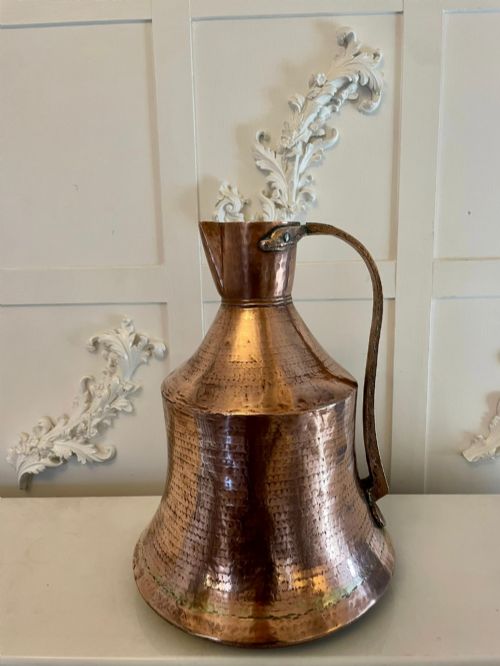
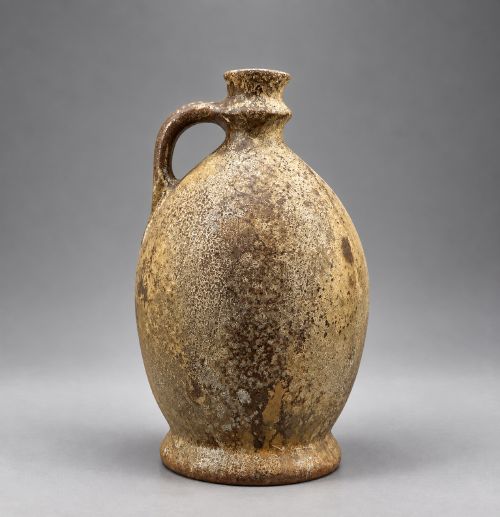
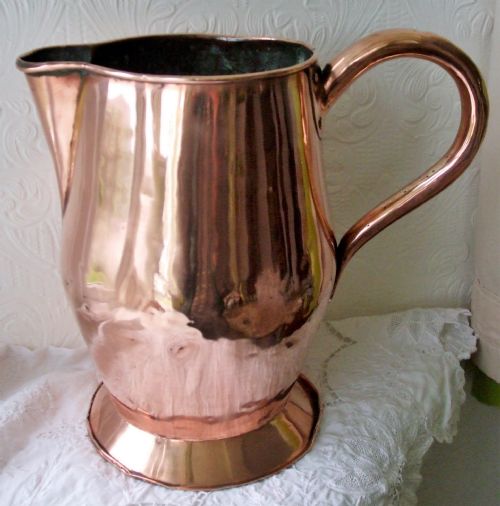
When you search for a vintage cider vessel, you encounter a robust selection of historical pouring items designed for large-scale hospitality. The pieces appearing here span centuries from the Georgian and Victorian eras down to Edwardian times, taking the form of heavy copper flagons, coopered oak jugs, and tall tavern pitchers.
The most common forms you meet are heavy copper measures holding up to two gallons alongside brass-bound oak vessels built with wooden staves. These items served busy taverns and domestic estates where large volumes of cider, ale, or water needed transport and serving.
Originating largely from English workshops alongside occasional French decanters, these containers rely on utilitarian shapes that prioritize capacity and stable pouring. You find tall flagons and wide jugs featuring sturdy handles and reinforced rims built to withstand daily service.
How they were made
Makers shaped these containers using heavy sheet copper joined with dovetail seams or hammered brass bands securing coopered oak staves. Smiths hammered metal sheets over stakes to achieve seamless curved bellies and reinforced the rims for structural strength during heavy lifting.
Potters and ceramists shaped stoneware and earthenware bodies on wheels before applying salt glazes or cream-sprigged decoration and firing them in kilns. Pewterers cast molten metal into moulds, finishing the surfaces by hand to create smooth tankards and flagons.
Woodworkers utilised tight-fitting oak staves bound with brass hoops, applying traditional cooperage techniques to ensure watertight joints without relying on modern glues.
Some vessels hold up to two gallons of liquid, proving our ancestors took their cider breaks very seriously indeed.
What varies in quality
The distinction between standard utility items and superior examples lies in the weight of the metal, the precision of the hammering, and the integrity of construction. Heavy-gauge copper and thick oak staves indicate higher production standards aimed at enduring heavy service in public houses and large estates.
Maker signatures, capacity stamps, and refined decorative details such as crisp sprigged stoneware or hand-forged handle attachments separate ordinary containers from exceptional ones. Well-preserved surfaces retain their original tool marks and patination without excessive modern intervention.
Doulton Lambeth·Loftus of Oxford Street London·S Hancock
The Vintage Cider Vessel Glossary
- Flagon
- A large drinking vessel with a handle and usually a lid, designed for holding liquids such as cider or ale. These pieces often feature generous capacities ranging from half a gallon upwards.
- Coopered
- Built from wooden staves fitted tightly together and bound with metal hoops, much like a barrel. This technique provided the waterproof strength needed for large wooden jugs.
- Haystack measure
- A tall, tapered metal jug shaped roughly like a traditional stack of hay, typically utilised for liquid measurement in taverns. These containers often bear capacity stamps from official inspectors.
- Salt glaze
- A vitreous coating formed by throwing common salt into the kiln during high-temperature firing of stoneware. This process creates a textured, orange-peel surface that resists liquids.
- Sprigged
- Decorated with small moulded clay reliefs applied to the unfired surface of pottery before glazing. This technique adds ornamental detail to tavern jugs and stoneware flagons.
Vintage Cider Vessel: Frequently Asked Questions
What were vintage cider vessels used for?
These large containers served to store, measure, and pour fermented apple cider and other beverages in homes and busy taverns. Their generous capacities allowed staff to supply multiple drinkers without constant refills.
Built for heavy domestic or commercial service, they functioned as portable storage units before glass bottles became standard. Their robust construction handled the acidic nature of cider and the rigours of daily handling.
How do I clean copper vessels?
Maintenance depends on whether you prefer a dark historical patina or a bright metallic finish. Gentle washing with warm soapy water removes dust and oils without stripping the surface.
Abrasive cleaners can damage older metal surfaces and remove centuries of oxidation. Most collectors prefer to leave the natural patination untouched.
Are coopered oak jugs waterproof?
Many historical wooden vessels retain their ability to hold liquid if the wood has not dried out and shrunk. Oak staves swell when exposed to moisture, which naturally seals the joints between them.
Modern owners often use these pieces for display rather than active service to protect the antique wood and interior seams. Regular refilling is unnecessary for decorative enjoyment.
How do I distinguish eighteenth-century pieces?
Earlier items often display hand-beaten copper seams, simpler cast handles, and official capacity verification marks from specific reigns. Pewter and copper examples from the seventeen-hundreds carry distinctive weight and tool signatures that differ from later Victorian production.
Studying the construction methods helps separate Georgian and earlier forms from nineteenth-century revivals. Subtle differences in handle attachment and rim forming offer clues to date.