





Traditional English Jug
A traditional english jug brings genuine character to a tabletop, offering a tangible link to centuries of domestic craft and hospitality.
Traditional English Jug
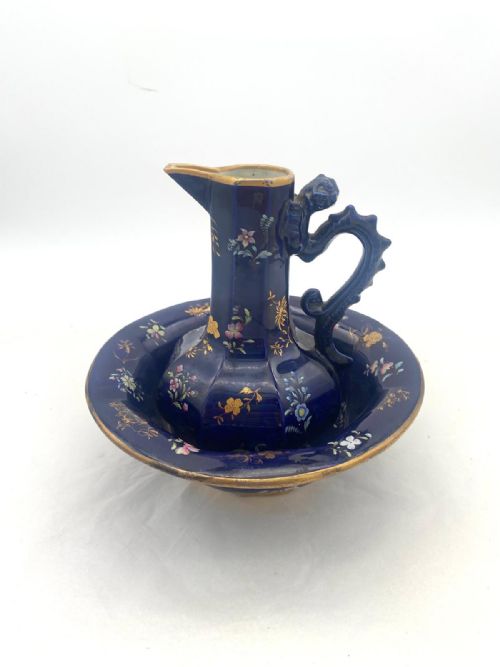
A traditional english jug spans centuries of utilitarian and decorative domestic ware, ranging from humble tavern vessels to elaborate Staffordshire figures. Buyers seeking a traditional english jug encounter forms designed for pouring ale, water, cream, or sauce at the table.
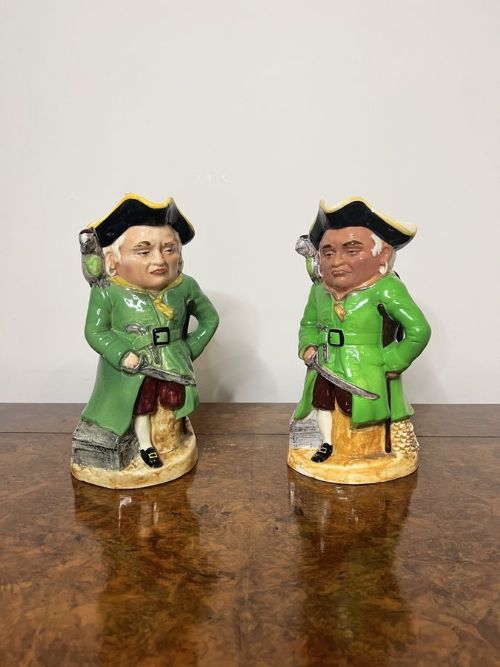
The selection here draws primarily from nineteenth-century pieces, alongside notable seventeenth-century slipware and Georgian examples. These vessels include Toby jugs, harvest jugs, puzzle jugs, and simple earthenware pitchers shaped by centuries of regional pottery traditions.
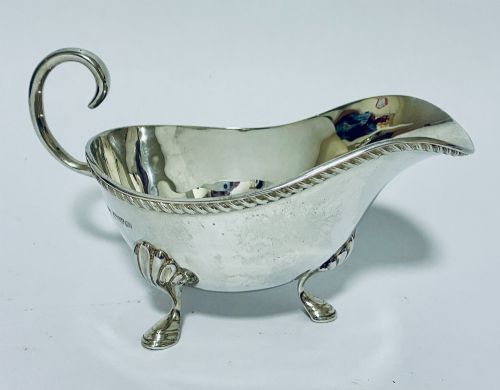
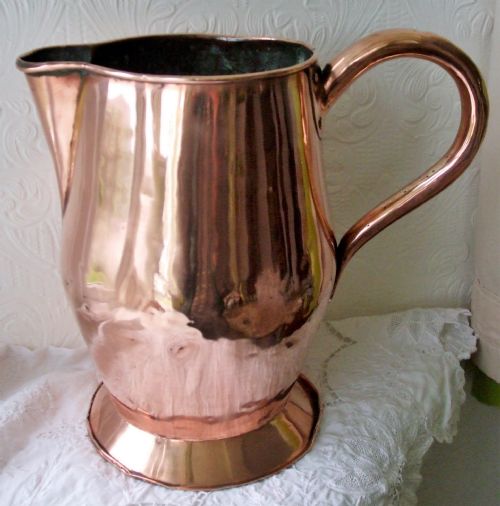
Makers utilised diverse forms to serve specific household roles, from large twelve-pint copper vessels to delicate cow creamers. Each traditional english jug reflects the domestic habits of its period, whether intended for daily kitchen use or display in a parlour.
How they were made
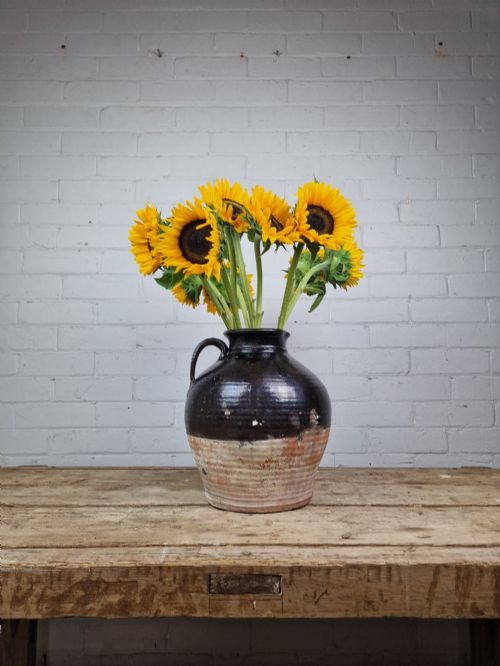
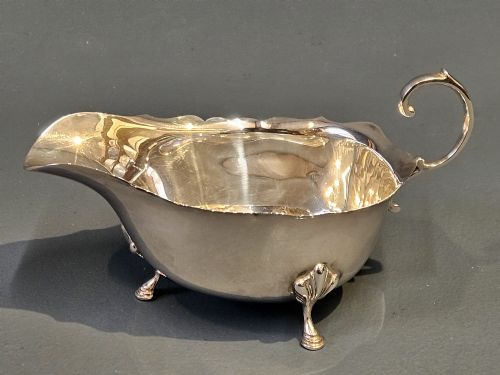
Potters shaped these vessels from local clay, earthenware, stoneware, and terracotta, often applying rich glazes to seal the porous body. Metal versions relied on heavy copper or sterling silver beaten and soldered into functional serving shapes.
Techniques ranged from simple throw-wheel shaping for tavern slipware to intricate mould-pressing for Victorian Staffordshire figures and Toby jugs. Glazing methods determined the surface texture, producing everything from dark Jackfield sheens to salt-glazed stoneware finishes.
Puzzle jugs challenge drinkers to sip without spilling through secret hidden spouts.
What varies in quality
The integrity of the body and the consistency of the kiln firing separate standard utility ware from finer display pieces. Pieces that retain their original glaze lustre and surface decoration without excessive wear command greater visual presence.
Doulton Lambeth·Masons Ironstone·Staffordshire Pottery
The Traditional English Jug Glossary
- Slipware
- Pottery decorated with liquid clay, known as slip, trailed onto the unglazed or glazed body before firing. This technique created rich rustic patterns popular in early English tavern jugs.
- Toby Jug
- A pottery jug modelled in the shape of a seated person, usually a stout figure holding a mug of beer and a pipe. These characterful vessels became staples of Victorian Staffordshire potteries.
- Stoneware
- A dense, impermeable ceramic fired at high temperatures until vitrified. This durable material suited heavy-use vessels like Doulton Lambeth harvest jugs.
- Puzzle Jug
- A vessel with a pierced neck that prevents normal pouring, designed to challenge drinkers to find the hidden channel. They tested dexterity and added amusement to social gatherings.
- Cow Creamer
- A ceramic container shaped like a cow, with milk poured through an opening on the back and tipped from the animal's mouth. These whimsical pieces formed a distinct subset of nineteenth-century tablewares.
Traditional English Jug: Frequently Asked Questions
What were traditional english jugs used for?
These vessels served everyday practical roles in pouring ale, water, milk, and sauce during meals and tavern gatherings. Many forms, such as Toby jugs and puzzle jugs, also provided entertainment and social amusement.
Larger metal and ceramic pitchers managed bulk liquids in domestic kitchens, while smaller figures functioned as creamers or decorative table ornaments.
How do I care for a ceramic jug?
Display these pieces out of direct sunlight to protect glazes and hand-painted surface colours from fading over time. Handle them carefully by the body rather than the handle alone, as old joins remain vulnerable.
Dust gently with a dry cloth and avoid harsh chemical cleaners that might damage porous earthenware or historic glazes.
How can I tell a nineteenth-century jug apart from earlier pieces?
Nineteenth-century examples often display sharper factory moulding, consistent industrial kilning, and more refined transfer-printing or glaze application. Earlier pieces, particularly seventeenth-century slipware, show hand-thrown irregularities and simpler earthen bodies.
Examining the base and interior finish reveals clues about the period's manufacturing technology and workshop practices.
Were copper jugs used for cooking or serving?
Heavy copper jugs served primarily for holding and pouring liquids rather than heating them directly over an open fire. Their substantial weight helped maintain the temperature of water or ale at the table.
Craftsmen formed these pieces to combine utility with the decorative warmth of polished metal in the dining room.