

Vintage Chippendale Cabinet
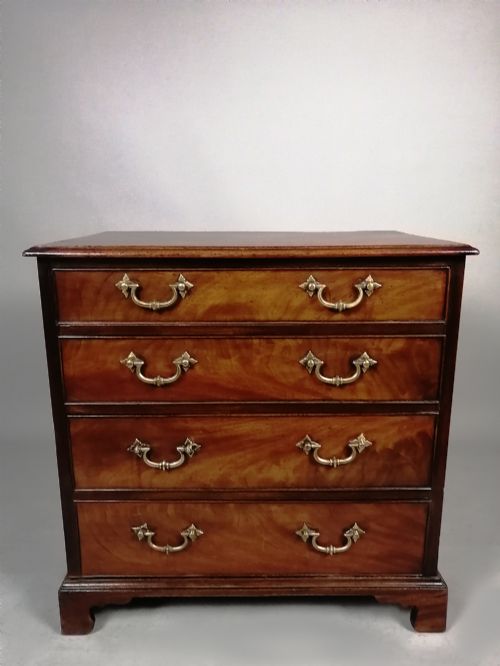
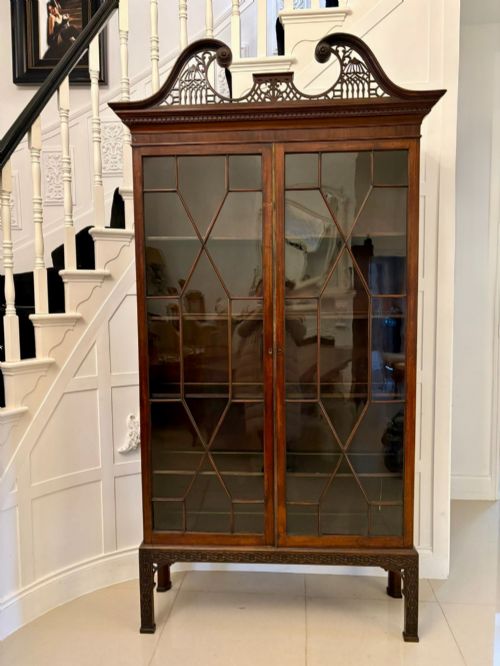
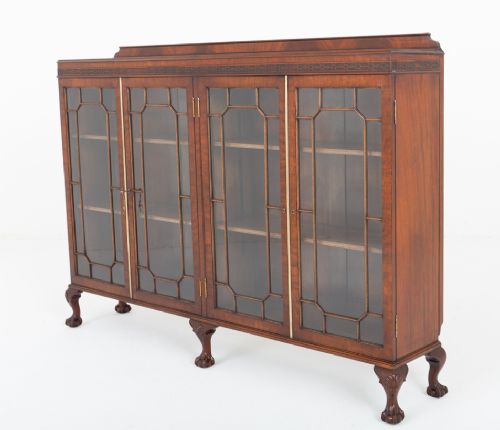
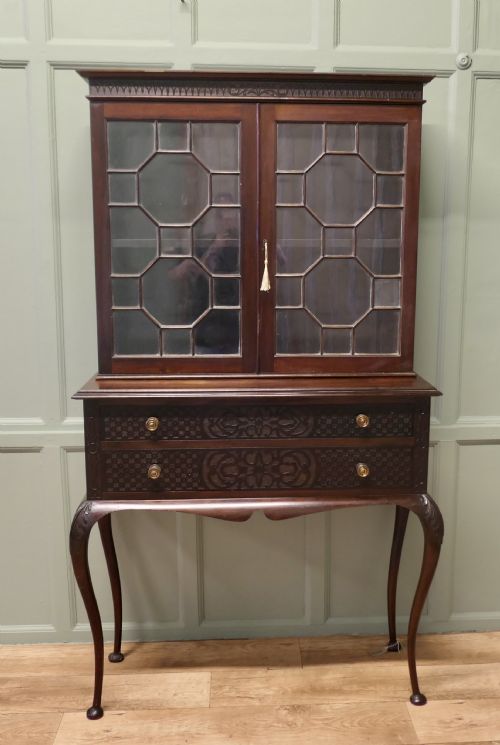
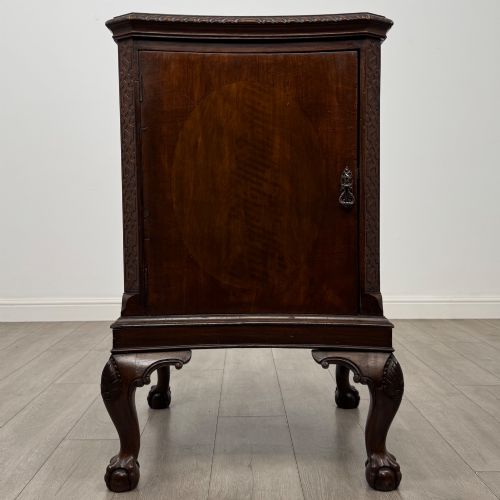
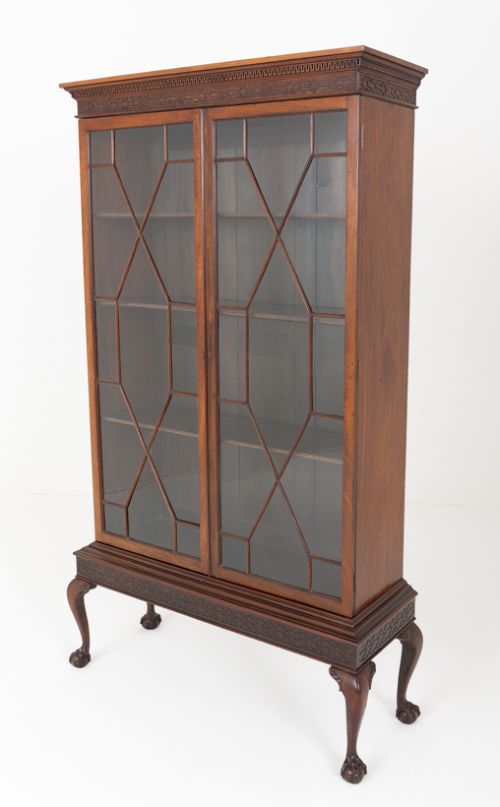
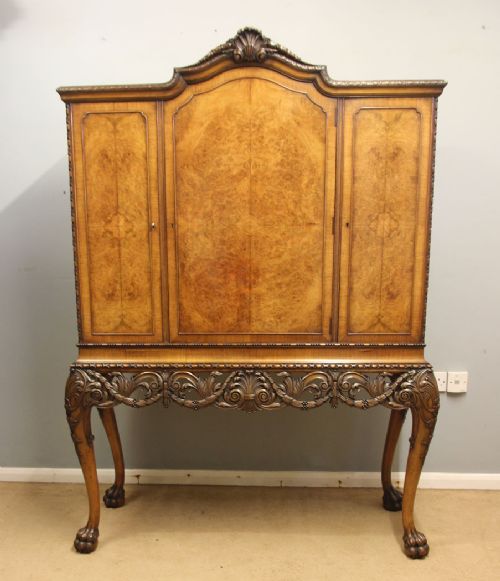
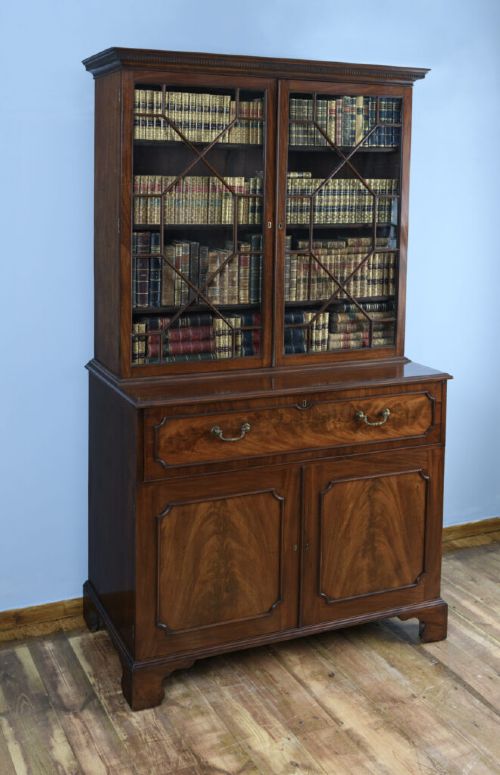
A vintage chippendale cabinet brings structured mahogany timber and classical fretwork into a room.
Vintage Chippendale Cabinet
A vintage chippendale cabinet encompasses display pieces, bookcases, side cabinets, and chests produced across multiple periods from the eighteenth century through the twentieth. Buyers exploring this search phrase encounter authentic Georgian items alongside later revivals from the Victorian, Edwardian, and 1920s eras.
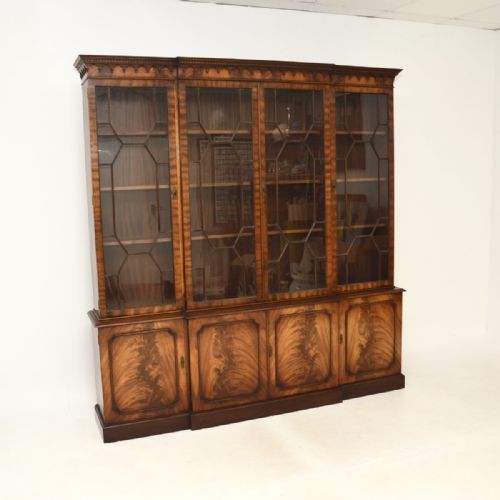
The most frequently met examples on this page are revival pieces created during the Edwardian period and the early twentieth century. These incorporate traditional forms like astragal glazing and serpentine fronts while adapting them for domestic storage and display.
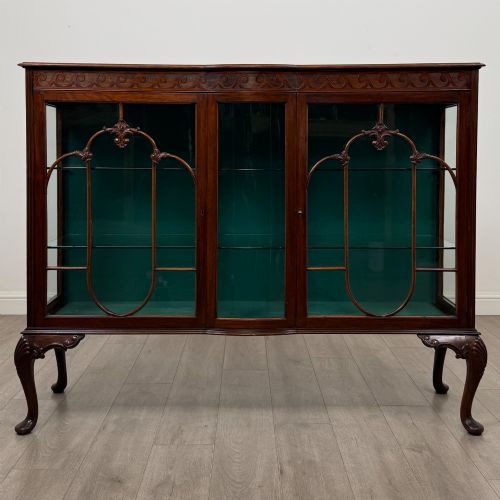
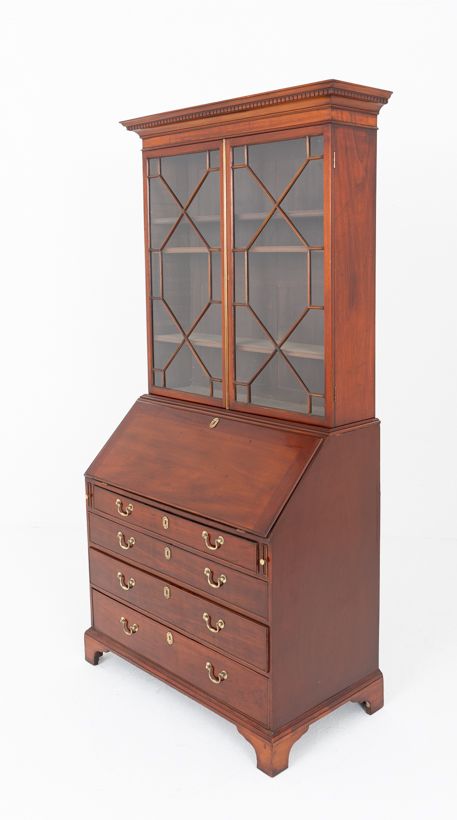
Forms vary significantly, stretching from tall breakfront bookcases and bureau bookcases to compact bedside units, corner cupboards, and bijouterie display tables. Each variant maintains the characteristic proportion and timber selection associated with the style.
Materials and construction
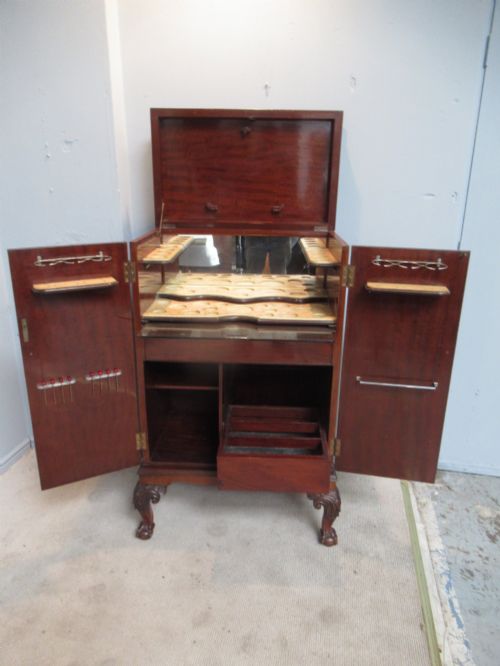
Construction relies heavily on mahogany, including Cuban mahogany and figured variants, selected for its dense grain and strength. Secondary timbers support internal structures while brass hardware secures doors, drawers, and fall fronts.
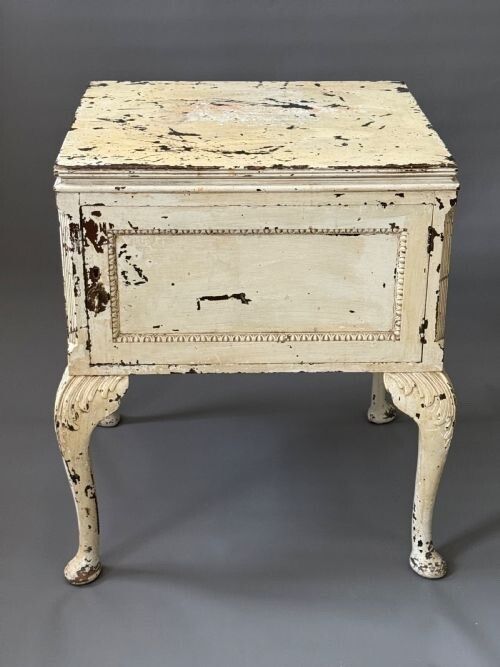
Glazing takes the form of individual glass panes held within wooden astragal bars, creating orderly compartments across bookcases and display cabinets. Carved details and painted finishes appear on selected pieces to add decorative depth without compromising structural integrity.
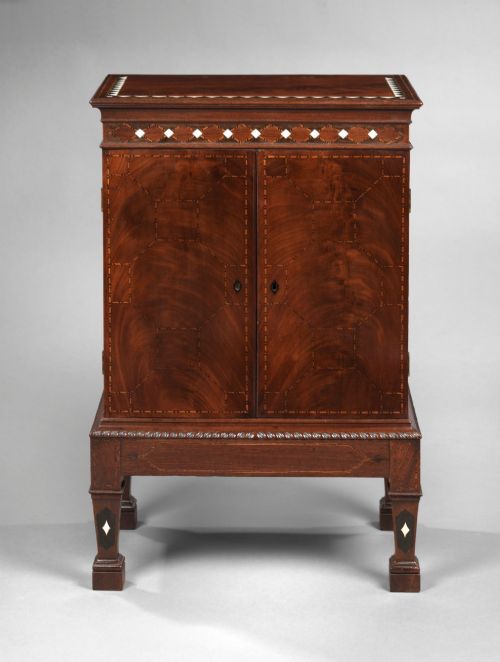
Materials documented across the inventory include mahogany, Cuban mahogany, oak, glass, brass, fabric, paint, and bone inlay.
Assessing quality and execution
Quality reveals itself in the crispness of carved details and the careful matching of wood grain across large surfaces like drawer fronts and cabinet doors. Superior examples display precise joinery in the glazing bars and drawer linings.
The refinement of proportion separates standard production from exceptional pieces. Balanced scaling of cornices, feet, and applied fretwork distinguishes well-executed cabinets from simpler utilitarian storage.
James Winter & Sons·Waring & Gillows·Walker & Hall
The Vintage Chippendale Cabinet Glossary
- Astragal glazed
- Glass doors divided into smaller panes by narrow wooden bars. This technique allows secure viewing of interior contents while maintaining rigid door frames.
- Serpentine front
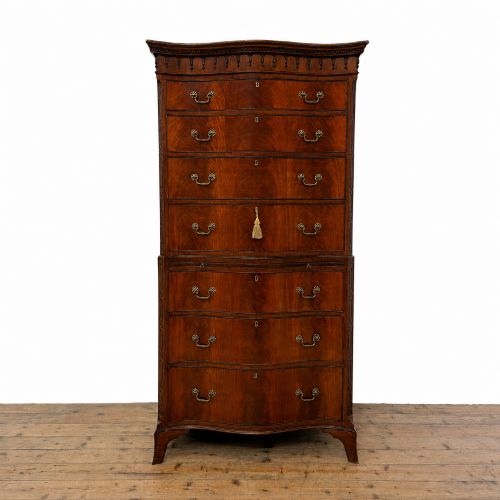
- A furniture face curved outward at the ends and inward in the centre. This profile requires skilled timber shaping and precise joinery.
- Secretaire bookcase
- A tall storage piece featuring a fitted writing drawer with a drop-front desk surface. It combines library shelving with concealed writing compartments.
- Tallboy linen press
- A vertically stacked storage unit combining clothes drawers with upper cupboard space. These items maximise vertical storage capacity in domestic interiors.
- Bijouterie table
- A glass-topped display table designed for showcasing small valuable objects. The glazed compartment sits on slender legs at viewing height.
Vintage Chippendale Cabinet: Frequently Asked Questions
What is a vintage chippendale cabinet?
A vintage chippendale cabinet is a storage or display piece built in the eighteenth-century style or its later revivals. These items utilise mahogany timber and incorporate classical design elements like carved fretwork and glazed doors.
They serve practical storage functions while acting as formal display furniture in a room. Their forms range from tall bookcases to compact side cabinets.
How do I date a chippendale style cabinet?
Dating relies on examining construction methods, secondary woods, and timber finishing techniques. Eighteenth-century originals show hand-cut joints and distinct patina, while revival pieces from the Victorian and Edwardian eras display nineteenth or twentieth-century manufacturing signatures.
Hardware styles and secondary timbers inside drawers also provide clear chronological indicators. Comparing the internal construction with known period examples confirms the date of manufacture.
Where should I place a display cabinet?
Display cabinets suit principal reception rooms, studies, and libraries where their glazed doors protect collections while keeping them visible. Placing them away from direct sunlight preserves the mahogany timber finish and prevents interior fading.
Sufficient clearance allows doors to open fully for safe access to interior shelving. Ambient room lighting enhances the glass panels and highlights the displayed items.
What is the difference between Georgian and revival pieces?
Georgian pieces were built during the eighteenth century as contemporary furniture for aristocratic and gentry homes. Revival items were produced later, particularly during the Victorian and Edwardian periods, copying earlier aesthetic models.
While both use mahogany and traditional forms, authentic eighteenth-century examples exhibit distinct historical wear patterns and period-specific construction. Revival pieces offer durable alternative options reflecting historical design tastes.