
Mahogany Bookcase on Stand
A mahogany bookcase on stand combines raised display with timber cabinetry, offering collectors a practical architectural storage piece from Georgian and later eras.
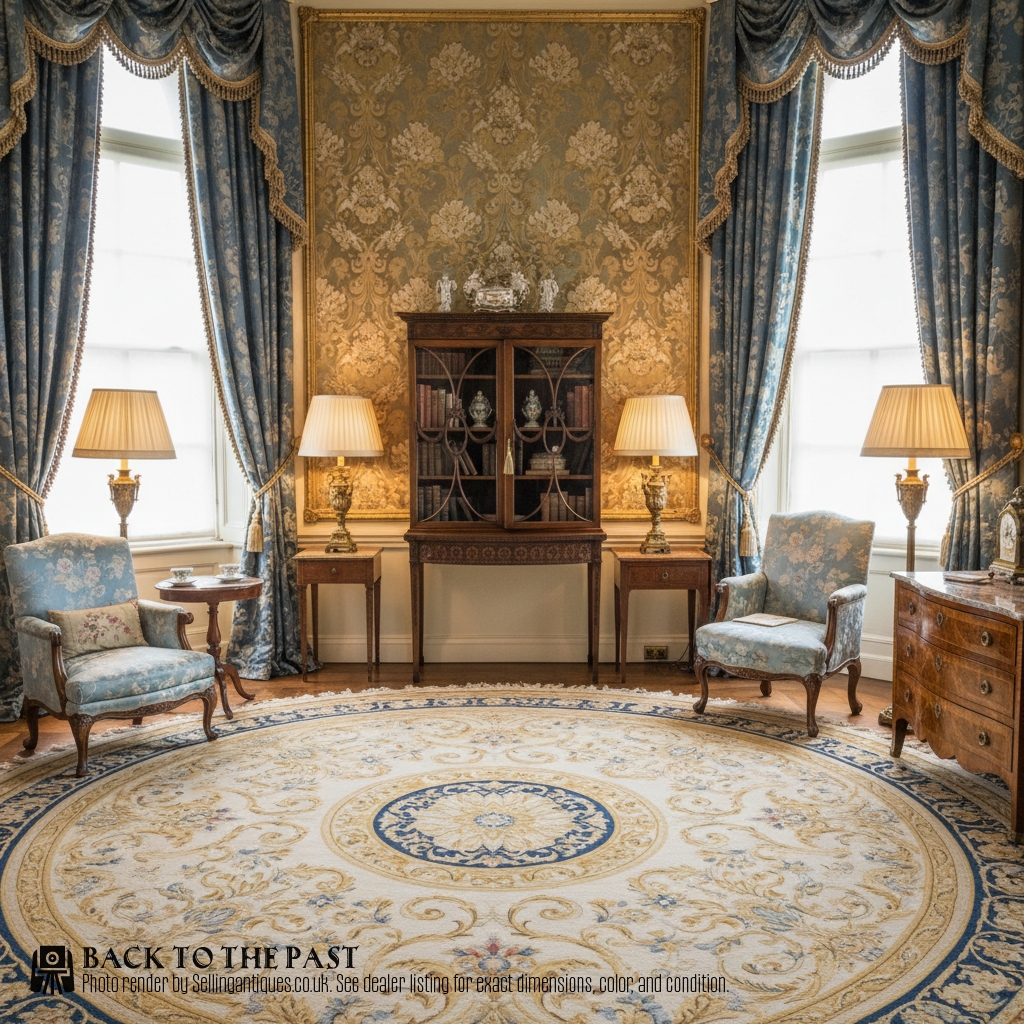
Mahogany Bookcase on Stand
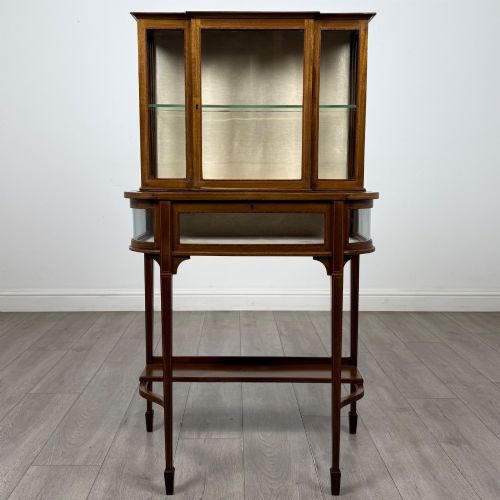
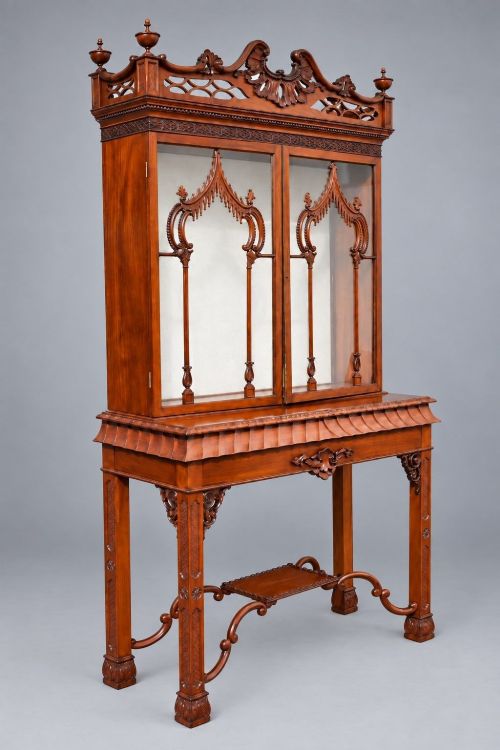
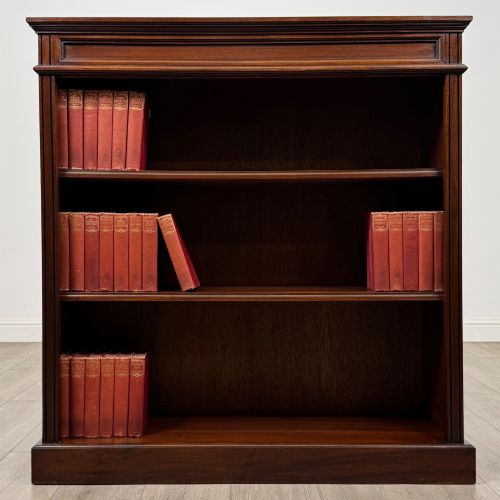
A mahogany bookcase on stand brings together a timber upper shelving or cabinet section supported by a distinct lower frame, table, or stand. The evidence shows these pieces span periods from the Georgian era through the Regency, Victorian, and Edwardian years into the early twentieth century.
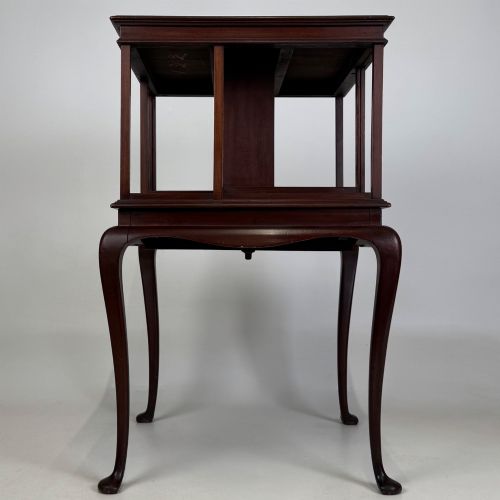
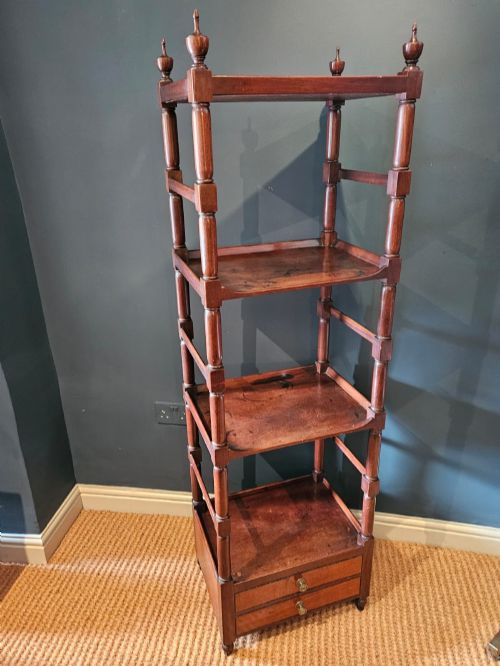
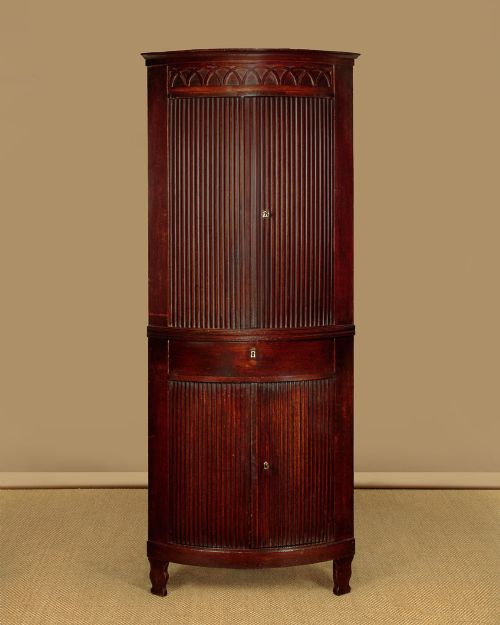
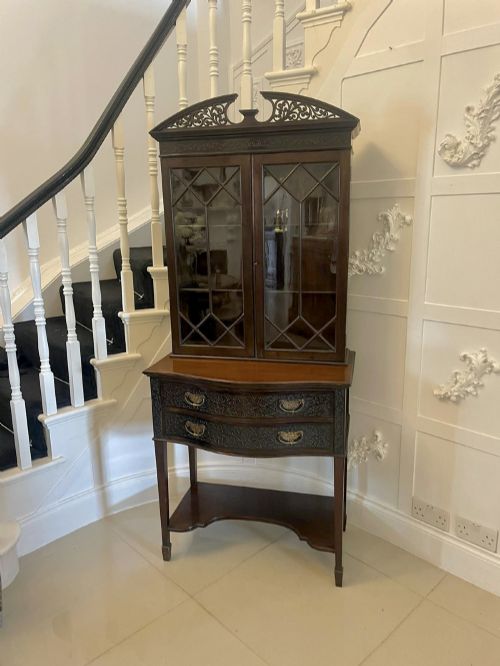
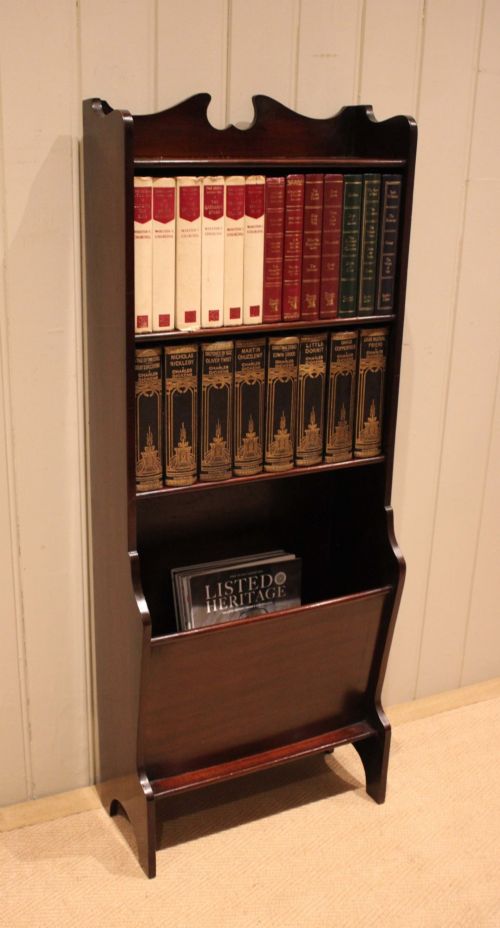
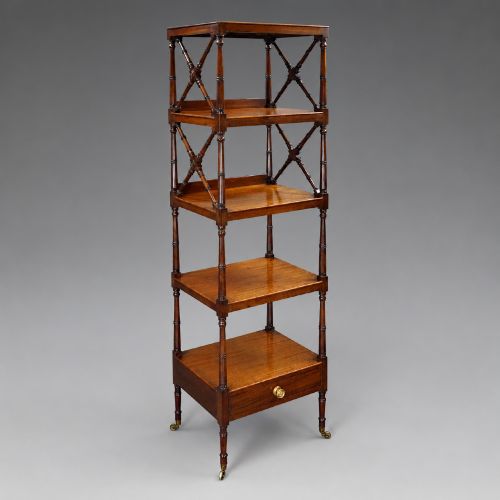
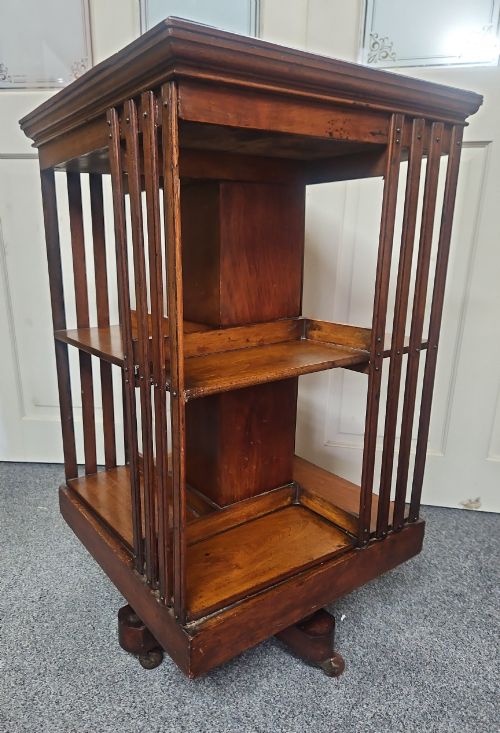
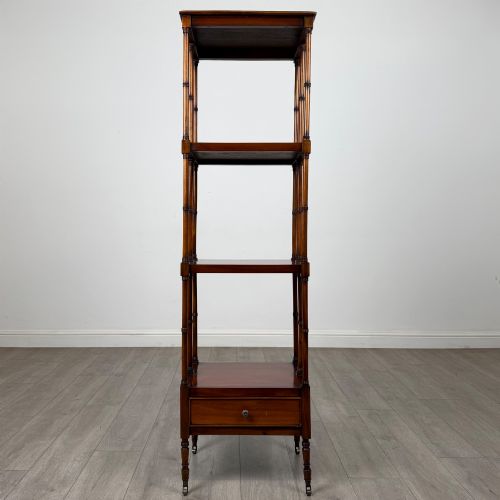
Buyers encounter various related formats within this grouping, including display cabinets, what-nots, revolving bookcases, and corner cupboards. The classic form pairs a glazed or open bookcase directly with elevated legs or a table base.
Origins stretch across the eighteenth, nineteenth, and early twentieth centuries, capturing shifts from formal Georgian craftsmanship to Edwardian inlaid revival styles.
How they were made
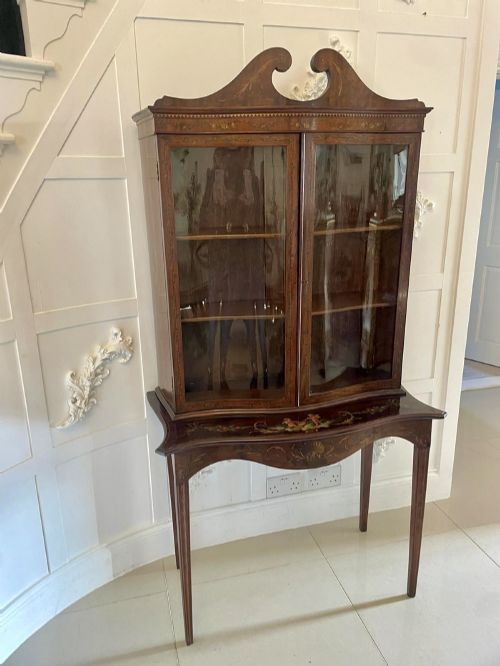
Makers utilised solid and veneered mahogany as the primary structural and visual timber, frequently incorporating satinwood inlay for decorative contrast. Structural stability relied on thoughtful joinery, while brass and cast iron hardware provided functional accents.
Glazing with glass protected valuable volumes in upper cabinet sections, and occasional fabric linings added texture inside display spaces.
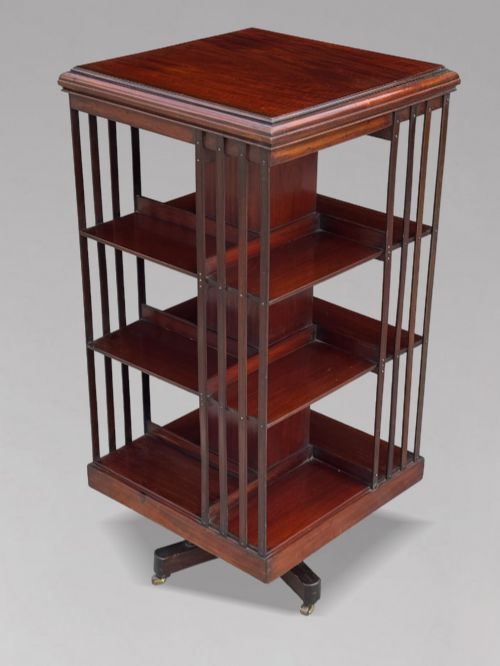
Some revolving models let readers spin an entire library while remaining comfortably seated.
What varies in quality
The refinement of timber selection and the precision of inlaid details dictate the visual distinction of a piece. Finer examples display meticulous cabinetwork where stands and upper cases form a unified aesthetic.
Proportion and the integrity of original mounts, such as brass castors or handles, separate standard production from exhibition or bespoke works.
Maple & Co.·Laverton of Bristol
The Mahogany Bookcase on Stand Glossary
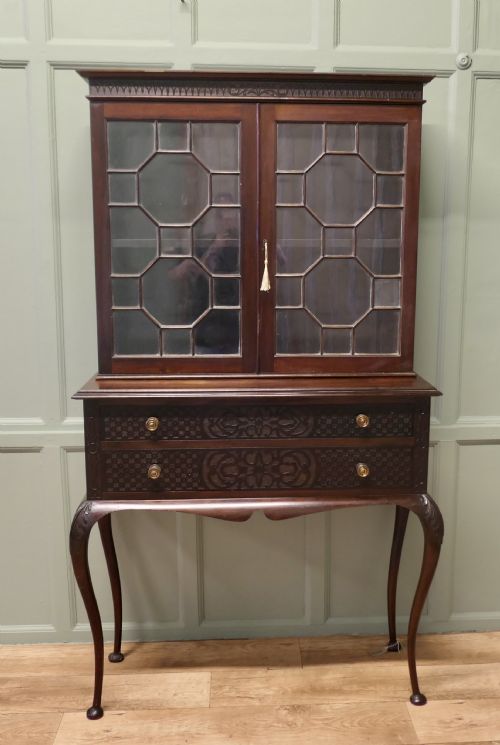
- Astragal glazed
- A method of securing individual panes of glass within a cabinet door using narrow wooden framework bars. This technique creates geometric or curved window patterns.
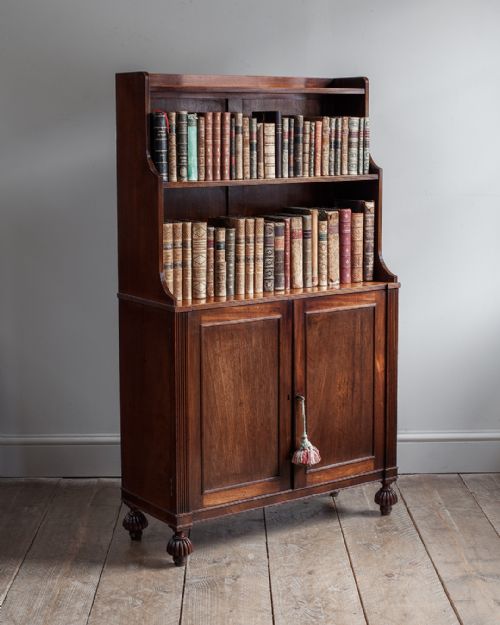
- Waterfall bookcase
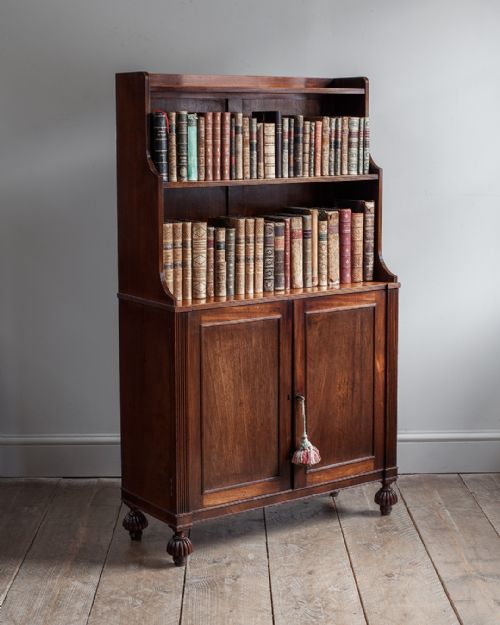
- A tiered shelving unit where each successive shelf steps back from the one below it. The sides often follow a sloping downward curve.
- Vitrine
- An enclosed glass display cabinet designed to showcase fine ornaments and bound volumes. It protects contents from dust while offering maximum visibility.
- Inlay
- A decorative technique where contrasting timbers such as satinwood are inserted into recesses within the primary mahogany surface. This produces flat ornamental patterns.
Mahogany Bookcase on Stand: Frequently Asked Questions
What is a mahogany bookcase on stand?
A mahogany bookcase on stand is a cabinet or set of shelves elevated upon a distinct base, legs, or table frame. These items combine vertical storage with an raised profile.
Such furniture evolved across the Georgian and Victorian periods, offering both open display and enclosed protection for libraries.
How do I style a bookcase on stand?
Position a bookcase on stand against a flat wall where the elevation of the base remains fully visible. Ensure adequate clearance around the piece to highlight its legs or stand structure.
Balance the shelves with a mixture of vertical books and small decorative objects to maintain visual harmony without overcrowding.
How do I date a mahogany bookcase?
Dating relies upon observing construction techniques, timber choice, and stylistic markers such as Regency curves or Edwardian satinwood inlay. Georgian pieces often feature architectural cornices and astragal glazing.
Later Victorian and Edwardian examples incorporate machine-sawn elements and distinct revival motifs reflecting their specific decades of manufacture.
Were these bookcases used for books?
Libraries and drawing rooms utilised these stands to house treasured volumes within easy reach of seated readers. The raised design protected books from floor-level dampness.
Many examples also served to display porcelain, curiosities, and decorative pamphlets alongside standard reading material.