


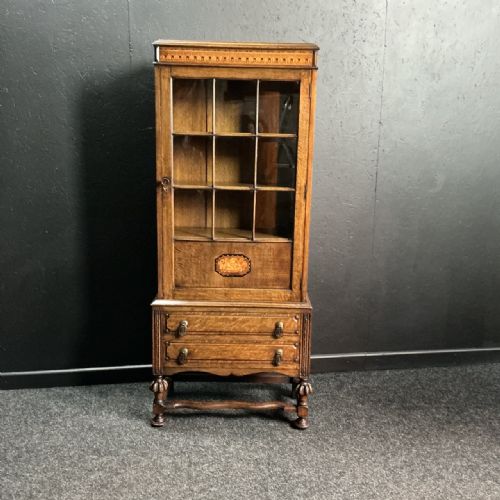
Antique China Cabinet on Legs
These antique china cabinet on legs selections bring elevated display and timeless storage to a room.
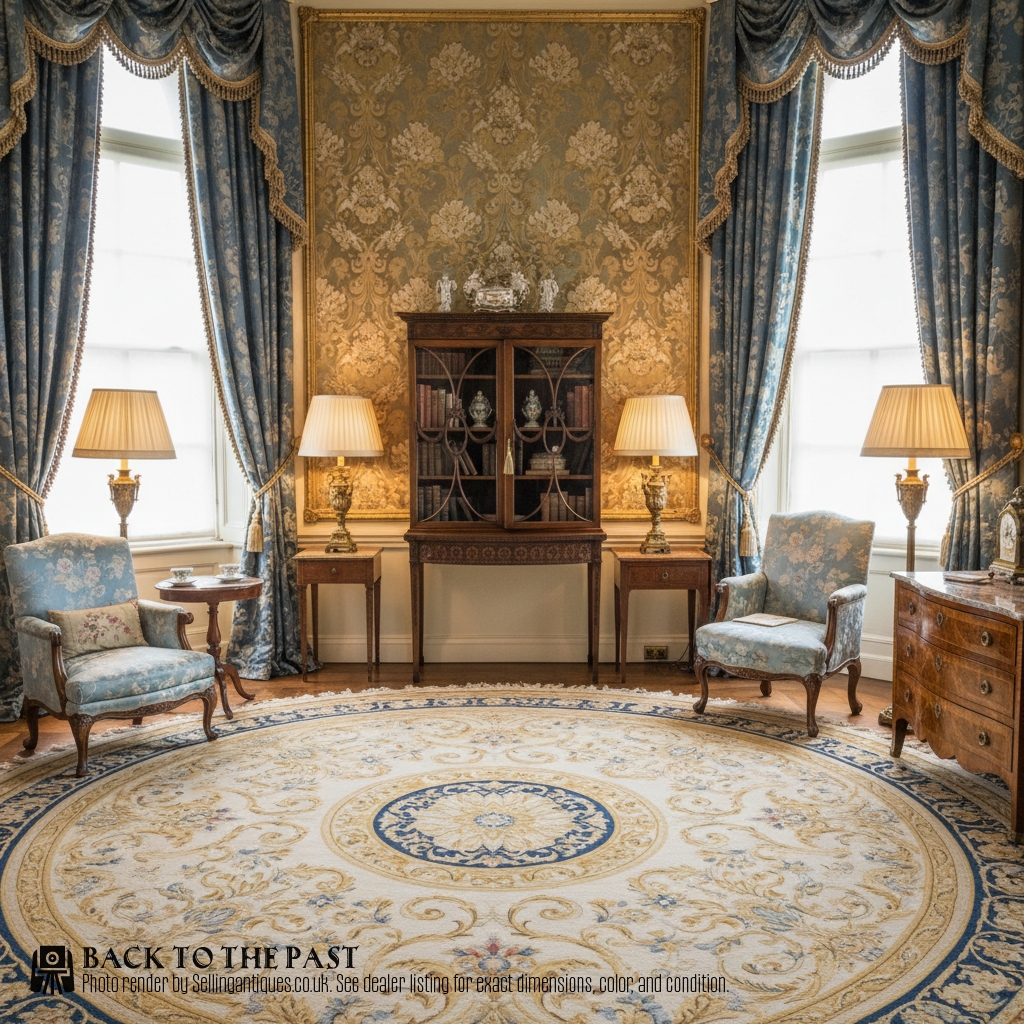
Antique China Cabinet on Legs
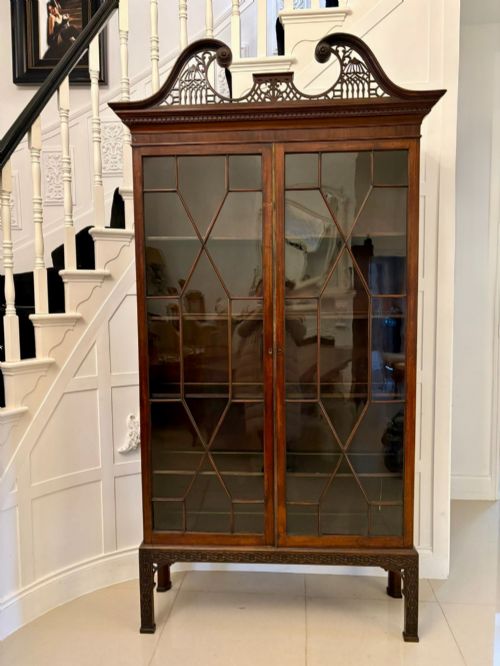
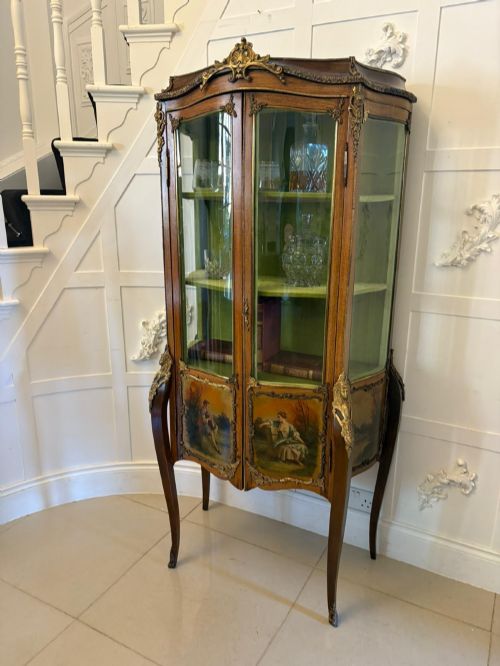
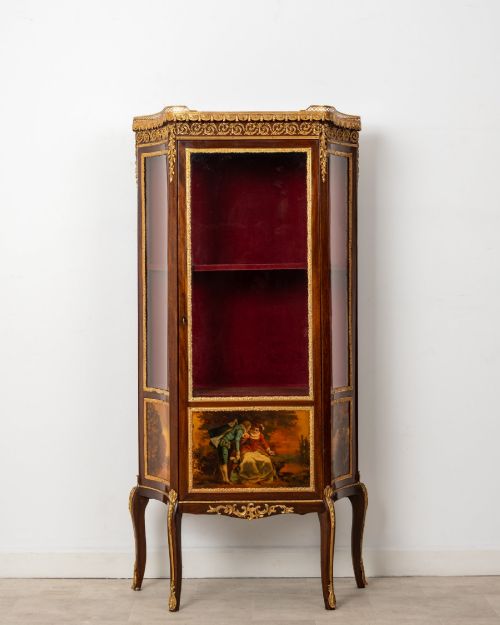
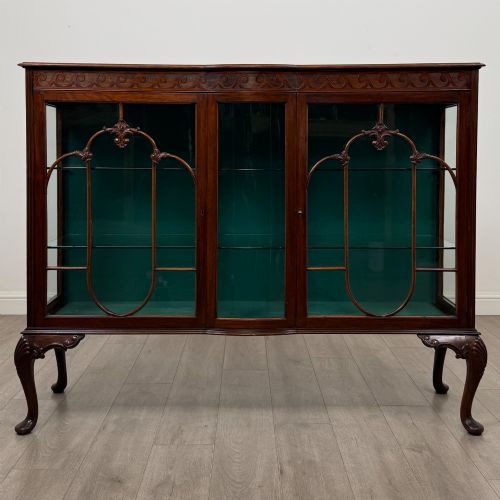
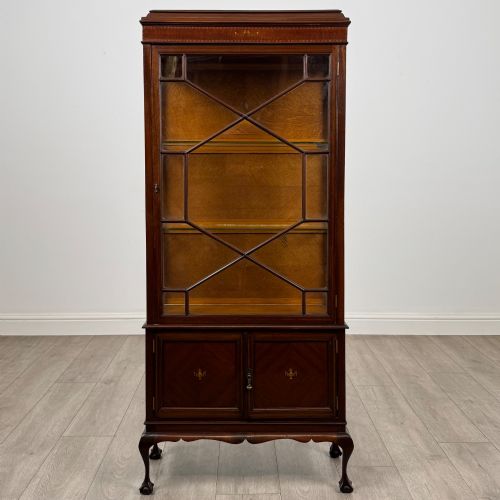
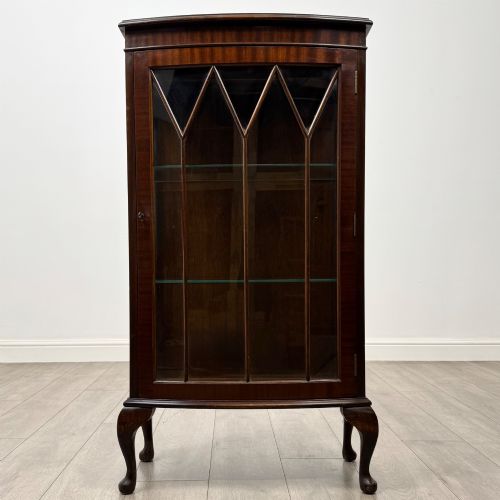
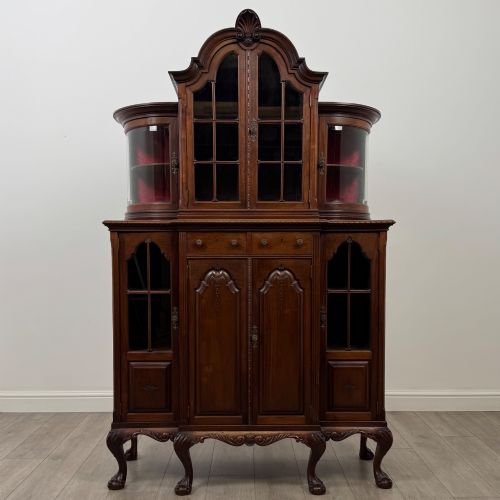
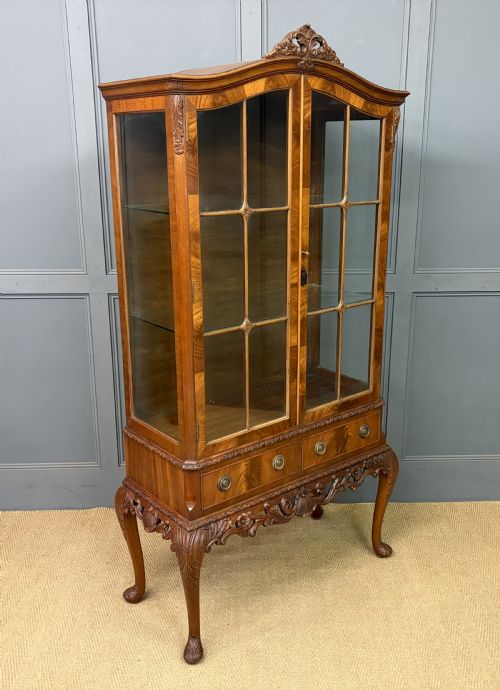
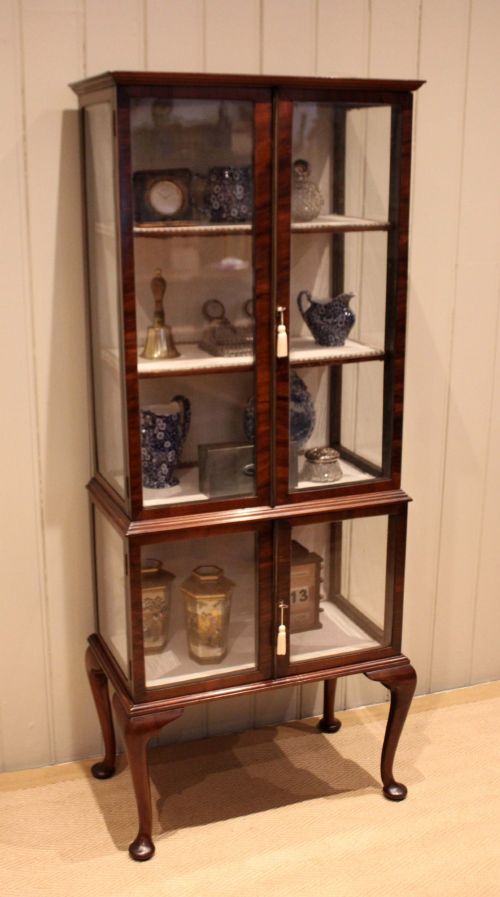
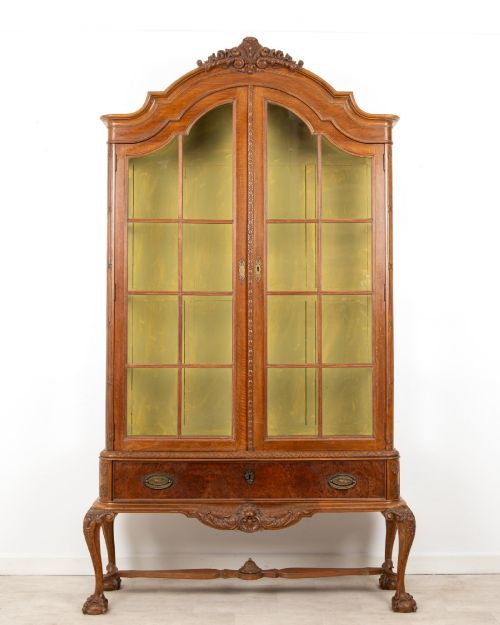
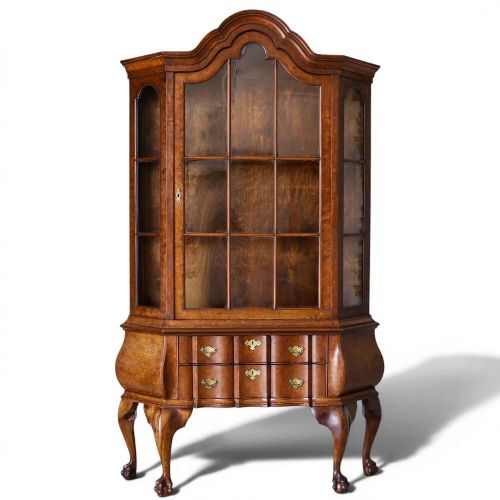
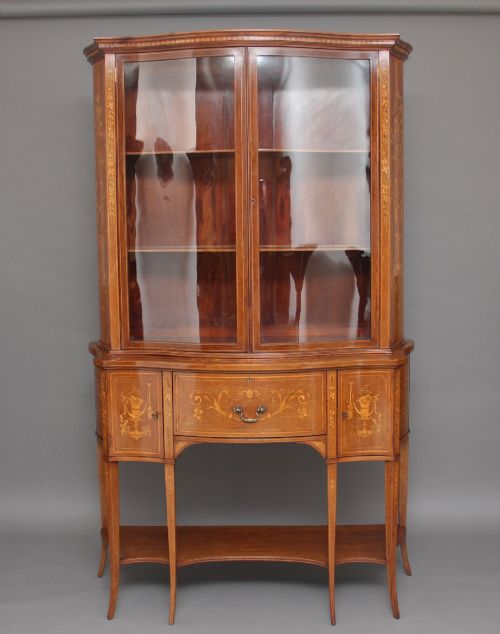
An antique china cabinet on legs functions primarily to showcase fine ceramics and glassware behind glass panels while elevating the main compartment off the floor.
The selections available here span numerous periods including Victorian, Edwardian, and early twentieth century manifestations.
Buyers frequently encounter mahogany, walnut, and satinwood constructions built in revival styles such as Queen Anne, Chippendale, and Louis XV.
Materials and Construction Methods
Cabinetmakers utilised primary timbers like mahogany, walnut, and satinwood, often applying delicate wood inlays to the exterior surfaces.
Glazing bars hold the glass panes securely in the cabinet doors, while brass hardware and ormolu mounts provide structural and decorative accents.
Parquetry and burr veneer techniques create intricate geometric and natural wood grain patterns across the panels.
The listings here feature walnut, mahogany, satinwood, and oak pieces spanning from the nineteenth century through the 1930s.
Determining Quality and Craftsmanship
The refinement of the carving work and the precision of the parquetry separate standard utility pieces from exceptional examples.
Superior execution shows in the careful matching of wood veneers across the doors and the stability of the raised leg framework supporting the heavy glazed upper section.
Maple & Co.·Waring & Gillow·Epstein
The Antique China Cabinet on Legs Glossary
- Vitrine
- A glass-fronted display cabinet designed specifically for showing porcelain and small decorative objects. These pieces often feature glazed sides to let light flood the interior shelves.
- Vernis Martin
- A type of simulated Japanese lacquer developed in France by the Martin brothers during the eighteenth century. Later revival cabinets utilise this decorative technique to add colourful painted scenes.
- Parquetry
- A geometric mosaic of wood pieces used for decorative surfacing on floors and furniture. Makers applied this technique to cabinet doors and panels using contrasting timbers.
- Astral glazing
- A framework of slender wooden bars dividing a glass door into smaller geometric panes. This traditional method provides robust support for large glass areas.
- Ormolu
- Gilded bronze mounts applied to furniture for decorative effect. These metallic accents frequently highlight the corners and legs of French-inspired cabinets.
Antique China Cabinet on Legs: Frequently Asked Questions
How do I choose the right size?
Measure your available floor space and consider the height of the ceilings in your room. Cabinets with raised legs visually lighten the footprint compared to floor-to-ceiling bookcases.
Take into account the swing clearance needed for glass doors, particularly if you place the unit in a hallway or a tighter corner.
What is the best way to clean the glass?
Use a soft microfiber cloth and a mild glass cleaner sprayed onto the cloth rather than directly onto the cabinet surface. This prevents excess liquid from seeping into the wooden frames or damaging antique veneers.
Take care around delicate glazing bars and hand-painted lacquer details to preserve the original finish.
Can these cabinets support heavy china?
The interior wooden or glass shelves handle normal service sets, but distribute weight evenly to avoid bowing older timber. Assess the thickness and support of the individual shelves before loading heavy ceramic collections.
Ensure the freestanding cabinet rests level on the floor so the weight does not strain the leg joints.
How do I identify revival styles?
Look at the specific decorative motifs, such as cabriole legs on Queen Anne pieces or elaborate scrolling bronze mounts on Louis XV examples. Cabinetmakers in the Edwardian and Victorian eras drew heavily on these historical design vocabularies.
Compare the timber types and construction methods against known periods to confirm the manufacturing era.