




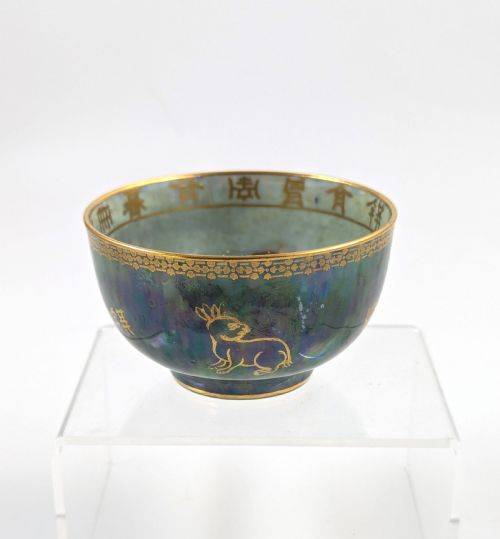


Vintage Chinese Pottery
These vintage chinese pottery pieces bring centuries of hand-formed tradition and rich glaze work directly into your home.
Vintage Chinese Pottery
When you search for vintage chinese pottery, you are looking at a diverse selection of ceramics, porcelain and earthenware shaped across multiple decades and centuries. The pieces range from functional vessels like ginger jars and garden seats to decorative sculptures, figurines and table lamps.
On this page, you are most likely to meet items originating from the nineteenth and twentieth centuries, including pieces reflecting Qing Dynasty styles and traditional Chinese forms. European interpretations such as Victorian chinoiserie and Minton works also appear alongside Asian regional pieces.
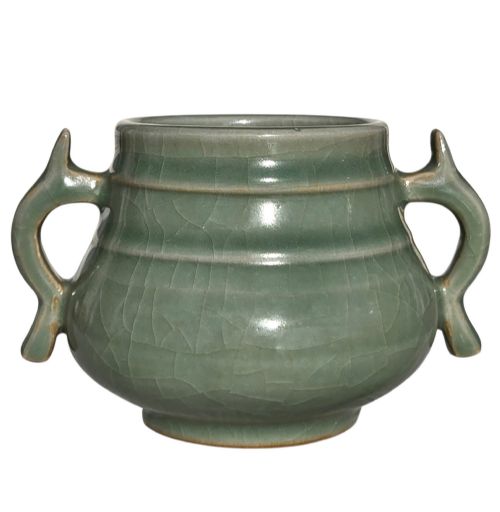
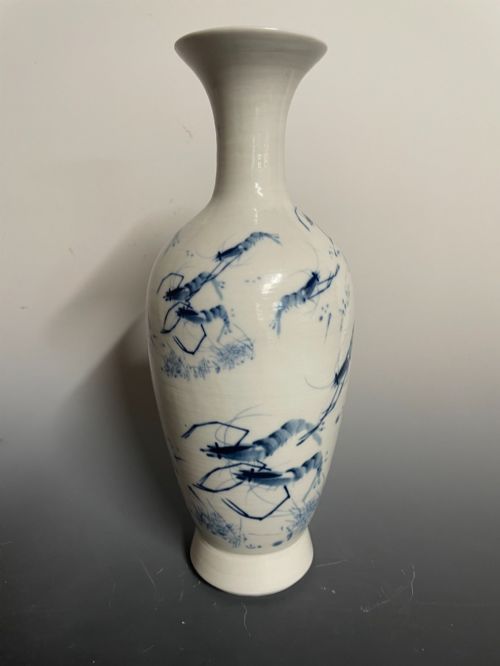
The selection encompasses everything from pale green glazed porcelain and cobalt blue designs to Sancai glazed pottery horses and Shiwan pottery tigers. Collectors will find both utilitarian forms transformed into lamps and elaborate cloisonne enamel vessels.
How they were made
Makers shaped these objects using clay, terracotta, ceramic and porcelain, often finishing surfaces with rich cobalt glaze, flambe glaze or enamel. Artisans applied these materials by hand, building up dense layers of colour and texture on vases, jars and bowls.
Techniques range from traditional throwing and moulding to detailed painting and cloisonne work. Many pieces incorporate decorative metal elements in brass or feature intricate transfer prints, whilst others rely on multi-coloured Sancai glazing to define sculptural figures.
Vintage Chinese Pottery Retail Price Guide 2026
Typical asking prices for vintage chinese pottery among the pieces listed under this phrase on Sellingantiques today, from the lower quarter to the upper quarter. They describe what is for sale here now, not the wider market.
Materials represented across the inventory include porcelain, glazed earthenware, terracotta, brass and enamel.
What varies in quality
Mastery of the kiln determines the success of complex finishes like flambe and cobalt glazes, where controlled firing creates subtle variations in tone. Weaker examples show uneven glaze pooling or flat surface work that lacks the tactile presence of better-executed examples.
Minton·Wedgwood·Daisy Makeig-Jones
The Vintage Chinese Pottery Glossary
- Glaze
- A glassy coating applied to pottery and fired in a kiln to seal the clay body and add colour. This layer creates the smooth, reflective surfaces seen on porcelain and earthenware.
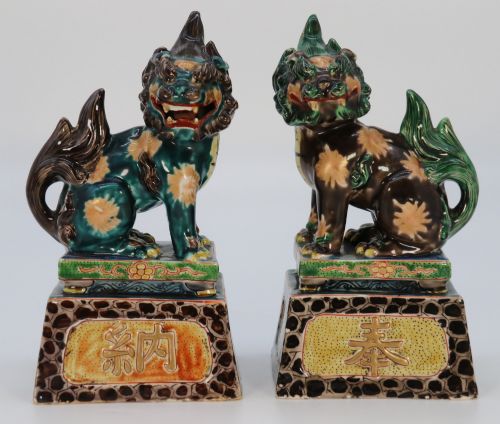
- Foo Dog
- A traditional guardian lion depicted in Chinese art and sculpture. These mythical beasts appear frequently on porcelain and pottery vessels as protective symbols.
- Cloisonne
- A technique where enamel is applied within compartments created by soldered wire on a metal base. This method produces vibrant, patterned decorative objects.
- Sancai
- A traditional three-colour lead glaze style associated with Tang Dynasty aesthetics. Artisans used amber, green and creamy white tones to decorate pottery figures and horses.
- Ginger Jar
- A wide-mouthed ceramic storage vessel with a domed cover. Originally made to store spices, these jars became popular decorative items in traditional interiors.
Vintage Chinese Pottery: Frequently Asked Questions
How do I identify a ginger jar?
A ginger jar is characterised by its bulbous body, high shoulder and matching domed lid. These vessels were originally designed for storage but are now valued for their decorative forms and painted cobalt blue patterns.
They often feature traditional floral or geometric motifs across the porcelain surface. When looking at these pieces, check the proportion of the lid to the body and examine the base for any historical marks.
What is Sancai pottery?
Sancai refers to a three-colour ceramic glaze technique historically used in Chinese pottery. The style is most famous from the Tang Dynasty period, employing amber, green and creamy white tones.
Potters applied these glazes to sculptural figures, horses and vessels where the colours would naturally run and mix during the firing process. This creates a distinctive mottled appearance on the surface of the ceramic.
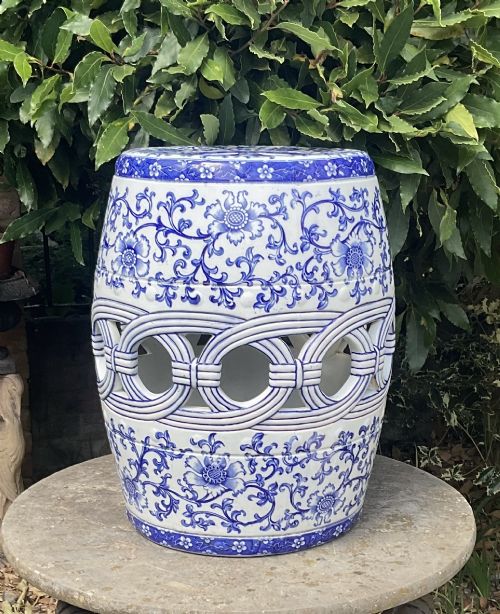
How should I display a garden seat?
Ceramic and pottery garden seats serve as versatile decorative objects both indoors and outdoors. They function well as standalone sculptural pieces, small side tables or plant stands in living spaces.
When placing these items, ensure they rest on a stable, flat surface to protect the glazed earthenware or porcelain base. Their substantial weight makes them durable additions to domestic interiors.
What is a foo dog figurine?
Foo dogs are stylized guardian lions traditionally placed outside buildings to provide spiritual protection. In pottery and porcelain form, they appear as seated figures, often with one paw resting on a brocade ball or a cub.
These sculptures showcase detailed moulding and are frequently finished in pale green, cobalt or enamel glazes. They are collected both as pairs and as individual decorative accents.