




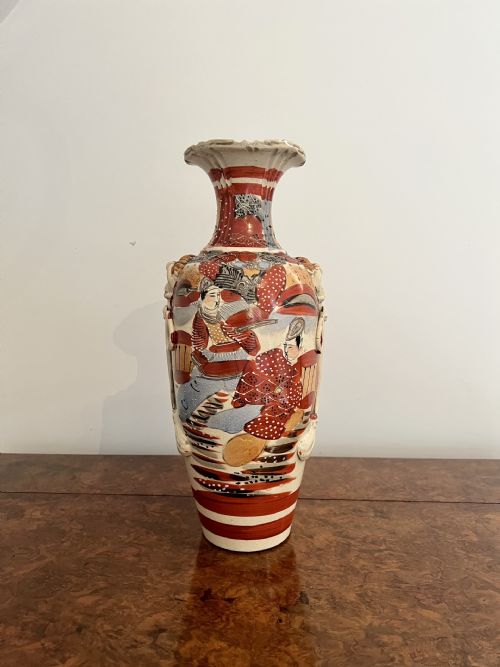
Traditional Asian Pottery
Traditional Asian pottery gathers decorative wares spanning centuries of kiln work, offering hand-painted detail and distinctive ceramic forms.
Traditional Asian Pottery
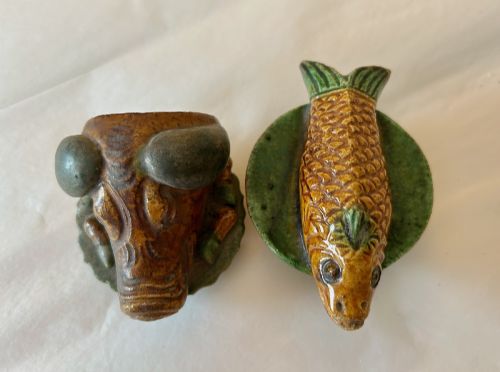
Traditional Asian pottery encompasses decorative vessels and tablewares originating from Chinese and Japanese kilns across the nineteenth and early twentieth centuries. These pieces arrive in forms such as vases, plates, teapots, and decorative bowls, reflecting regional artistic traditions.
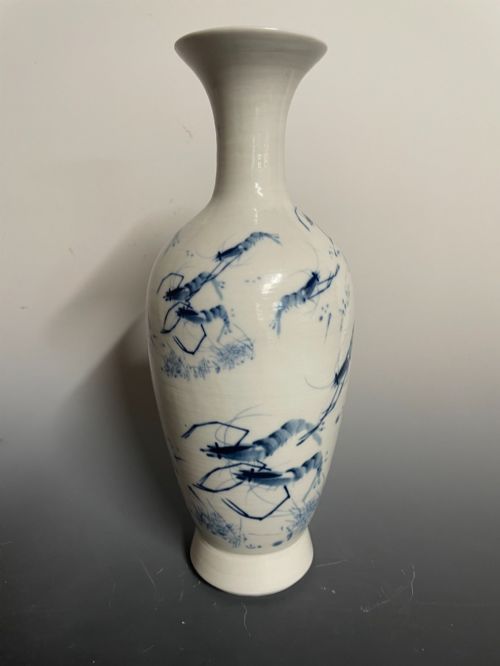
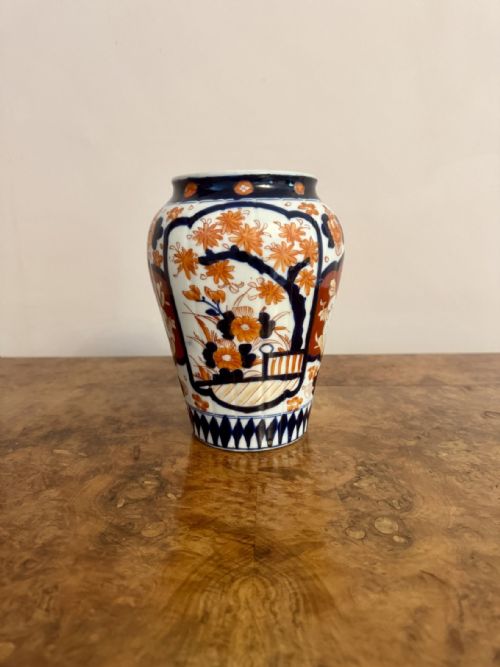
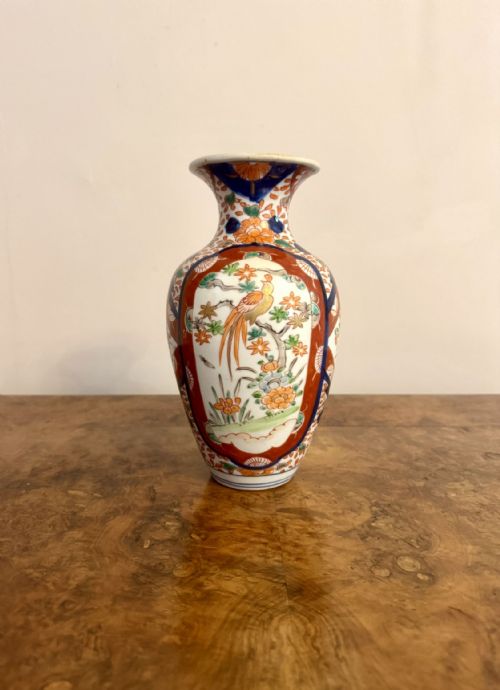
The selections available here range from blue and white porcelain bowls to hexagonal vases and large floor vessels. Buyers frequently encounter Japanese Imari wares alongside Chinese export pieces and Satsuma pottery.
Objects date from the early nineteenth century through to the mid-twentieth century, capturing shifts in decorative styles from the Qing Dynasty and Meiji period onwards. Each piece demonstrates specific regional techniques developed over generations.
Materials and construction
Potters constructed these objects primarily using porcelain and earthenware, often finishing surfaces with cobalt glaze, enamel, or gilt details. Some pieces incorporate structural elements of brass and wood, particularly in conversions such as table lamps.
Cloisonné techniques appear alongside painted cobalt designs, fusing metal wire enclosures with coloured enamel pastes upon rigid bases. Glazing methods vary from translucent finishes to deep navy blue cobalt applications fired at high temperatures.
Traditional Asian Pottery Retail Price Guide 2026
Typical asking prices for traditional asian pottery among the pieces listed under this phrase on Sellingantiques today, from the lower quarter to the upper quarter. They describe what is for sale here now, not the wider market.
Listings feature items from the 1800s to the 1950s, using porcelain, earthenware, enamel, and brass.
Understanding quality and execution
Quality in these ceramics rests upon the precision of the hand-painted decoration, the clarity of the cobalt or enamel pigments, and the stability of the clay body. Finer examples display crisp botanical or figurative motifs without blurring or pooling in the glaze.
The refinement of the potting shape, whether a double gourd silhouette or a hexagonal vase, dictates the overall balance of the object. Weight, symmetry, and the neatness of base markings further distinguish standard production wares from superior examples.
The Traditional Asian Pottery Glossary
- Imari
- A style of Japanese porcelain featuring a distinct palette of underglaze blue, iron red, and gilt highlights. These wares were widely produced for export.
- Cloisonné
- A metalwork technique where compartments are created using soldered wire and filled with enamel paste before firing. This method yields vibrant decorative surfaces.
- Double gourd
- A curvaceous vase shape resembling two stacked spheres, symbolising fortune in traditional design. Potters frequently render this form in porcelain.
- Kutani
- A style of Japanese coloured porcelain known for bold pictorial scenes and rich palette applications. Pieces often feature intricate detailing.
- Satsuma
- An earthenware pottery type with a fine crackle glaze, typically decorated with elaborate enamel and gilt motifs. Production centres in Japan.
Traditional Asian Pottery: Frequently Asked Questions
How do I date antique Asian porcelain?
Dating relies on stylistic markers, potting techniques, and base marks that correspond to specific periods like the Qing Dynasty or the Meiji era.
Examining the wear patterns on the base and the composition of the glaze provides further clues to the age of the piece.
What is the difference between Imari and Satsuma ware?
Imari pieces are hard-paste porcelains decorated primarily in underglaze blue, iron red, and gold, featuring geometric and floral patterns.
Satsuma items consist of earthenware with an ivory-coloured crackle glaze, usually painted with dense figurative scenes and heavy gilding.
How should I display large floor vases safely?
Large floor vases require stable, level placement away from high-traffic areas to prevent accidental tipping or impact.
Using a sturdy riser or positioning the vessel in a corner protects the ceramic body from structural strain.
Can antique teapots still be used for tea?
Antique teapots function primarily as decorative objects due to potential hairline fractures and historical glaze compositions.
Examine the interior for secure filtering spouts and stable material integrity before attempting any practical use.