



Vintage Chinese Accent Table
A vintage chinese accent table brings rich wood grain, intricate carving, and distinctive form into a room.
Vintage Chinese Accent Table
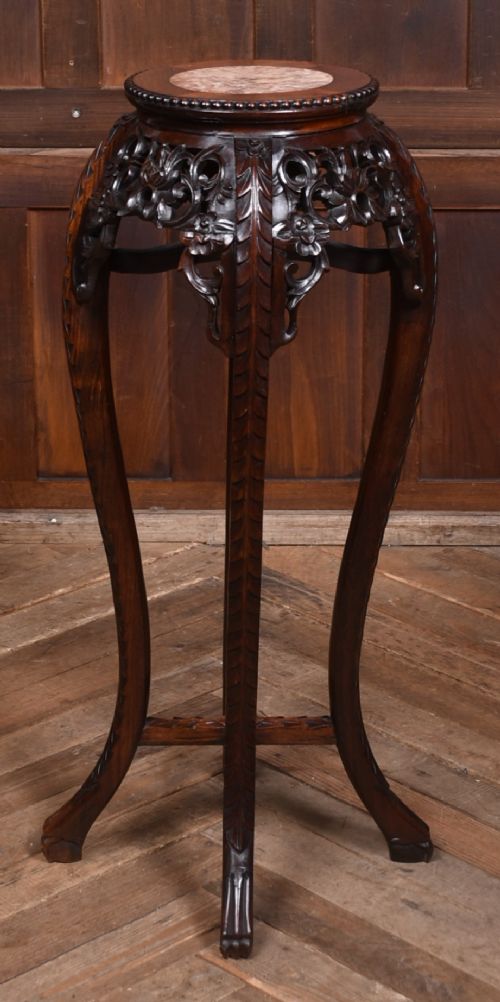
When you search for a vintage chinese accent table, you encounter diverse forms ranging from low coffee tables and plant stands to nesting sets and side tables. These pieces span the nineteenth century and the early decades of the twentieth century, reflecting varied periods including the Qing dynasty.
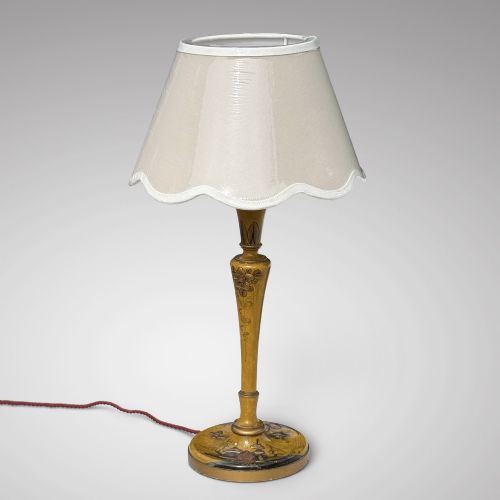
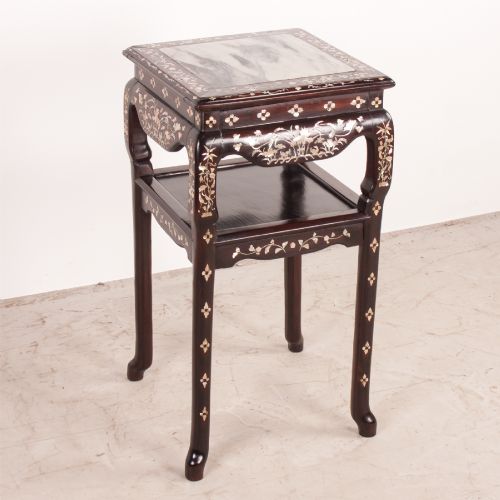
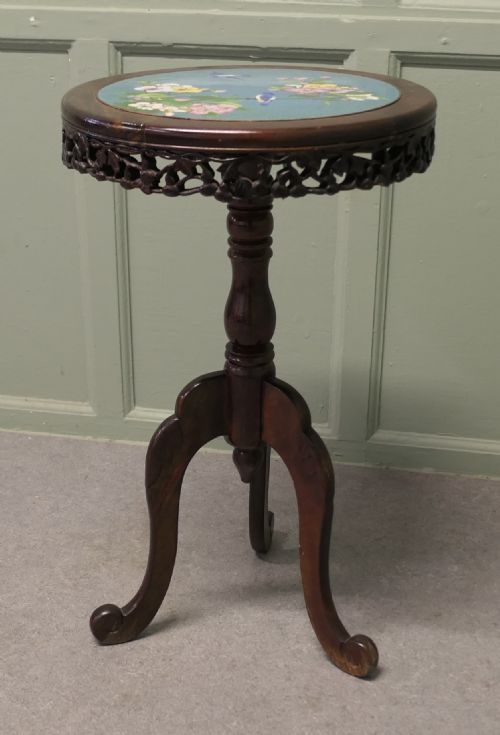
The version you most frequently meet on this page is the side table or plant stand fashioned from dense hardwood or rosewood, often featuring inset marble or carved ornamentation. Alongside these, smaller occasional pieces and occasional table lamps appear regularly in the selection.
How they were made
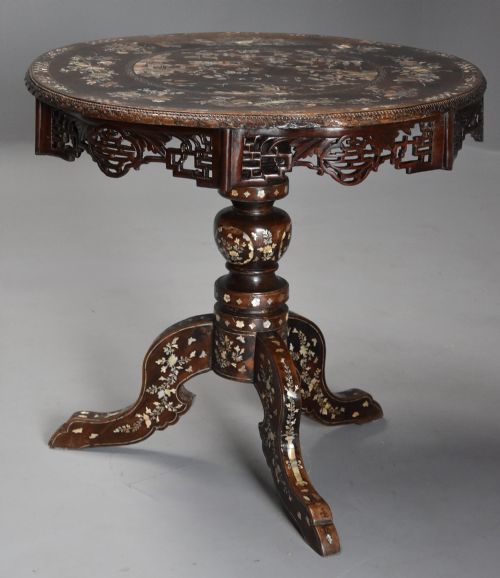
Maker workshops utilised traditional joinery alongside dense timbers like rosewood, elm, and general hardwood. Many surfaces display hand carving, while others incorporate smooth marble inserts or detailed mother of pearl inlay.
Lacquered finishes and cloisonné elements also appear across the selection, providing glossy coloured surfaces and contrasting metallic details. These varied materials were worked by hand to create durable furniture designed for daily utility.
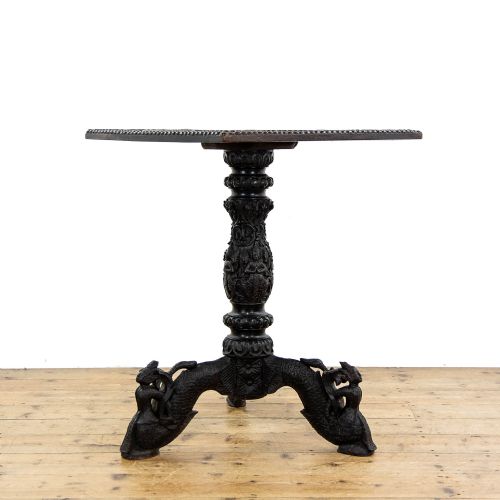
Object forms include nesting tables, wine tables, centre tables, and plant stands created in styles from Chinoiserie to Qing Dynasty.
What varies in quality
Quality depends heavily on the crispness of the hand carving and the density of the chosen timber, such as heavy rosewood versus softer general wood. Superior examples display deeply undercut motifs and tightly fitted joinery that withstands decades of use.
The integrity of secondary materials like inset marble tops or mother of pearl inlay dictates the overall calibre of the piece. Well-preserved lacquer and intact cloisonné work further distinguish finer items from simpler utilitarian furniture.
The Vintage Chinese Accent Table Glossary
- Hongmu
- A category of dense, heavy Asian hardwoods frequently used for traditional furniture and tables. This dense timber allows for sharp, enduring carved details.
- Cloisonné
- An enamelwork technique where coloured paste is applied within compartments created by soldered wire. It frequently decorates small wine tables and lamp bases.
- Chinoiserie
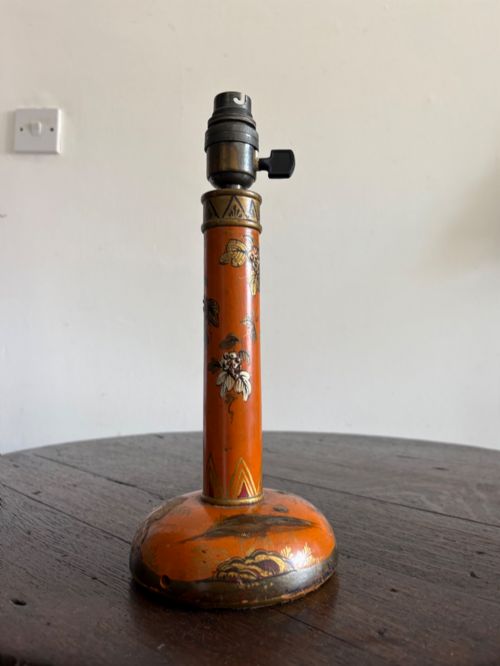
- European interpretation and imitation of Chinese artistic traditions, often expressed through lacquered finishes and painted scenes. It appears on several lamp bases and occasional tables.
- Jardiniere stand
- A tall, slender piece designed specifically to support potted plants or decorative vases. These stands often feature circular marble tops and carved aprons.
Vintage Chinese Accent Table: Frequently Asked Questions
How do I use an accent table in a small room?
A compact plant stand or a single side table adds surface area without overwhelming floor space. Nesting sets offer flexibility by expanding only when extra table space is required.
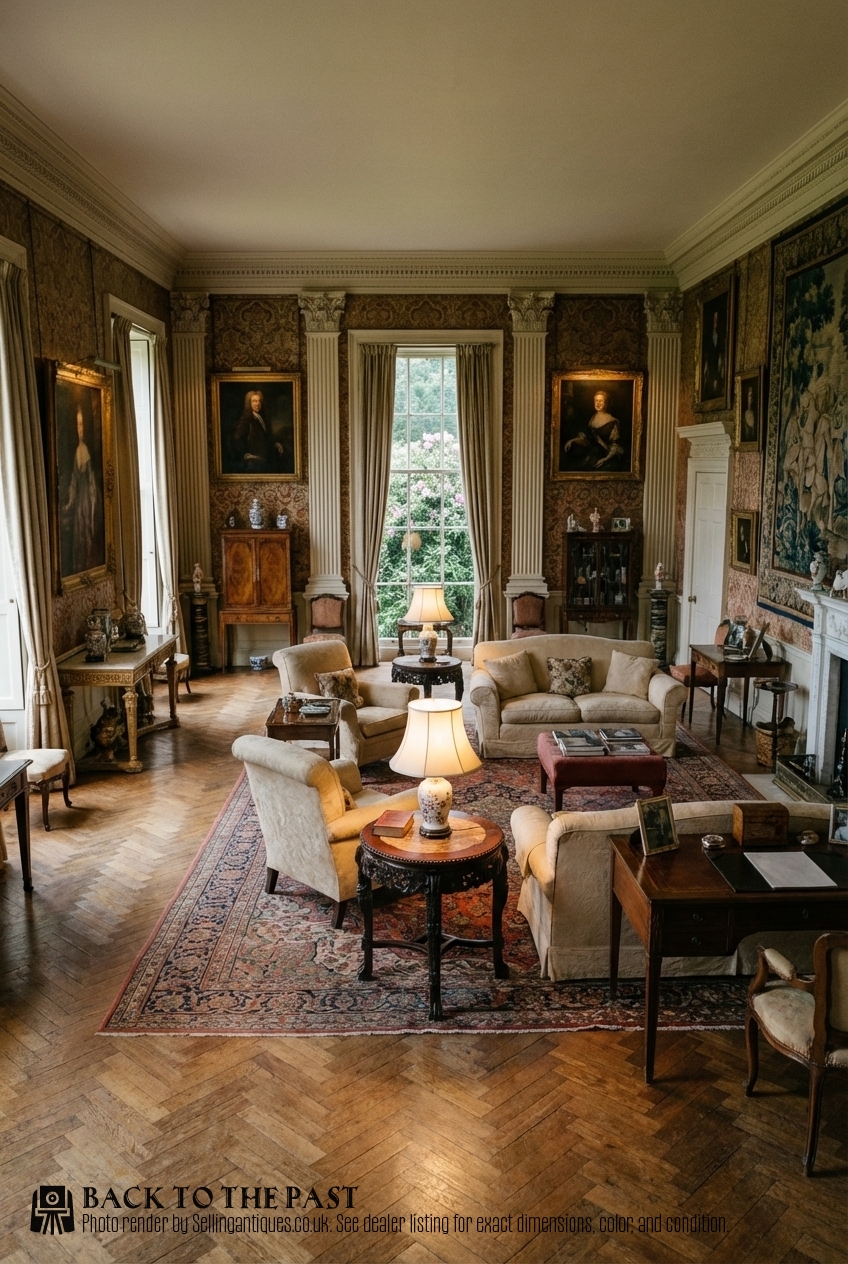
Position a low coffee table or occasional table beside seating to anchor the room's layout. The rich wood tones and carved details provide visual interest without demanding heavy clearance.
What is the difference between a plant stand and a side table?
Plant stands generally feature taller, narrower proportions with circular tops designed to elevate urns or vases. Side tables offer broader surfaces intended for general placement beside chairs or sofas.
Many plant stands incorporate inset marble surfaces to resist moisture from potted plants. Side tables focus on wooden or lacquered tops suited for holding lamps and small objects.
How do I care for antique hardwood furniture?
Maintain the wood by dusting regularly with a soft, dry cloth and avoiding excessive moisture. Keep pieces away from direct heat sources to prevent timber from splitting.
Occasional applications of appropriate wax help nourish dense hardwoods like rosewood and hongmu. Protect marble inserts from acidic liquids to preserve the polished stone surface.
How can I tell the age of these pieces?
Dating relies on material composition, construction methods, and stylistic markers associated with nineteenth and early twentieth century production. Dense rosewood construction and hand carved motifs often point toward earlier traditional craftsmanship.
Later pieces from the early decades of the twentieth century sometimes blend traditional forms with European lighting adaptations. Examining the joinery and overall wear helps establish the probable period.