



Vintage Chimney Glass
When you handle vintage chimney glass, you deal with fragile shades and cylinders designed to steady a flame.
Vintage Chimney Glass
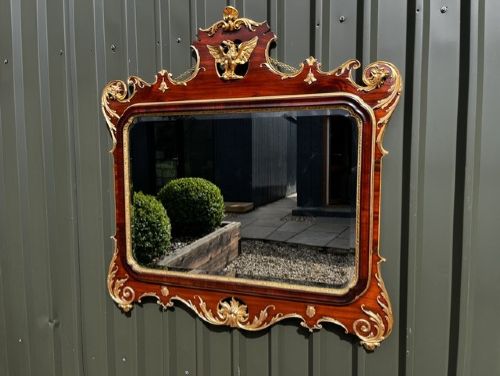
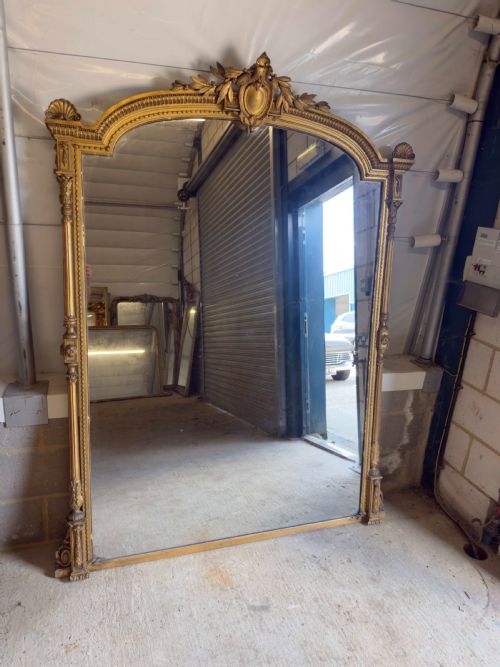
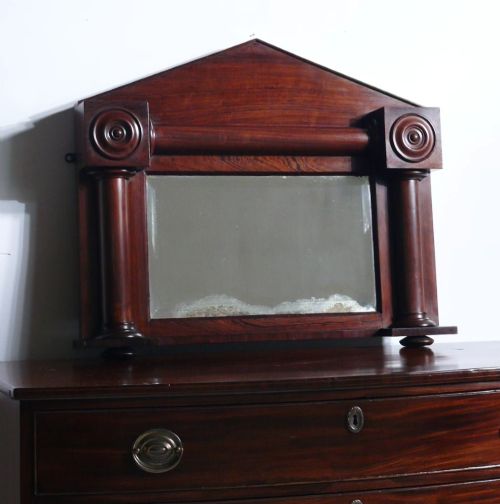
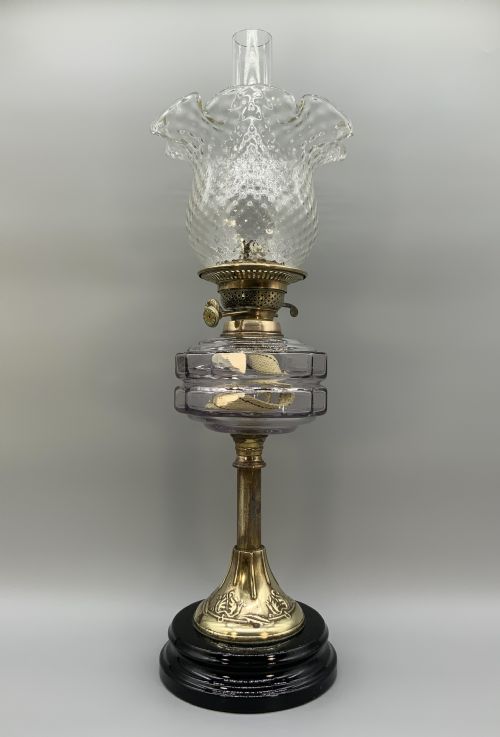
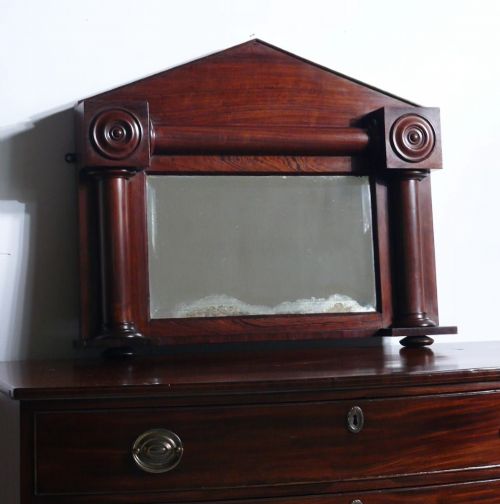
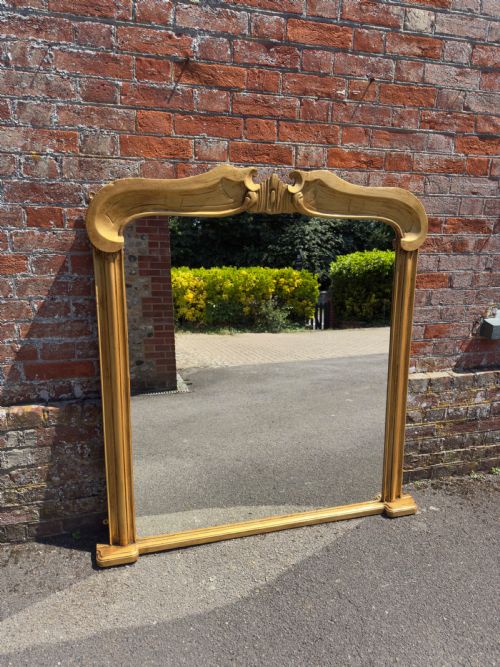
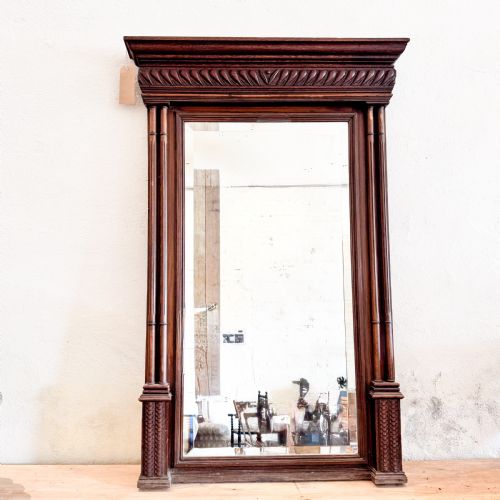
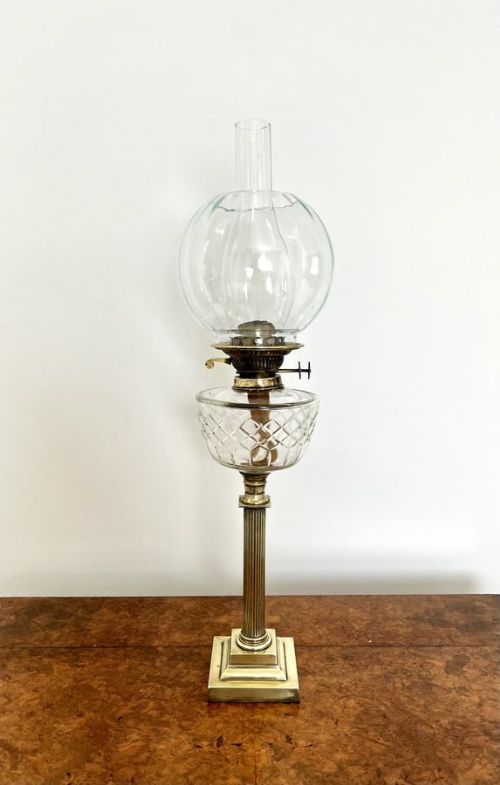
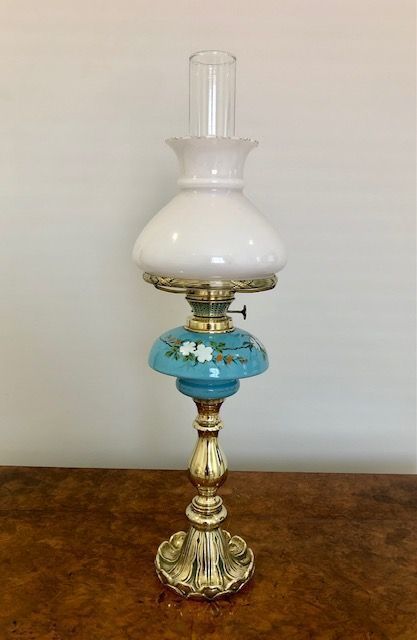
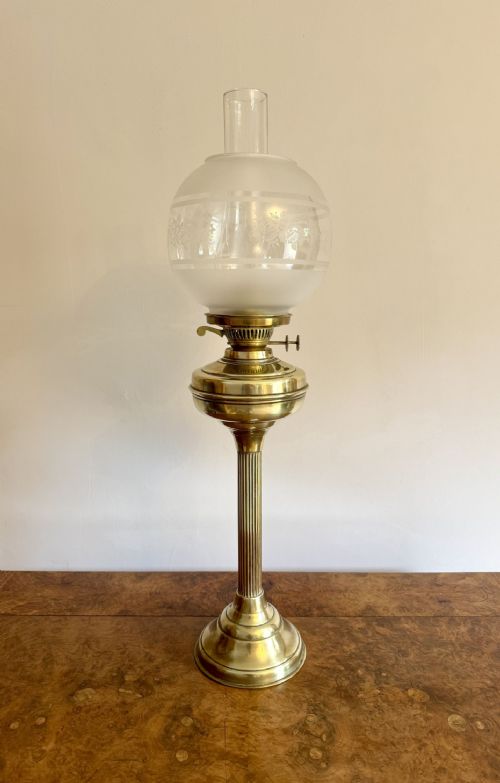
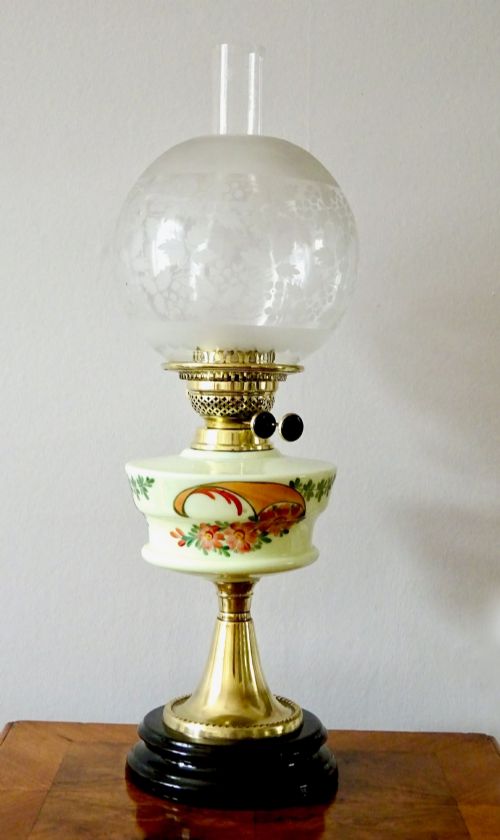
Vintage chimney glass primarily encompasses protective glass shades and cylinders associated with period lighting, though the listings here also show various mirrors and oil lamps. Buyers searching for vintage chimney glass encounter components meant to enclose flames on oil and paraffin lamps from the nineteenth and early twentieth centuries. The selection spans the Victorian and Edwardian eras, capturing functional lighting elements produced alongside decorative mirrors in wood, brass, and gesso.
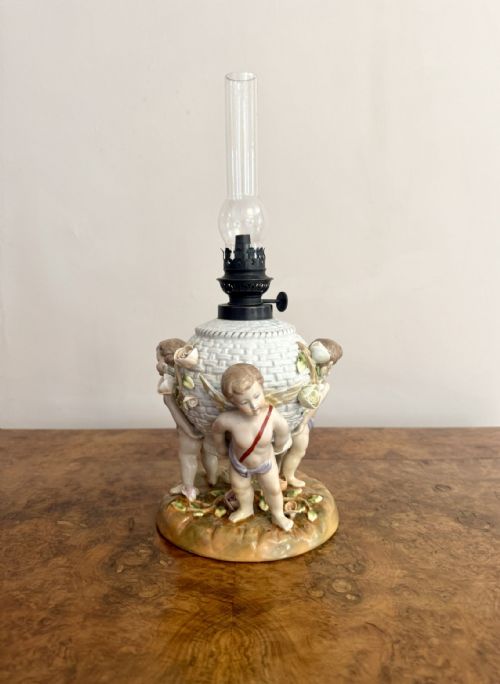
Most examples appear alongside complete brass and ceramic oil lamps, or as individual hand-blown shades designed for twin-burning table lamps. These items reflect the domestic lighting technology of the eighteen-eighties through the nineteen-tens, utilising materials like opaline and cut glass. The forms range from simple clear cylinders to shaped, tinted, and etched shades that fit standard nineteenth-century burner assemblies.
Materials and Construction
The physical construction relies heavily on hand-blown glass, often paired with brass, ceramic, or black glass bases. Makers shaped the molten glass by hand or in moulds, producing thin-walled chimneys capable of withstanding steady heat while diffusing the light from oil or paraffin burners.
Metal components such as brass collars and mounts provide structural support to the fragile glass elements. Secondary materials like opaline glass, crystal, and applied enamel or etchings demonstrate the varied finishing techniques employed by period manufacturers.
Vintage Chimney Glass Retail Price Guide 2026
Typical asking prices for vintage chimney glass among the pieces listed under this phrase on Sellingantiques today, from the lower quarter to the upper quarter. They describe what is for sale here now, not the wider market.
Listings combine nineteen-century glass chimneys and oil lamps with Edwardian brass pieces and Victorian mirrors.
Assessing Quality
Quality in these items rests on the clarity and weight of the glass, the crispness of any cut or etched decoration, and the absence of heavy internal bubbles or warping. Superior pieces exhibit even thickness throughout the cylinder and clean rims without rough factory edges.
The integration between glass shades and their corresponding brass or ceramic fittings also dictates the overall standard. Examples that retain their original hand-blown characteristics display superior craftsmanship compared to later replacement components.
The Vintage Chimney Glass Glossary
- Chimney glass
- A narrow glass cylinder placed over the wick of an oil lamp to steady the flame and improve draught. It protects the flame from drafts and directs smoke upward.
- Opaline glass
- A semi-translucent white glass popular in nineteenth-century lighting. It softens the light emitted by the burner.
- Cut glass
- Glass decorated by grinding facets or patterns into the surface using a wheel. This technique adds weight and brilliance to lamp reservoirs and shades.
- Etched glass
- Glass ornamented by applying acid to eat away portions of the surface. It creates decorative opaque patterns against clear or tinted backgrounds.
- Paraffin lamp
- A lighting device that burns liquid paraffin oil via a wick raised through a metal burner. These lamps typically require a glass chimney to function correctly.
Vintage Chimney Glass: Frequently Asked Questions
What is vintage chimney glass used for?
Vintage chimney glass serves as the protective glass cylinder placed atop an oil or paraffin lamp burner. It creates a controlled draught that steadies the flame and prevents smoke from flickering.
Collectors and restorers use original chimneys to complete period lighting fixtures from the Victorian and Edwardian eras. They ensure the lamp operates correctly while maintaining historical authenticity.
How do I date a glass chimney?
Dating chimney glass involves examining the manufacturing marks, the method of blowing, and the rim finish. Pontil marks, hand-finished rims, and slight irregularities in the glass indicate nineteenth-century production.
Standardised machine-made rims and uniform thickness point toward later twentieth-century manufacturing. Comparing the fitter size to known Victorian and Edwardian burner galleries also helps determine the age.
Are these glass shades fragile?
These glass shades are inherently fragile due to the thinness required to withstand thermal expansion from the lamp flame. Heat cycling over decades makes vintage glass sensitive to rapid temperature changes.
Handling requires care, particularly around the fitter base and the top rim where chips commonly occur. Gentle cleaning with lukewarm water preserves the glass without stressing the material.
Will old chimneys fit modern lamps?
Old chimneys can fit modern lamps if the fitter diameter matches the gallery size of the burner. Standard nineteenth-century sizes were often measured in inches to fit specific British and French burners.
Measuring the inner diameter of the lamp gallery before acquiring a chimney ensures a secure fit. Variations in nineteenth-century sizing mean exact measurements are necessary for proper seating.