



Vintage Chiming Bracket Clock
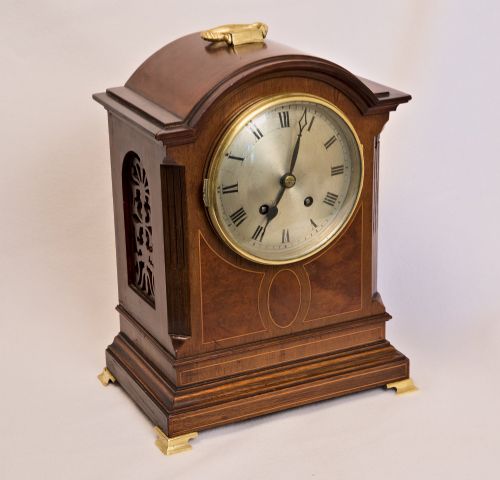
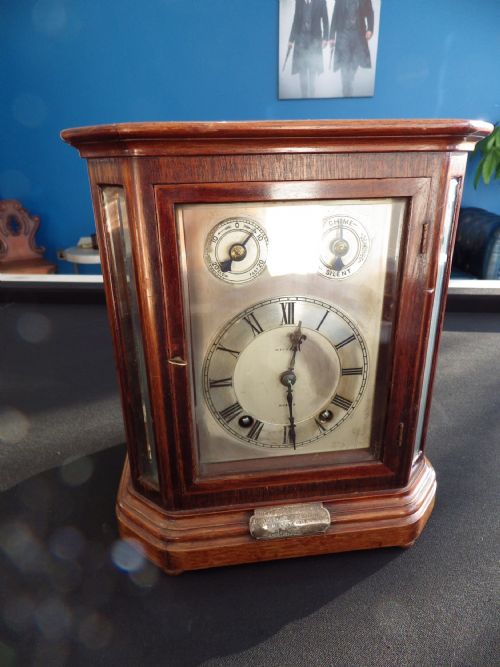
A vintage chiming bracket clock brings mechanical precision and rich timber cases into a room, marking the hours with traditional bells or gongs.
Vintage Chiming Bracket Clock
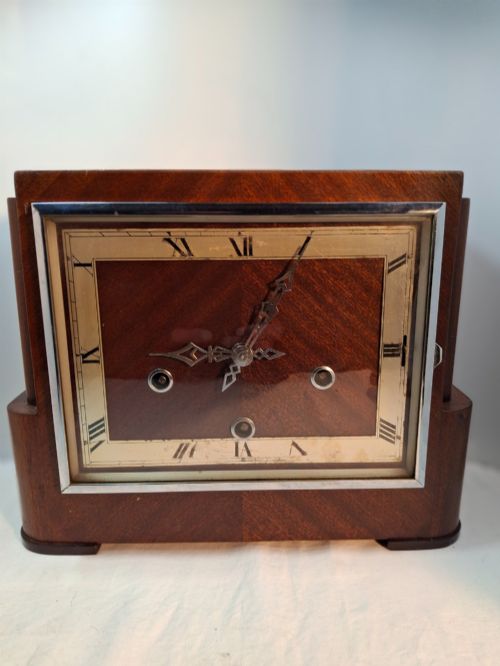
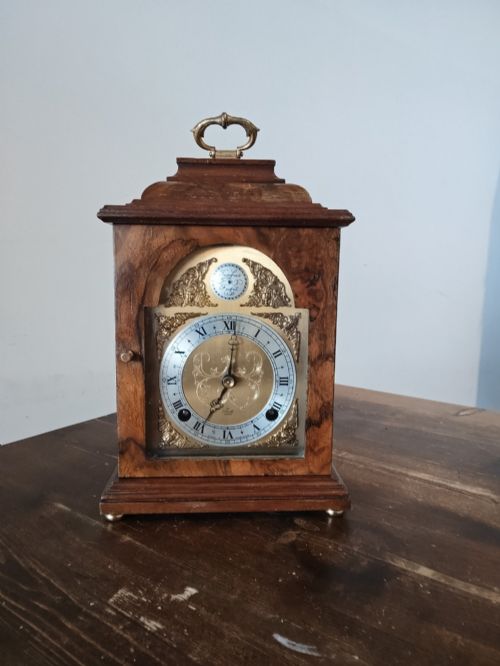
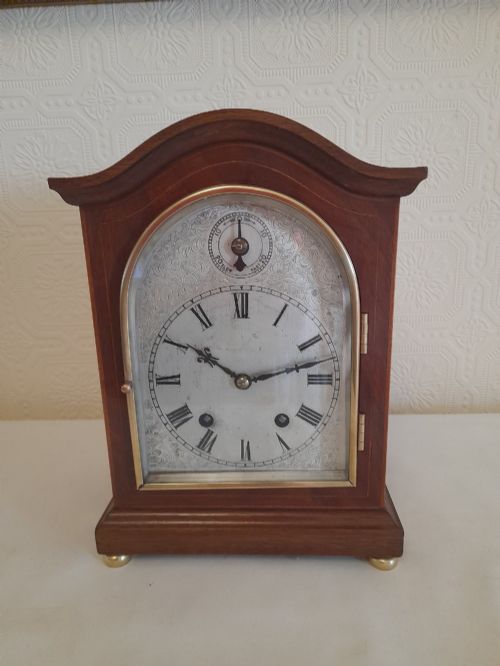
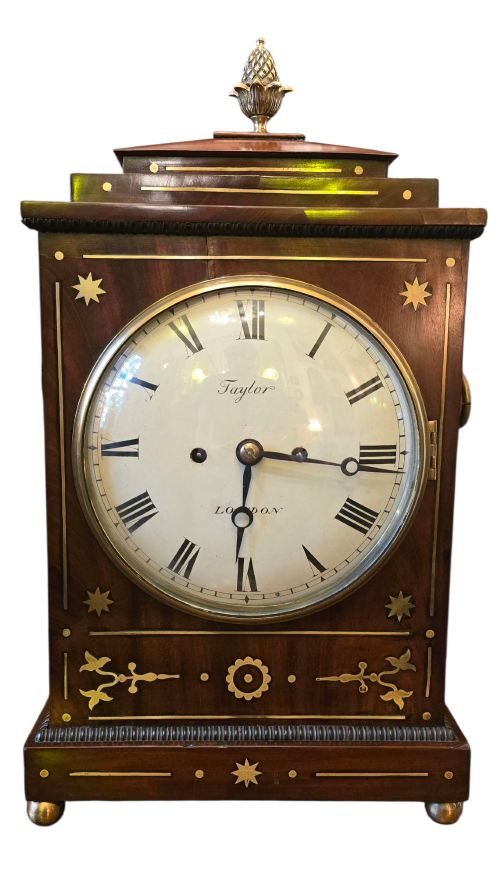
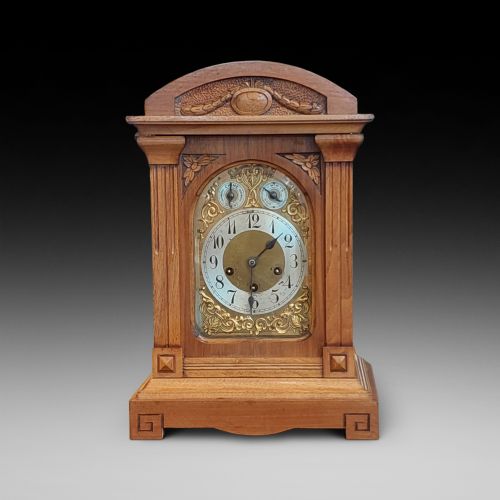
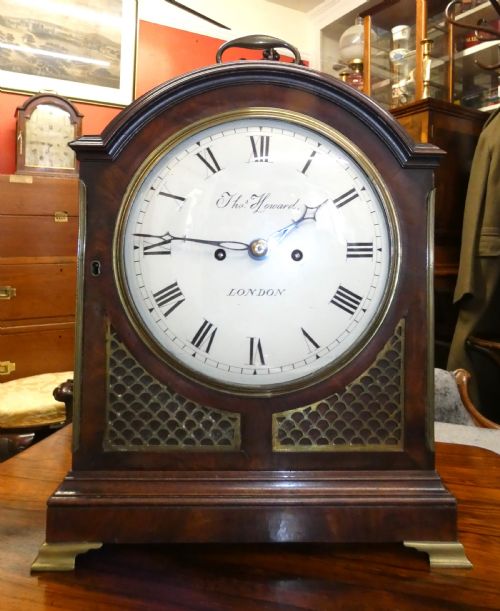
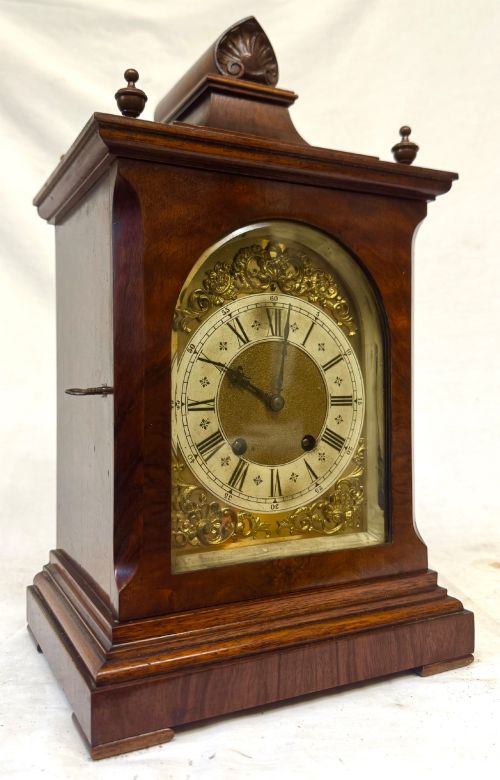
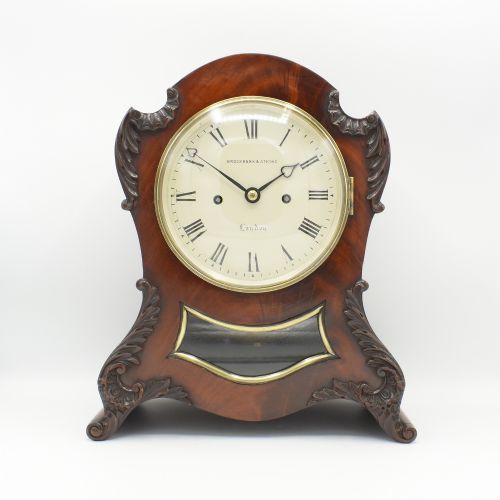
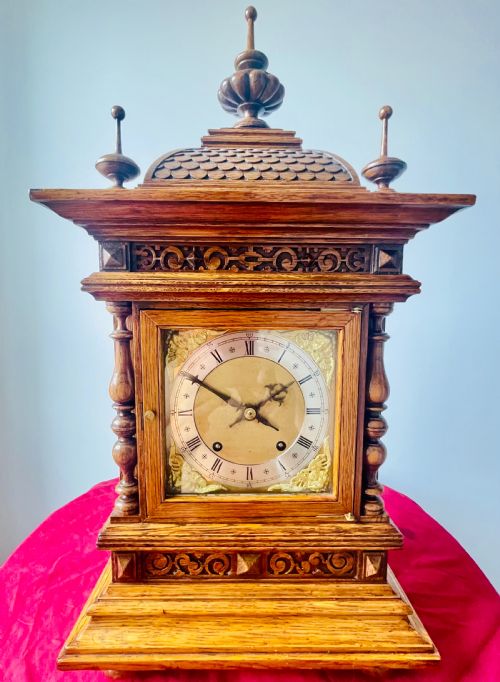
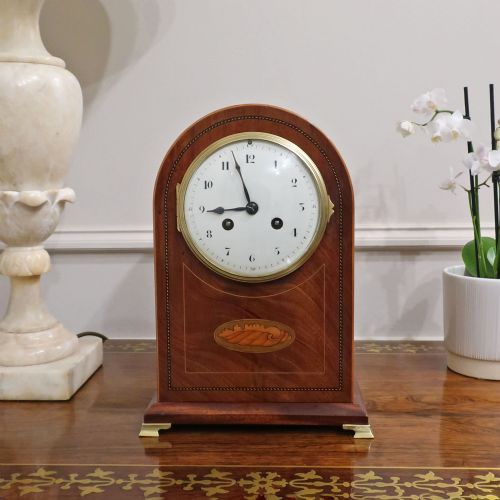
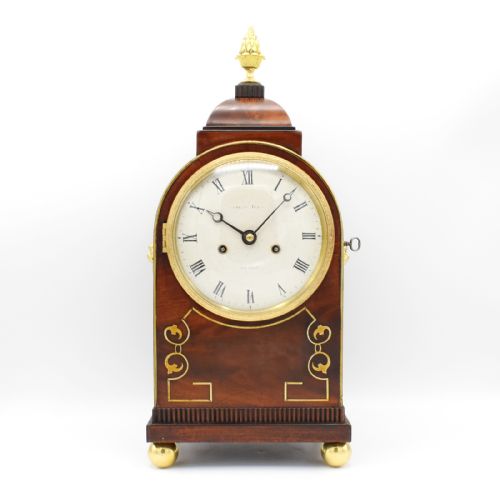
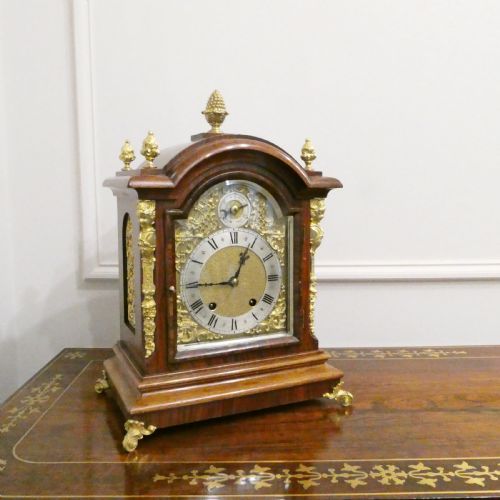
A vintage chiming bracket clock sits on a table, shelf or mantel, housed in substantial wooden cases designed to hold complex mechanical movements. The pieces on this page span the nineteenth century through the early decades of the twentieth century, taking forms such as bracket clocks, mantel clocks and table clocks.
The aesthetic of a vintage chiming bracket clock draws on diverse historical inspirations including Victorian, Edwardian, Regency, Georgian and Chinoiserie styles. Makers built these timepieces to command attention in domestic and institutional spaces, resulting in imposing proportions and careful decorative details.
Distinctions in quality
The refinement of a piece rests upon the complexity of the movement, such as double fusee systems or multiple chime trains, alongside the execution of the cabinetry. Finer examples display meticulously hand-engraved backplates and well-proportioned timber cases.
The choice of materials significantly shapes the character of the object, with burr walnut, mahogany and ornate ormolu mounts elevating the visual presence. Maker attribution also plays a role, as works from established workshops reflect higher standards of horological engineering.
Vintage Chiming Bracket Clock Retail Price Guide 2026
Typical asking prices for vintage chiming bracket clock among the pieces listed under this phrase on Sellingantiques today, from the lower quarter to the upper quarter. They describe what is for sale here now, not the wider market.
Listings feature movements ranging from simple time-only designs to complex triple-train mechanisms playing the Westminster chime.
Elliott London·Lenzkirch·Brockbanks and Atkins·Mappin and Webb·Charles Pratt London·Winterhalder and Hofmeier·Schneckenburger·Garrards·W and H·Junghans·J Condliff Liverpool·Budgen Croydon·John Taylor London
The Vintage Chiming Bracket Clock Glossary
- Bracket clock
- A portable clock originally designed to sit on a wall bracket, though later examples functioned as large mantel or table clocks. These pieces house complex striking movements.
- Fusee
- A conical pulley connected to the mainspring by a chain or cord, designed to equalise the torque as the spring unwinds. This mechanism improves timekeeping consistency.
- Ting tang
- A striking mechanism that uses two bells or gongs to sound the quarters and hours with a distinctive two-tone sequence. It offers an alternative to full melody chimes.
- Chinoiserie
- A decorative style reflecting European interpretations of Chinese art and motifs, frequently characterised by lacquered finishes and painted scenes. It appears on select clock cases.
- Double fusee
- A movement incorporating two separate fusee chains, typically one to drive the timekeeping train and another to power the striking train. This setup ensures even power delivery to both functions.
Vintage Chiming Bracket Clock: Frequently Asked Questions
What is a bracket clock?
A bracket clock is a portable timepiece traditionally built with a sturdy handle and a flat base, designed to rest upon a matching wall bracket or a tabletop. These clocks were engineered for easy relocation around a home while housing sophisticated striking movements.
Over time, the term broadened to include larger mantel and table clocks housed in substantial wooden enclosures. Their presence added both timekeeping utility and architectural dignity to nineteenth and early twentieth century rooms.
How do chiming mechanisms work?
Chiming mechanisms use a dedicated gear train separate from the timekeeping gears, releasing hammers against a series of tuned bells, rods or gongs. These sequences sound on the quarter-hours, half-hours or full hours depending on the complexity of the movement.
Systems like Westminster chimes or ting tang strikes require precise synchronisation of cams and levers within the brass plates. This mechanical choreography turns the passing of time into an audible feature of the interior.
Where should I place a heavy wooden clock?
A heavy wooden clock requires a stable, level surface such as a sturdy sideboard, mantelpiece or dedicated wall bracket anchored securely into masonry. Proper support prevents vibrations from disrupting the delicate balance of the pendulum and escapement.
Keeping the clock away from direct sunlight and sudden temperature changes protects the polished wood and delicate veneers. Correct placement ensures the mechanical movement operates reliably for years.
How do I identify the period of a clock?
Identifying the period involves examining the timber selection, dial design, case silhouette and decorative motifs against known historical styles. For instance, Regency pieces favour brass inlay and architectural forms, while Edwardian examples often feature substantial mahogany or oak proportions.
Inscribed signatures on the brass dial or engraved backplate offer direct clues to the workshop and era of production. Combining these visual markers builds a clear picture of when the timepiece was constructed.