
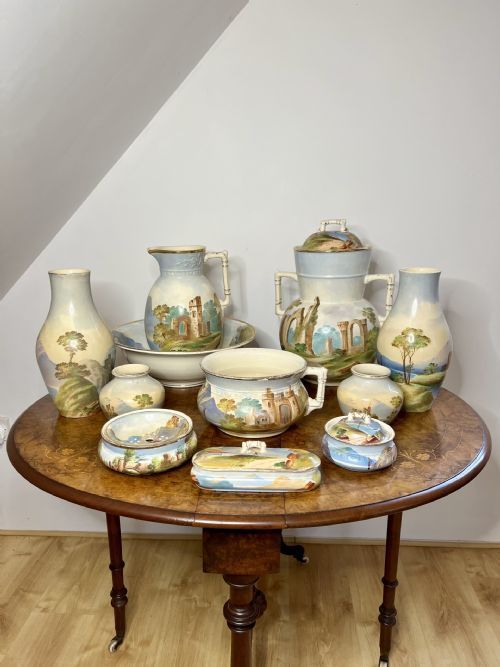


Vintage Ceramic Wash Jug
A vintage ceramic wash jug is a functional vessel of bygone domestic hygiene, sought after today for its sculptural presence and decorative charm.
Vintage Ceramic Wash Jug
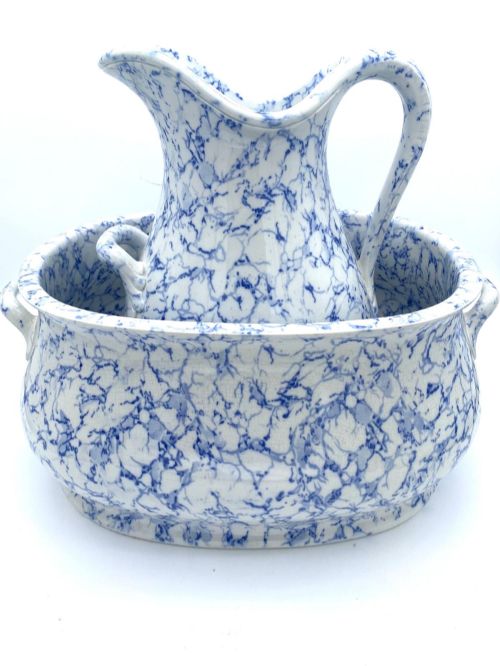
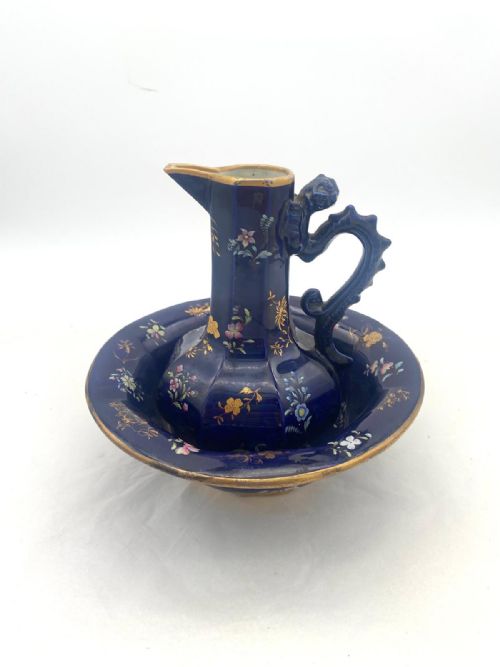
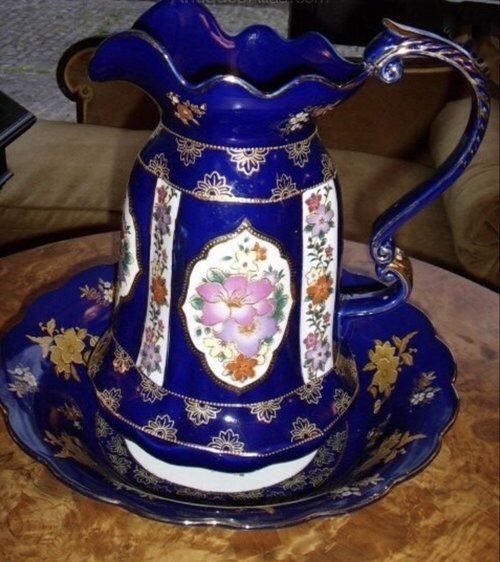
A vintage ceramic wash jug forms the centrepiece of traditional chamber sets once used for washing before indoor plumbing became universal. These pieces range from substantial Victorian ironstone and earthenware to lighter Edwardian porcelain and 1930s ceramics.
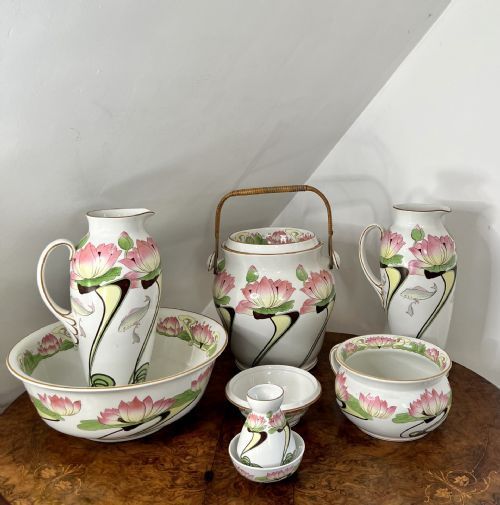
The selections available span periods from the nineteenth century through to the early twentieth century, encompassing styles such as Victorian, Edwardian, and Art Nouveau. Buyers typically encounter complete wash sets alongside individual water jugs and basins.
Forms vary from robust octagonal shapes and footbaths to flowing botanical designs and marbled patterns. Each piece reflects the domestic habits and ceramic artistry of its specific decade.
Materials and manufacture
Potters utilised earthenware, ironstone, and porcelain as the primary body materials for these vessels, shaping them to withstand daily use. Ironstone provided a particularly dense and durable substrate suited to heavy washstand duty.
Surfaces received decorative treatments including cobalt blue glaze, enamel, and occasional gold leaf accents. Flow blue techniques and transfer printing allowed intricate floral and marble patterns to be applied before firing.
Listings feature periods spanning from the early nineteenth century through the 1930s, utilising earthenware, ironstone, and porcelain.
Assessing quality and execution
Superior examples display crispness in moulded details and precision in transfer-printed patterns without blurring or smudging. The weight and balance of the handle relative to the body indicate the maker's skill.
Quality also shows in the depth and richness of the glaze, particularly in cobalt blue and multi-coloured enamel applications. Maker identification marks stamped into the ceramic base further distinguish superior production.
Minton·Masons Ironstone·Doulton Burslem·mark Jones & Sons·Shelley·Spode
The Vintage Ceramic Wash Jug Glossary
- Ironstone
- A patented ceramic body developed in the nineteenth century that offers high durability and a stone-like strength. It became the material of choice for heavy-use domestic wares.
- Flow blue
- A cobalt printing style where the colour intentionally bled slightly into the white glaze during firing. This technique created a soft, misty aesthetic popular in nineteenth-century ceramics.
- Chinoiserie
- A decorative style reflecting European interpretations of Chinese artistic traditions. It frequently appears in transfer-printed patterns on wash jugs and basins.
- Earthenware
- A porous pottery body fired at lower temperatures than porcelain. It requires a complete glaze to become impermeable to water.
Vintage Ceramic Wash Jug: Frequently Asked Questions
How were wash jugs originally used?
These jugs served as the primary source of water for morning and evening washing routines in bedrooms before plumbed bathrooms existed. They sat alongside matching basins on dedicated wooden washstands.
Water was heated downstairs and carried up in the jug, then poured into the basin for washing hands and face.
How do I date a ceramic wash jug?
Dating relies on a combination of ceramic body type, decorative style, and maker marks stamped underneath the base. Victorian pieces often feature heavy ironstone and transfer-printed patterns, while Edwardian versions lean towards lighter porcelain.
Art Nouveau examples introduce distinct flowing organic motifs characteristic of the turn of the twentieth century.
Can I use these jugs for fresh flowers?
Most vintage ceramic wash jugs hold water adequately and make striking vessels for large floral arrangements. Their generous proportions and sturdy handles suit tall stems and heavy branches.
Care should be taken with older, unglazed interior cracks or delicate antique earthenware when filling them with water.
What is the difference between a wash set and a water jug?
A complete wash set typically includes a large water jug and basin, and often smaller matching accessories such as soap dishes and chamber pots. A water jug is simply the individual pouring vessel.
Finding a matched set intact remains less common than encountering solitary jugs.