


Vintage Ceramic Jug
A vintage ceramic jug brings tactile warmth to a room, holding fresh stems or standing alone as a piece of functional history.
Vintage Ceramic Jug
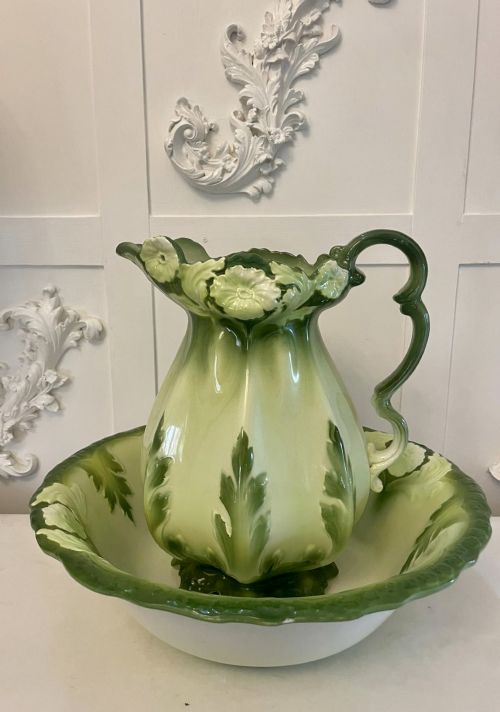
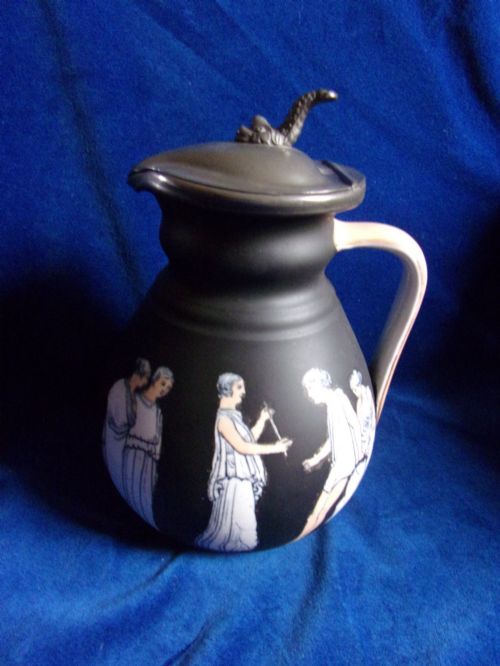
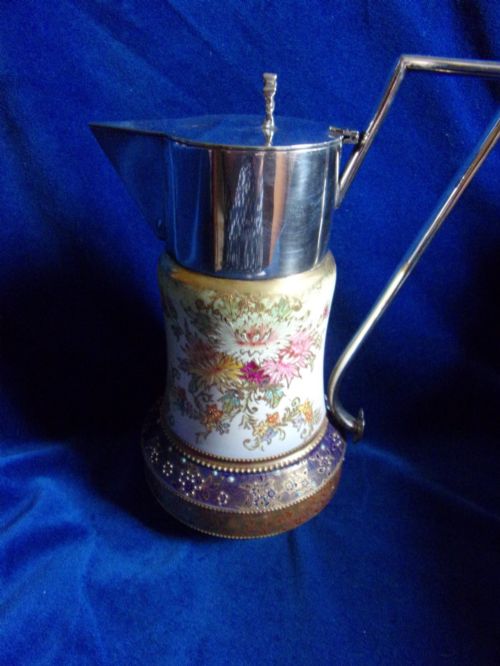
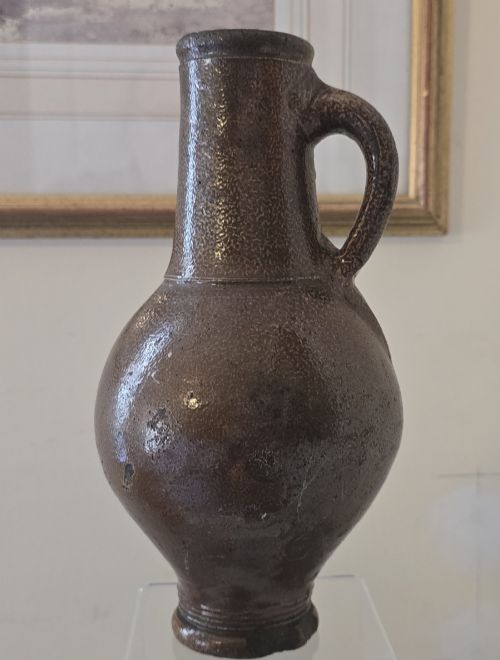
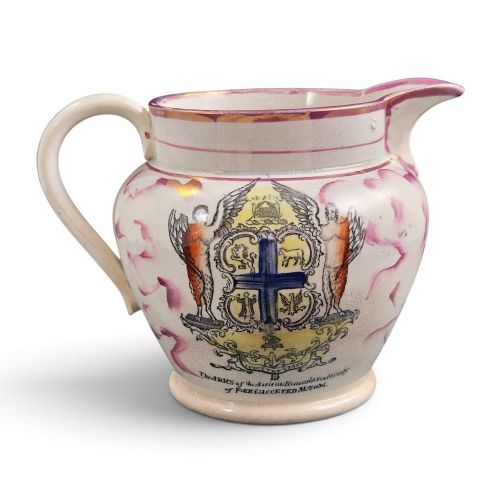
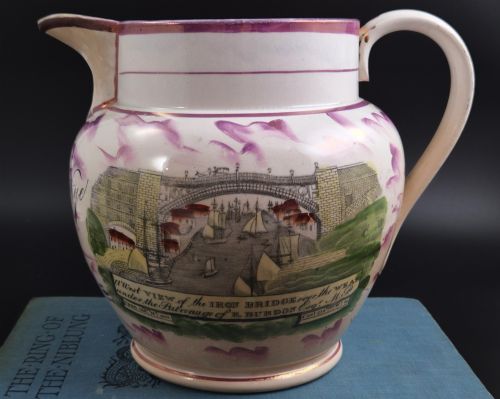
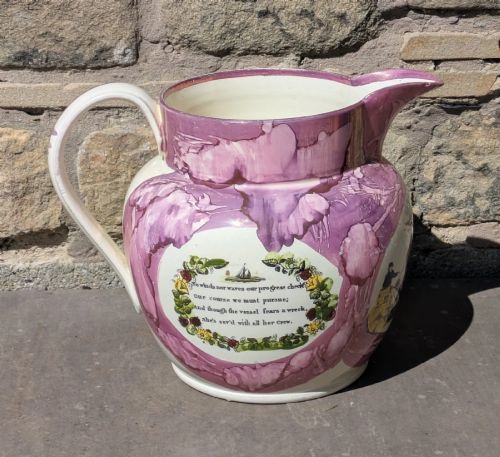
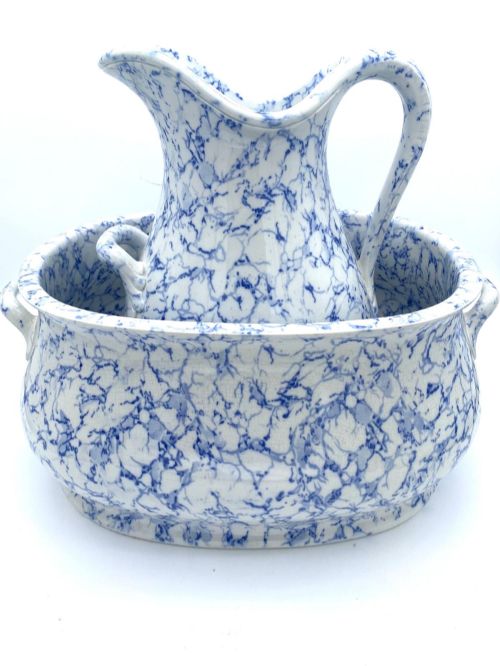
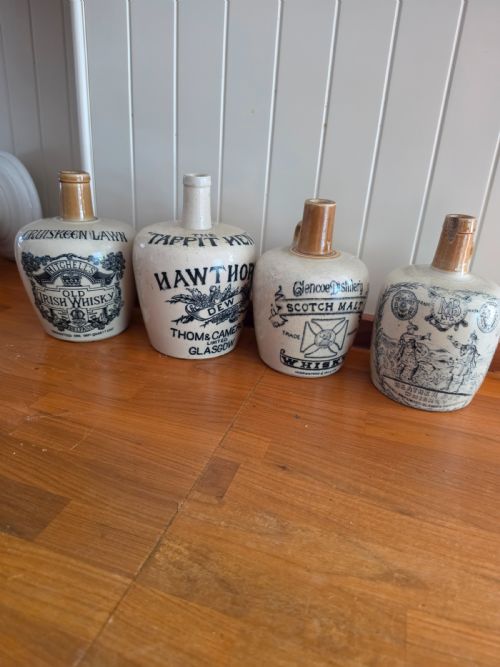
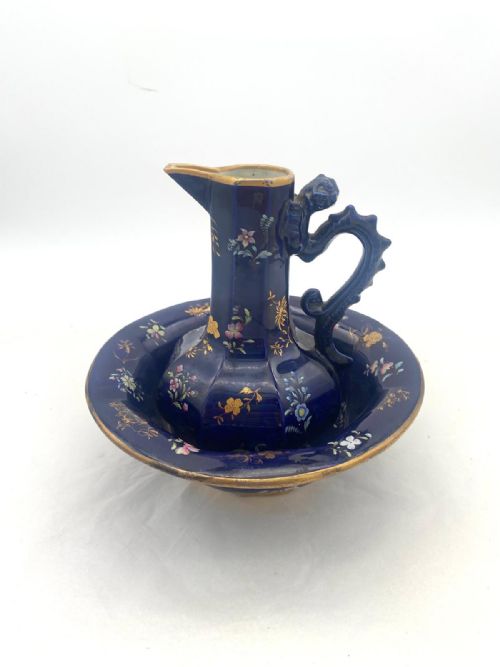
A vintage ceramic jug encompasses utilitarian vessels, decorative pitchers, and figural Toby jugs spanning the Georgian, Victorian, and Edwardian eras. Buyers searching for a vintage ceramic jug will encounter pieces ranging from large maritime lustreware to modest stoneware flasks and wash sets.
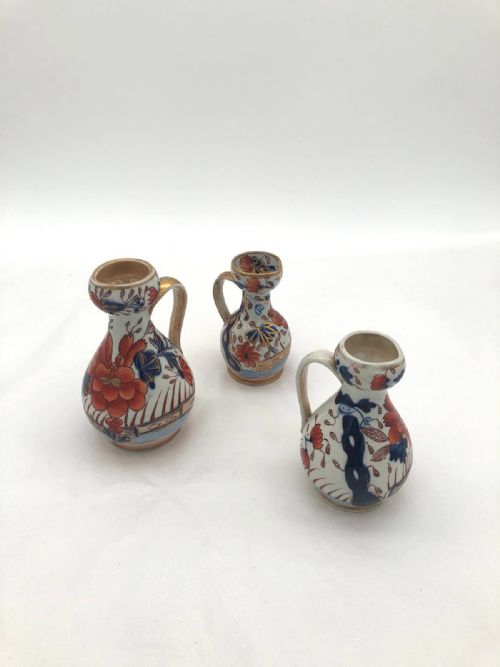
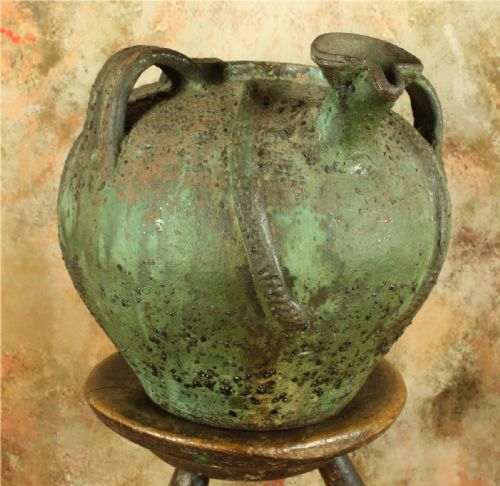
The selection includes transfer-printed ironstone, slipware, and majolica examples produced across English potteries and continental workshops. These domestic containers served roles from pouring ale and milk to furnishing washstands and pharmacy shelves.
How they were made
Potters shaped earthenware, ironstone, and stoneware by hand or mould, applying glazes such as salt glaze, tin glaze, and coloured enamel before kiln firing. Stoneware flasks and heavy jugs relied on dense, vitrified clay bodies fired at high temperatures for durability.
Decoration involved hand-painting, transfer printing in transfer colours like magenta or flow blue, and lustring techniques that imparted metallic sheens. Potters added applied handle details, moulded reliefs, and distinct pouring lips suited to the intended contents.
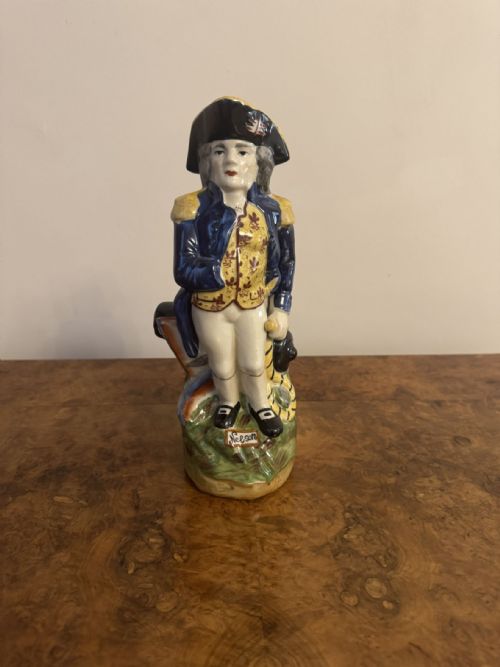
A nineteenth-century Toby jug depicts Lord Nelson ready to pour a pint, proving patriotism and heavy drinking make cheerful pottery.
What varies in quality
The standard of a piece rests upon the crispness of the moulded detail and the execution of the hand-painted or transfer-printed decoration. Superior examples display clear alignment in multi-colour patterns and an even, well-adhered glaze free from excessive kiln flaws.
Artistic ambition also sets items apart, distinguishing standard utilitarian containers from heavily embellished exhibition pieces or signed factory works. The complexity of the handle construction, the depth of the relief work, and the preservation of lustre surfaces dictate the standing of each vessel.
Minton·Mason's Ironstone·Wedgwood·Royal Doulton·Doulton Lambeth·Leeds Pottery
The Vintage Ceramic Jug Glossary
- Ironstone
- A dense, durable type of pottery patented in the nineteenth century to rival porcelain. It provided a sturdy surface for vibrant transfer prints.
- Lustreware
- Pottery coated with a metallic glaze that creates an iridescent sheen. Pink and copper versions were popular on nineteenth-century maritime pieces.
- Toby jug
- A pottery jug shaped as a seated, full-figured person, typically wearing eighteenth-century attire. These figural pieces often depicted historical figures or local characters.
- Slipware
- Pottery decorated with slip, a liquid clay mixture applied to the wet body before firing. It creates smooth, contrasting linear patterns on the surface.
- Majolica
- Low-fired earthenware covered with an opaque tin glaze and painted with coloured metal oxides. It produced rich polychrome tones on nineteenth-century vessels.
Vintage Ceramic Jug: Frequently Asked Questions
Were these jugs used for everyday dining?
Many earthenware and ironstone examples served practical functions on dining tables and in kitchens, holding milk, water, or ale. Larger vessels accommodated washing routines or stored provisions.
Finer decorative items and figural Toby jugs spent more time on mantelpieces or displayed within cabinets than on heavy kitchen tables.
How can I tell a Victorian jug from a Georgian one?
Georgian pieces often display restrained neoclassical creamware bodies or hand-painted pearlware designs. Victorian equivalents lean towards heavier ironstone, vibrant transfer prints, and more ornate moulded reliefs.
Examining the glaze type and the registration marks on the base helps narrow down the production decade.
Can I use these old jugs to hold fresh flowers?
Sturdier ironstone and glazed stoneware jugs hold water safely for floral arrangements. Inspect the interior for secure glaze coverage before filling.
Porous earthenware or pieces with repaired cracks are better kept dry to protect the historic clay body from moisture damage.