


Vintage Cased Silverware
Vintage cased silverware offers fitted sets of precious metal tableware housed in custom presentation boxes designed for safe storage and elegant dining.
Vintage Cased Silverware
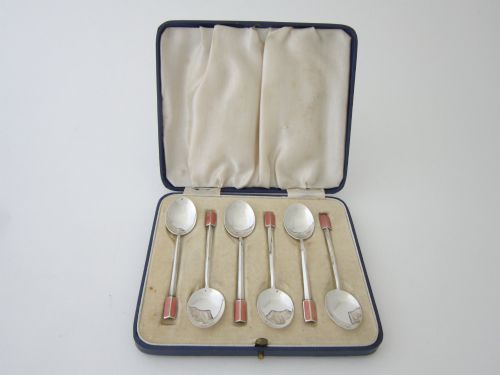
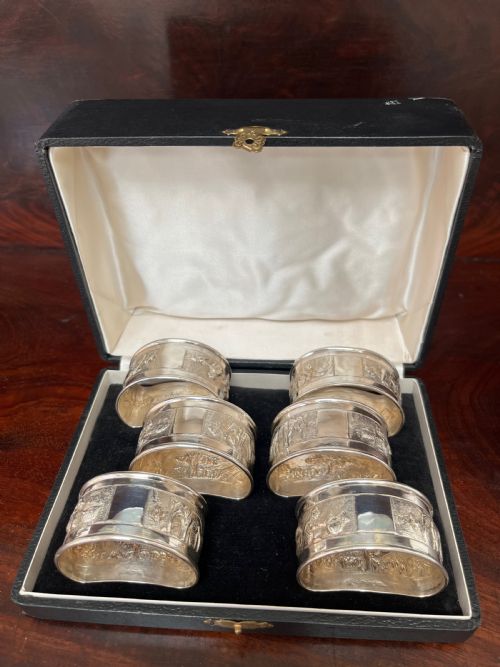
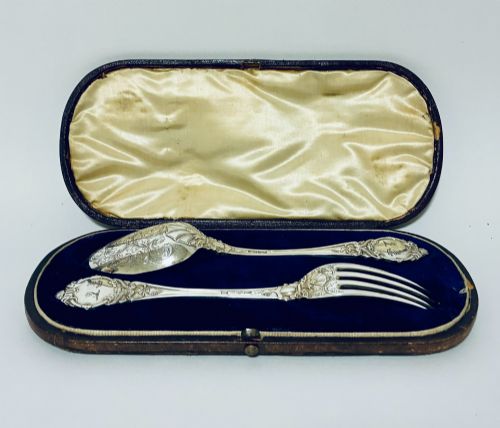
Vintage cased silverware comprises complete sets of cutlery, spoons, napkin rings, and serving pieces arranged within fitted protective boxes. These ensembles span periods from the Victorian era through the Edwardian years and into the Art Deco decades of the twentieth century.
The objects themselves range from utilitarian butter knives and coffee spoons to decorative card cases, cigarette cases, and grape scissors. Most examples encountered here reflect formal dining customs and gifting traditions of the nineteenth and twentieth centuries.
How they were made
Silversmiths shaped sterling silver and silver-gilt using traditional hammering, casting, and piercing techniques to create durable tableware and small personal items. Many twentieth-century pieces incorporate vitreous enamel applied in geometric patterns or vibrant colours across the metal surface.
The protective cases utilise robust structural materials such as wood or stiff card, covered in exterior layers of leather, leatherette, or textured cloth. Interior compartments are meticulously lined with fitted elements of silk and velvet to cradle each individual silver piece securely.
Listings span periods from the mid-nineteenth century through the Art Deco era, featuring materials like sterling silver, velvet, silk, and enamel.
What varies in quality
The standard of execution in the metalwork sets finer pieces apart, visible in crisp chasing, balanced weight, and the careful application of enamel. Superior examples maintain intact gilding and unblemished metal surfaces that show minimal wear from polishing.
The integrity and preservation of the presentation case also determine overall quality, particularly the retention of original silk or velvet linings and functional hinges. Sets that retain their original fitted boxes without replacement components command greater interest among collectors.
LIBERTY & CO·Waring & Gillows·Robert Stebbings
The Vintage Cased Silverware Glossary
- Sterling silver
- A silver alloy containing 92.5 percent pure silver and 7.5 percent other metals, usually copper, to increase durability. This standard is fundamental to British and international silver manufacturing.
- Silver-gilt
- Silver objects that have been coated with a thin layer of gold on the surface. This technique provides the rich appearance of solid gold while utilising silver as the structural base.
- Vitreous enamel
- A material made by fusing powdered glass to a substrate by firing, usually at high temperatures. It creates a smooth, durable, and brightly coloured decorative coating on metal.
- Leatherette
- A form of artificial leather used as a substitute for genuine leather in covering protective cases. It provides a durable and uniform exterior finish for twentieth-century presentation boxes.
- Campaign cutlery
- Portable dining implements designed for travel, military use, or outdoor dining. These sets are engineered to pack compactly into specialised fitted cases.
Vintage Cased Silverware: Frequently Asked Questions
What is vintage cased silverware used for?
These fitted sets were historically utilised for formal dining, tea service, and special occasions such as christenings or weddings. They provided a secure method for storing delicate utensils when not in use.
Today, collectors use them both for display and for traditional dining purposes, appreciating the completeness of the original service and its protective housing.
How do I care for cased silverware?
Maintenance involves gentle cleaning of the silver using appropriate non-abrasive polishes to preserve hallmarks and delicate details. Enamelled pieces require particular care to avoid harsh chemical exposure.
The storage cases should be kept in stable environmental conditions away from excessive moisture and direct sunlight to protect the fragile interior textiles and exterior leather coverings.
How do I identify the period of a set?
Dating relies on examining the style of the silverware, such as the distinct geometric motifs of Art Deco or the ornate detailing of Victorian design. Hallmarks stamped into the metal provide definitive manufacturing dates and maker marks.
The construction materials and style of the outer presentation case also offer strong chronological indicators for the entire ensemble.
Are these sets complete?
Many surviving sets retain their original complement of spoons, knives, or other utensils, though occasional losses occur over decades of use. The presence of fitted slots in the velvet or silk lining immediately reveals if any pieces are missing.
Collectors assess completeness by checking whether all items match in style, maker, and period of manufacture.