
Vintage Carved Wood
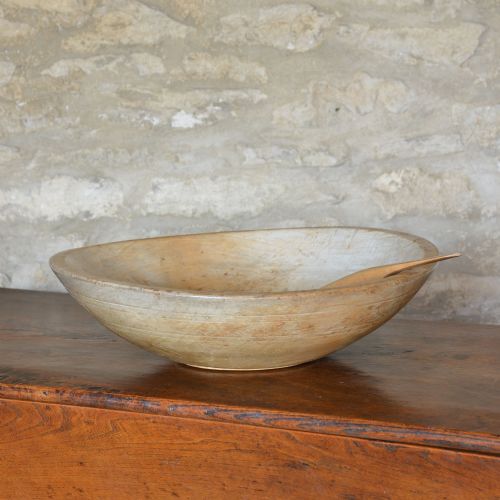
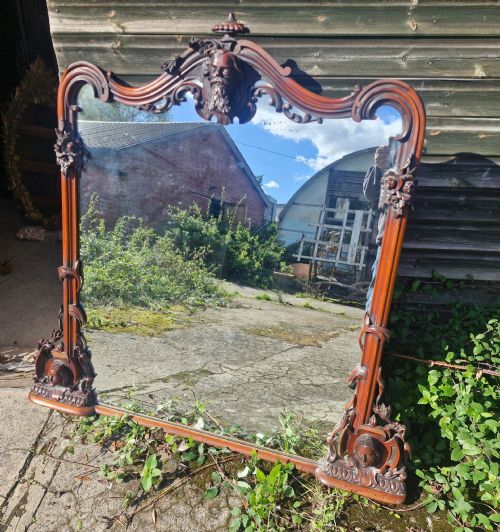
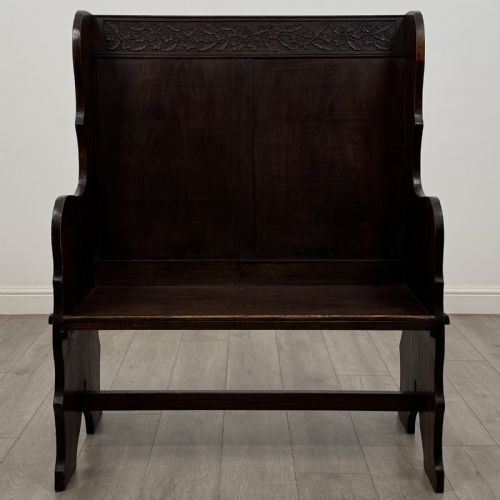
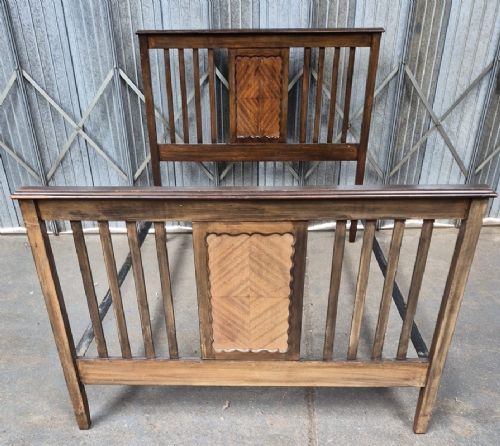
Vintage carved wood brings rich texture and enduring craftsmanship into a room through decorative objects, mirrors, and furniture crafted across the nineteenth and twentieth centuries.
Vintage Carved Wood
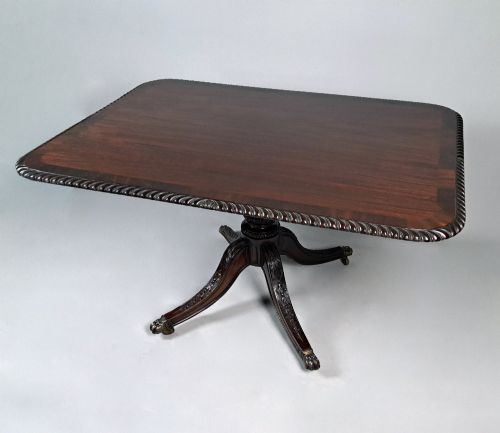
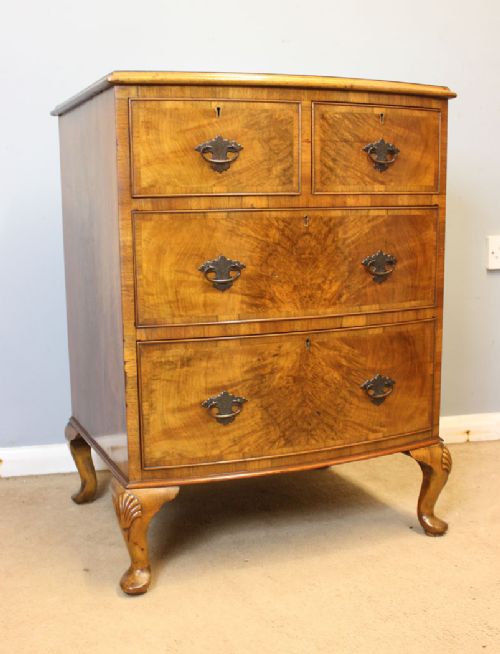
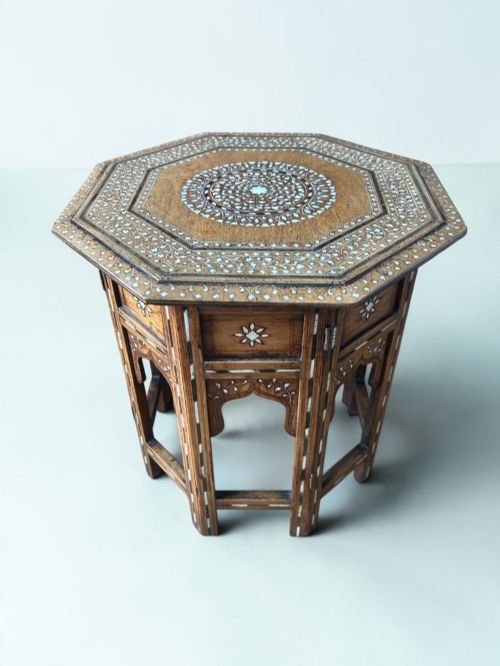
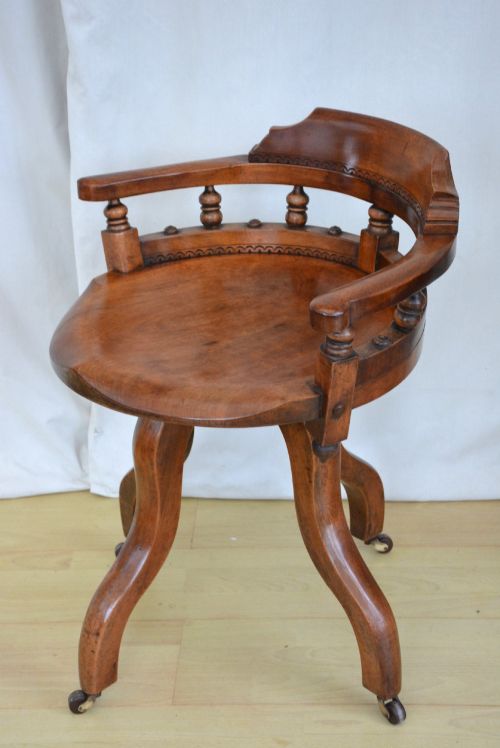
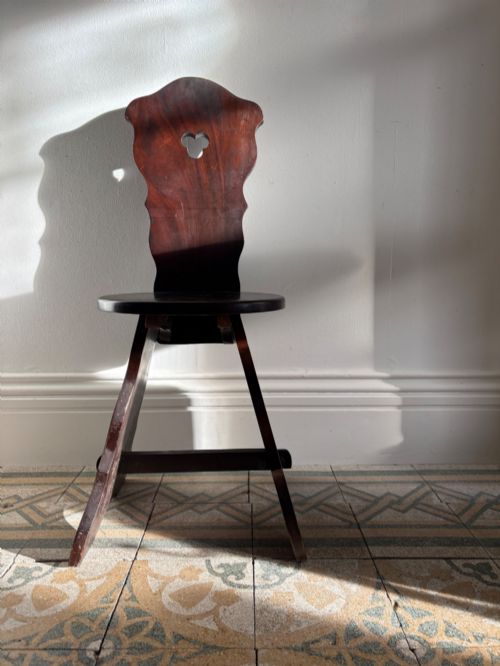
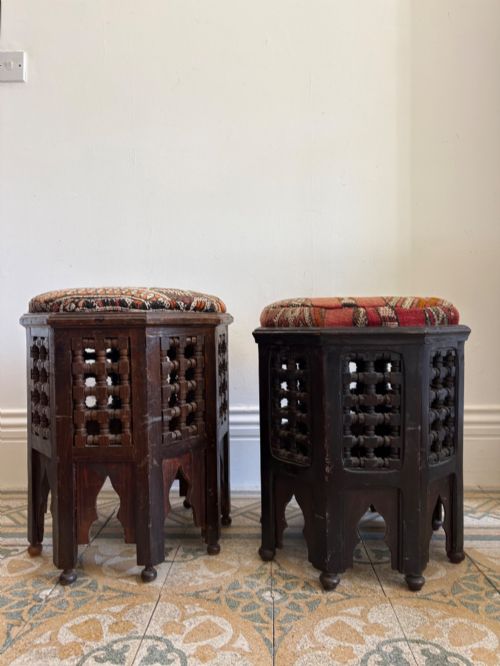
Vintage carved wood encompasses a broad array of decorative objects, mirrors, and furniture items shaped by hand and machine across the nineteenth and twentieth centuries. When exploring vintage carved wood, buyers frequently encounter practical household forms such as side tables, wall mirrors, and dining chairs alongside decorative pieces like jewellery boxes and decoy ducks.
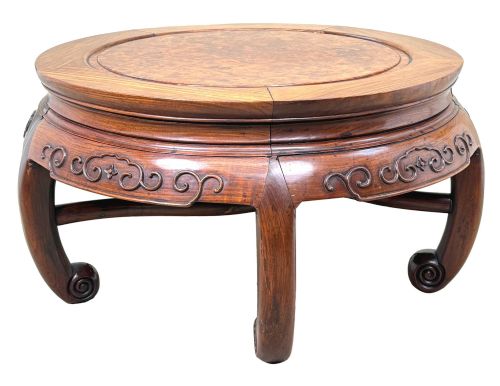
The selection spans numerous stylistic traditions, ranging from the ornate curves of Rococo Revival and French giltwood mirrors to the functional simplicity of Arts and Crafts oak sideboards and plant stands. Pieces originate from diverse geographic workshops, including English oak items, French mahogany and walnut furnishings, and Anglo-Indian rosewood tables.
Dated examples typically anchor themselves within the Victorian, Edwardian, and early twentieth-century eras, reflecting the shifting domestic tastes and interior requirements of those periods. Whether selecting an imposing bookcase, a small pedestal stand, or a novelty cribbage box, collectors find items that merge utilitarian function with detailed sculptural relief.
Materials and construction methods
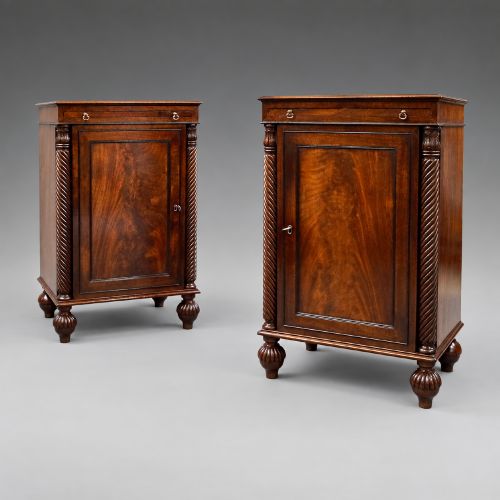
Makers utilised a variety of dense hardwoods, predominantly oak, mahogany, walnut, and elm, selecting each timber for its grain pattern and structural suitability. Oak and mahogany provide the robust framework necessary for substantial sideboards, bookcases, and dining chairs, while softer maple and exotic rosewood suit smaller occasional tables and decorative accessories.
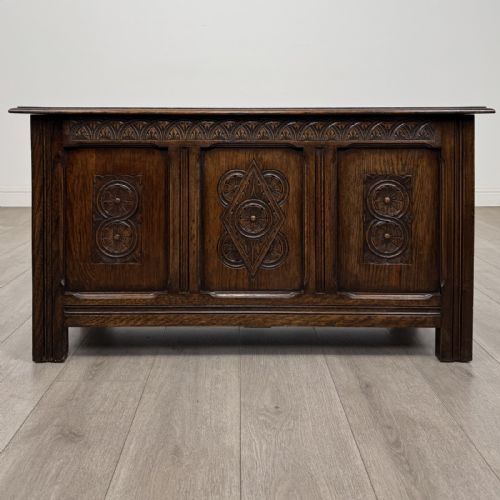
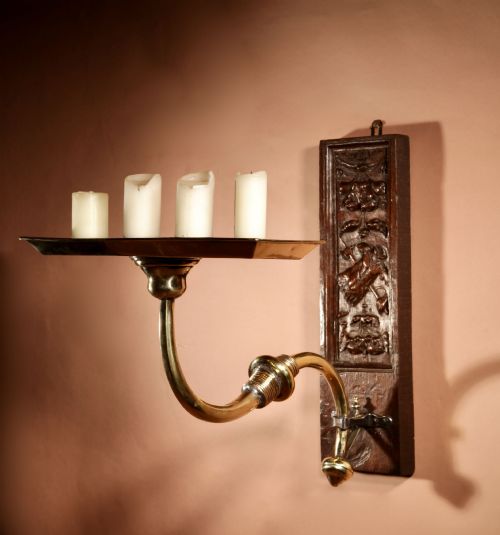
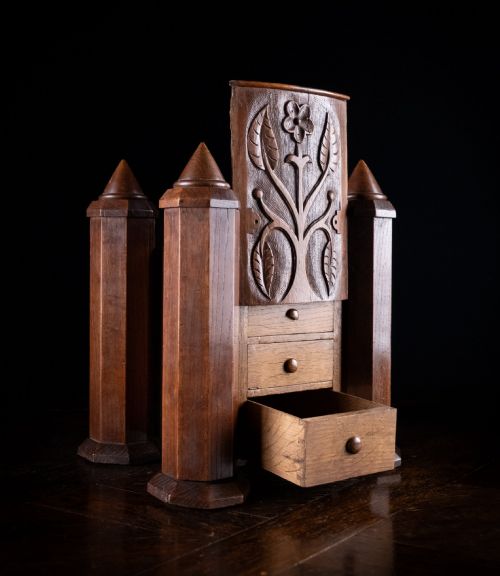
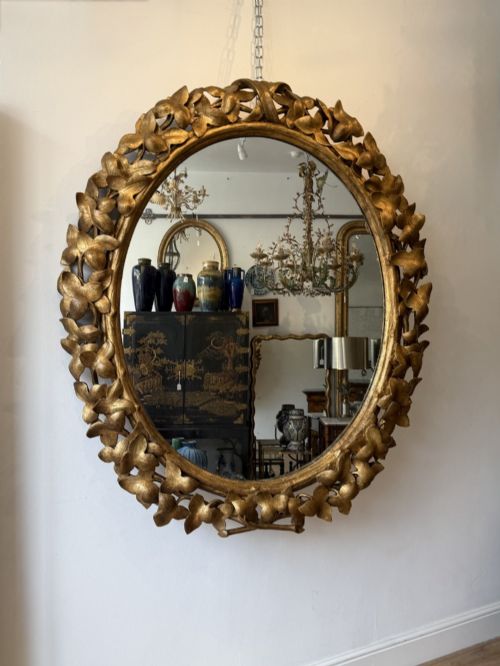
Surface embellishment often involves direct hand chiselling into the solid timber to create motifs such as foliage, geometric patterns, or figurative details like green man carvings. Giltwood and gesso application on mirrors and frames introduce a contrasting metallic finish, layering plaster and gold leaf over carved wooden bases to achieve reflective brilliance.
Listings feature items spanning the eighteenth, nineteenth, and twentieth centuries, incorporating oak, mahogany, walnut, and giltwood materials.
Distinguishing quality in carved pieces
The distinction between ordinary items and superior examples rests on the depth, precision, and fluidity of the chisel work executed by the artisan. Crisp undercutting, symmetrical balance, and a harmonious relationship between the carved ornament and the underlying structural form signal higher workshop standards.
Material selection and subsequent ageing also dictate the standing of a piece, with well-figured timber retaining its natural lustre and stability over decades of use. Items displaying integrated design where the carving complements rather than overpowers the utility of a table, chair, or cabinet represent the pinnacle of period production.
Maple & Co·Liberty & Co
The Vintage Carved Wood Glossary
- Gesso
- A plaster-like mixture applied to wood surfaces as a smooth base for gilding or painting. It is frequently found on nineteenth-century picture frames and decorative wall mirrors.
- Purdonium
- A specialised cabinet designed to hold household coal near a fireplace, typically featuring a hinged front and a metal liner. These items often incorporate elaborate carved panels characteristic of the Arts and Crafts movement.
- Torchere
- A tall, slender stand or pedestal originally intended to hold a candle or torch. Antique examples often feature carved wooden shafts supported by tripod or circular bases.
- Bergère
- An enclosed upholstered French armchair with wooden frames and exposed legs. Many period versions include intricate cane work on the back and sides.
Vintage Carved Wood: Frequently Asked Questions
What is the difference between Victorian and Edwardian pieces?
Victorian carved items generally exhibit darker timbers, heavier proportions, and dense, ornate ornamentation drawn from Gothic, Rococo, or Jacobean revivals. These pieces were built to anchor substantial nineteenth-century domestic interiors.
Edwardian items trend towards lighter woods like maple and mahogany, featuring more restrained carving and brighter, airier forms suited to changing interior fashions. The emphasis shifts slightly towards functional elegance and versatility within smaller rooms.
Where should I place a carved wooden pedestal?
Pedestals and plant stands serve well in corners or empty hallway spaces where they can elevate a decorative object, urn, or potted plant to eye level. Their vertical orientation draws the eye upward without occupying significant floor space.
Ensure the placement protects the timber from direct sunlight and dramatic temperature fluctuations near radiators to preserve the original finish and prevent wood splitting.
How do I care for antique carved wooden furniture?
Maintain antique carved surfaces by dusting regularly with a soft, dry cloth to prevent particulate buildup within the intricate recesses of the carving. Avoid chemical polishes that leave residue and instead rely on occasional applications of traditional beeswax.
Keep pieces away from direct heat sources and maintain stable indoor humidity levels to protect the structural integrity of the joints and prevent the timber from drying out.