
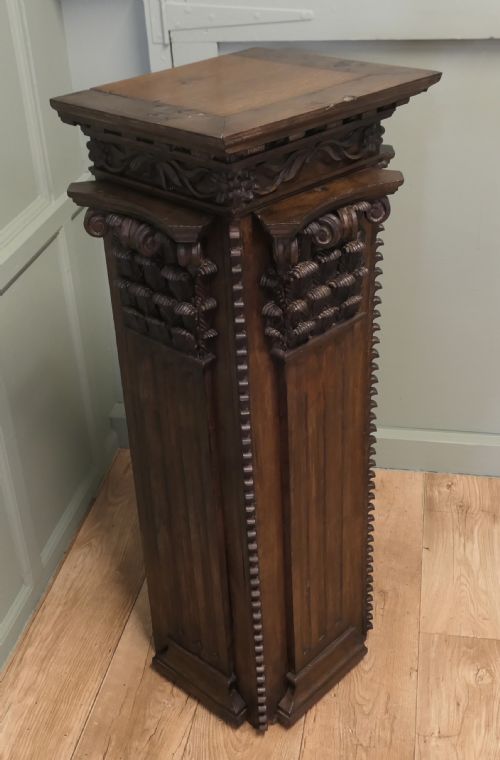
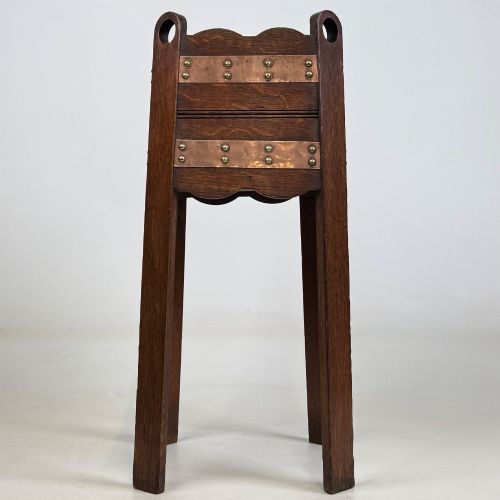
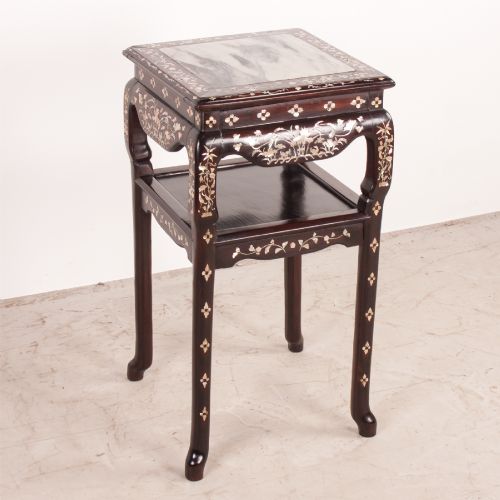
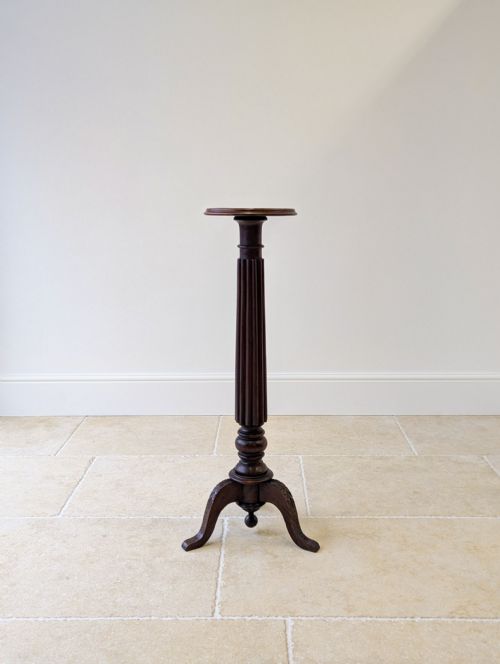
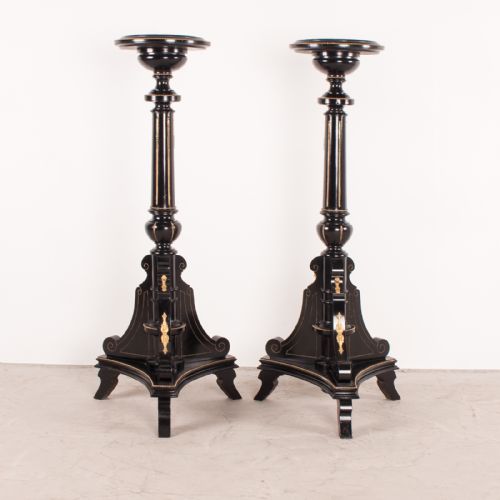

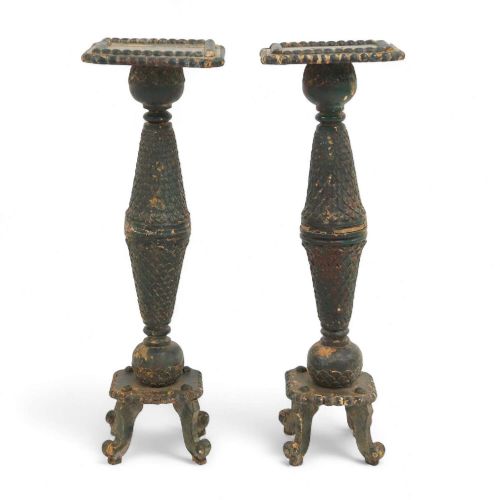
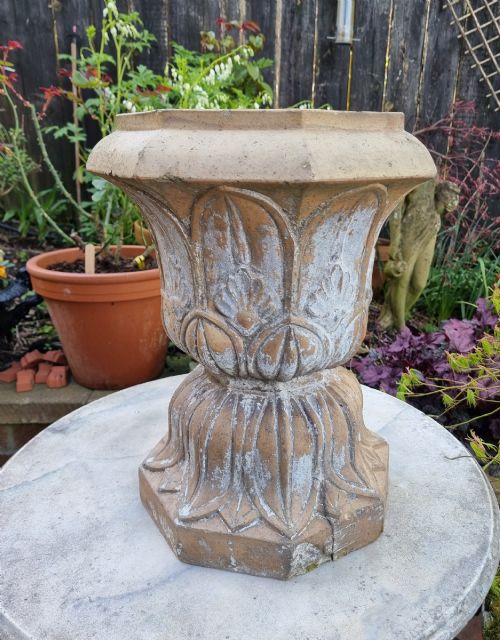
Vintage Carved Plant Pedestal
A vintage carved plant pedestal elevates greenery and sculpture, offering height and architectural presence to a room.
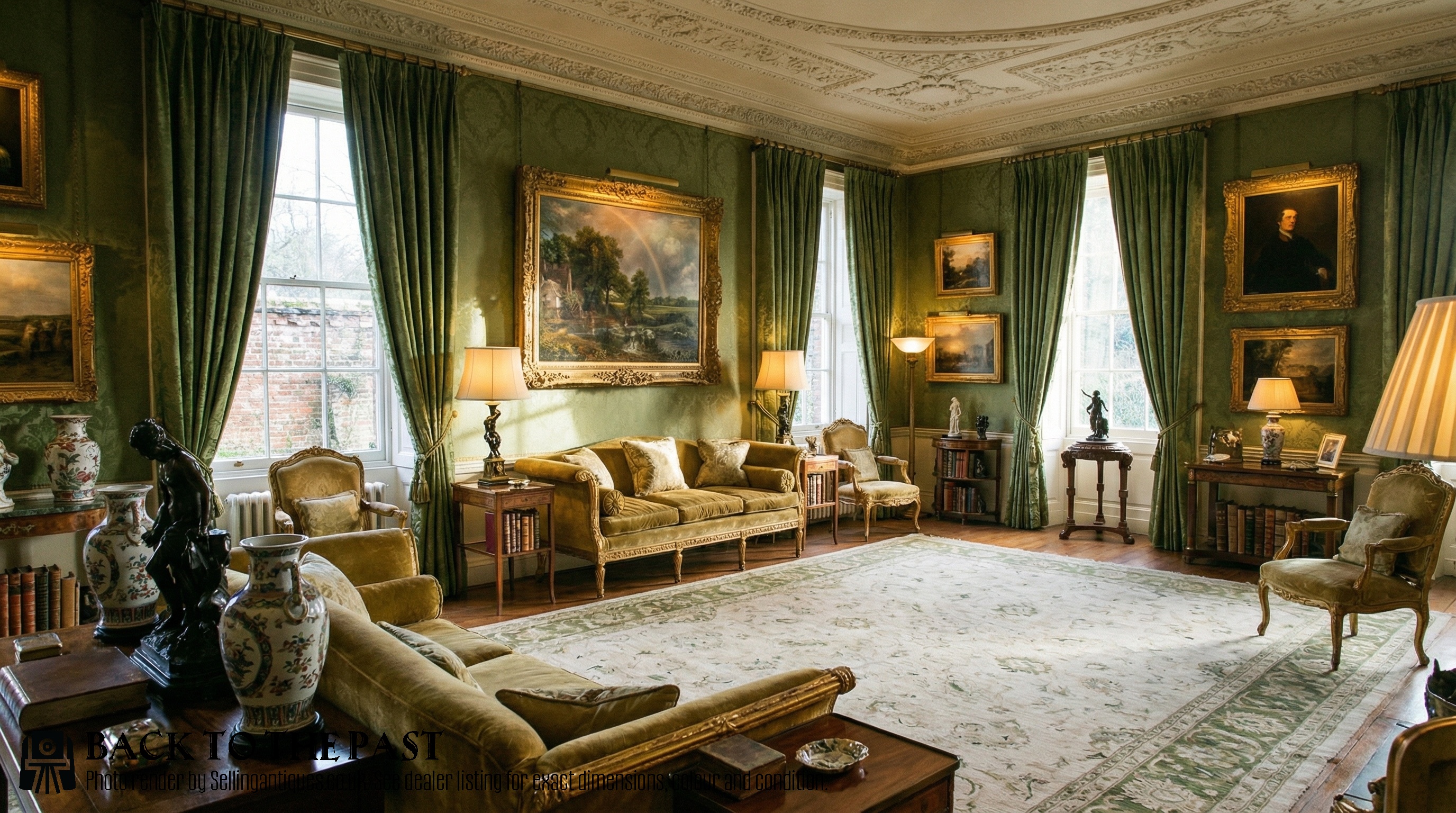
Vintage Carved Plant Pedestal
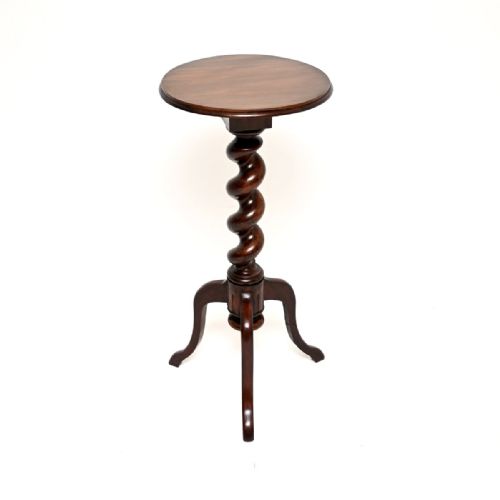
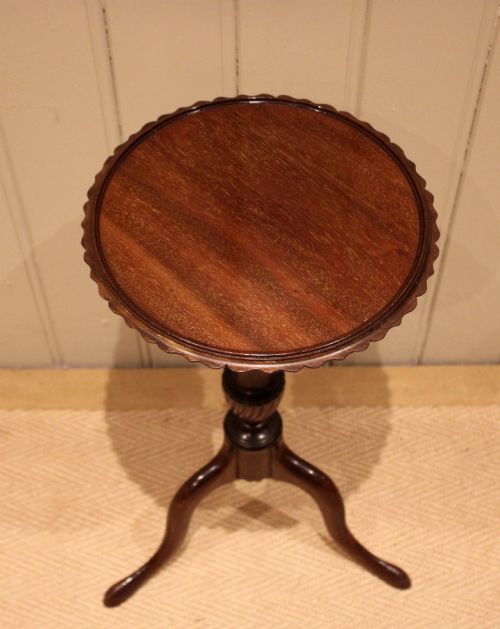
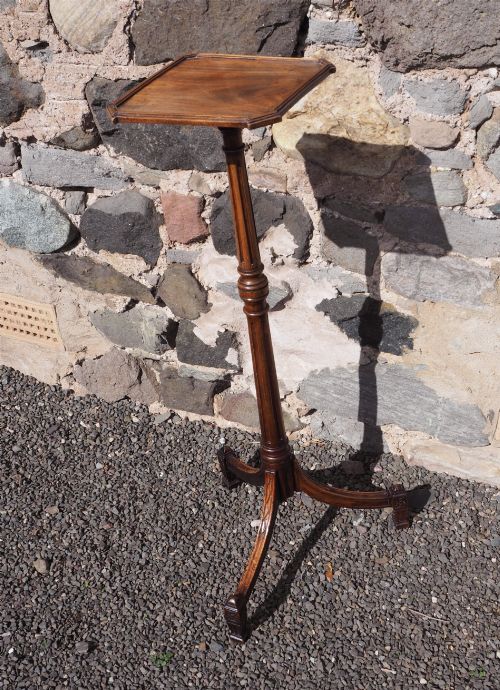
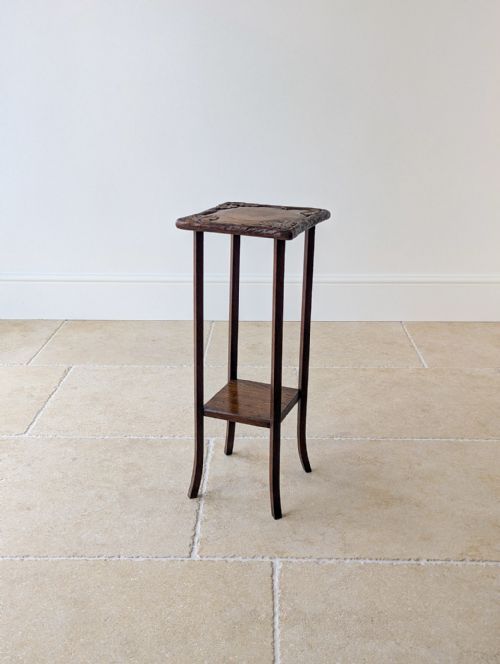
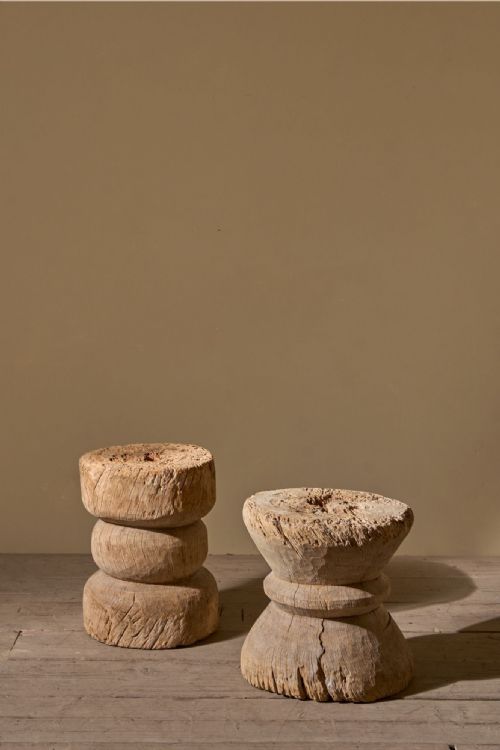
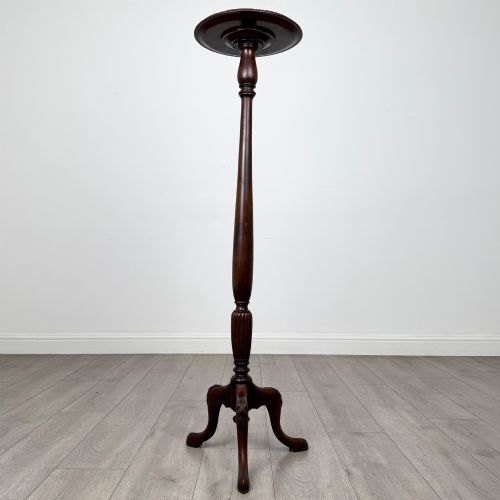
A vintage carved plant pedestal serves to elevate botanical displays, urns, and decorative objects within interior spaces. These items encompass a range of forms, including tall columns, plant stands, and torcheres designed to hold foliage or sculpture.
The selections available here draw heavily from the nineteenth and early twentieth centuries, spanning Victorian, Edwardian, and Arts and Crafts periods. Buyers frequently encounter timber structures, with mahogany, oak, and walnut appearing alongside marble-topped variants.
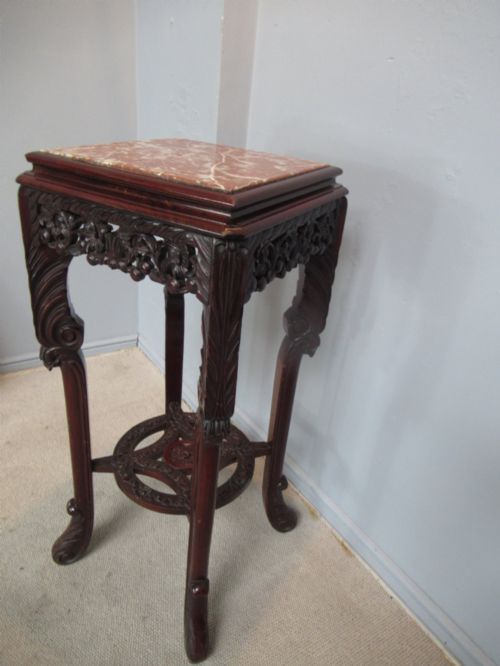
Geographic influences vary widely across the selection, featuring English country house pieces, French columns, and Asian hardwood stands with inset marble or mother of pearl. This diversity allows placement in both traditional and eclectic interiors.
Materials and Construction
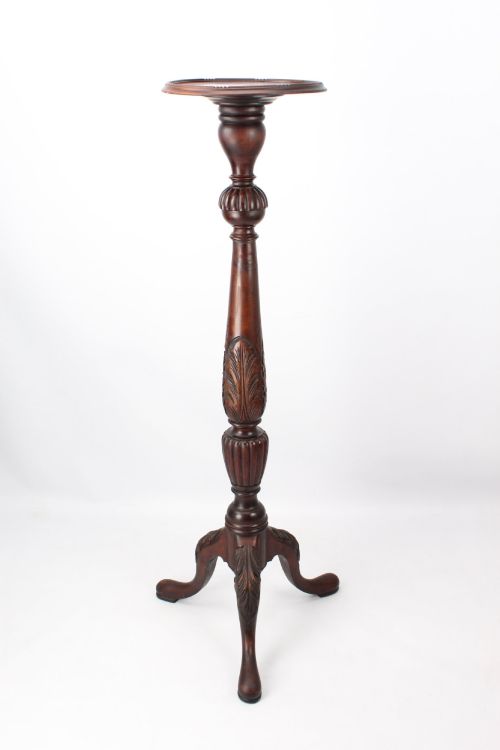
Cabinetmakers utilised dense timbers such as mahogany, rosewood, and oak to ensure stability for heavy decorative vessels. Turning, carving, and joinery define the construction of these columns and stands.
Insets of white, rouge, or variegated marble frequently form the upper surface, providing a durable platform resistant to moisture from plants. Other examples incorporate brass fixtures, paint finishes, and intricate mother of pearl inlay.
Regional workshops employed distinct techniques, from European neoclassical carving to Chinese export joinery and Burmese woodworking. These methods dictate the structural profile and surface ornamentation of each pedestal.
Several examples feature carved wooden elephants acting as the structural support for the tabletop.
Distinctions in Execution
The depth and crispness of the carving separate standard turned columns from exceptional sculptural works. Artisans who invested greater time in hand-carving foliage, fluting, or figural elements achieved superior visual weight.
Material selection dictates the longevity and prestige of a piece, particularly the grade of timber and the figuring within the marble tops. Sound structural integrity and dense hardwoods ensure the pedestal supports heavy jardinieres without wobble.
The Vintage Carved Plant Pedestal Glossary
- Torchere
- A tall, slender stand designed to support a lamp, urn, or plant. These fixtures originated in the seventeenth century and evolved into decorative pedestals by the Victorian era.
- Jardiniere
- An ornamental pot or stand for holding plants or flowers. In this context, it refers to tall furniture designed specifically to display indoor greenery at eye level.
- Neoclassical
- A style inspired by classical antiquity, prevalent in furniture design through symmetrical forms, fluted columns, and classical motifs. It imparts a formal, architectural character to pedestals.
- Inlay
- A technique where contrasting materials such as mother of pearl or lighter woods are embedded into the primary timber surface to create decorative patterns.
Vintage Carved Plant Pedestal: Frequently Asked Questions
How do I choose the right height?
Consider the scale of the room and the object placed on top. Taller columns suit corners or empty wall spaces, while lower plant stands integrate easily beside seating.
Matching the height to existing furniture ensures the display remains balanced within the interior scheme.
Can these hold heavy pots?
Solid hardwood construction and sturdy marble tops provide the necessary stability for substantial ceramic planters and garden urns. Inspecting the base and leg assembly confirms weight-bearing capacity.
Heavier timber columns naturally offer greater resistance to tipping than slender occasional tables.
Where should I place a pedestal?
These pieces function effectively in corners, framing doorways, or serving as focal points against plain walls. Placing them near natural light enhances the foliage they support.
They also provide a vertical element in rooms dominated by low horizontal furniture.
How do I identify the period?
Stylistic clues such as Arts and Crafts plainness, Victorian heavy carving, or Edwardian refinement point toward specific decades. Material choices and construction marks further narrow down the date of manufacture.
Comparing the turning style and decorative motifs with documented examples helps establish age.