


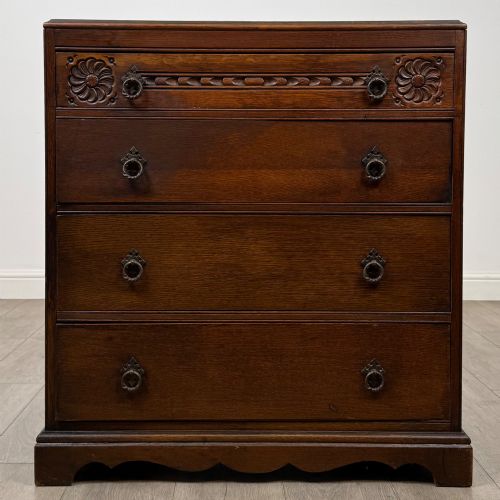
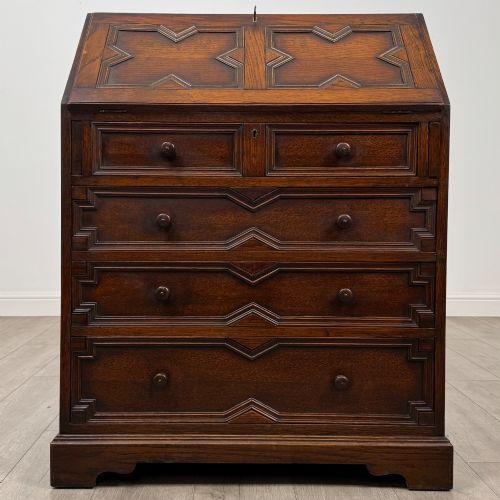
Vintage Carved Oak Chest
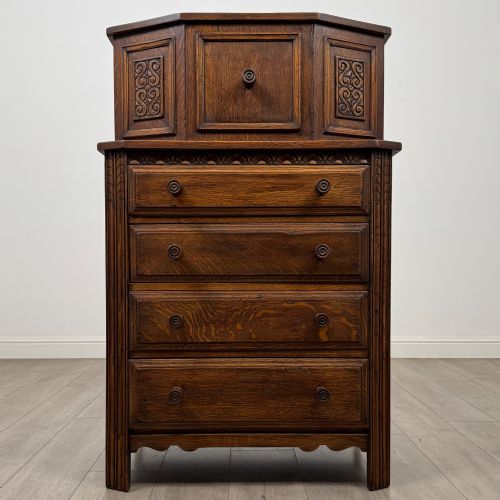
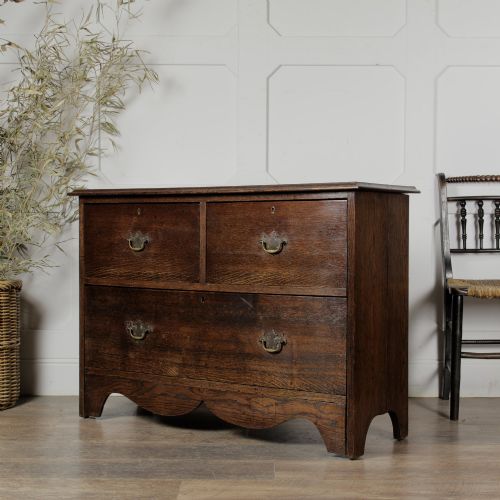
A vintage carved oak chest brings solid timber texture and historic character to a room, spanning periods from the seventeenth century to the twentieth.
Vintage Carved Oak Chest
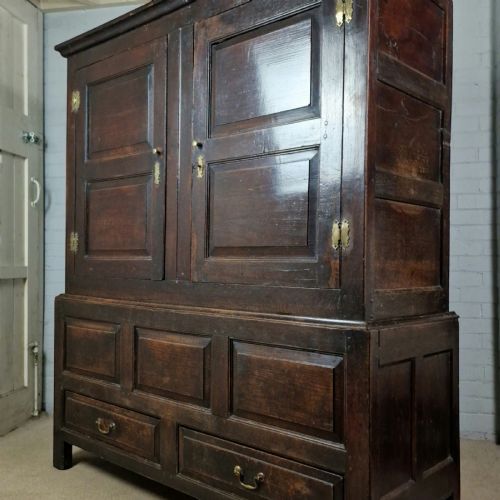
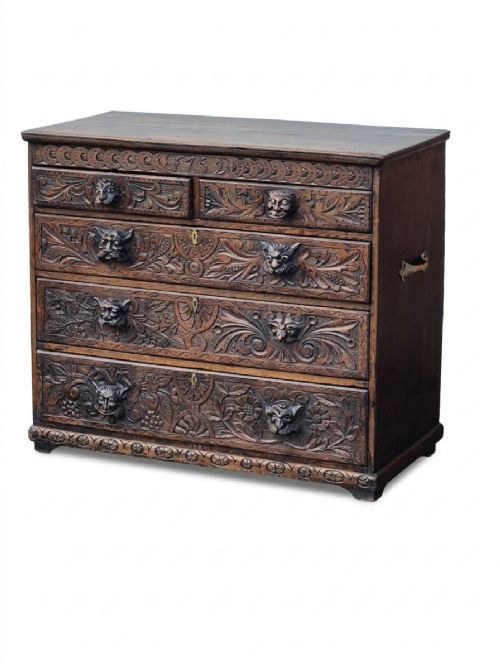
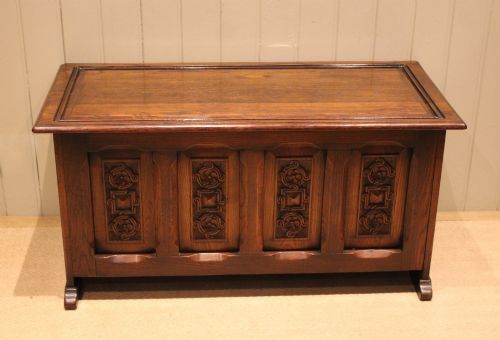
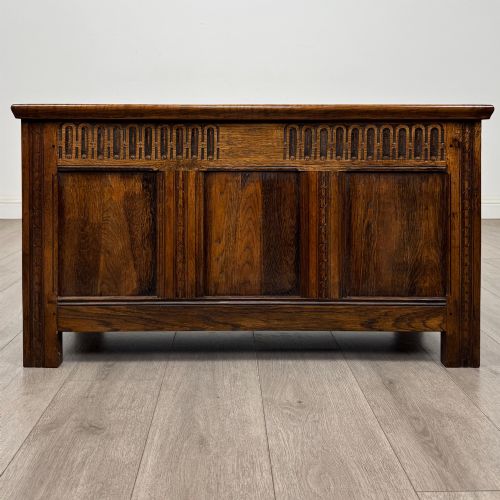
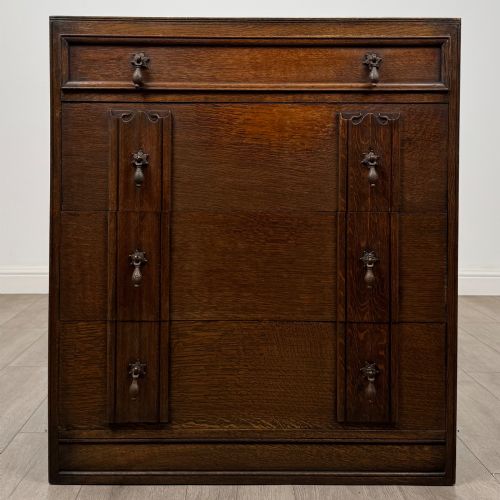
When you search for a vintage carved oak chest, you encounter a varied selection of storage furniture ranging from seventeenth-century coffers to Edwardian chests of drawers. The pieces on this page include blanket chests, coffer styles, linen press cupboards, and drawer units produced across several centuries.
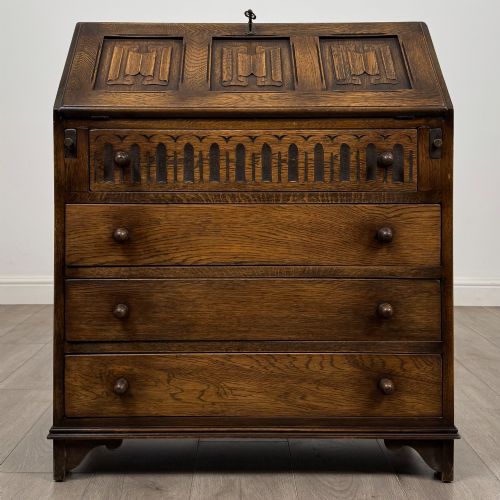
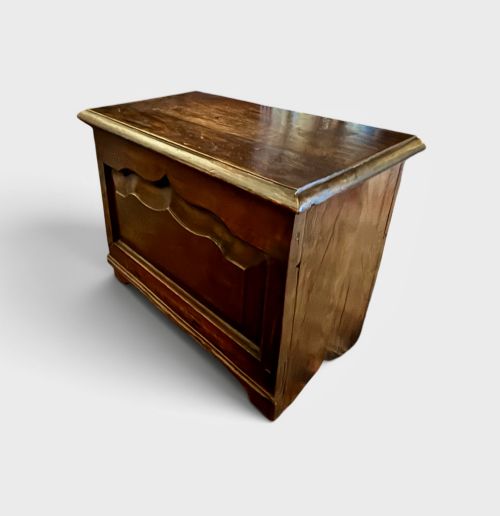
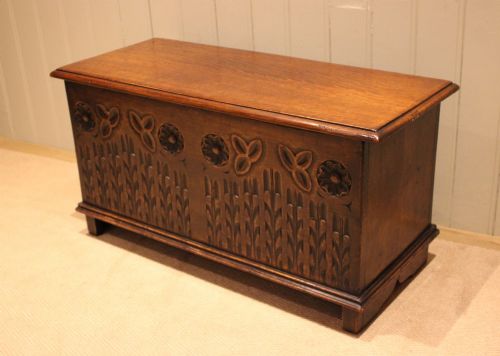
You meet heavy solid timber constructions alongside revival styles such as Jacobean, Gothic, and Tudor. Forms vary from simple small boxes and low chests to large panelled coffers bearing intricate chip carving or grotesque motifs.
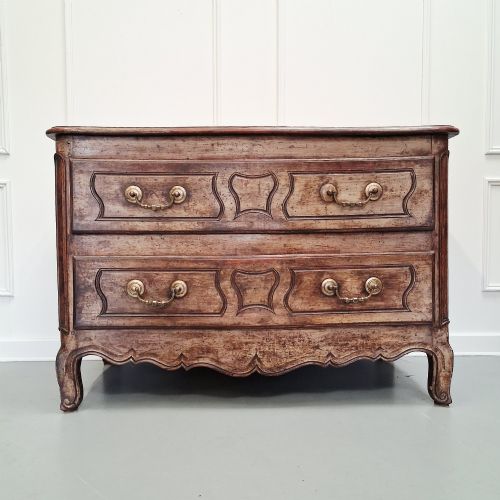
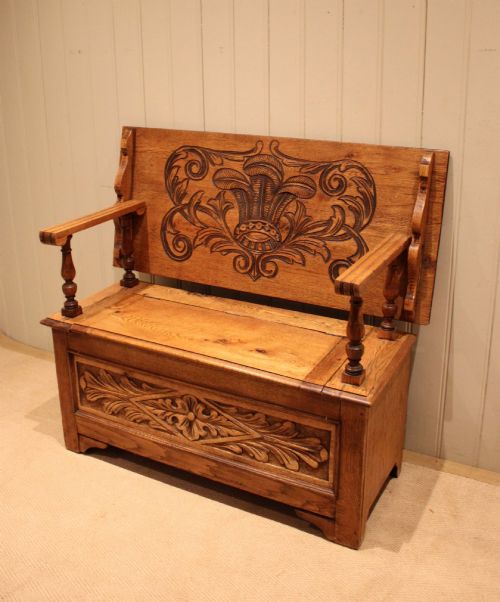
Origins stretch across English, French, and Dutch workshops, offering both dark patinated surfaces and bleached oak finishes. Buyers find everything from utilitarian document boxes to decorative monks benches and commodes.
What varies in quality
Quality rests upon the depth and precision of the hand carving, the choice of solid timber, and the integrity of the original construction. Pieces featuring crisp linenfold panels or distinct figural motifs stand apart from plainer utilitarian boxes.
The degree of surface preservation and the retention of original brass or iron hardware influence the standing of each piece. Age alone dictates the presence of authentic period patination, which develops across centuries of use.
Listings span eight distinct periods, from the seventeenth century through to the 1930s, utilising solid oak, brass, iron, and marble.
The Vintage Carved Oak Chest Glossary
- Coffer
- A large wooden chest traditionally used for storing valuables, linens, or documents. These sturdy boxes often feature hinged lids and detailed front panels.
- Linenfold
- A style of wood carving that imitates folded linen cloth. This technique appears frequently on panels of chests and cupboards from revival periods.
- Green Man
- A sculptural motif depicting a face carved from or surrounded by leaves and vines. This ancient symbol recurs on decorative furniture across Victorian and earlier eras.
- Jacobean Revival
- A nineteenth and twentieth-century design movement copying seventeenth-century English furnishings. Pieces in this style use dark oak and heavy geometric mouldings.
- Mule chest
- A traditional storage chest fitted with one or more drawers beneath the main compartment. This form combines the depth of a coffer with the accessibility of drawer storage.
Vintage Carved Oak Chest: Frequently Asked Questions
What is the difference between a coffer and a blanket chest?
A coffer is a traditional storage box accessed via a top-opening lid, often featuring heavy panel construction and historic carved details from the seventeenth or eighteenth centuries. A blanket chest serves a similar storage purpose but frequently originates from later periods like the Edwardian era with simpler lines.
Both forms provide substantial interior space for textiles, though coffers tend to carry more pronounced architectural ornamentation such as linenfold or geometric patterns.
How should I care for a vintage oak surface?
Solid oak furniture benefits from minimal intervention, requiring only occasional dusting with a dry or slightly damp cloth. Avoiding direct sunlight and sustained moisture preserves the natural timber and historical patination.
Applying a traditional beeswax polish helps nourish the wood grain without building up synthetic residues that obscure hand-carved details.
How can I tell an older oak chest from a revival piece?
Examining the construction methods, tool marks, and timber shrinkage reveals clues about the age of a chest. Seventeenth-century examples display hand-riven boards, pegged joints, and uneven hand-cut panels.
Revival pieces from the Victorian and Edwardian periods often show standardised machine-cut components, regular grain patterns, and modern hardware fixings beneath the historic styling.
Where were these oak chests originally made?
The pieces originate primarily from English, French, and Dutch workshops spanning multiple centuries. English examples often showcase regional variations in oak selection and carving styles, while French iterations include provincial commodes and marble-topped cabinets.
Regional preferences dictate the decorative vocabulary, distinguishing English linenfold panels from continental chip carving and Gustavian influences.