
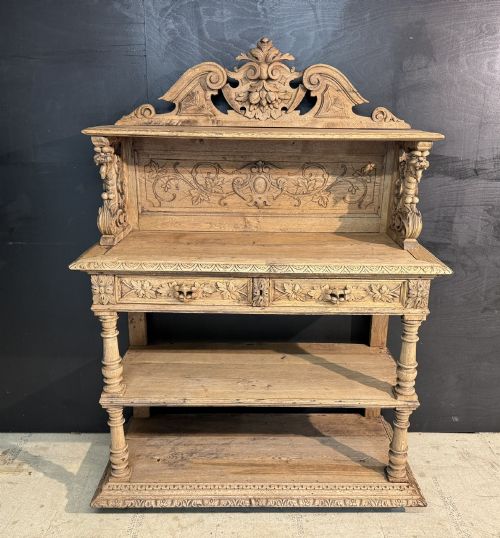
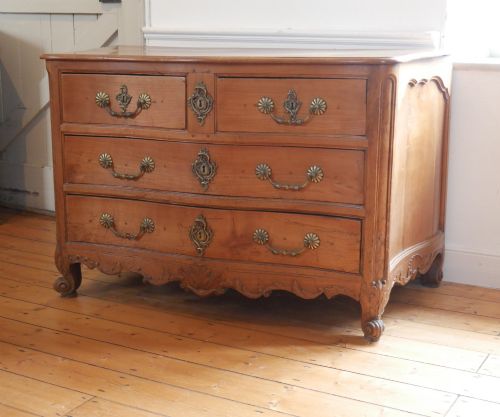
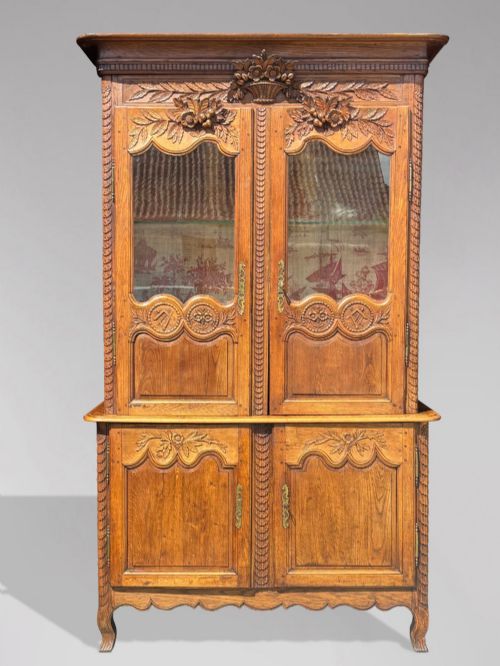
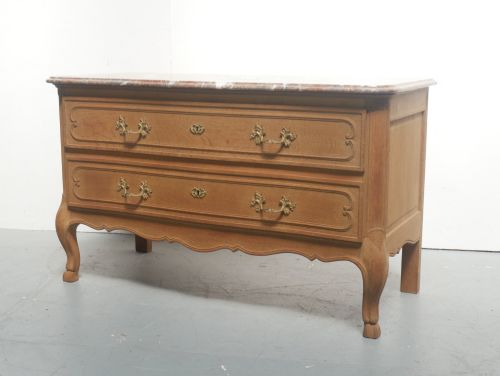
Carved French Provincial Dresser
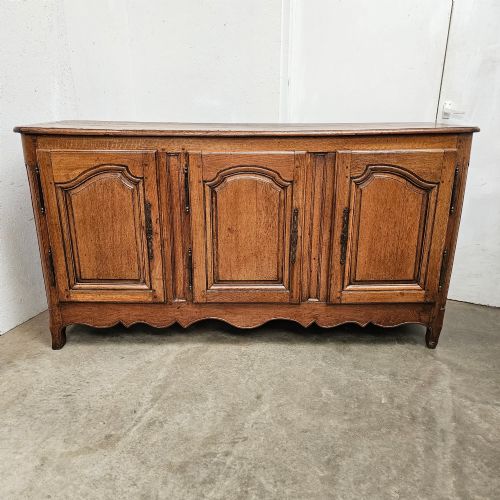
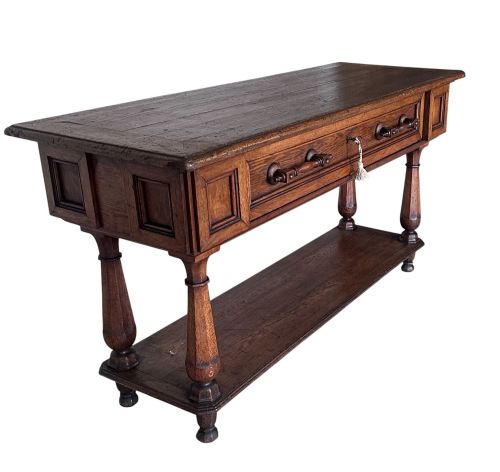
A carved french provincial dresser brings regional craftsmanship and generous storage to a room through solid timbers and traditional hand-carved detailing.
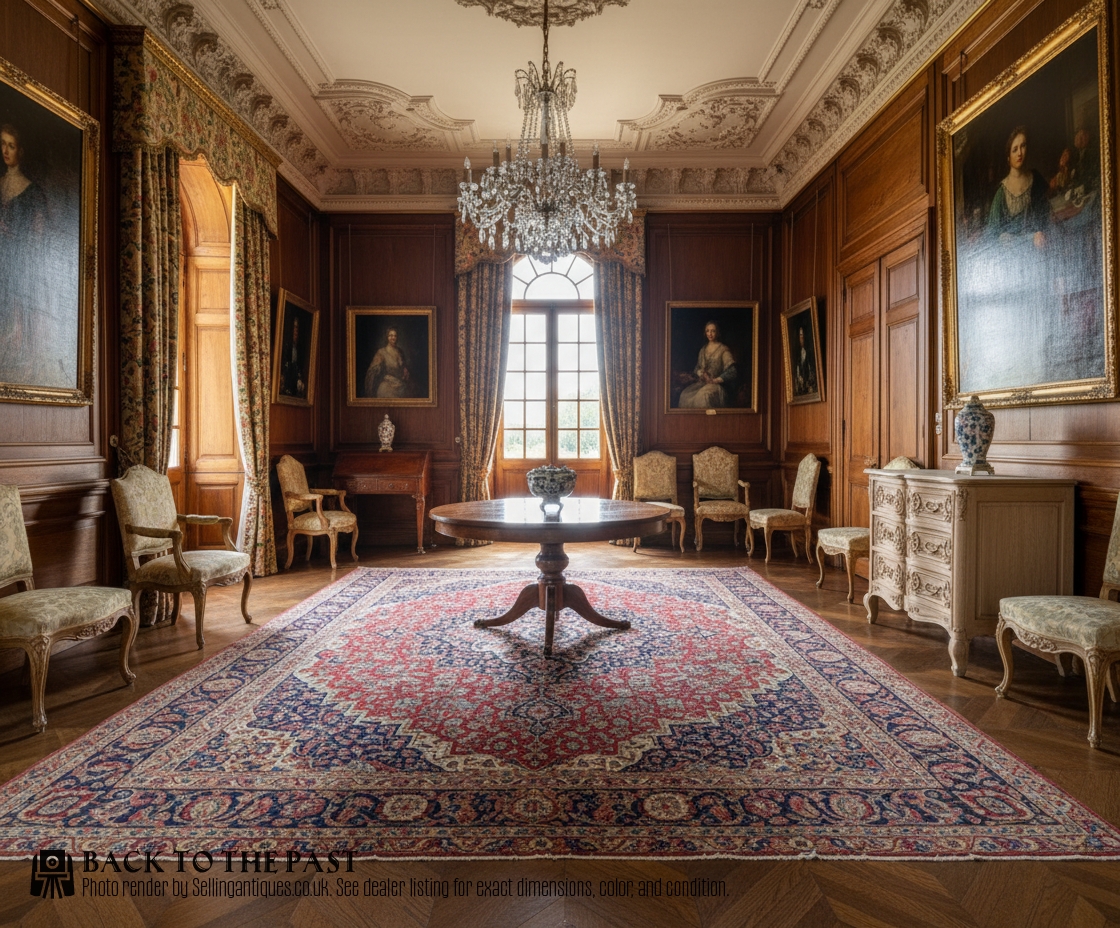
Carved French Provincial Dresser
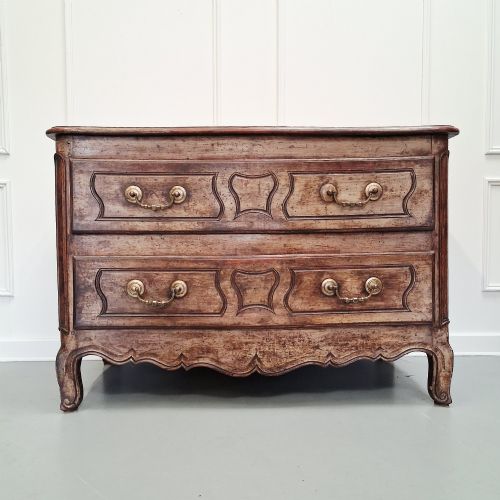
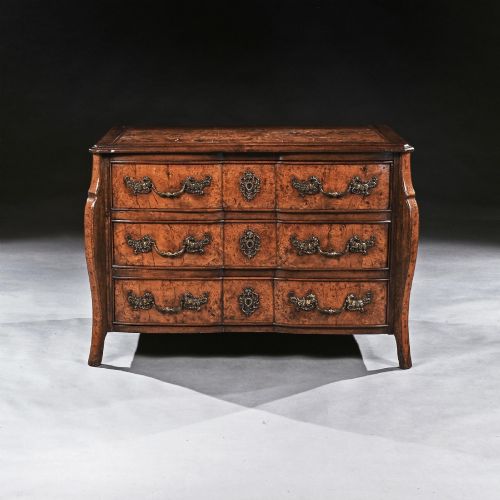
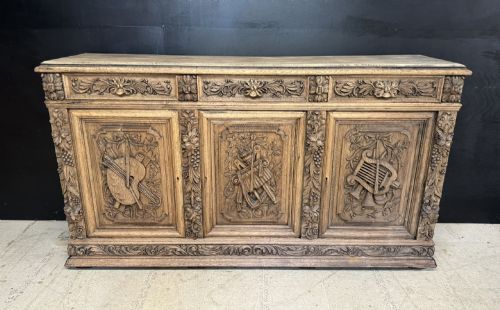
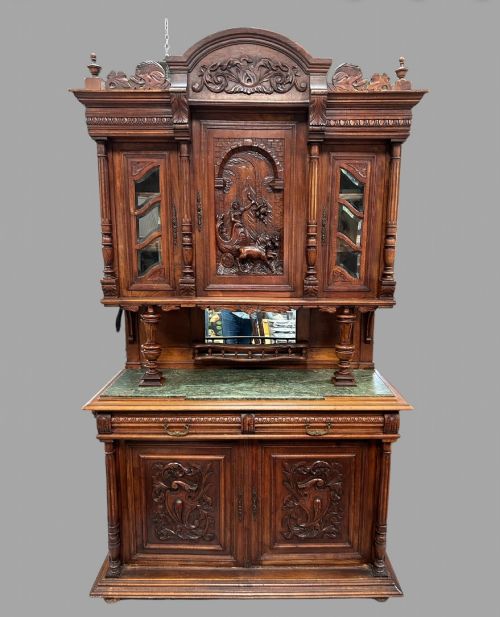
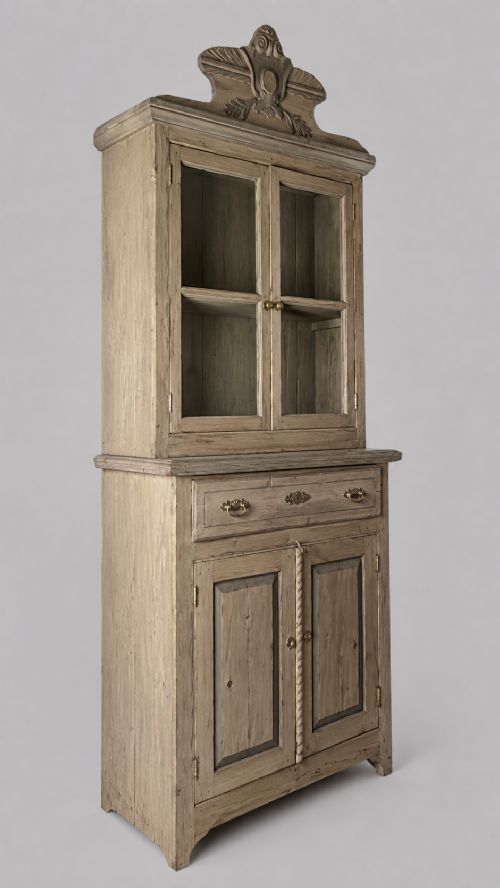
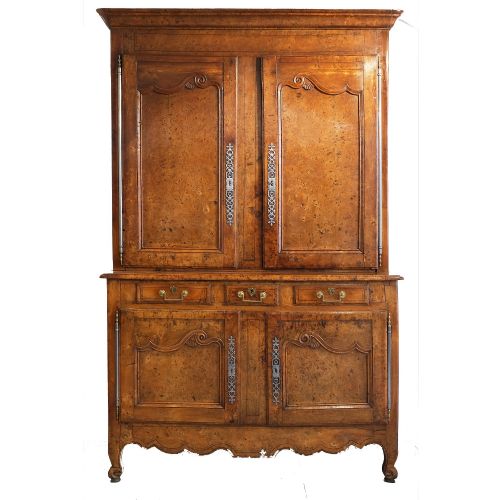
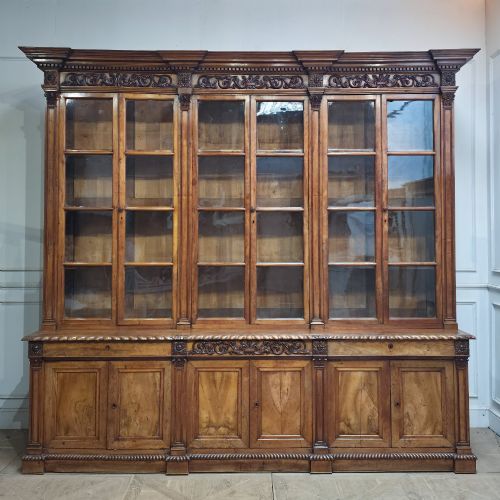
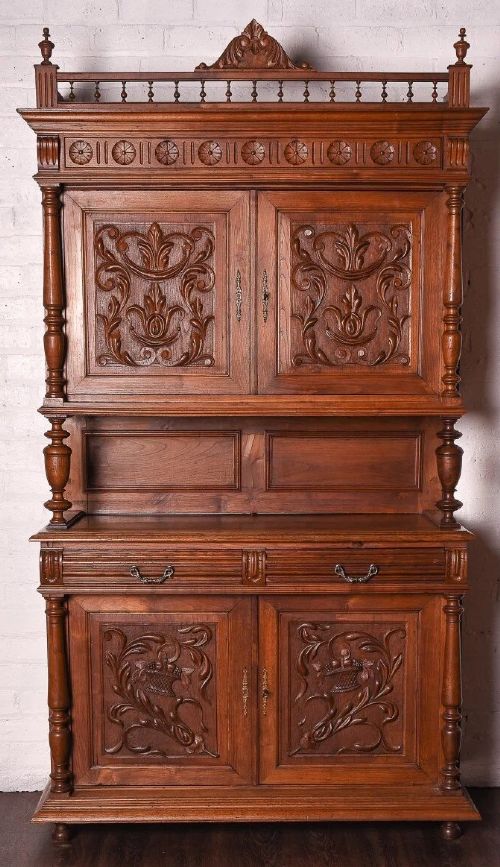
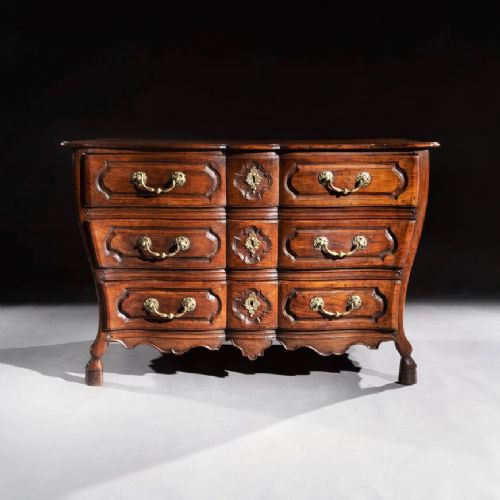
A carved french provincial dresser encompasses regional case furniture designed outside Paris during the eighteenth and nineteenth centuries, including commodes, sideboards, and buffets deux corps. These items serve domestic storage needs through robust drawer and cabinet configurations built for provincial homes.
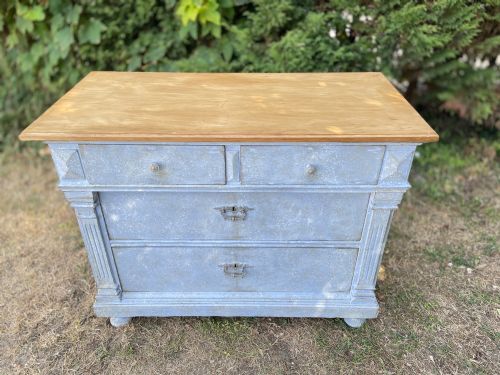
The pieces appearing on this page span styles from Louis XV provincial curves to simpler country expressions, utilising timbers native to various French regions. Buyers frequently encounter eighteenth-century oak and walnut examples alongside nineteenth-century interpretations and later twentieth-century painted variations.
Materials and construction
Cabinetmakers constructed these forms using solid regional hardwoods such as oak, walnut, ash, and elm, often pairing them with decorative burr veneers on prominent surfaces. Iron and brass hardware secure doors and drawers, while certain examples incorporate marble tops.
Joinery relied on traditional hand-cut techniques appropriate to provincial workshops, integrating panelled doors, dovetailed drawers, and carved ornamentation directly into the structural timber.
Several game cabinets lurk among the offerings, ready to store provisions from a successful hunt.
Assessing quality
Quality rests in the crispness of the hand-carving and the integrity of the timber selection, where dense grains and well-figured burr elm or walnut elevate the presence of a commode or buffet. Heavy, uniform oak framing and proportioned panel work indicate disciplined regional joinery.
The degree of original surface treatment, whether patinated polished wood, early painted finishes, or period marble inserts, dictates the visual authority of the piece compared to later surface alterations.
The Carved French Provincial Dresser Glossary
- Commode
- A low chest of drawers or cabinet developed in France during the seventeenth century. These items typically feature multiple drawer tiers and serpentine or bombe profiles.
- Buffet deux corps
- A large two-tier storage unit comprising a lower sideboard base and an upper cabinet or vitrine section. This form provides substantial display and enclosed storage capacity.
- Enfilade
- A long sideboard or buffet featuring multiple doors, designed to stand against a dining room or salon wall. The form accommodates extensive serving and storage requirements.
- Bombe
- A swelling, convex curved profile applied to the front and sides of case furniture. This curvilinear form demands advanced woodworking skill to execute successfully.
Carved French Provincial Dresser: Frequently Asked Questions
How do I date a wooden dresser?
Dating relies on examining the timber species, construction joinery, and tool marks visible inside the drawers and carcass. Eighteenth-century pieces display hand-cut joinery and aged patination specific to regional workshops.
Later nineteenth-century and twentieth-century examples often incorporate standardised machine elements or different secondary woods that distinguish them from earlier production periods.
What is a buffet deux corps?
A buffet deux corps is a tall, two-part storage furniture piece featuring a heavy base cabinet surmounted by a matching upper cupboard. These units served as principal storage fixtures in traditional French kitchens and dining rooms.
The separation into two stacked sections also facilitated transport and installation in provincial homes.
Are marble tops original to these?
Marble tops frequently appear on commodes and sideboards dating from the eighteenth century onwards, providing a durable surface for daily domestic use. Determining originality involves checking the stone thickness, edge profiling, and how it seats into the wooden frame.
Replacements occur due to breakage over long periods of domestic service.
Where should I place a sideboard?
Sideboards and buffets suit dining rooms, hallways, and living spaces where their length and storage capacity anchor the wall elevation. Placing them away from direct heat sources protects the historical timber and preserves surface finishes.
Sufficient clearance ensures doors and drawers operate freely without obstruction.