
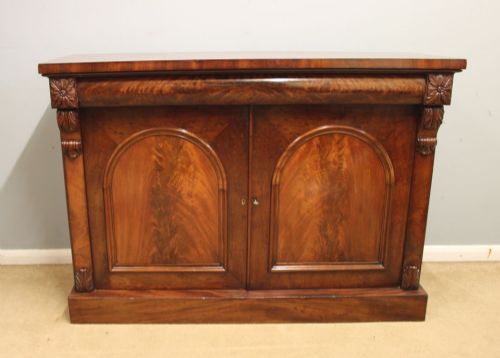
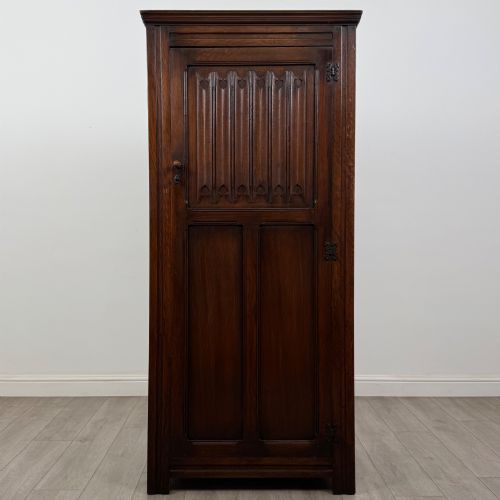
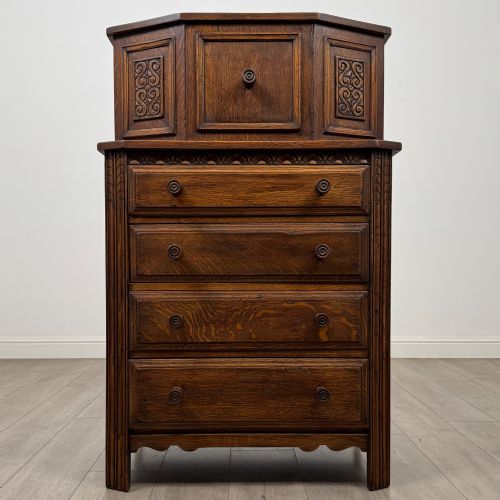
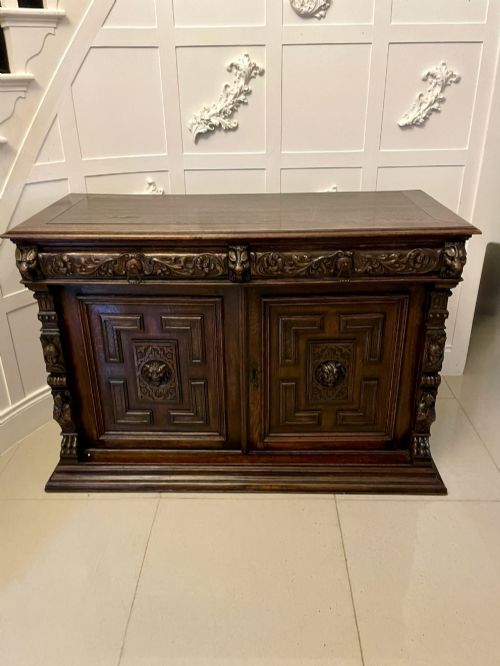
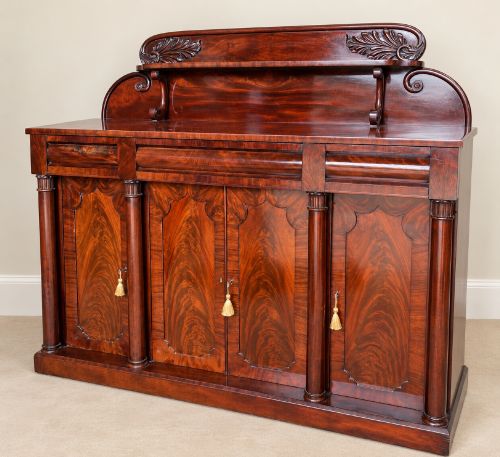
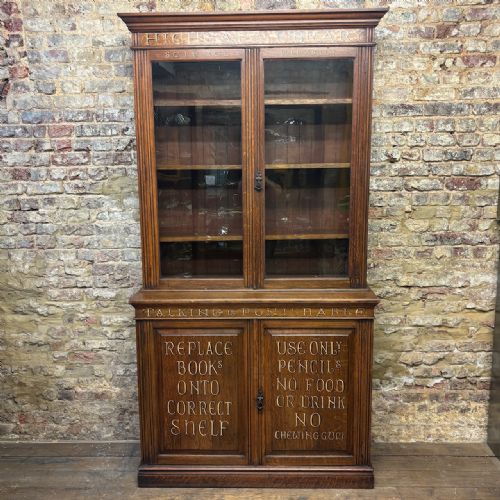
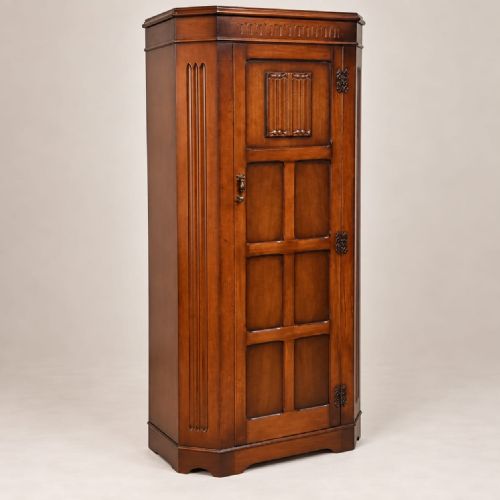

Vintage Carved Cupboard
A vintage carved cupboard brings substantial presence and historic character to a room through textured timber work and solid proportions.
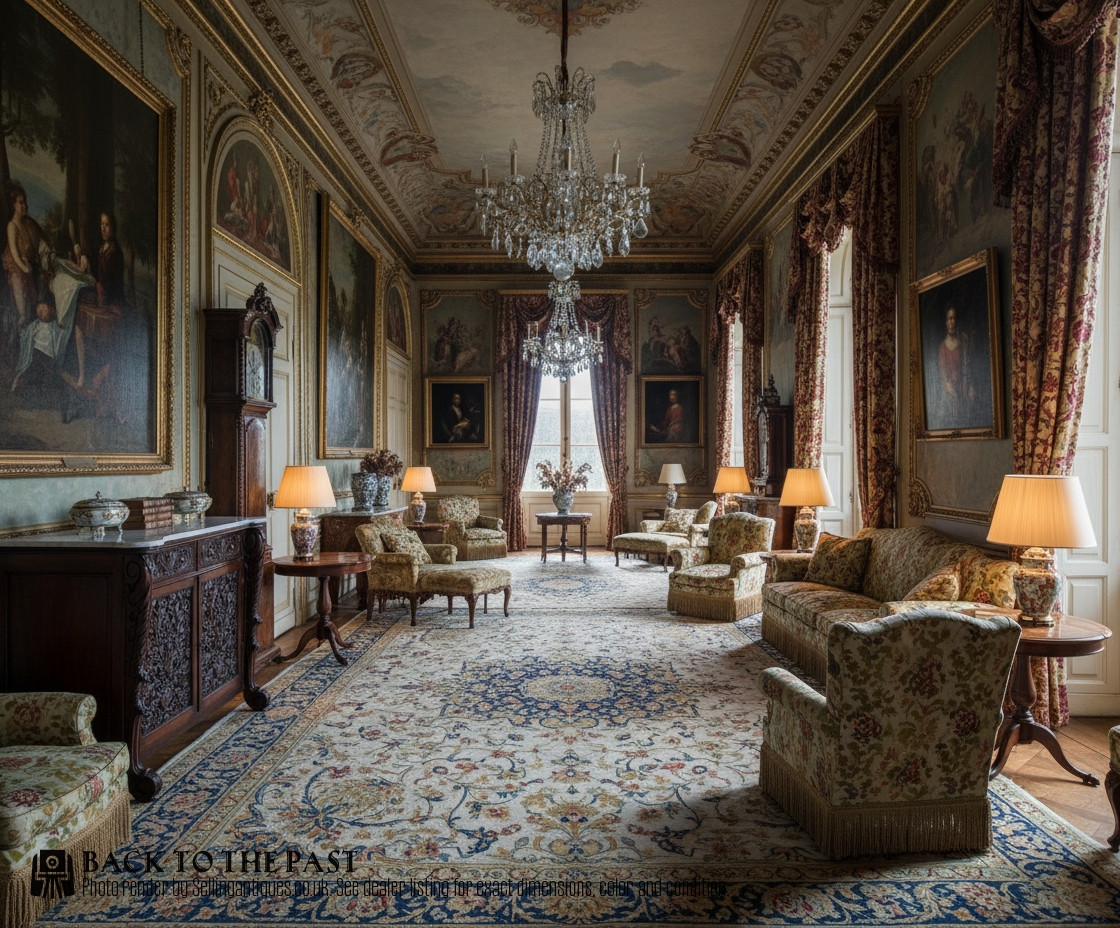
Vintage Carved Cupboard
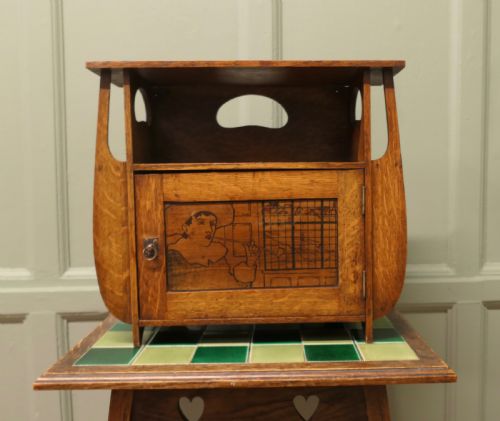
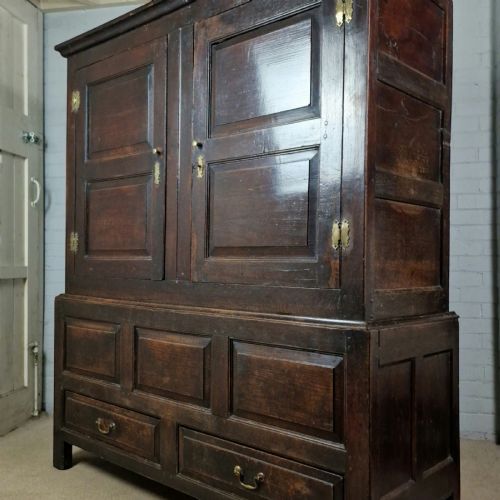
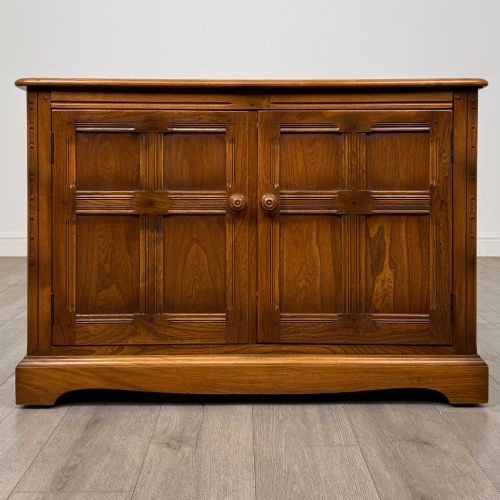
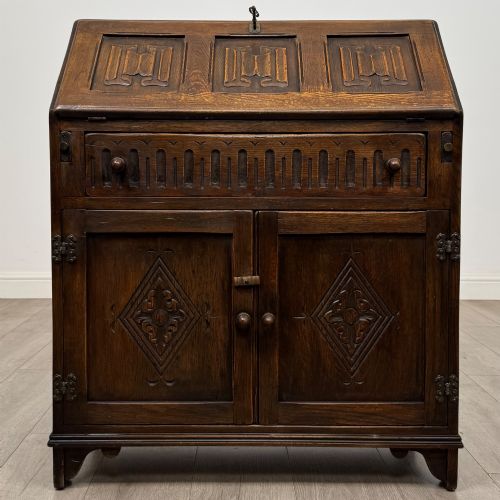
When you search for a vintage carved cupboard, you encounter robust storage pieces fashioned primarily during the Edwardian era and the nineteenth century. These items manifest in forms ranging from compact bedside cabinets and hall wardrobes to expansive sideboards, dressers, and display cabinets.
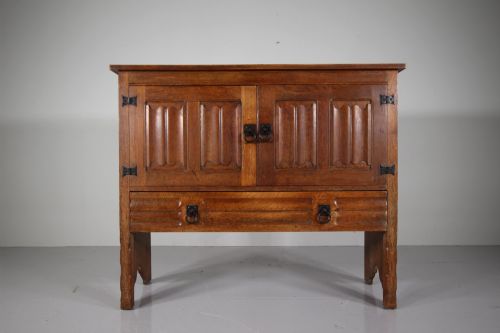
Oak dominates the selection, frequently displaying revivalist influences such as Jacobean, Tudor, or Gothic motifs alongside linenfold panelling. Walnut, mahogany, and burr walnut examples also appear, reflecting broader stylistic currents from Victorian revivals to French Art Nouveau and French Provincial designs.
The pieces on this page serve both practical storage functions and decorative roles within domestic interiors. Buyers select them for their tactile surface decoration and enduring timber construction.
Materials and construction
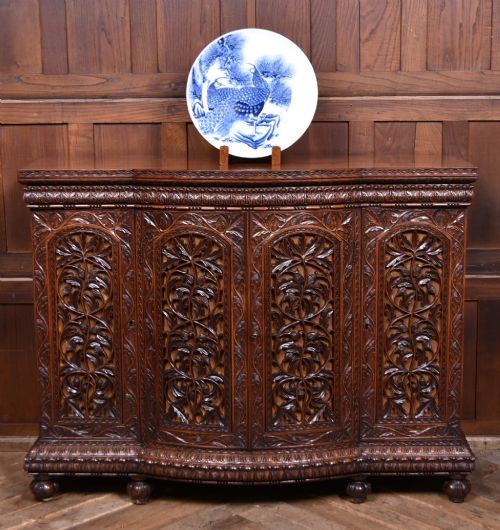
Cabinet makers relied heavily on solid oak for structural integrity and surface carving, allowing artisans to chisel deep relief patterns such as linenfold panels and foliate scrolls. Mahogany and walnut provided alternative foundations, sometimes enhanced with burr veneer displays on doors and drawer fronts.
Glazing, brass hardware, and occasional marble tops integrate into the timber carcasses to introduce contrasting textures and utility. Joinery techniques from the nineteenth and early twentieth centuries ensure that heavy doors and panelled sides remain stable over generations of use.
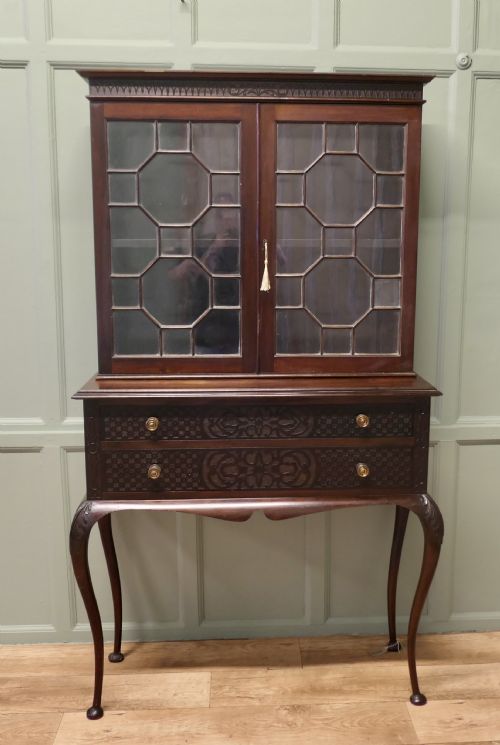
Common functional forms include bedside cabinets, wardrobes, bookcases, and sideboards utilising bevelled glass and brass fittings.
Assessing craftsmanship and finish
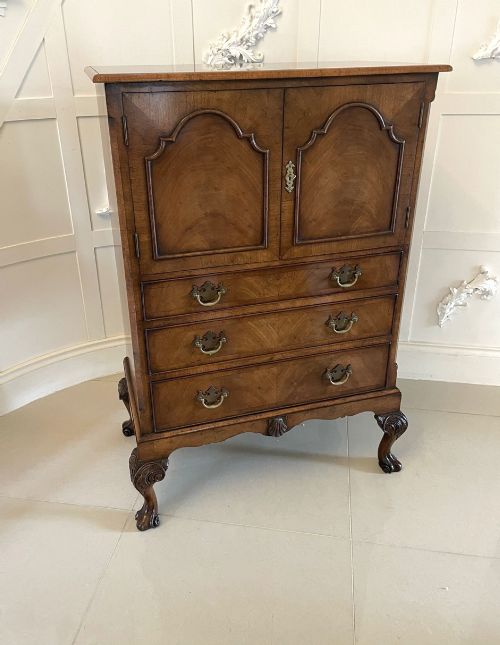
Depth of execution separates standard cabinet work from superior examples, particularly in the crispness and hand-carved detail of the timber ornamentation. Finer pieces display thoughtful integration of hardware, well-figured wood grains such as burr walnut or tiger oak, and balanced proportions.
The integrity of the structural joinery and the selection of primary timbers dictate longevity and visual weight. Subtle variations in execution reflect the workshop standards of different periods, from mass-produced Edwardian items to individually styled revivalist commissions.
Denby and Spinks
The Vintage Carved Cupboard Glossary
- Linenfold
- A style of wood carving that mimics folded parchment or linen, commonly found on Tudor revival panels. It creates a textured, rhythmic surface across cabinet doors.
- Chiffonier
- A low sideboard or cabinet featuring a combination of drawers and shelved cupboards, popular during the nineteenth century. It often includes a raised superstructure or mirrored back.
- Vitrine
- A glass-fronted display cabinet designed for exhibiting porcelain, books, or curiosities. These pieces rely on timber frames and glazed panels to protect interior contents.
- Barley twist
- A type of turned furniture leg or column resembling a twisted rope. This decorative woodworking technique appears frequently on Edwardian sideboards and supports.
- Pedestal cabinet
- A compact, single-door freestanding storage unit designed to stand beside a bed or desk. They often incorporate a single drawer above the main cupboard space.
Vintage Carved Cupboard: Frequently Asked Questions
How do I care for vintage oak?
Maintain timber moisture by avoiding direct heat sources and applying natural beeswax sparingly to nourish the grain. Regular dusting with a soft, dry cloth preserves the original surface sheen without building up residue.
Protect the carved panels and joints from excessive humidity swings to prevent the wood from warping. Gentle treatment ensures the historic finish remains intact for daily use.
Where should I place my cabinet?
Position these substantial items against sturdy interior walls where their weight and proportions anchor the room. Ensure adequate clearance for doors and drawers to open fully without obstruction.
Keep pieces away from direct sunlight to prevent fading on figured walnut or mahogany surfaces. Hallways, dining rooms, and bedrooms benefit most from the enclosed storage capacity.
How do I identify revival styles?
Examine the specific motifs carved into the timber, such as linenfold panels for Tudor styles or pointed arches for Gothic Revival. These decorative choices indicate the historical period that nineteenth or twentieth-century makers sought to emulate.
Compare the hardware, timber selection, and construction methods with known era markers to confirm authenticity. Revival pieces combine older aesthetic influences with the manufacturing techniques of their actual production date.
Are these pieces suitable for modern homes?
Solid timber storage units offer practical organisation while introducing historical texture and warmth to contemporary interiors. Their deep shelves and enclosed compartments easily accommodate modern household items.
The diverse range of sizes allows smaller bedside cabinets to fit tight spaces while larger wardrobes and dressers serve as statement focal points. Mixing antique woodwork with modern decor creates a balanced, layered room scheme.