


Vintage Carved Bird Decoy
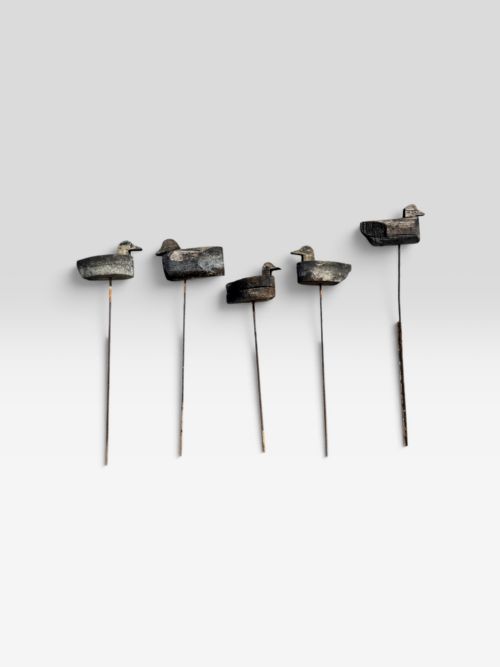
These vintage carved bird decoy pieces bring rustic folk art presence into a room, fashioned from timber and shaped for the water or field.
Vintage Carved Bird Decoy
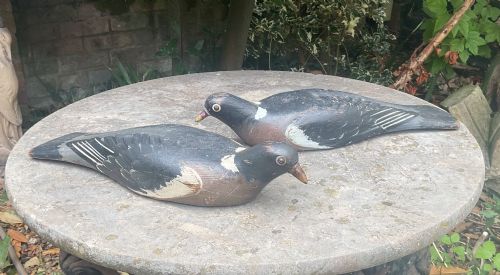
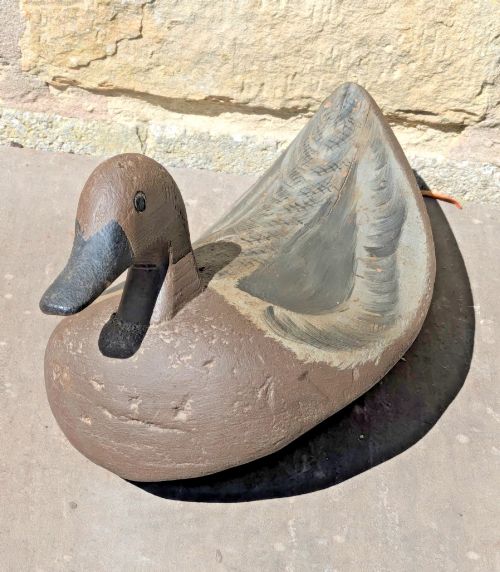
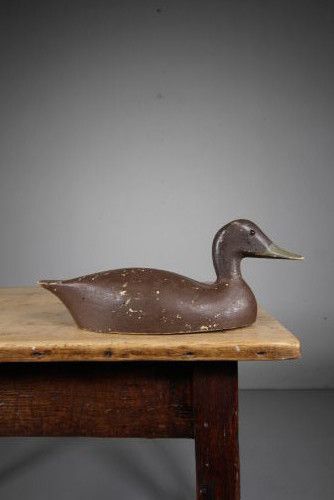
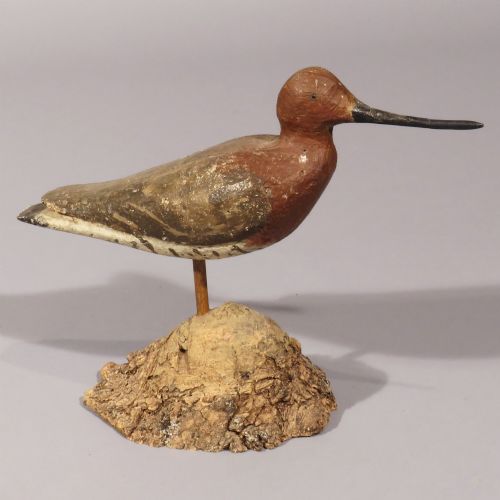
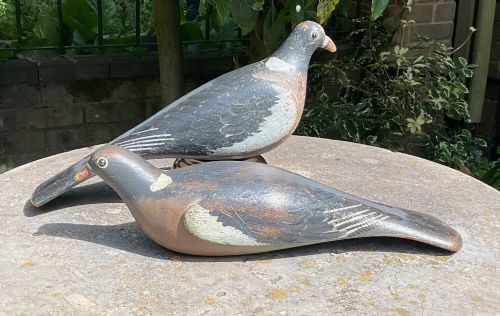
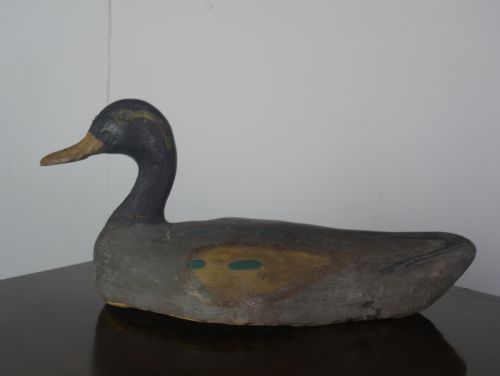
A vintage carved bird decoy represents working waterfowl and field birds, originating primarily from the nineteenth century through to the nineteen-thirties. Buyers searching for a vintage carved bird decoy will encounter various avian forms, from ducks and pigeons to geese, loons, and doves.
The objects stem from English, French, and broader country folk art traditions. Most examples take the form of decoy ducks and pigeons, reflecting their practical origins in shooting and trapping before shifting entirely into decorative domestic objects.
Materials and construction
Makers shaped these birds primarily from solid timber and wood, sometimes incorporating bark, metal, iron, and glass eyes to achieve a lifelike presence. The structural form relies on hand carving, creating robust bodies designed to float or sit firmly on land.
Surface finish is integral to the construction, with many pieces retaining original hand-painted pigments. Over decades, this paint weathers and wears, leaving patinated surfaces that show the utilitarian history of each decoy.
One notable loon decoy comes accompanied by its tiny attached chick, proving that even working waterfowl carvers had a soft spot.
Assessing quality and character
Quality rests upon the vigour of the carving and the fidelity of the bird's posture. Stronger pieces display confident lines that capture the natural alertness of a duck, goose, or pigeon rather than a stiff geometric form.
The integrity of the original paint surface dictates much of the visual appeal. Surviving pigment with honest wear elevates a piece above later repaint jobs, preserving the authentic folk art texture.
The Vintage Carved Bird Decoy Glossary
- Decoy
- An artificial bird used to attract wildfowl within range of a shooter. These working objects are now collected as decorative sculptures.
- Folk art
- Utilitarian items made by self-taught or rural artisans without formal academic training. This tradition accounts for the charming irregularity found in country pieces.
- Patina
- The surface sheen and wear developed over decades through handling and exposure. It indicates age and distinguishes genuine period pieces from modern reproductions.
- Dovecote
- A structure or enclosure for housing doves or pigeons, associated with specialised decoy types used in country estates.
Vintage Carved Bird Decoy: Frequently Asked Questions
What birds are represented?
The selection includes ducks, pigeons, geese, doves, loons, and godwits. Ducks and pigeons appear most frequently among the available works.
Each species reflects the specific shooting practices and rural environments of its origin, ranging from riverbanks to agricultural fields.
Are these pieces waterproof?
While originally designed to float on water during hunts, contemporary examples function primarily as decorative interior objects. Extended exposure to moisture can damage aged timber and flaking paint.
Display them on shelves, mantels, or tables rather than returning them to ponds or lakes.
How do I date a decoy?
Dating relies on the tool marks left by the carver, the species style, and the composition of the paint layers. Nineteenth-century examples often feature heavier, simpler timber shaping.
Twentieth-century pieces from the Edwardian era and the nineteen-thirties introduce slightly more refined profiling while retaining hand-carved traits.
Where should I display them?
These sculptures suit rustic interiors, studies, or country kitchens, often displayed in pairs or small groupings. Their sculptural silhouettes work well on plain wooden surfaces where the painted texture stands out.
Keep them away from direct heat sources to protect the aged wood and original pigments.