
Vintage Carved Animal
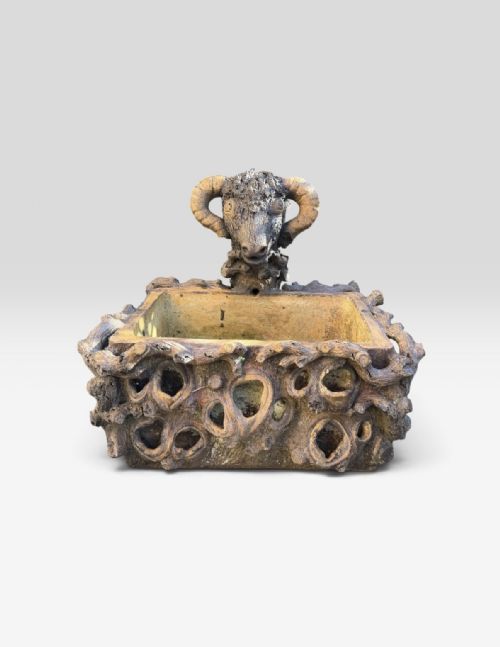
Vintage carved animal figures bring character and history into a room through diverse sculptural forms shaped from wood, stone, and bone.
Vintage Carved Animal
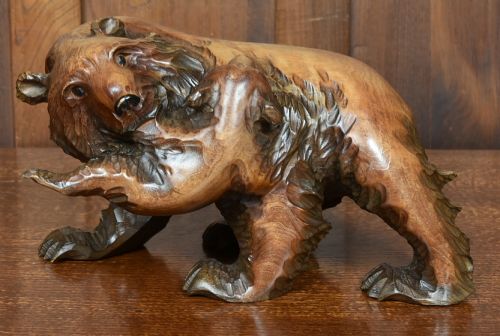
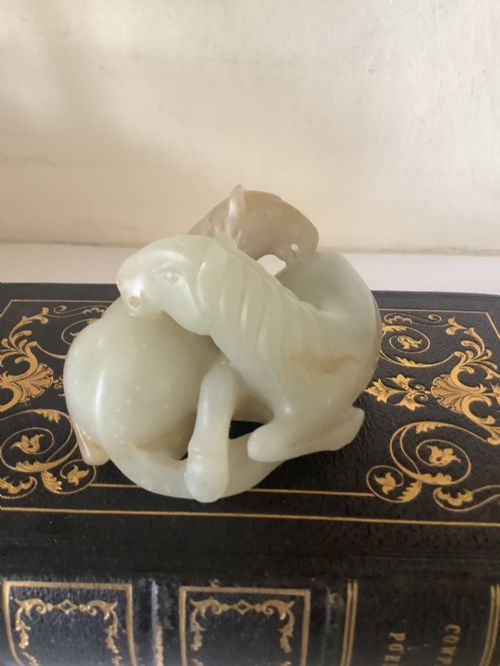
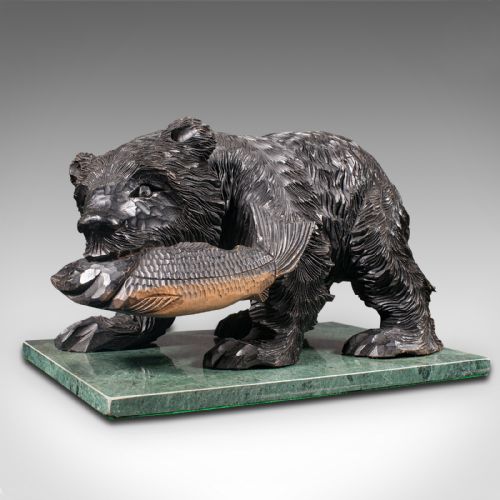
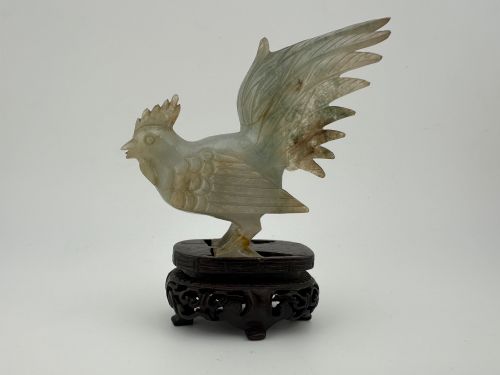
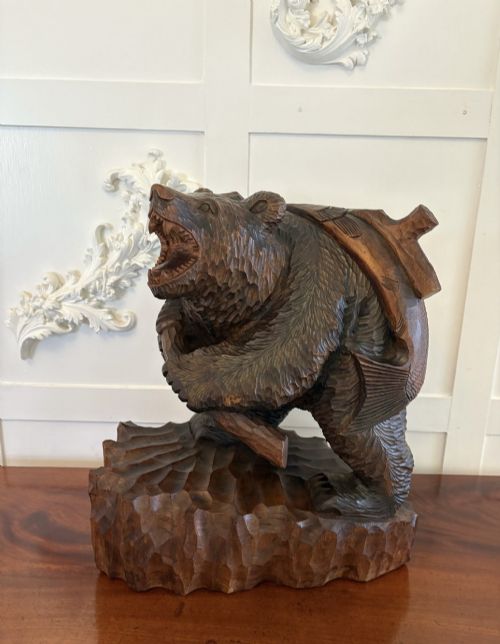
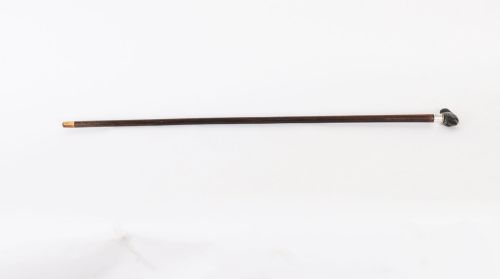
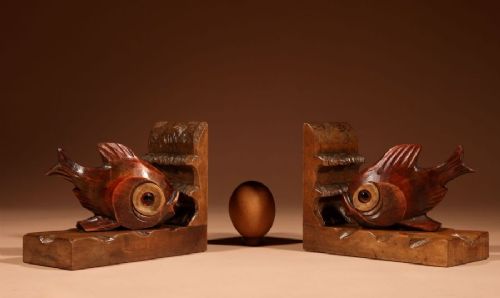
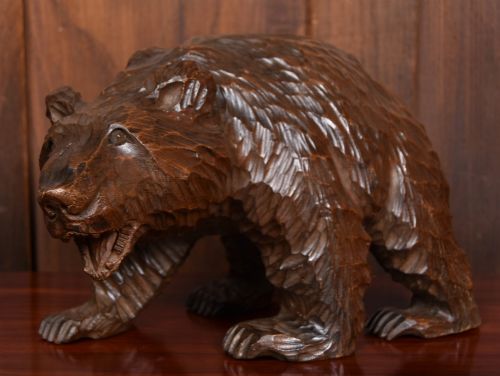
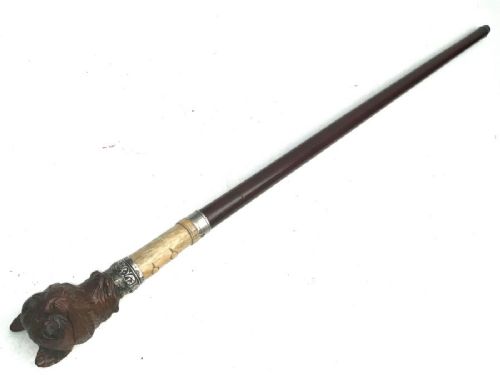
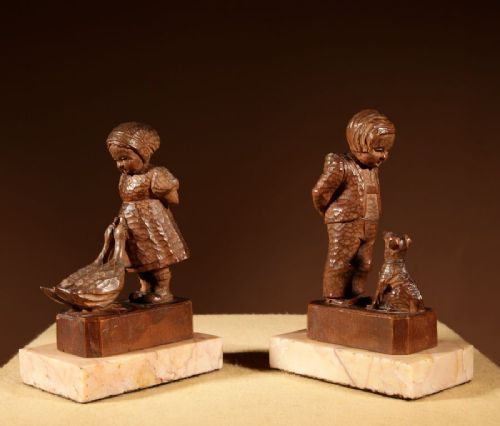
A vintage carved animal search uncovers a broad array of sculptural objects, from Japanese cedar bears and Chinese jade cockerels to Black Forest bookends and French silver-handled walking canes.
The pieces span periods from the nineteenth century through the 1940s, originating across European, Asian, and folk art traditions.
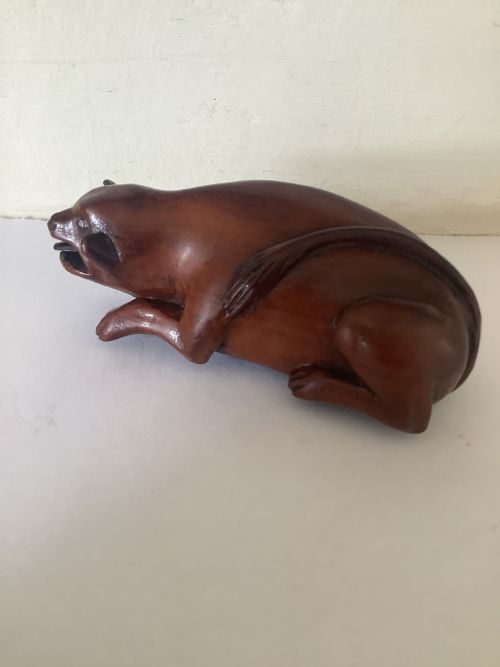
Buyers will frequently encounter sculptural figures, functional bookends, and novelty cane handles shaped as bears, elephants, owls, and dogs.
Materials and Technique
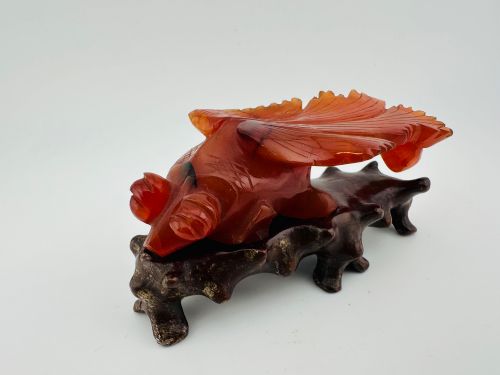
Craftsmen shaped these items primarily from wood, hardwood, and linden wood, alongside carved stone varieties like soapstone, jade, and carnelian agate.
Certain objects incorporate alternative elements including bone, horn, glass, paint, and silver details.
Makers utilised hand-carving techniques, often finishing wooden surfaces with paint or leaving the natural grain exposed to highlight the animal subjects.
Several bears carry fish, while a determined Saint Bernard is ready for alpine rescue duty.
The Spectrum of Execution
Quality rests in the precision and expression of the carving, distinguishing lifelike anatomical detail or spirited folk art charm from stiff, plain production.
The choice of material dictates much of the distinction, where dense hardwoods, unblemished jade, or fitted silver mounts elevate a piece above simpler painted pine or softwood.
The Vintage Carved Animal Glossary
- Black Forest
- A style of wood carving originating in the mountainous region of central Europe, renowned for detailed animal sculptures and novelty bookends. These pieces frequently depict bears, owls, and deer.
- Kibori Kuma
- A traditional style of Japanese wood-carved bear produced extensively as folk art. These wooden figures often feature textured fur and expressive postures.
- Raj Period
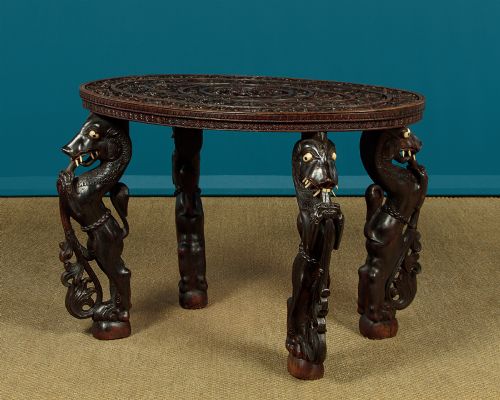
- The era of British rule in the Indian subcontinent spanning the nineteenth and early twentieth centuries. Items from this period often include intricately carved teak and hardwood elephants.
- Hardstone
- A term used in lapidary arts for semi-precious stones such as jade, carnelian, and agate. Carvers shaped these durable materials into miniature animal figurines and decorative objects.
Vintage Carved Animal: Frequently Asked Questions
What animals appear most often?
Bears, elephants, and owls dominate the selection, appearing across multiple periods and regional styles.
Canes and bookends also frequently showcase dogs, birds, and aquatic creatures.
How are wooden pieces dated?
Dating relies on stylistic markers, tool marks, wood shrinkage, and regional carving conventions associated with specific decades.
Documentation or historical context from the maker or region helps confirm the era.
Where were Black Forest carvings made?
These pieces originated primarily in the rural wood-carving communities of Switzerland and Germany during the nineteenth and early twentieth centuries.
Local artisans specialised in creating expressive woodland creatures for the European and export markets.