





Vintage Carpet Bag
A vintage carpet bag is a textile piece formed from tribal weaving, offering structured utility or wall display from nineteenth-century nomadic cultures.
Vintage Carpet Bag
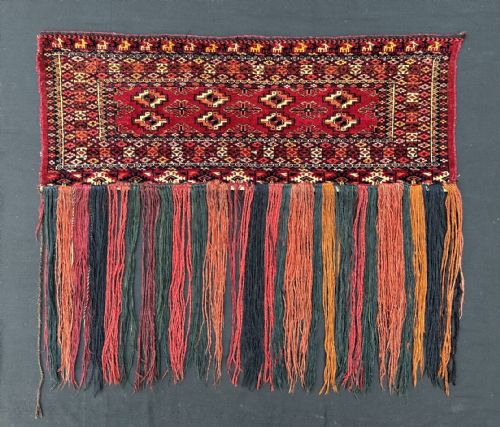
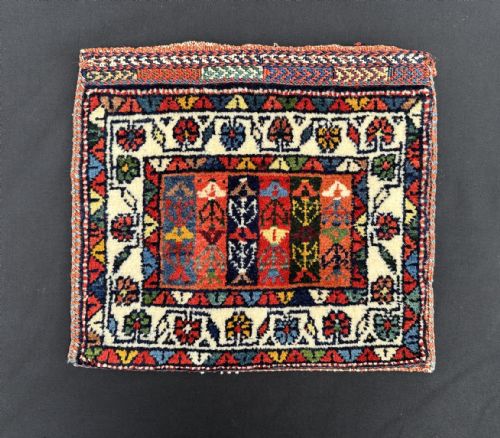
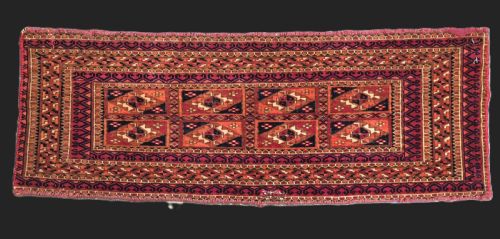
When you search for a vintage carpet bag, you encounter tribal bags, storage faces, and saddle bags originating from Central Asian and Persian nomads. The listings on this page span the mid-nineteenth century to the early twentieth century, taking forms such as torbas, chuvals, and vanity bags.
Materials and construction methods
These pieces are constructed primarily from hand-spun wool and cotton, utilising natural dyes to achieve deep regional palettes across tribal grounds. Artisans wove intricate geometric motifs, incorporating soumak techniques and plain weave backs into functional domestic objects.
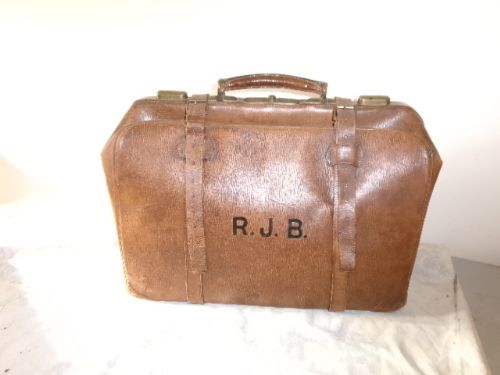
Leather, brass, and iron appear in specific luggage examples, whilst textile pieces rely purely on wool and occasionally silk elements. The structural integrity depends on tight knotting and durable flatweave construction designed to withstand nomadic daily life.
Variations in quality and execution
Quality in these textiles rests upon the density of the weave and the clarity of the natural dyes used by the weaver. Finer knot counts and complex gul arrangements distinguish superior tribal examples from standard utility pieces.
The preservation of original backs, structural completeness, and the crispness of secondary design elements such as curled leaves or animal motifs elevate certain bag faces above others.
Finnigan's Manchester
The Vintage Carpet Bag Glossary
- Chuval
- A large tent-storage bag produced by Turkmen and other nomadic tribes for household goods. These were traditionally mounted inside yurts to hold bedding and clothing.
- Torba
- A smaller rectangular storage bag used across Central Asia, often hung on tent walls for personal items. They frequently display distinct primary guls specific to the weaving tribe.
- Gul
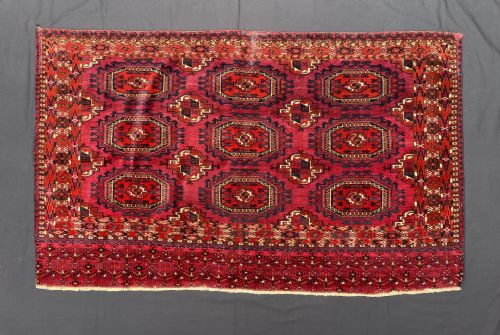
- An octagonal medallion or repeating primary motif found in Turkmen and Central Asian tribal weaving. Each pattern often identifies the specific clan or sub-tribe that created the textile.
- Soumak
- A flat-weave technique where coloured warp and weft threads wrap over and under the foundation yarns to create a textured, durable surface. This method produces crisp geometric designs without pile.
- Mafrash
- A trapezoidal bedding bag or storage chest face woven by Persian and Caucasian tribes. They are typically encountered today as separated panels or flattened storage faces.
Vintage Carpet Bag: Frequently Asked Questions
What is a vintage carpet bag used for today?
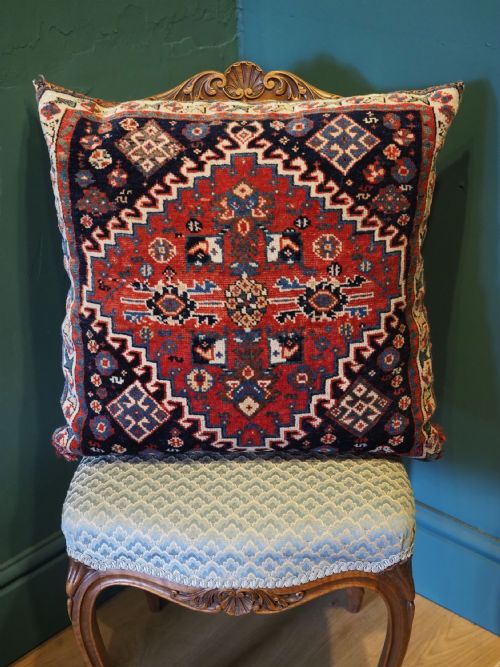
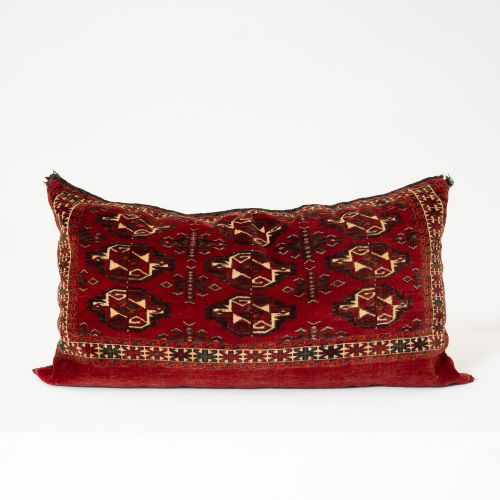
These historical textiles adapt well into modern interiors as decorative wall hangings, framed panels, or plush scatter cushions. Their sturdy wool construction allows them to function as floor rugs or unique tabletop displays.
Collectors often preserve complete bags or bag faces to showcase traditional nomadic artistry on residential walls. They bring tactile warmth and historical pattern into contemporary living spaces without requiring heavy restoration.
How do I identify a Turkmen chuval?
A chuval typically presents as a large rectangular format featuring multiple rows of primary guls, most commonly associated with Tekke or Yomut tribes. These pieces served as primary storage sacks inside traditional tents.
Examining the upper border and the presence of a plain weave back helps confirm the original bag structure. The specific arrangement of the medallions points directly to the desert or steppe origin.
Were these bags made by nomads?
The majority of these textiles originate from pastoral nomadic and semi-nomadic groups traversing the steppes of Central Asia and the highlands of Persia. Tribes such as the Shahsavan, Luri, and various Turkmen confederations produced them for practical daily transport.
Weavers utilised locally sourced wool and natural dyes, embedding tribal identity directly into the geometric patterns of the storage sacks. Each piece reflects the functional requirements of a mobile lifestyle.
How should I care for a textile bag face?
Gentle vacuuming with low suction helps remove surface dust from wool surfaces without disturbing the pile or flatweave structure. Keeping the textile away from direct sunlight prevents natural dyes from fading over time.
Professional textile conservators should handle any deep cleaning or mounting requirements for fragile nineteenth-century pieces. Proper air circulation behind wall-mounted items protects the natural fibres from moisture accumulation.