
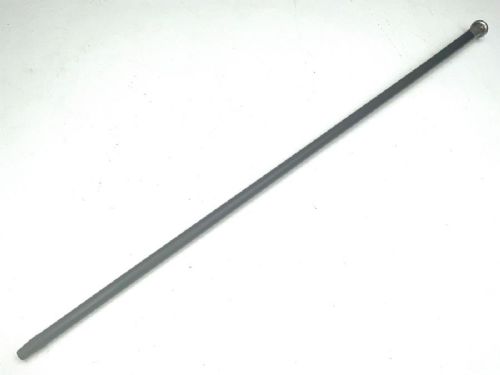
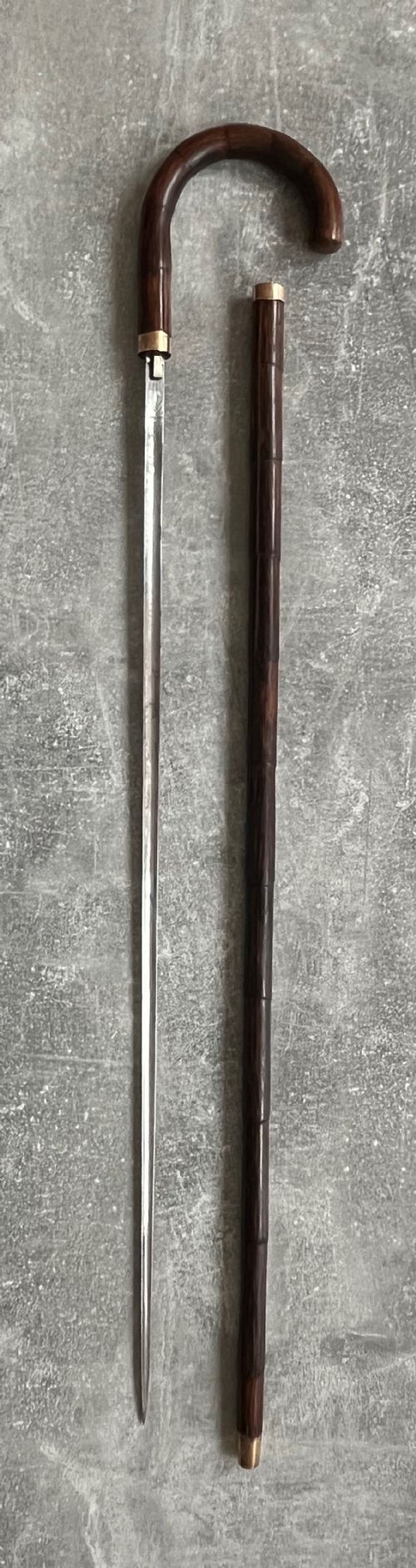
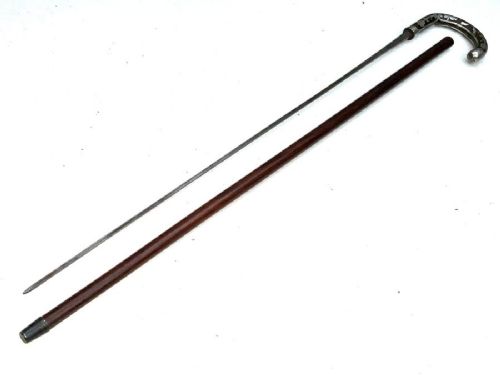
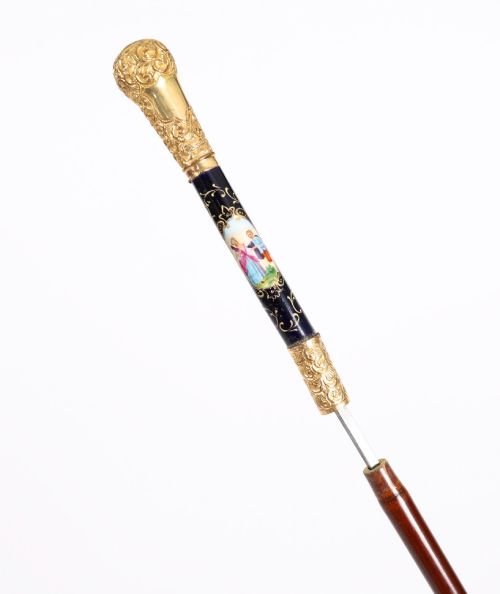


Vintage Cane with Blade
A vintage cane with blade is a gentleman's accessory housing a concealed steel weapon, offering discreet personal protection with period style.
Vintage Cane with Blade
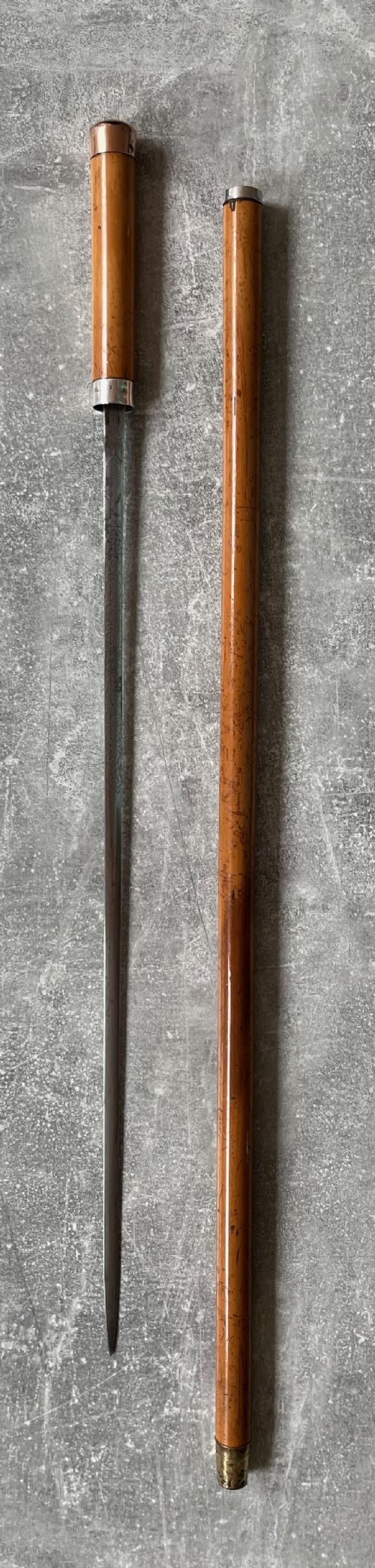
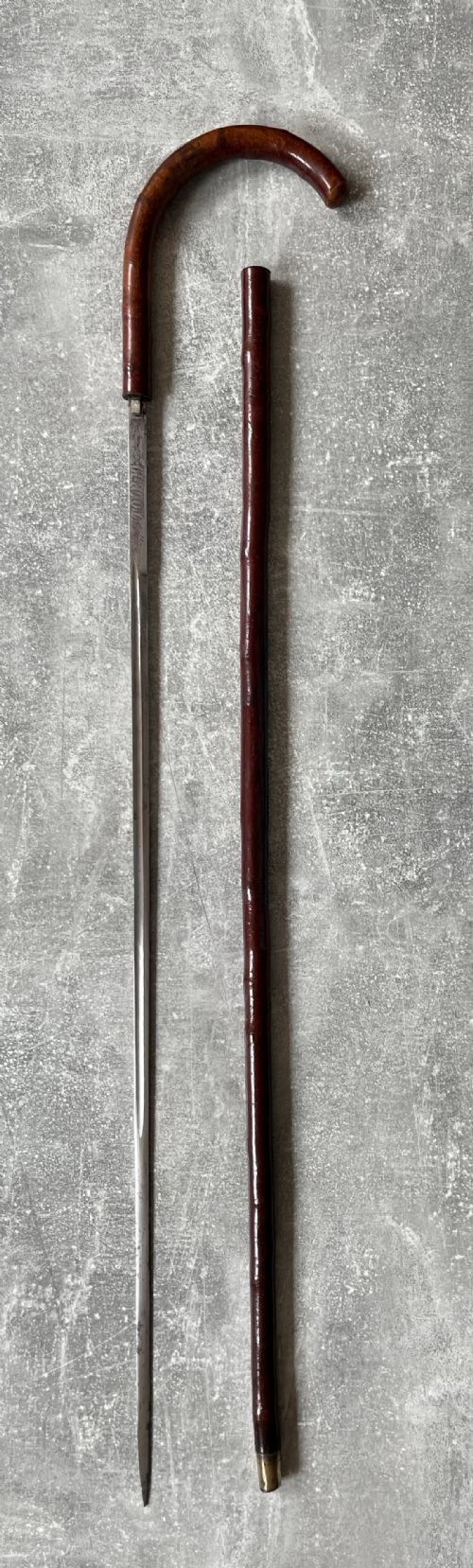
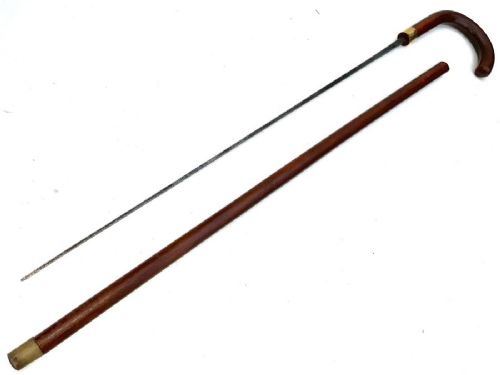
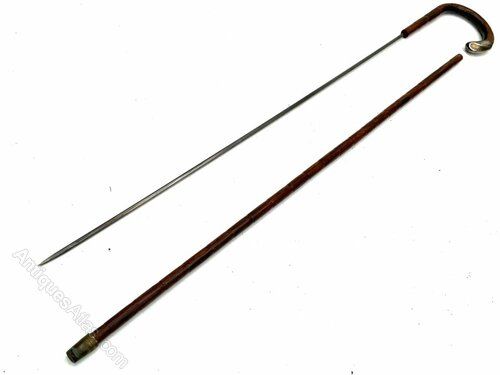
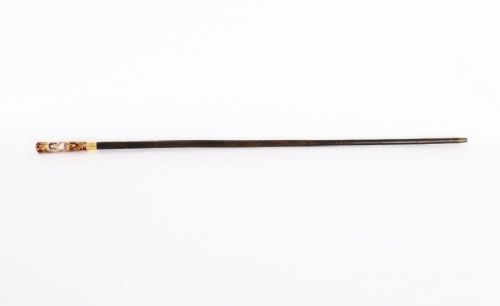
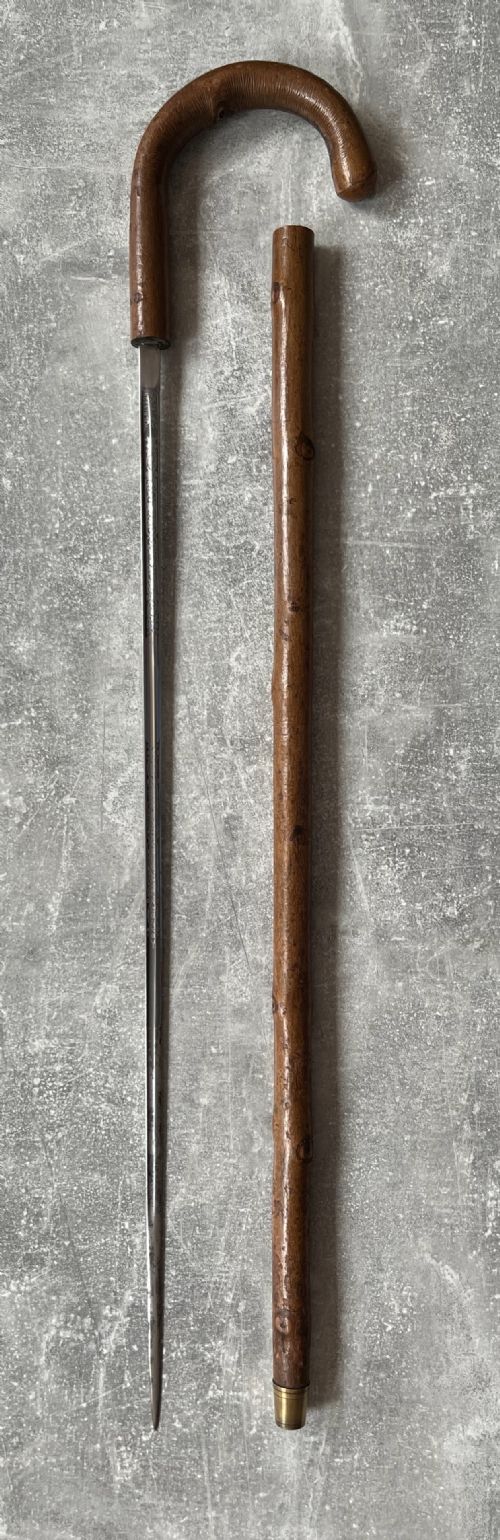
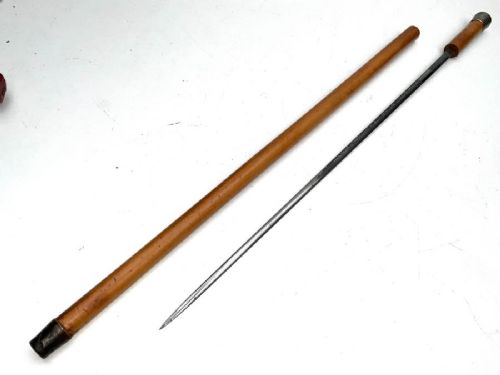
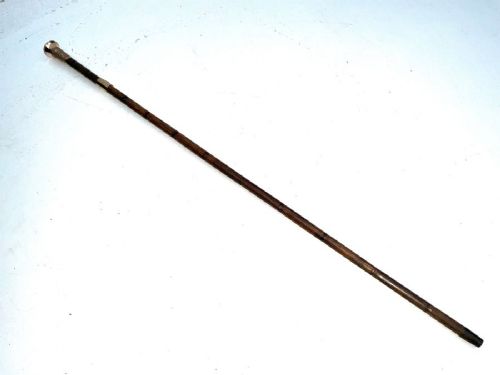
When you search for vintage cane with blade, you find walking sticks and sword sticks originating from the Victorian, Edwardian, and early twentieth century periods. These items combine the everyday utility of a gentleman's walking stick with a hidden steel blade housed securely inside the shaft.
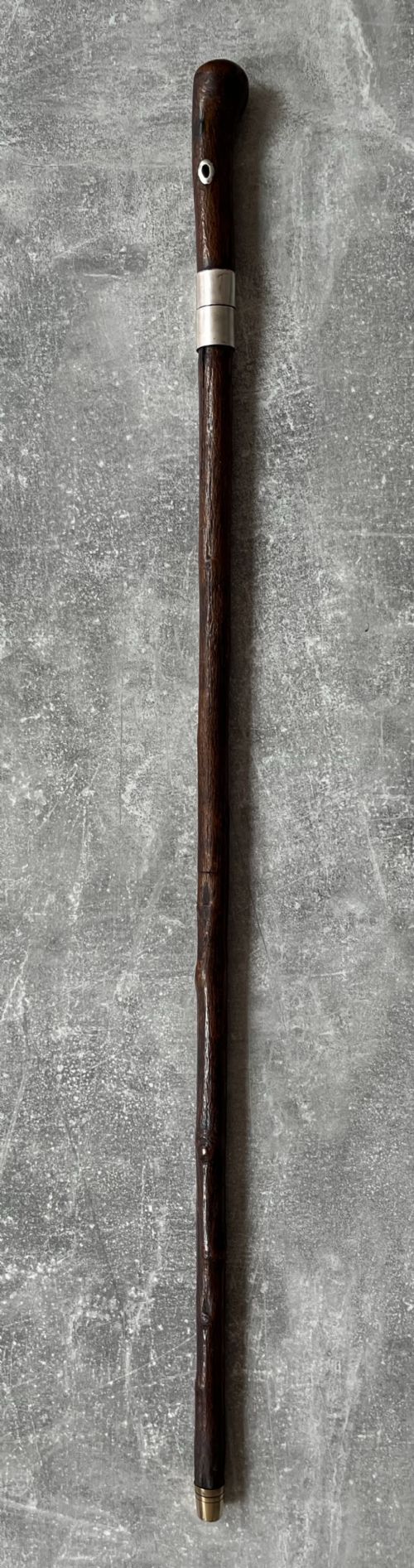
The versions you meet most frequently on this page include malacca, bamboo, and various hardwoods fitted with button releases, screw joints, or simple pull mechanisms. Handles range from simple crook shapes and root ends to carved horn, bone pistol grips, and silver horse heads.
Masonic examples and pieces featuring decorated blades or specific regional woods like Irish blackthorn also appear among the selection. Each item reflects the social habits and self-defence needs of the late nineteenth and early twentieth centuries.
How they were made
Maker's workshops built these walking sticks using natural materials such as malacca, bamboo, cherrywood, partridge wood, holly, and hazel for the exterior shafts. Artisans fitted metal collars in silver, brass, or plain metal to reinforce the upper section where the handle meets the shaft.
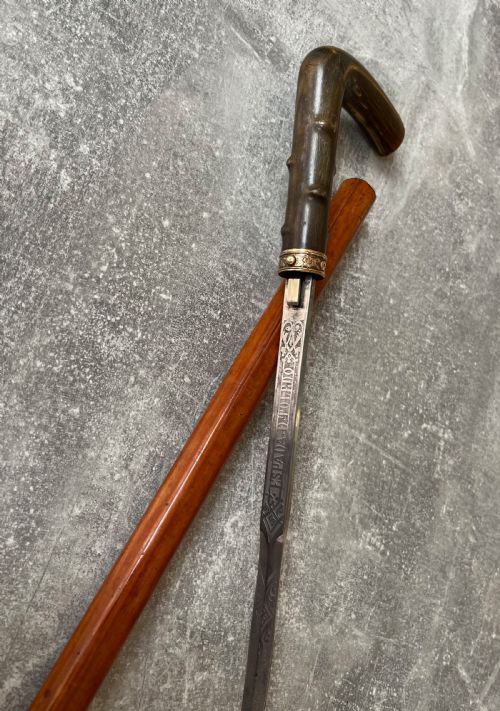
Inside the wooden housing, craftsmen installed steel blades, often featuring etched designs or Toledo origins alongside maker marks like Wilkinson. Handles carved from bone, horn, leather, and silver completed the construction, secured with internal mechanisms for rapid deployment.
Listings span the Victorian and Edwardian eras into the 1930s, featuring materials such as malacca, silver, steel, and horn.
What varies in quality
The standard of materials dictates the upper tier, where selected malacca or patterned hardwoods meet heavy silver mounts and branded steel blades such as Wilkinson or Toledo. Simpler utility pieces utilise basic ebonised wood or plain bamboo with standard metal collars.
Craftsmanship in the locking mechanism and the fit of the blade inside the shaft distinguish finer examples from standard items. A precise button release and a flush, secure closure demonstrate superior workshop execution.
Wilkinson
The Vintage Cane with Blade Glossary
- Malacca
- A sturdy rattan cane imported from Southeast Asia, prized for its mottled brown finish and strength in sword stick manufacturing.
- Toledo blade
- A steel blade produced in the Spanish city renowned for historic sword-making traditions, often found etched in Victorian examples.
- Knop
- A rounded knob or handle at the top of a walking stick, frequently fashioned from bone, horn, or silver.
- Collar
- A metal band, often silver or brass, fitted around the neck of the stick to prevent the wood from splitting.
Vintage Cane with Blade: Frequently Asked Questions
How do you release the blade?
Most pieces utilise either a discreet push button release mechanism or a simple pull-apart friction fit between the handle and the wooden shaft.
Pressing the button or pulling the handle straight out disengages the internal catch and reveals the steel blade hidden inside.
What woods were commonly used?
Maker workshops utilised malacca, bamboo, cherrywood, partridge wood, holly, hazel, and Irish blackthorn for the outer shafts of these items.
Some pieces also feature leather coverings over the wooden core for added grip and distinct appearance.
How can I date my stick?
Hallmarks on silver collars and mounts provide the most precise indication of year and origin, often referencing London assays.
Stylistic details like bone pistol grips, carved horse heads, and specific handle shapes align with Victorian and Edwardian periods.
Were these used for defense?
Gentlemen carried these items during the nineteenth and early twentieth centuries as a dual-purpose walking aid and personal protection tool.
The concealed blade provided security while navigating poorly lit Victorian and Edwardian streets.