




Vintage Cane Container
A vintage cane container keeps hallway umbrellas and walking sticks tidy while bringing character and texture to the entrance.
Vintage Cane Container
A vintage cane container serves primarily as a domestic holder for umbrellas, parasols and walking sticks, appearing frequently in forms such as umbrella stands, stick stands and baskets. These pieces originate across the nineteenth and twentieth centuries, spanning Victorian, Edwardian and Art Deco periods.
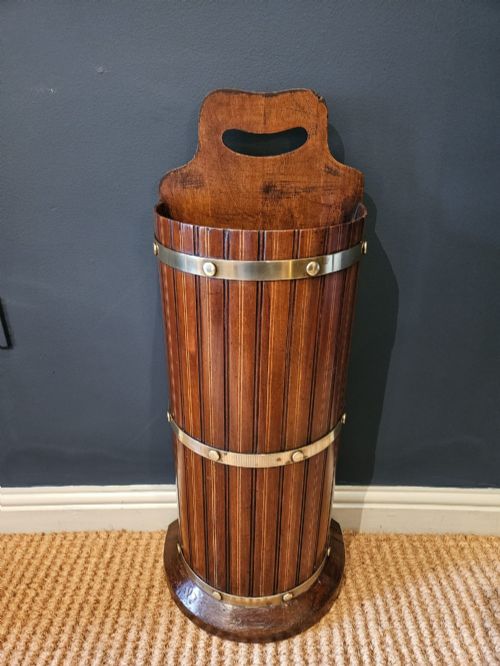
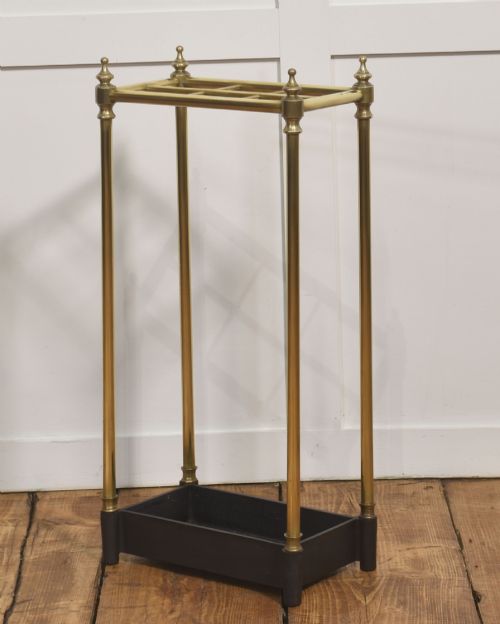
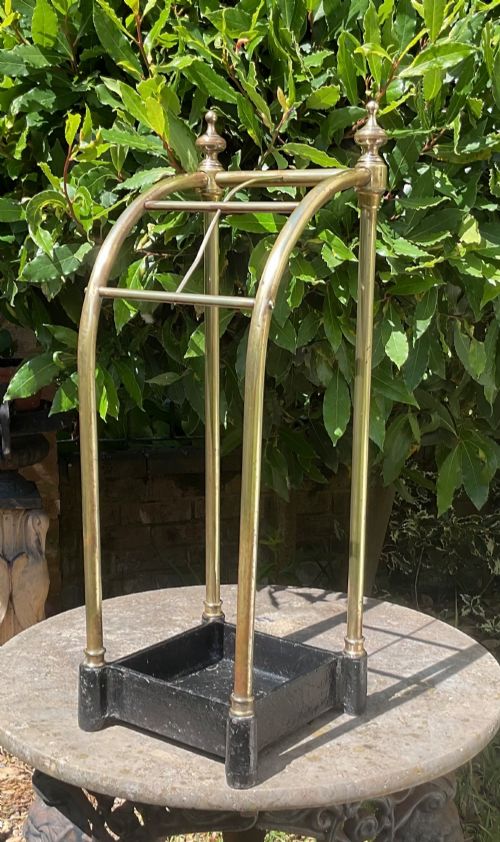
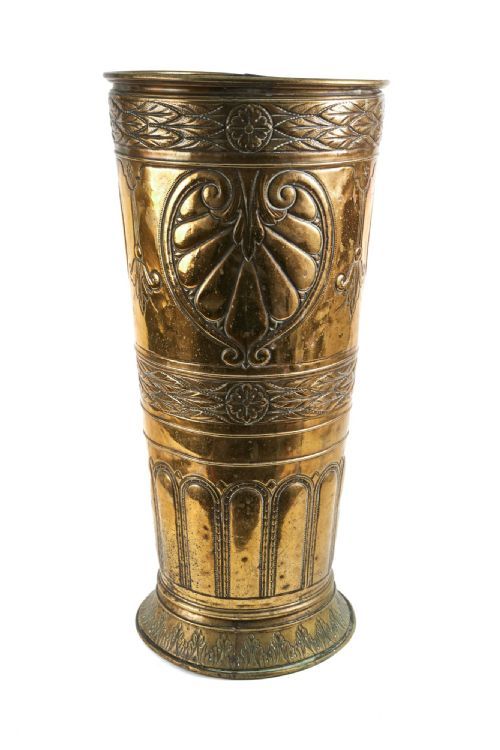
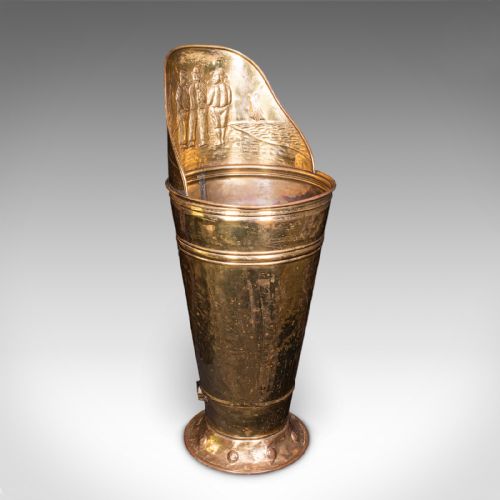
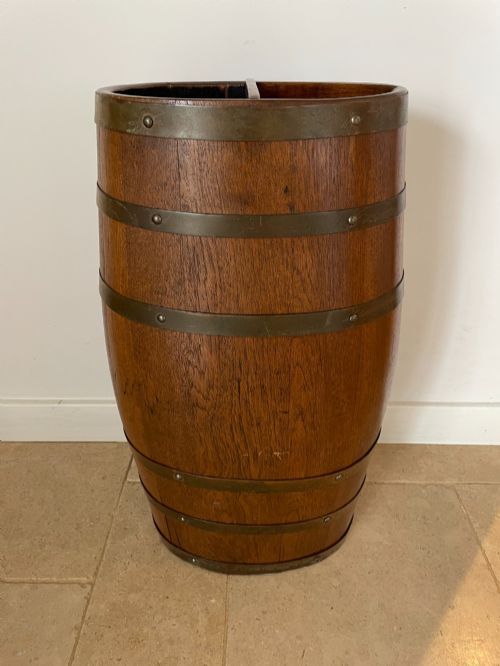
Buyers most commonly encounter cylindrical or demi-lune metal and wood receptacles designed to stand neatly against a hallway wall. The selection ranges from robust oak barrels bound in brass to pierced metal buckets and woven baskets.
Materials and construction
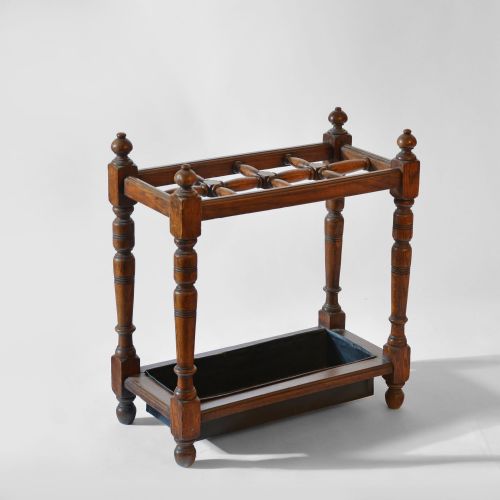
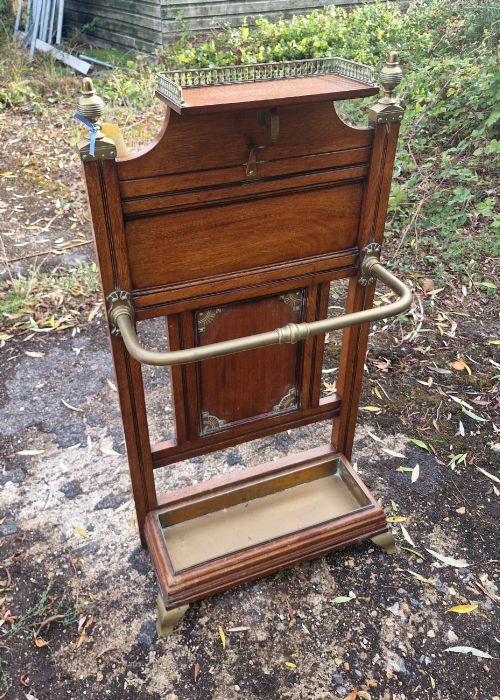
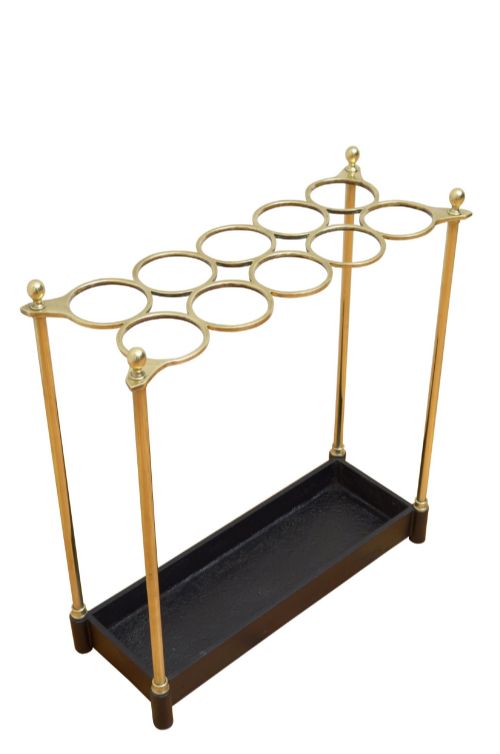
Maker construction relies heavily on durable timbers like oak and mahogany, often shaped using cooperage techniques with metal hoops or brass banding to secure the staves. Other examples utilise cast iron, wrought iron, copper and brass, sometimes featuring decorative finials or pierced sheet metal bodies.
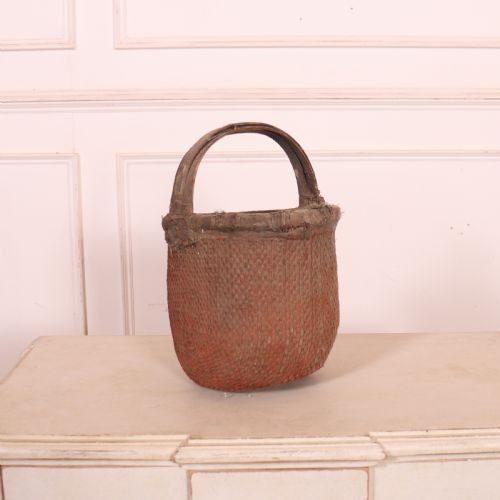
Woven plant fibres appear in basketry forms, while select pieces incorporate leather or painted wooden finishes. These varied materials reflect domestic utility combined with the decorative tastes of country houses and urban halls.
Some copper umbrella buckets spent decades quietly catching hallway drips before retiring to civilian life as decorative fireside companions.
Distinctions in quality
Quality rests upon the integrity of the primary materials and the skill of the original construction, such as tightly fitted wooden staves and securely joined metal seams. Heavier gauges of brass, substantial cast iron and well-seasoned oak indicate superior build.
Fine detailing, including decorative ball finials, pierced metal patterns and thoughtful proportions, elevates a utilitarian hallway object into a piece of considered interior furnishing.
The Vintage Cane Container Glossary
- Coopered
- Built from curved wooden staves bound together with hoops, similar to barrel construction. This traditional method ensures structural strength for holding damp walking sticks.
- Demi-lune
- Shaped like a half-moon or semicircle. Such pieces sit flush against a hallway wall to save floor space.
- Bergere
- A type of woven cane panelling using wicker or rattan mesh. It appears on select wooden stands for texture and ventilation.
Vintage Cane Container: Frequently Asked Questions
Where should I place a stick stand?
These holders suit entryways, hallways and porches where coats and outdoor gear collect. Their upright proportions occupy minimal floor space while keeping wet items contained.
Positioning them near the main entrance provides practical access for daily use while displaying the timber or metalwork as you enter the home.
How do I protect the floor?
Many historical umbrella holders include internal metal drip pans to catch moisture from wet items. Placing a small modern tray inside helps protect delicate floors.
Ensuring walking sticks are reasonably dry before storage prevents prolonged moisture contact with interior wood or metal bases.
How are different periods identified?
Victorian and Edwardian pieces often display heavier cast metals, ornate pierced brass, or rich mahogany and oak. Later twentieth-century items lean toward simpler Art Deco lines or stripped country oak.
Examining fixing methods, patination on metals and the type of wood construction helps clarify the likely era of manufacture.
Can these containers hold walking sticks?
Most examples are specifically designed for both walking sticks and umbrellas, featuring suitable depths and stable heavy bases. The vertical format keeps slender canes organised and visible.
Their robust construction handles the weight of heavy wooden or metal-tipped walking sticks without tipping.