
Vintage Cabinet with Mirror
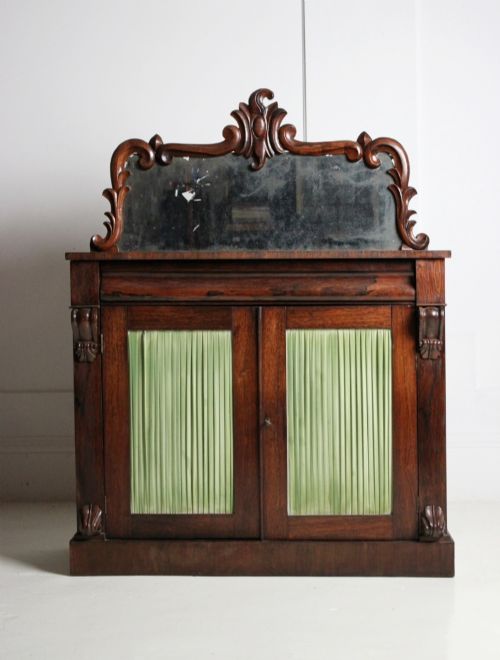
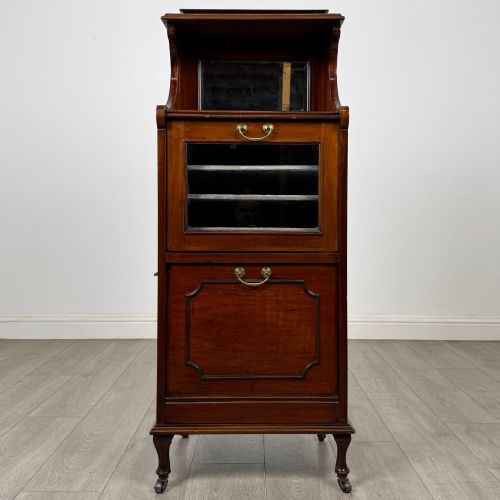
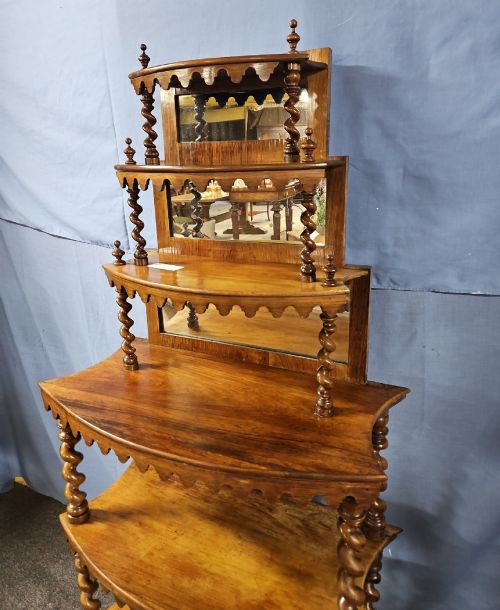
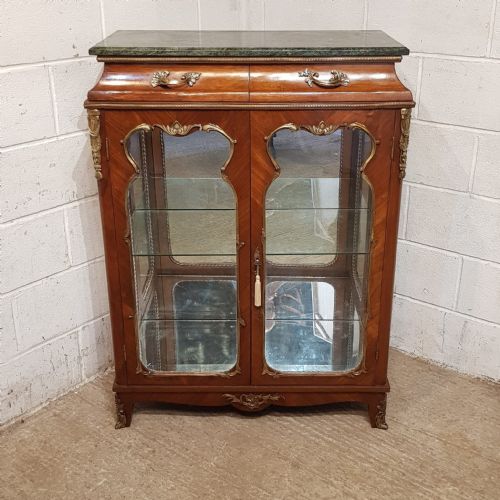
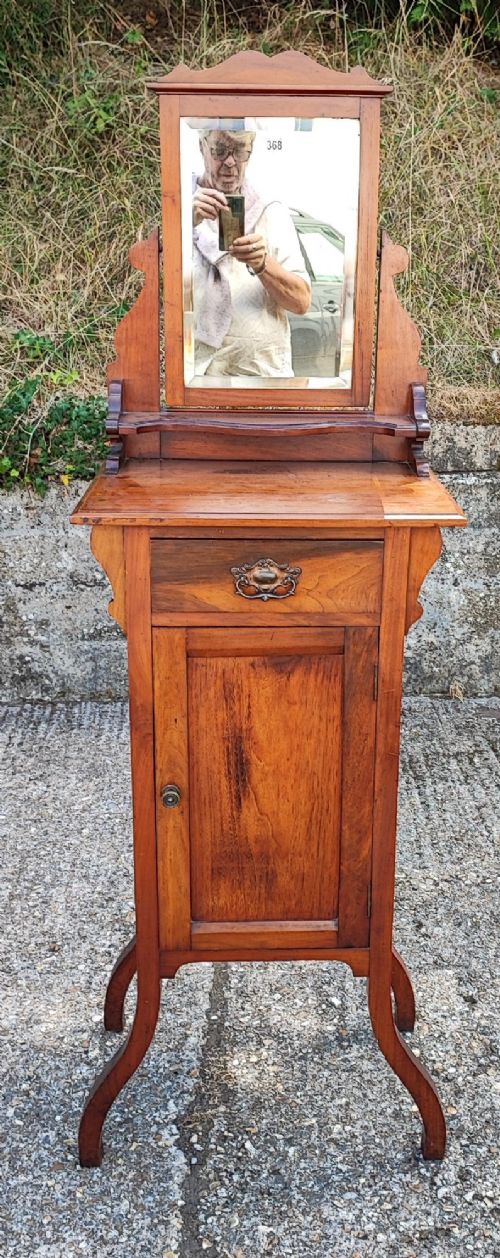
A vintage cabinet with mirror combines functional storage with reflective glass, bringing light and depth to any room.
Vintage Cabinet with Mirror
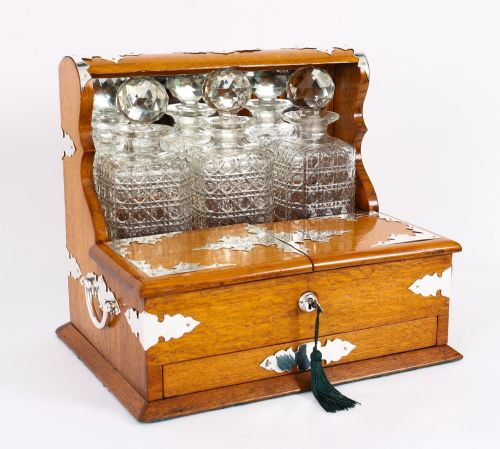
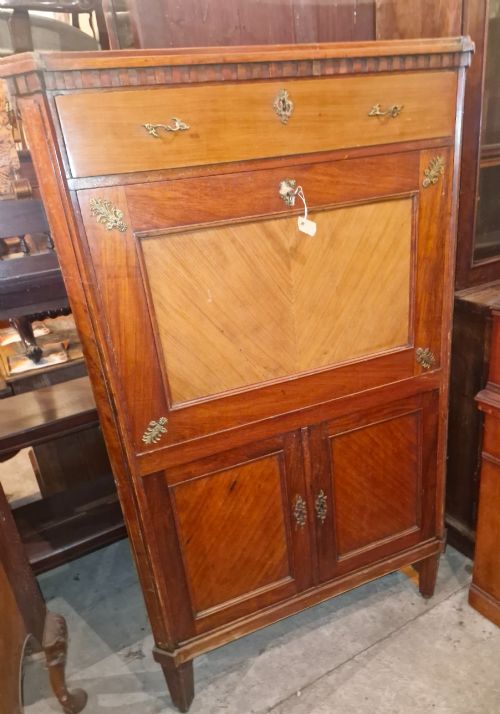
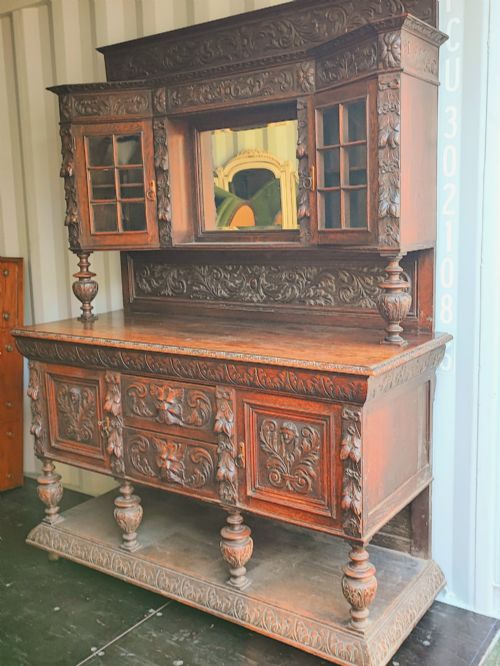
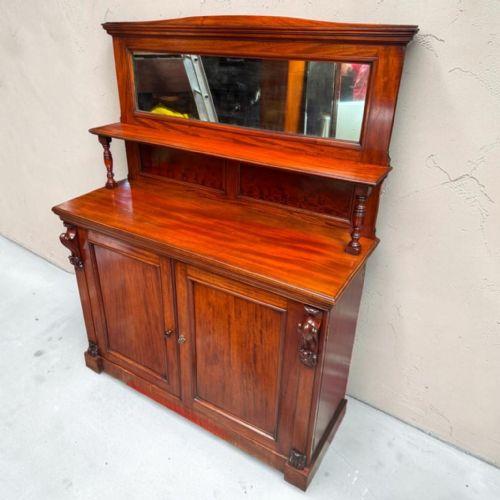
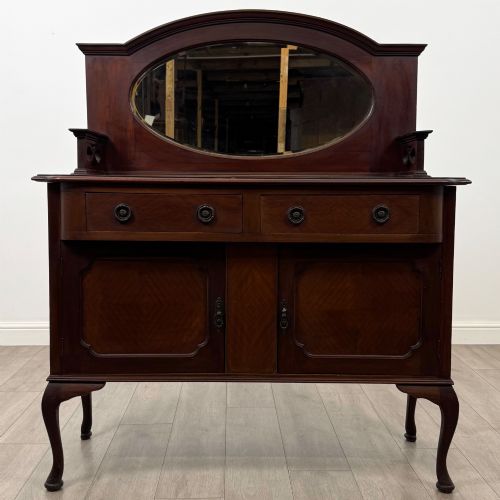
When you search for a vintage cabinet with mirror, you encounter a diverse range of furniture designed for display and daily utility. These pieces span periods from the eighteenth century through the Edwardian era and the nineteen-thirties, reflecting changing domestic habits across generations.
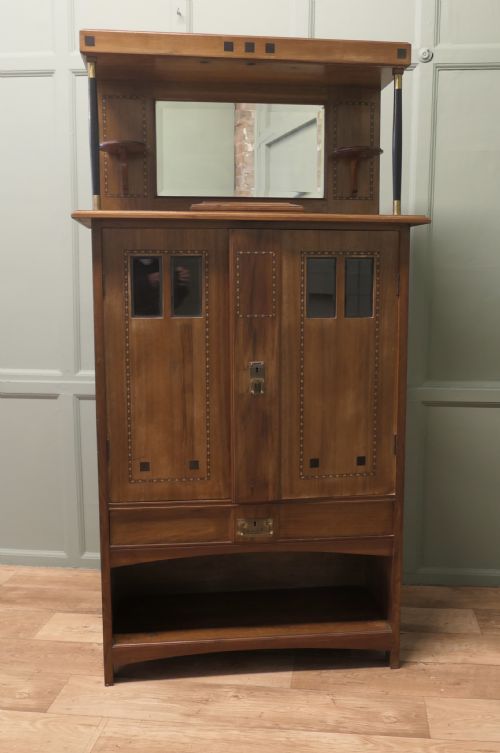
Origins vary from English workshops to continental European centres, encompassing styles from Jacobean Revival to Secessionist and Arts and Crafts. Buyers select these items to anchor a room with period character while providing practical shelving, cupboards, and glass surfaces.
Materials and construction methods
Cabinet makers utilised dense hardwoods such as mahogany, oak, walnut, and satinwood, often applying veneers and intricate inlay to enhance the grain. Structural carcass work relied on traditional joinery, while decorative elements incorporated carved wood, ormolu mounts, and majolica panels.
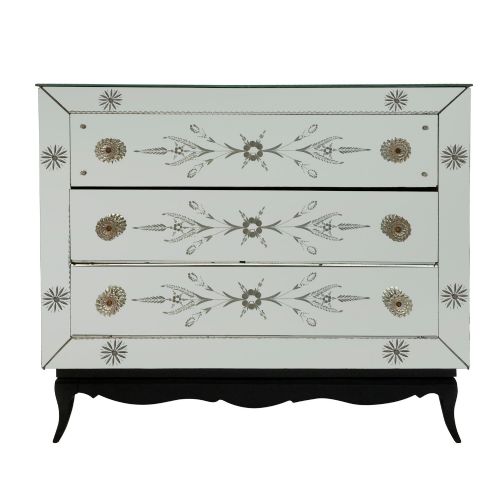
Glass production played a central role, yielding clear panes for display doors, adjustable glass shelves, and bevelled mirror plates set into backs and adjustable shields. Brass hardware, including handles, hinges, and lock escutcheons, completed the assembly of these functional storage items.
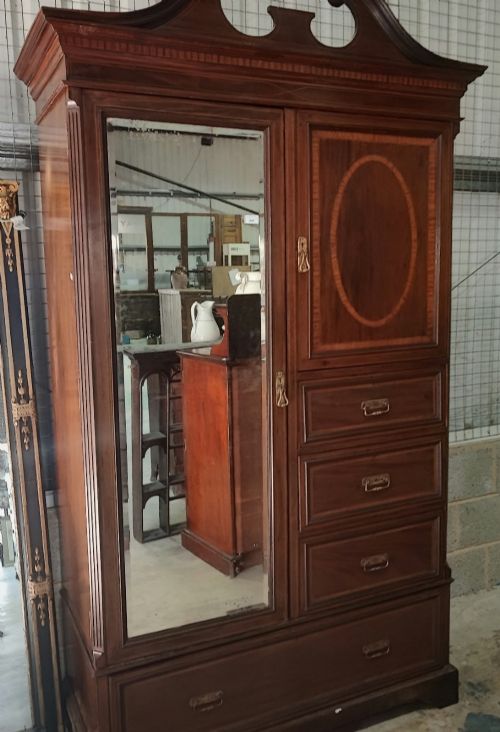
One miniature mahogany wardrobe waits quietly on this page, offering all the grandeur of a full-size bedroom piece in miniature proportions.
Quality factors in mirrored cabinets
The caliber of a piece rests upon the selection of timber and the precision of its carving and inlay work. Superior examples display carefully matched wood grains, tight joinery, and harmonious proportions between the wooden carcass and the integrated mirror glass.
Secondary details distinguish finer items, such as the quality of original brass fittings, the presence of adjustable shelving, and the clarity of the mirror plates. The integration of the mirror back into the overarching architectural style dictates the visual success of the design.
The Vintage Cabinet with Mirror Glossary
- Mirror Back
- A reflective glass panel integrated into the upper superstructure of a sideboard, dressing chest, or display cabinet. It serves to bounce light around a room and showcase objects placed on the shelf or surface below.
- Bureau Bookcase
- A dual-purpose piece featuring a sloping writing flap that opens to reveal compartments, positioned beneath enclosed shelving or display space. These items often incorporate mirrored or glass doors.
- Credenza
- A low cabinet, historically associated with high Victorian dining rooms, used for serving food and displaying plate. They frequently feature central mirrored doors flanked by curved glass or open shelving.
- Ormolu
- Gilded bronze mounts applied to furniture for decorative effect, frequently seen on revival pieces from the nineteenth and early twentieth centuries. This metalwork adds metallic contrast to dark woods like mahogany and walnut.
- Compactum
- A multi-functional wardrobe designed to maximise internal storage capacity through a combination of hanging space, drawers, and shelving within a single footprint.
Vintage Cabinet with Mirror: Frequently Asked Questions
How do I clean a vintage mirror back?
Use a soft microfibre cloth dampened slightly with distilled water or a mild vinegar solution to wipe the glass surface gently. Avoid spraying liquid directly onto the mirror, as moisture can seep behind the silvering and cause dark spots.
Dry the glass thoroughly with a clean cloth to prevent streaks. Take care not to let cleaning solutions come into contact with the surrounding wood frame or ormolu mounts.
What rooms suit a mirror back sideboard?
Dining rooms and living spaces provide the traditional setting for these large items, where the reflective glass helps to brighten darker corners. They also function well in spacious hallways as a focal point.
Ensure the wall can support the visual weight of the piece and that adequate clearance exists for opening cabinet doors and drawers. Position the item away from direct, harsh sunlight to protect the wood finish.
How do I distinguish Edwardian from Victorian cabinets?
Victorian furniture tends to feature heavier proportions, darker woods, and more elaborate carving influenced by historic revivals. Burr walnut and high gloss finishes often characterise pieces from this period.
Edwardian designs frequently exhibit lighter timbers such as satinwood and lighter oak, alongside simpler lines influenced by the Arts and Crafts movement. Inlays and satinwood banding become much more common during this later era.
Are the mirror plates original?
Original mirrors frequently display minor foxing, light scratches, or slight clouding at the edges due to age and the degradation of the backing silver. These subtle imperfections confirm the antiquity of the glass.
Pristine reflection without any signs of ageing often indicates a modern replacement glass plate. Examine the edges where the mirror meets the frame for clues regarding its original installation.