
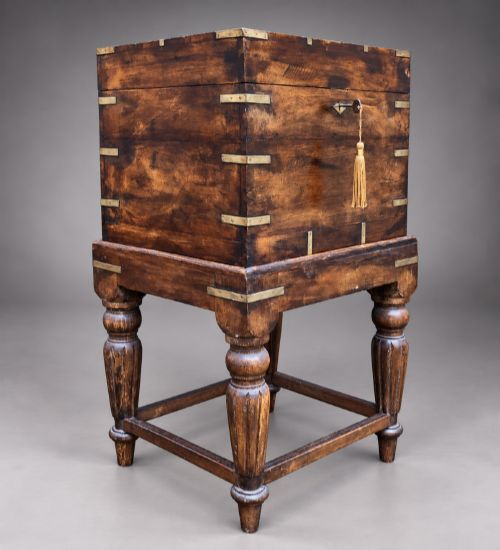
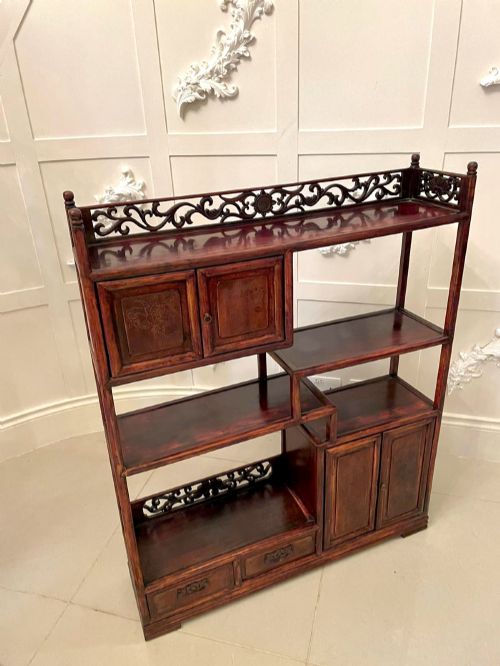
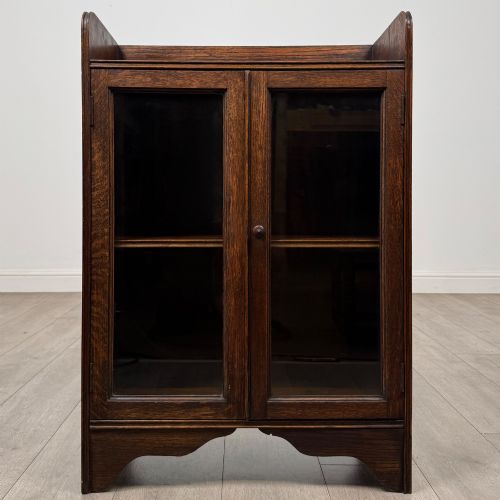
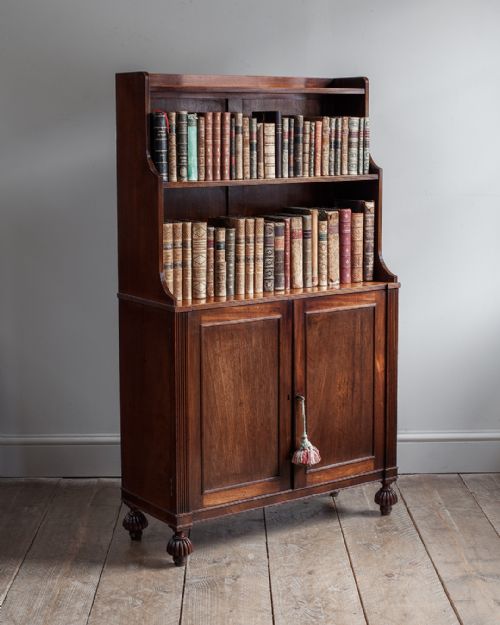
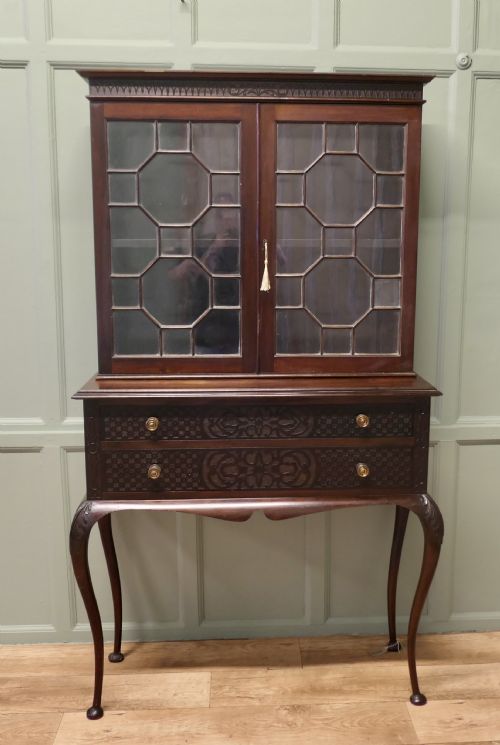
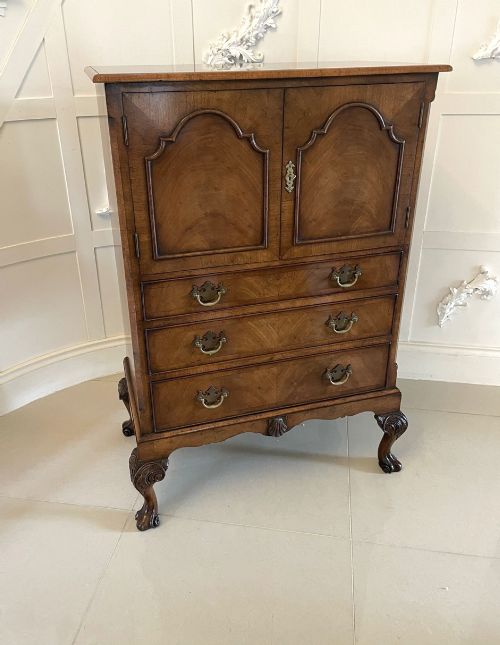
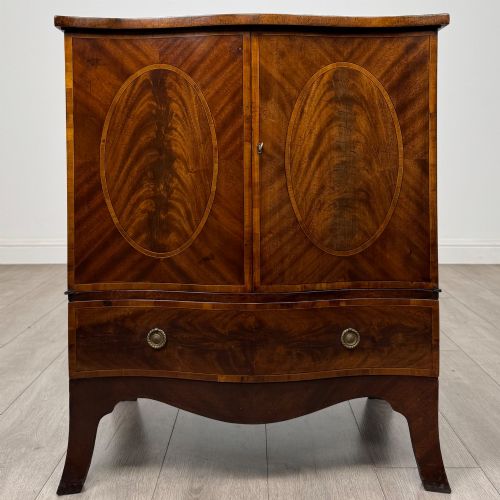
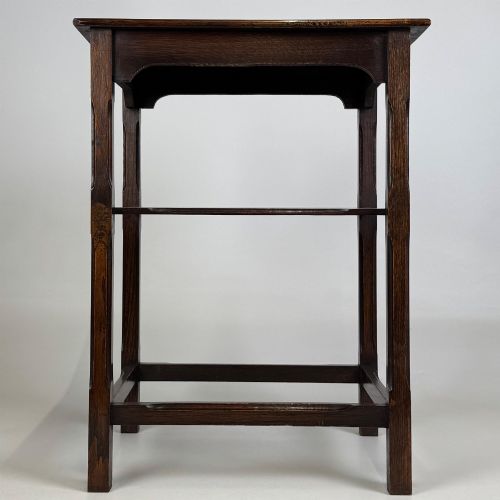
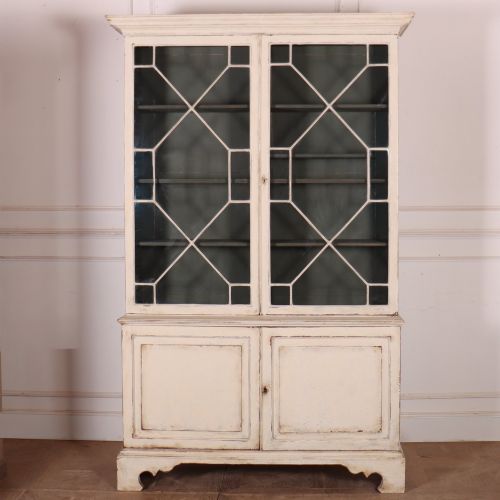
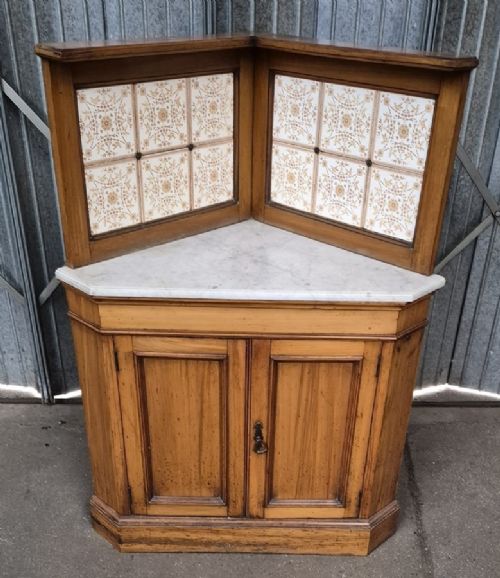
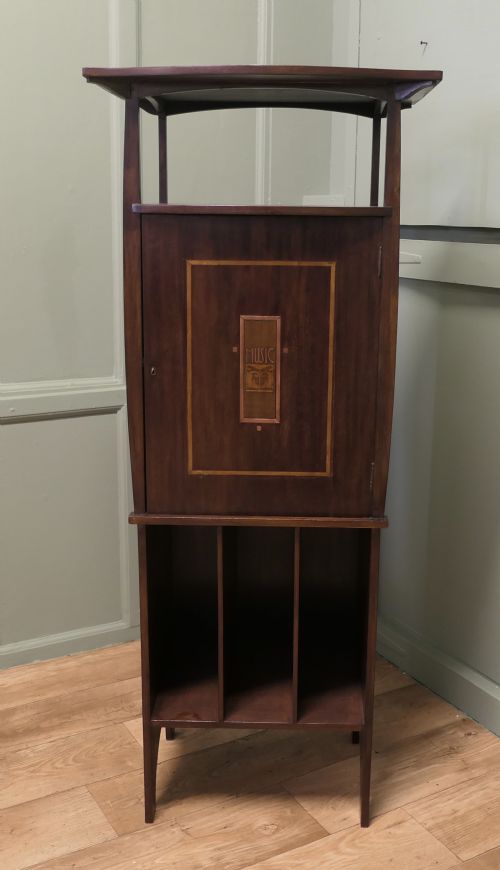


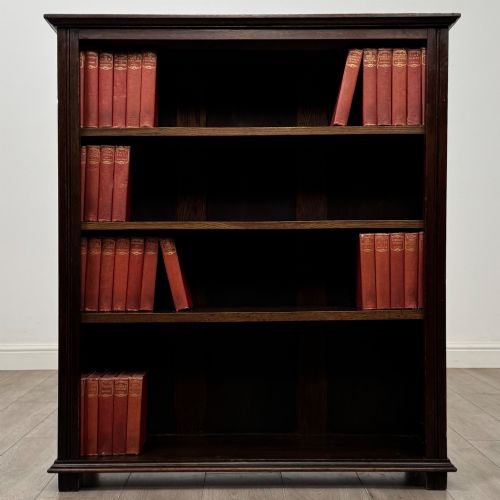
Vintage Cabinet on Stand
A vintage cabinet on stand pairs elevated storage with architectural presence, offering a practical display surface raised off the floor.
Vintage Cabinet on Stand
A vintage cabinet on stand bridges the space between storage furniture and display surfaces, appearing across periods from the eighteenth century through to the Edwardian era and the nineteen-thirties. Buyers searching for a vintage cabinet on stand encounter forms that include oak and walnut pieces elevated upon legs, alongside related chests on stands and display pieces.
The materials span oak, mahogany, walnut, and burr walnut, occasionally detailed with satinwood inlay or marble tops. These pieces originate from workshops working in Georgian, Victorian, Edwardian, and Art Deco styles, bringing varied proportions and finishes to interior spaces.
Materials and construction
Cabinets and stands are constructed from hardwoods such as mahogany, oak, and walnut, frequently utilising burr walnut veneers to create figured grain patterns across doors and drawer fronts. Inlaid details in satinwood provide contrast to the primary timber surfaces.
Structural joinery aligns with the period of manufacture, incorporating brass hardware and occasionally glass panels for glazed display doors. Stands rely on sturdy legs or framing to support the weight of the upper cabinet.
Some stands keep your china elevated just high enough to ignore the floorboards.
Distinctions in manufacture
Quality rests in the choice of timber figures, particularly the selection of burr walnut or figured mahogany veneers, and the crispness of any inlaid satinwood. Finer examples display meticulous attention to internal drawer construction and timber matching across prominent surfaces.
The relationship between the upper cabinet and its stand dictates the visual balance of the piece, with superior items showing integrated proportion and original brass mounts rather than later replacements.
GM Elwood for JS Henry·Denby & Spinks·Bruno Zach
The Vintage Cabinet on Stand Glossary
- Burr walnut
- A veneer sliced from the gnarled growths of a walnut tree, prized for its swirling, intricate grain patterns. It frequently appears on cabinet doors and tabletops from the Victorian and Edwardian periods.
- Satinwood inlay
- A decorative technique where contrasting light satinwood is fitted into recesses carved into a darker primary timber. This method creates geometric or floral borders on panels and tabletops.
- Chest on stand
- A form comprising a drawer chest elevated upon a separate or integrated open frame with legs. It reduces the visual bulk of tall storage furniture by lifting it off the floor.
- Vitrine
- A glass-fronted display cabinet designed for the showcase of porcelain, silver, or curiosities. These pieces often feature glazed sides to maximise light penetration.
- Tallboy
- A tall chest of drawers, sometimes built in two sections to facilitate movement. The form provides substantial storage capacity while maintaining a compact footprint on the floor.
Vintage Cabinet on Stand: Frequently Asked Questions
What is a vintage cabinet on stand?
A vintage cabinet on stand is a piece of furniture comprising an enclosed storage compartment or cupboard raised upon an open base or legs. This design lifts the primary body off the floor, lightening the overall visual weight of the item.
Such pieces serve as functional storage while introducing architectural height and distinct period character into a room.
How do I place one in a modern room?
These cabinets work effectively in hallways, living rooms, or dining areas where floor space permits an upright furniture silhouette. The elevated stand design allows light to pass underneath, preventing the piece from feeling heavy in smaller interiors.
Use the top surface for lamps or display items while utilising the internal cupboard space to keep everyday clutter concealed.
How do I identify the period of the wood?
Period identification relies on observing the primary timber used, the construction methods of the drawers, and the decorative vocabulary of the style. Eighteenth-century pieces typically display solid mahogany or oak construction with hand-cut dovetails, while Edwardian and later examples often incorporate machine-sawn elements and distinctive veneers.
Comparing the hardware, such as brass handles and hinges, with known period styles provides further verification of age.
Are these pieces suitable for daily use?
These cabinets are built from durable hardwoods like oak and mahogany, making them well-suited for everyday storage requirements. Regular dusting and occasional waxing help preserve the timber finish against normal household wear.
Care should be taken to place them away from direct heat sources and strong sunlight to protect the wood and any delicate veneers.