



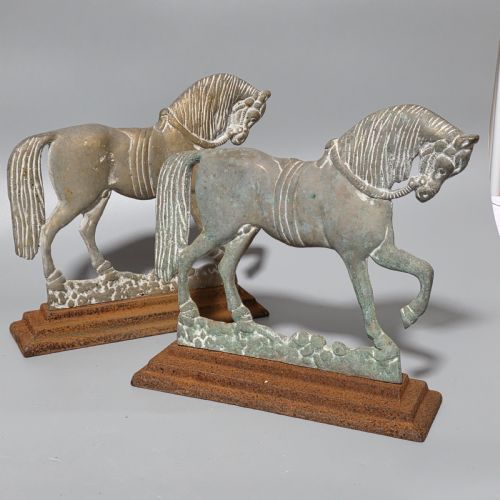
Vintage Bronze Horse
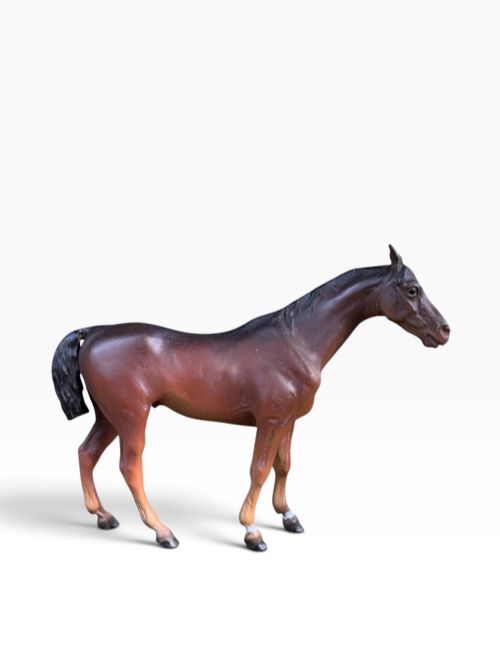
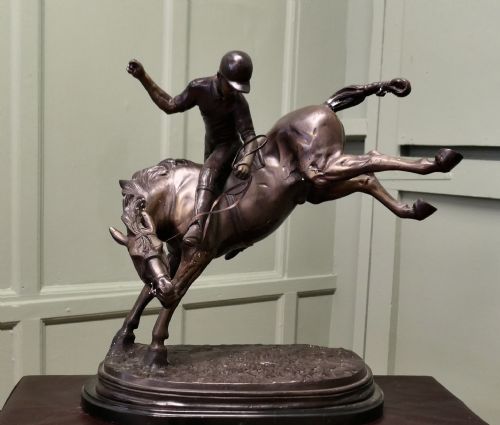
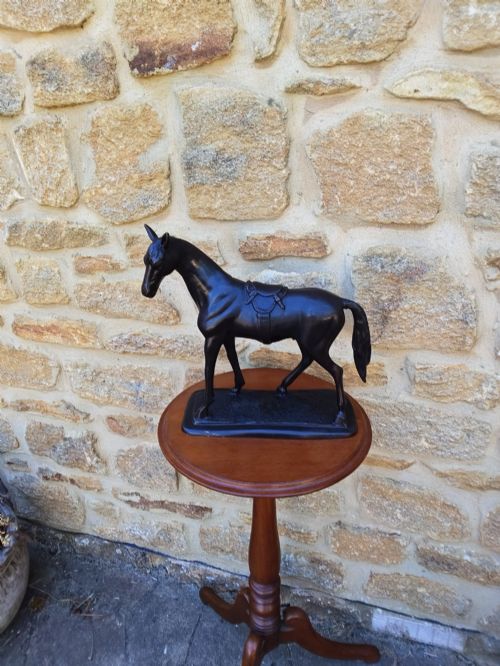
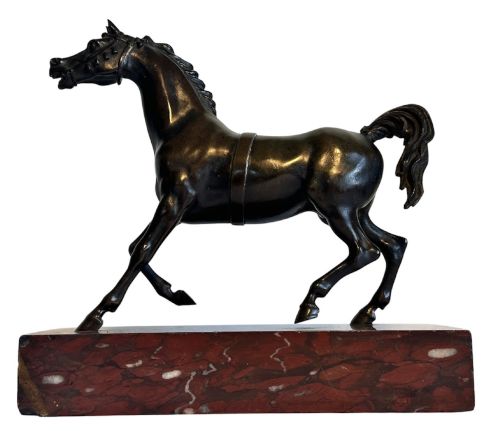
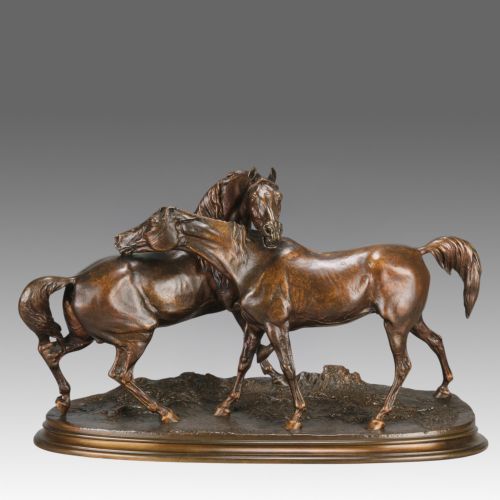
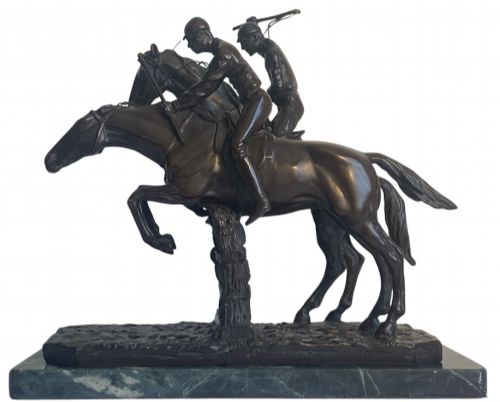
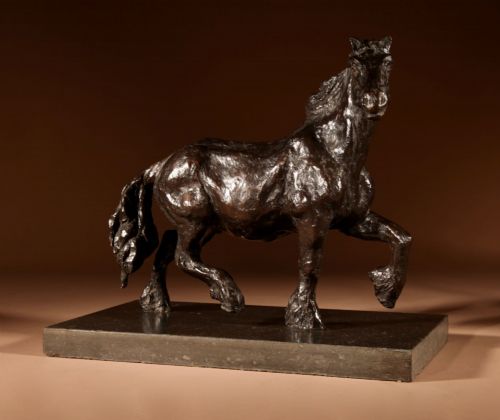
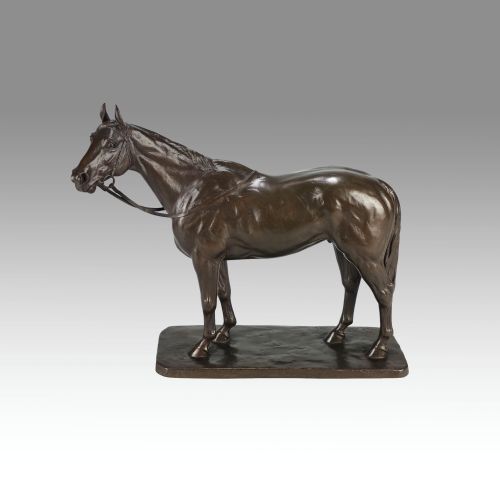
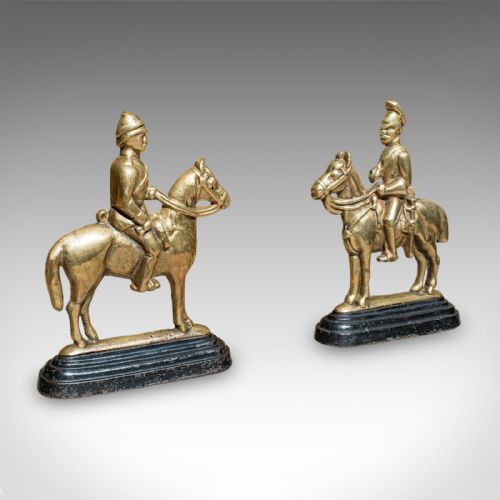
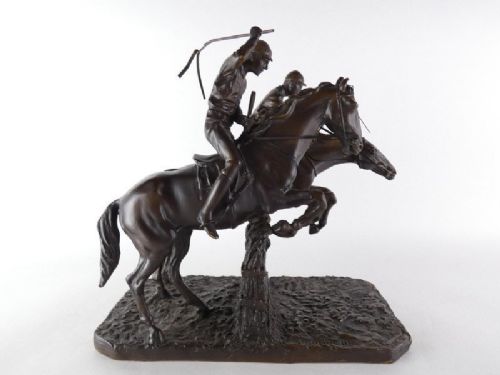
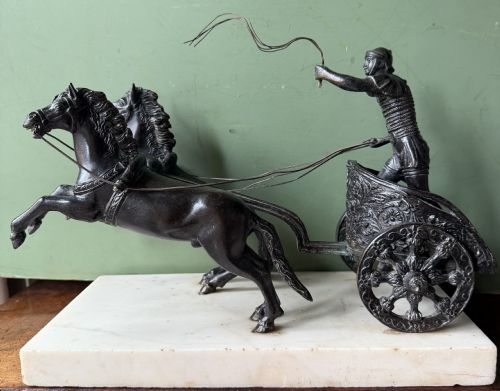
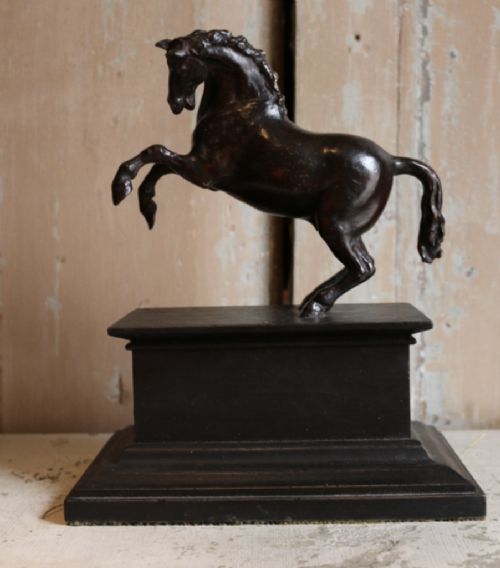
A vintage bronze horse captures motion and muscle, bringing enduring animalier skill and patinated metalwork straight into a room.
Vintage Bronze Horse
A vintage bronze horse brings together centuries of animalier sculpture, capturing stallions, jumpers, and draft animals in solid metal. When you search for this phrase, you encounter everything from miniature desk accessories to life-size statues.
The pieces on this page span the nineteenth and twentieth centuries, originating from European foundries, Japanese studios, and Austrian workshops. Animalier subjects dominate, ranging from realistic studies of motion to stylised Art Deco forms.
Functional items also appear alongside pure sculptures, including bookends, doorstops, and desk tidies. Mounts of marble, onyx, and stone frequently support these heavy metal figures.
How they were made
Foundries cast these figures using traditional methods, capturing fine anatomical detail in bronze, brass, and cast metal. Cold painted finishes add vivid colour to smaller Viennese animalier pieces.
Bases of white marble, onyx, and wood provide stability for heavy sculptures, often secured with threaded bolts. Gilt highlights, silver plating, and intricate chasing finish the surfaces of French and Japanese works.
Dick Turpin guards the cigarettes in an Art Deco table lighter, proving that even highwaymen found a second career in metalwork.
What varies in quality
Quality rests in the crispness of the casting and the sensitivity of the finish, where muscle tone and harness details appear sharp rather than softened by worn moulds. Superior patination shows depth and varied tones across the metal surface.
The connection between horse and base indicates the standard of assembly, as well-fitted marble or stone plinths complement the weight of the metal above. Signed works by noted sculptors or documented foundries command greater attention for their proven authorship.
P J Mêne·Jules Bonheur·Kunio Itô·Isidore Jules Bonheur·Luigi Secchi·Sakai Kōzan·Franz Bergman·Nikolai Lieberich·Takasetsu Onoda·Ikeda Yuhachi
The Vintage Bronze Horse Glossary
- Animalier
- Art depicting animals, particularly popular in nineteenth-century European sculpture. This style focuses on realistic anatomical study and dynamic movement.
- Cold painted bronze
- A method where bronze figures receive paint layers without heat firing. Austrian workshops utilised this technique extensively for colourful animal figurines.
- Grand Tour
- A traditional trip through Europe undertaken by upper-class scholars, yielding small bronzes and souvenirs. These pieces often depict classical figures and animals on stone plinths.
- Patina
- The surface sheen and colour developed on bronze over time through oxidation and handling. A rich patina adds visual depth to the metal.
- Taisho Period
- A period in Japanese history spanning from 1912 to 1926, known for distinctive bronze casting and sculpture. Works from this era often show refined surface textures.
Vintage Bronze Horse: Frequently Asked Questions
How do I clean a bronze horse?
Dust the surface gently with a soft, dry brush to remove particles without disturbing the underlying finish. Avoid using chemical polishes or water, which can strip away the historical patina.
Apply a microcrystalline wax sparingly if protection is necessary, buffing it lightly with a clean cloth. Regular gentle care preserves the metal colour accumulated over decades.
What periods do these horses date from?
The pieces span from the nineteenth century through the mid-twentieth century, encompassing Victorian, Edwardian, and Art Deco eras. Japanese examples often align with the Meiji, Taisho, and Showa periods.
Earlier nineteenth-century works frequently reflect the French Animalier school, while later twentieth-century items show modernist influences.
Are these sculptures solid bronze?
Many sculptures are cast using the lost-wax method, resulting in solid bronze or substantial hollow castings with thick walls. Other items utilise cast metal, brass, or iron, sometimes paired with marble or stone bases.
Examining the underside or base often reveals the casting method and the weight distribution of the material.
How were desk accessories used?
Desk tidies, bookends, and inkwells served practical functions in studies and offices while displaying decorative animal figures. Wealthy owners kept these items on writing tables to organise letters, books, and smoking accessories.
Their dual role as functional objects and fine sculpture made them popular gifts during the Victorian and Edwardian periods.