
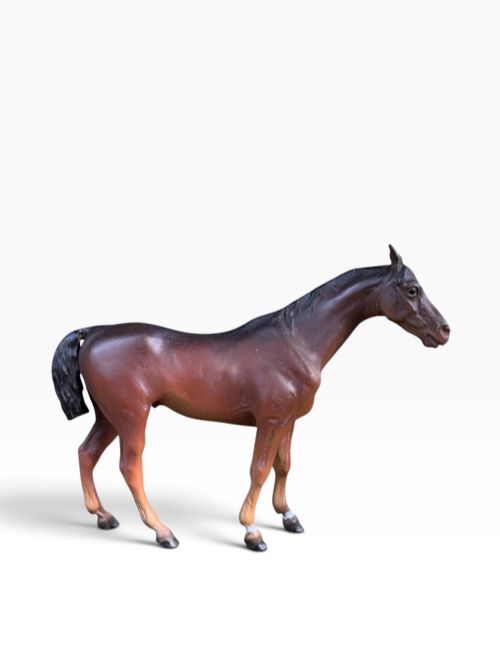
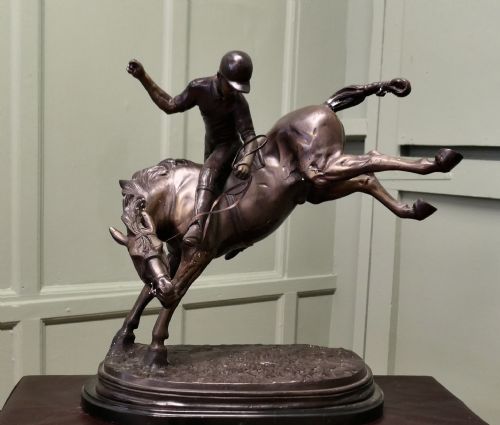
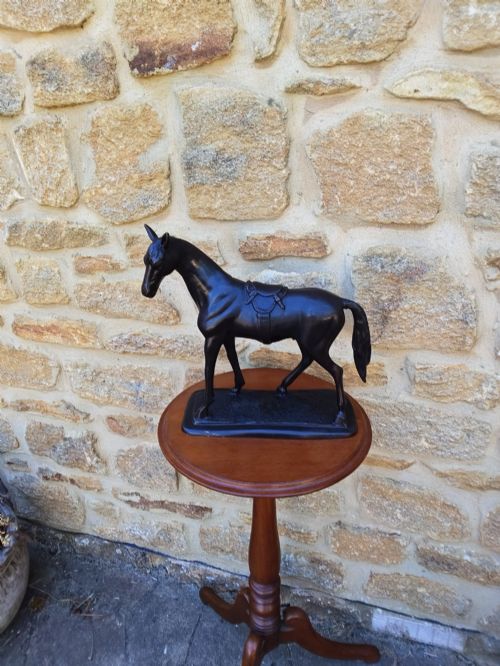
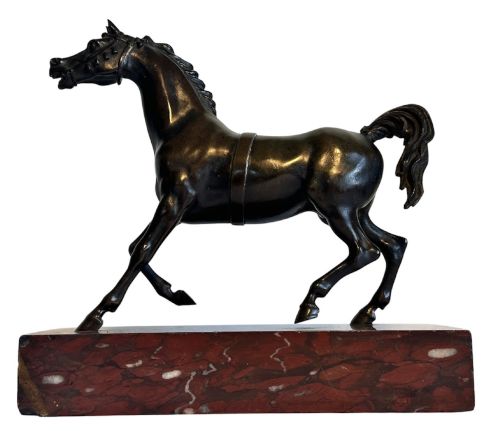


Vintage Bronze Horse Ornament
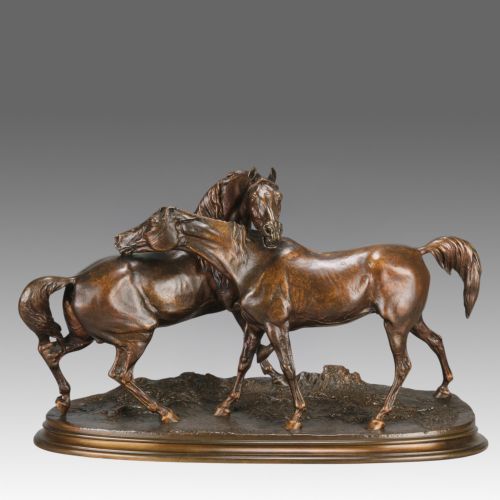
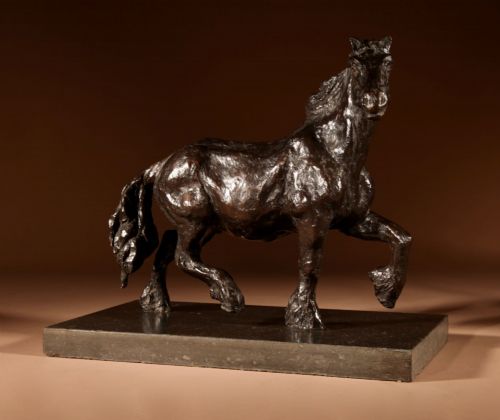
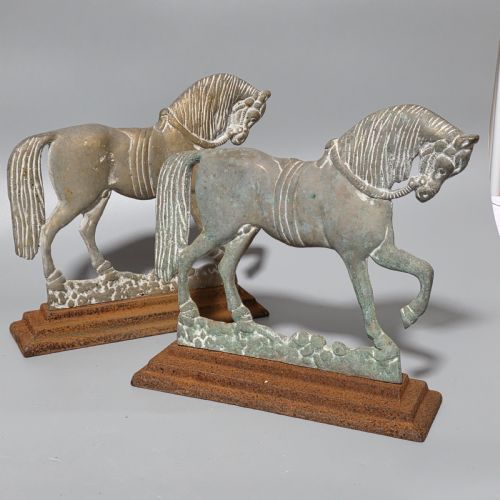
These vintage bronze horse ornament pieces capture animal energy in cast metal, bringing tactile presence and decorative weight to a desk or mantelpiece.
Vintage Bronze Horse Ornament
A vintage bronze horse ornament represents equine form through various periods and aesthetic traditions, ranging from heavy nineteenth-century animalier studies to modernist interpretations. Collectors find both cabinet-sized figurines and substantial statues mounted on stone bases.
The most common examples on this page reflect the Victorian and Edwardian interest in naturalistic anatomy, alongside twentieth-century Art Deco and Viennese workshop productions. These pieces take the form of standing stallions, polo players, draft animals, and hunting scenes.
Originating across European and Asian workshops, these sculptures utilise bronze, brass, and cast iron. Many pieces pair the metal animal with a marble base or incorporate functional elements such as doorstops and trinket boxes.
How They Were Made
Foundry workers utilised the lost-wax casting method or sand casting to capture muscular detail and fluid movement in molten bronze. The raw metal castings then underwent extensive hand-chasing and filing to define the mane, tail, and musculature.
Surface finishes vary from polished patinas to cold-painted polychrome pigments applied over the metal. Some workshops added marble or stone plinths to provide stability and visual contrast to the dark metal.
What Varies in Quality
Quality rests upon the crispness of the casting and the precision of the post-cast chasing. Superior pieces retain sharp anatomical definition in the tendons and expression, whereas lower-tier examples suffer from soft contours and obscured details.
The sophistication of the patina and the integration with the base distinguish workshop output. Original patination and well-fitted mounts indicate higher artistic ambition than later or hurried commercial production.
P J Mêne·Franz Bergman·Isidore Bonheur·Renee Sintenis
The Vintage Bronze Horse Ornament Glossary
- Animalier
- A nineteenth-century artistic movement focused on the realistic portrayal of animals. Sculptors in this tradition studied anatomy closely to capture creatures in motion.
- Cold Painted Bronze
- A technique where bronze sculptures are painted with cold enamel layers rather than fired in a kiln. This method allows for vivid multi-coloured finishes.
- Patina
- The surface coloration and sheen developed naturally over time or applied chemically to metal. It protects the bronze and adds depth to the visual appearance.
- Lost-Wax Casting
- A historic metalworking process where a wax model is melted out of a ceramic mould to create a hollow metal sculpture. This technique permits intricate undercut details.
- Grand Tour
- Nineteenth-century travel by upper-class Europeans collecting art and antiquities abroad. Souvenirs from these journeys included small-scale bronze sculptures of classical subjects.
Vintage Bronze Horse Ornament: Frequently Asked Questions
How do I clean a bronze horse?
Dust the surface gently with a soft, dry brush to remove particles without disturbing the metal finish.
Avoid using water, chemical polishes, or abrasive cloths, which can strip the original patina and damage the bronze.
What is animalier style?
Animalier refers to nineteenth-century sculpture focused specifically on accurate and dynamic animal subjects. Artists aimed to portray beasts with realistic muscle structure and behavioural intensity.
This movement produced some of the most celebrated bronze animal figures in European art history.
Are these pieces solid bronze?
Many sculptures are cast using the traditional lost-wax method, resulting in hollow bronze forms with substantial wall thickness. Some smaller items or variants use solid brass, cast iron, or gilt metal.
Base materials often include marble or stone to anchor the weight of the metal animal.
How do I date a bronze sculpture?
Examine the character of the patina, the casting seams, and the style of any signatures or base mounts. Comparisons with known workshop periods help narrow down the decade of production.
Wear patterns on the underside and the method of attachment provide further clues to age.