




French Animalier Bronze Horse
A french animalier bronze horse captures the raw musculature and restless energy of the animal through meticulous nineteenth-century realism.
French Animalier Bronze Horse
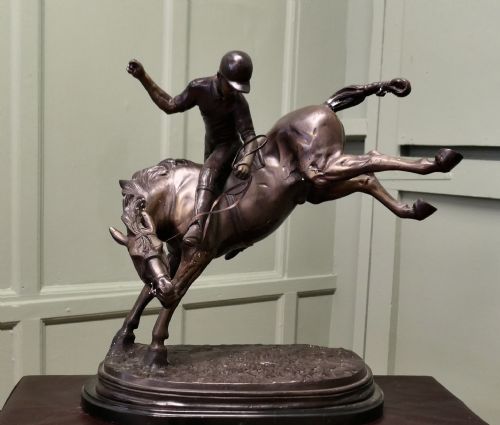
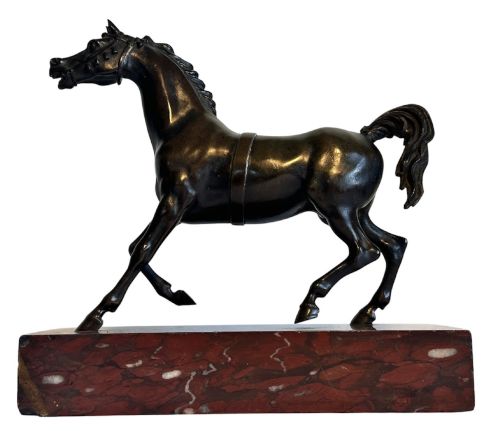
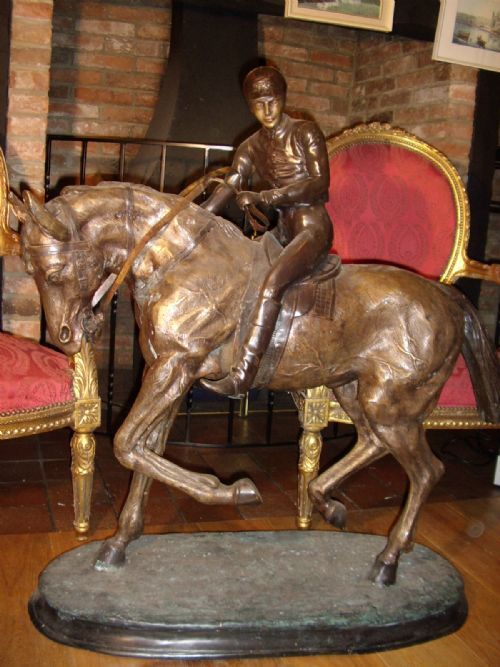
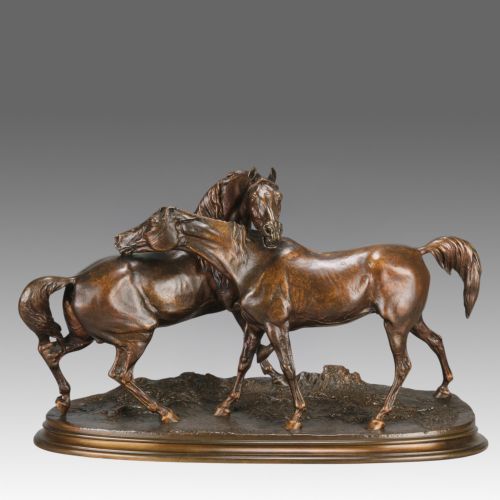
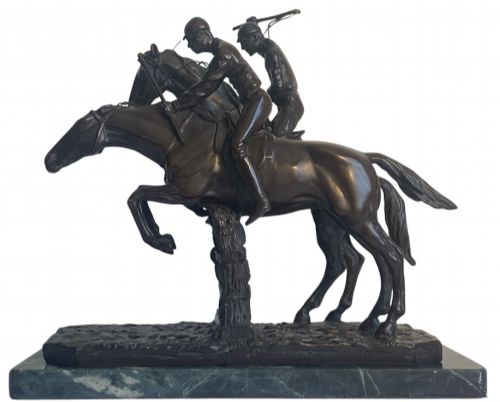
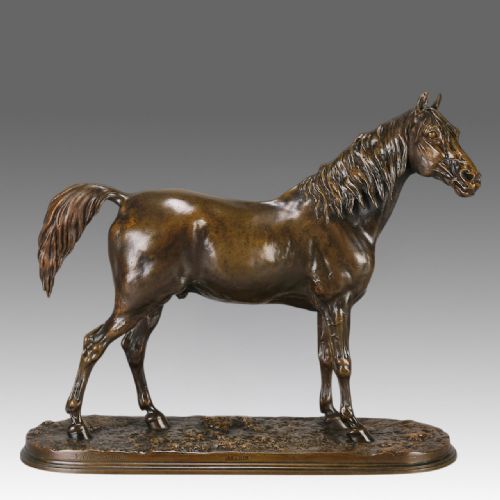
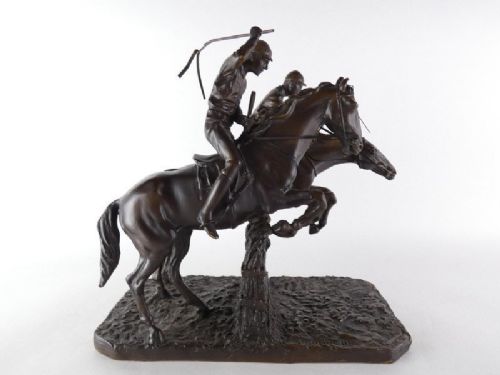
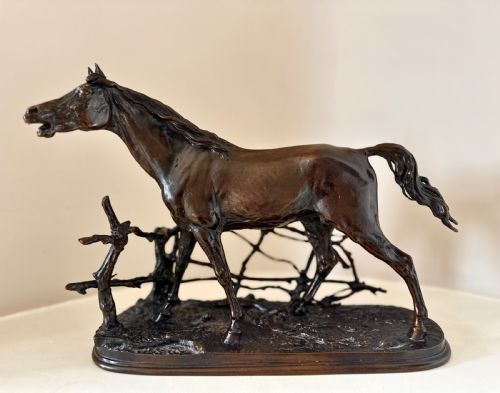
When you search for a french animalier bronze horse, you encounter dynamic sculptural studies of equines created predominantly during the nineteenth century by European masters. These works range from solitary stallions and racing thoroughbreds to complex groups featuring jockeys, grooms, and hurdling scenes.
The pieces on this page span from the mid nineteenth century into the twentieth century, reflecting the enduring popularity of the animalier school. You will find subjects depicting Arab mares, steeplechasers, and drafting horses set upon substantial marble bases.
Originating largely from the French academic tradition, these sculptures translate motion and anatomy into solid metal. Each piece demonstrates the intense fascination that nineteenth-century sculptors held for the natural power and spirit of the horse.
Factors That Separate Examples
The distinction between tiers of these sculptures lies in the crispness of the chasing and the liveliness of the modelling. Superior castings retain sharp details in the musculature and harness equipment without softening the texture during the finishing process.
The depth and subtlety of the patination also define the work, where skilled chemical treatments create nuanced tonal variations across the bronze surface. Additionally, the integration of the sculpture with its marble base indicates the original maker's commitment to complete design harmony.
Listings feature works spanning the nineteenth century, the Victorian period, and into the twentieth century up to nineteen-fifty.
Pierre Jules Mêne·Jules Bonheur·Isidore Jules Bonheur·Charles Crozatier·E Drouot·Pierre Lenordez·Xavier Raphanel·Paul Joseph Gayrard
The French Animalier Bronze Horse Glossary
- Animalier
- A nineteenth-century art movement dedicated to the realistic depiction of animals. Sculptors in this tradition studied live specimens closely to render accurate movement and anatomy.
- Patina
- The chemical coloration applied to the surface of the bronze. This finish protects the metal and enhances the visual depth of the sculpture.
- Cire Perdue
- The lost wax casting method used to create complex metal sculptures. It allows for high fidelity to the original clay or wax model.
- Chasing
- The process of hand-finishing a bronze casting with chisels and punches. This stage restores surface details lost during the removal of the mould.
French Animalier Bronze Horse: Frequently Asked Questions
How do I identify a nineteenth century animalier horse?
Look for naturalistic anatomical detailing combined with signatures or foundry marks stamped directly into the bronze metal. The subject matter often reflects contemporary interest in racing, hunting, or Arabian horses.
Examine the patination and the weight of the piece, as older casts typically exhibit deep, stable coloration and heavy construction paired with period marble plinths.
How should I clean a bronze horse sculpture?
Dust the surface gently with a soft, dry microfibre cloth to remove accumulated particles. Avoid chemical cleaners, detergents, or abrasive cloths that can strip the historic patina from the bronze.
Occasional application of microcrystalline wax can help protect the metal surface from atmospheric moisture while preserving the original finish.
Why are some bronze horses mounted on marble bases?
Marble bases provide structural stability for heavy metal sculptures while offering a clean, classical framing device that lifts the artwork off the display surface. This practice was standard among nineteenth-century French foundries.
The stone also adds a complementary colour and texture that contrasts effectively with the dark patinated bronze of the animal.