




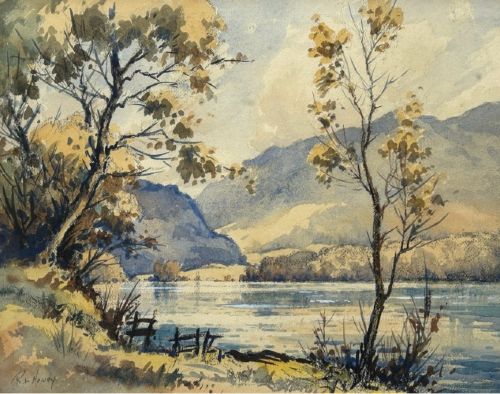
Vintage British Landscape Painting
When you examine a vintage british landscape painting, you encounter a painted record of the countryside, coasts and rivers produced across the nineteenth and twentieth centuries.
Vintage British Landscape Painting
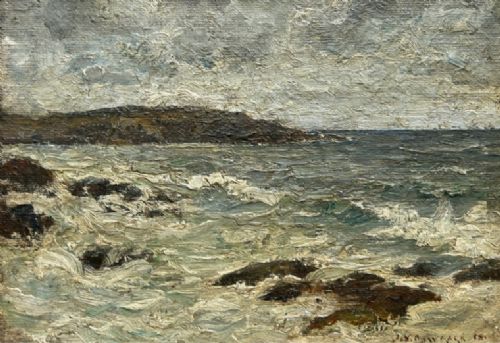
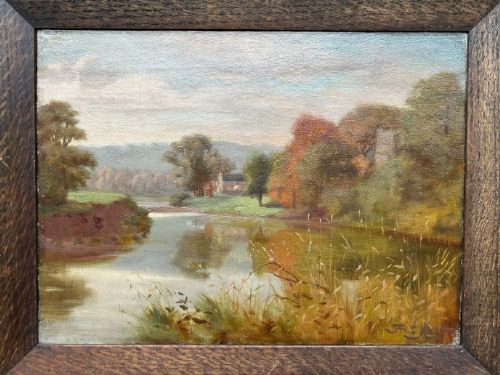
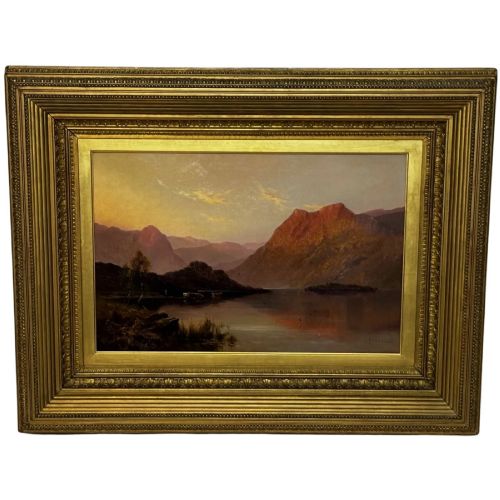
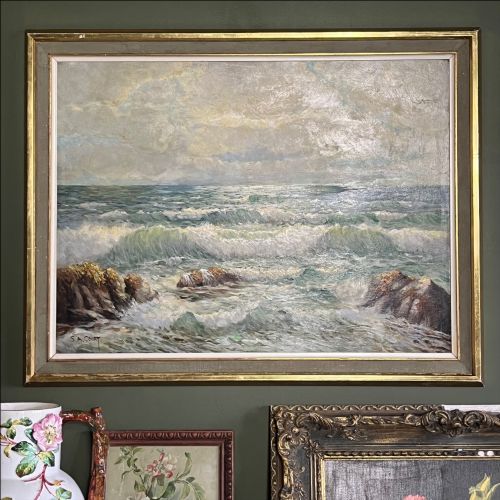
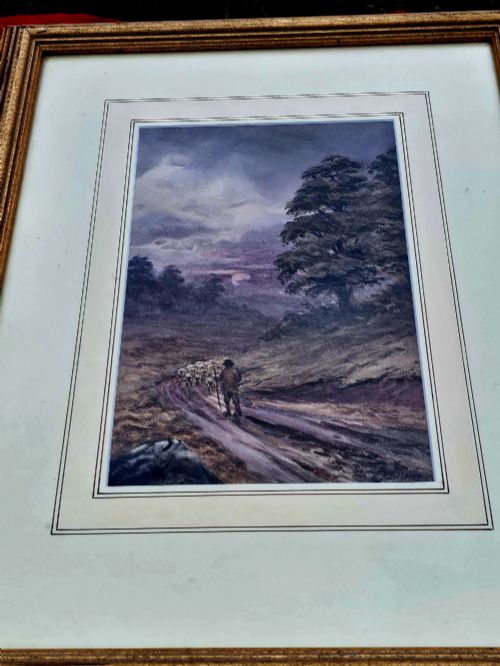
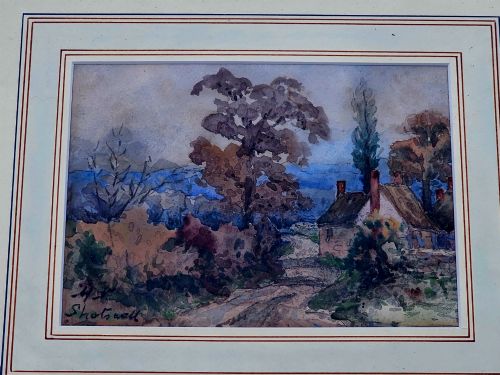
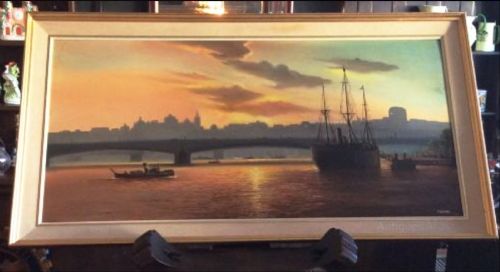
A vintage british landscape painting captures rural scenes, waterways, coastal views and regional architecture across Britain. These works range from nineteenth-century Victorian compositions to mid-twentieth-century Modern British expressions.
Works on this page span diverse stylistic movements including British Impressionism, the Scottish School and Post-War British art. Both signed pieces by named artists and unsigned works attributed to the British School appear throughout.
Materials and methods
Artists painted primarily in oil and watercolour, utilising canvas, heavy paper, wood panels and wooden boards as supports. Pigments were applied with brushes or impasto techniques to capture light, weather and texture.
Many early twentieth-century painters worked en plein air directly outdoors to observe natural light and atmosphere. Others produced studio finished oils and watercolours drawing from preliminary sketches made on location.
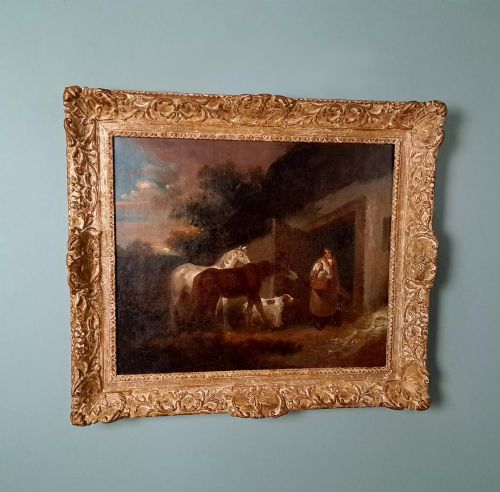
Cattle, sheep, grazing horses and fishermen populate these rural scenes, occasionally stealing focus from the scenery.
Factors of distinction
Quality rests in the handling of light, atmospheric depth and compositional structure rather than the mere recording of a scene. Confident brushwork and a sure sense of tone separate accomplished works from routine topographical views.
The choice of medium and support affects the character of the piece, with textured impasto oils offering heavy physical presence while transparent watercolours depend on paper preservation and pigment retention.
Kenneth Cozens·William H Myers·George Graham·Tom Campbell·Alfred Young Nutt·Clifford Hanney·Frederick Marriott·William Joseph Shayer Senior·Alfred Fontville de Breanski Jr·Sidney A Court·EJ Letheren·Edward Mills·Robert Leslie Howey·James E Aitken·Kershaw Schofield·Herbert Royle·John E Aitken·William Banks Fortescue·Thomas W Lascelles·William Joseph Boyes·Thomas Smythe·Muriel Metcalfe·Robert John Hammond·Thomas William Morley·Robert Thorne Waite
The Vintage British Landscape Painting Glossary
- Impasto
- Paint applied thickly to a canvas or board so that it stands proud of the surface. This technique leaves visible brush or palette knife marks that catch the light.
- En plein air
- The practice of painting outdoors to capture direct observations of natural light and weather. Painters using this method finished works on location rather than in the studio.
- Board
- A rigid wooden or manufactured flat sheet used as a painting support instead of stretched canvas. Artists frequently utilised boards for outdoor sketching.
- Watercolour
- A paint consisting of pigment suspended in a water-based solution applied to paper. It relies on the white of the paper showing through thin washes.
- British School
- A designation applied to works created by British artists whose specific identities are unrecorded or unknown. It groups paintings by national origin and period style.
Vintage British Landscape Painting: Frequently Asked Questions
How do I care for a watercolour painting?
Watercolour works on paper require careful framing behind glass using acid-free mount board to prevent chemical degradation. Keep them away from direct sunlight to avoid fading the pigments.
Humidity control is equally essential because damp environments encourage foxing spots and paper mould. Hang your picture on interior walls where temperature fluctuations remain minimal.
What is the difference between oil on canvas and oil on board?
Oil on canvas involves stretched fabric fixed to a wooden stretcher frame, yielding slight bounce under the brush. Canvas surfaces often display a visible textile weave beneath the paint layers.
Oil on board utilises a rigid wooden support that resists flexing and allows for smooth or textured impasto application. Boards were frequently favored for smaller outdoor sketches due to their durability.
How can I tell the period of a landscape painting?
Stylistic clues such as brushwork, clothing on figures, architectural details and framing methods help establish a painting's era. Victorian and Edwardian works often feature tighter academic detail or traditional pastoral subjects.
Mid-century pieces frequently embrace looser impressionistic strokes or modernist simplifications. Signatures, exhibition labels and inscriptions on the reverse provide further chronological evidence.
Where should I hang a vintage landscape?
Select a wall with stable ambient light, avoiding harsh direct sun that damages pigments and canvas fibres over time. Consider eye-level placement where the scale of the composition can be comfortably appreciated.
Pairing the mood of the landscape with your room's function creates a harmonious interior. Atmospheric coastal scenes suit quieter spaces while vibrant rural views animate living areas.