


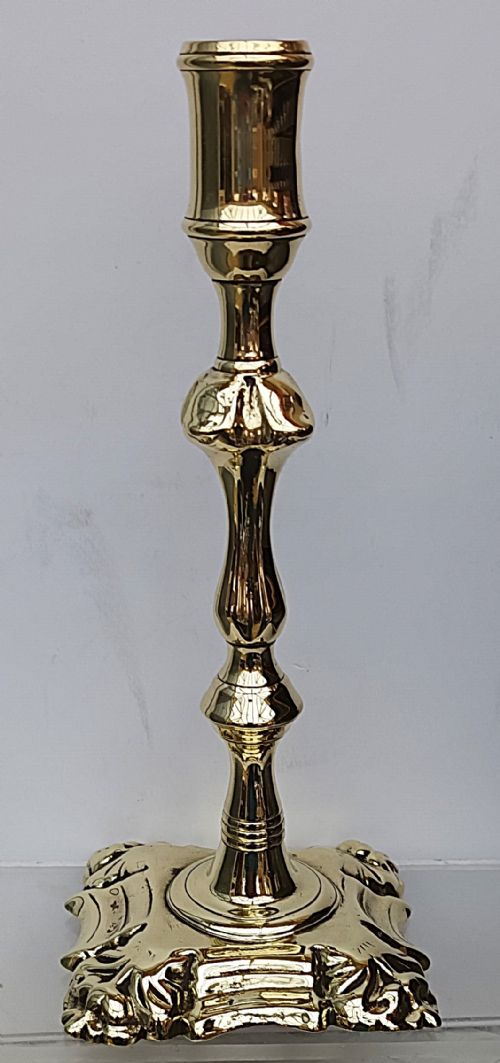

Vintage Brass Taper Stands
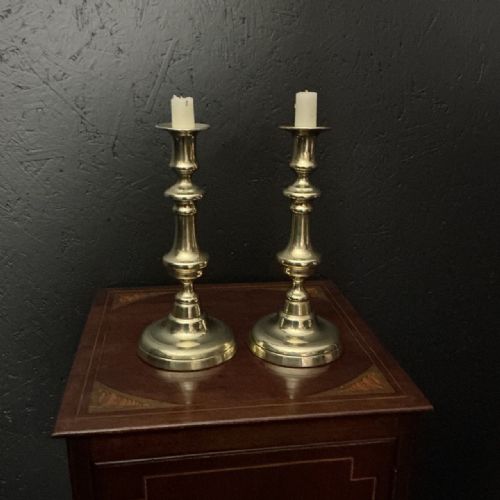
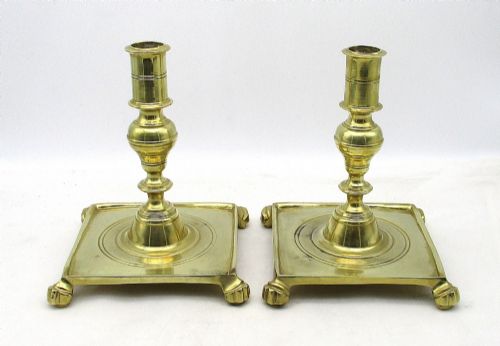
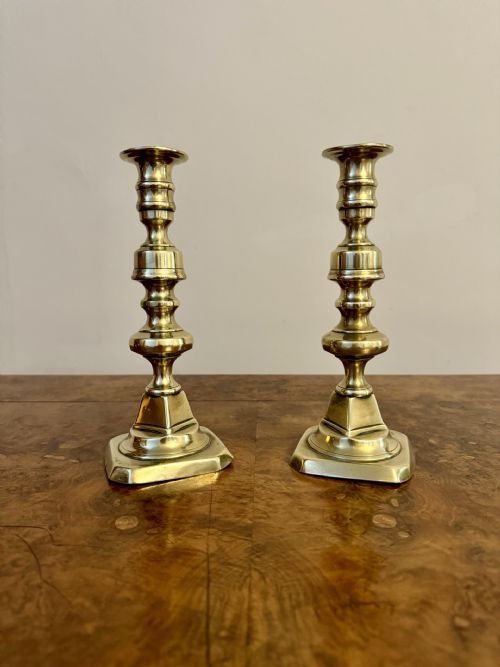
Vintage brass taper stands are small domestic lighting pieces designed for carrying wax lights, and buyers seek them for their compact scale and bright metallic finish.
Vintage Brass Taper Stands
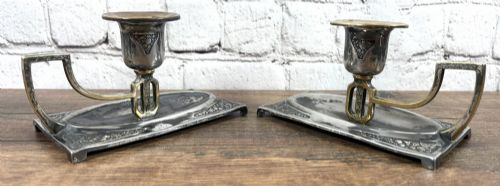
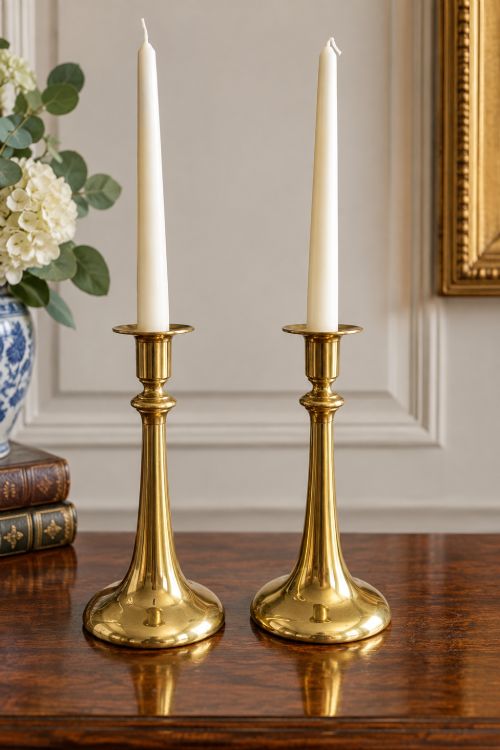
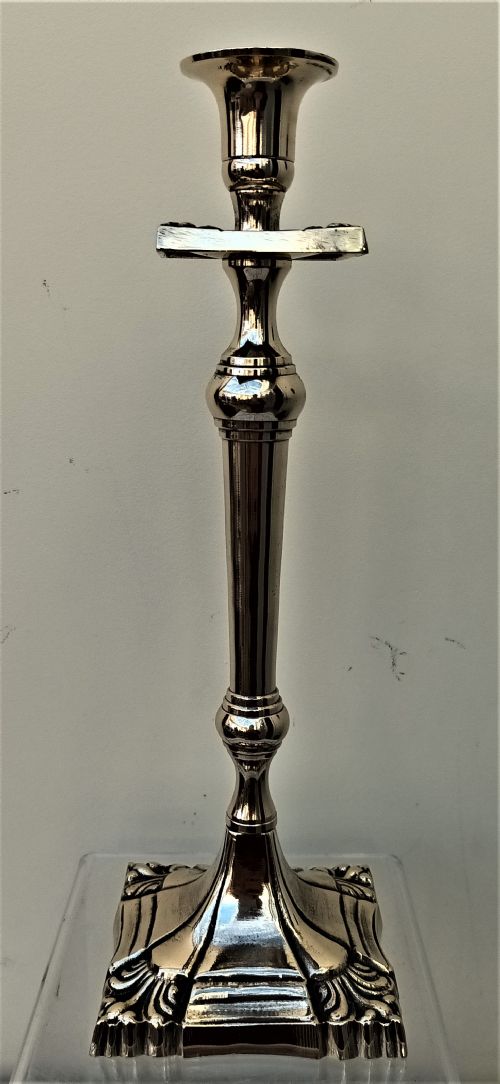
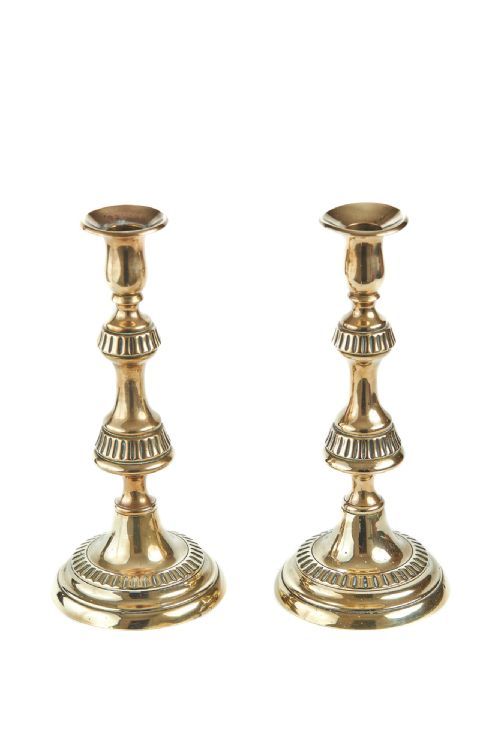
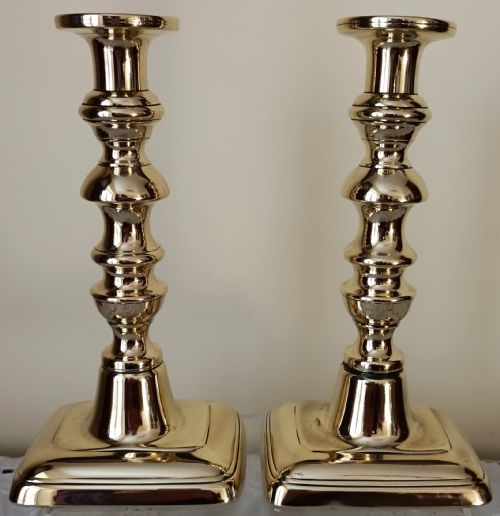
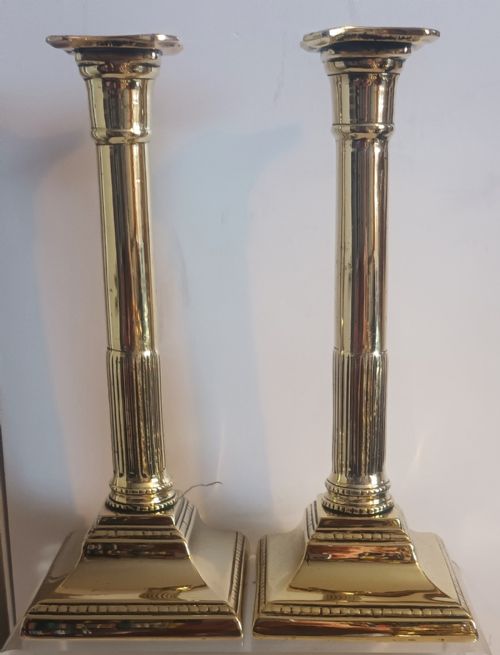
Vintage brass taper stands include small domestic lighting pieces such as chambersticks and desk candlesticks designed for holding wax tapers. These items appear across periods spanning the eighteenth, nineteenth, and early twentieth centuries, reflecting Georgian, Victorian, and Edwardian domestic habits.
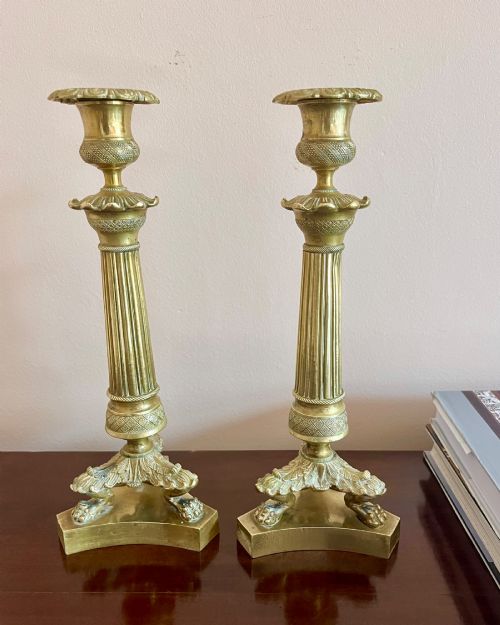
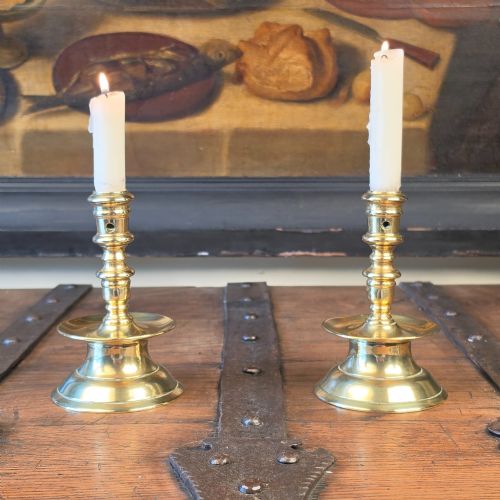
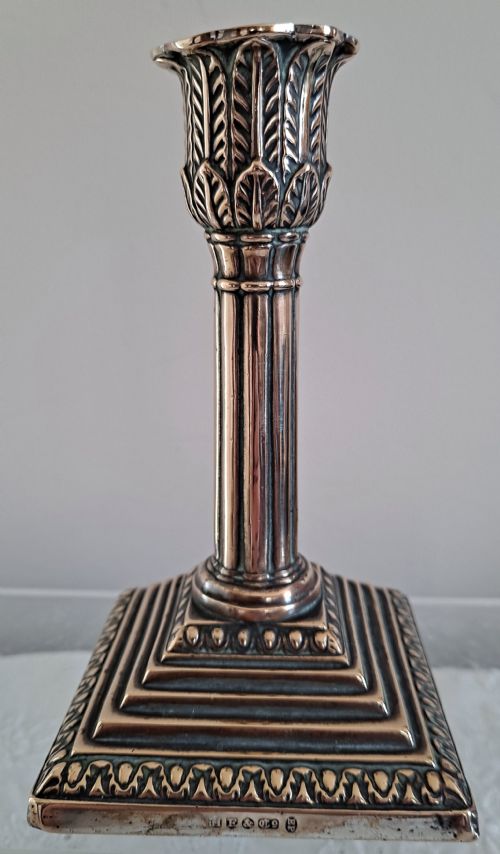
The pieces on this page emerge in various forms, including single examples and pairs, alongside associated items like column candlesticks and chambersticks. Materials extend beyond brass to incorporate bronze, oak, and silver plate, though brass remains the dominant metal.
Materials and methods of manufacture
Makers utilised cast brass and bronze, often forming metal through seaming techniques visible in eighteenth and nineteenth-century examples. Other pieces incorporate timber elements such as oak, boxwood, and walnut combined with metal mounts.
Surface decoration relies on hand-engraving, twisted columns, and fitted bases, alongside silver plating applied to base metals. Manufacturing methods evolved from early seamed construction to later cast production methods.
Some chambersticks still retain their tiny conical snuffers tucked into the drip pan after more than a century of use.
Assessing quality in metalwork
Quality rests on the crispness of casting detail, the weight of the metal used in the column and base, and the integrity of any seamed joints. Heavier, solid brass examples demonstrate superior construction compared to lighter alternatives.
Design execution separates standard domestic items from finer productions, particularly in ornate Victorian or restrained Georgian pieces. The presence of makers' marks or clear period characteristics adds to the interest of individual items.
J.T. & Co·Frederick J Smith & Co·WM Tonks & Sons
The Vintage Brass Taper Stands Glossary
- Chamberstick
- A low candlestick fitted with a pan to catch dripping wax and a handle for carrying from room to room. These small holders served domestic lighting needs before the widespread adoption of gas and electricity.
- Ejector
- A concealed internal mechanism that pushes the remnant of a candle out of the socket. This practical device helps date pieces to the mid-eighteenth century and later.
- Taper
- A slender wax candle used primarily for lighting pipes, sealing letters, or igniting larger lamps. Taper stands hold these specific thin candles rather than heavy household tapers.
- Seamed brass
- Metal sheets bent and soldered down a vertical seam to form the stem of a candlestick. This technique precedes modern extrusion and solid casting methods.
Vintage Brass Taper Stands: Frequently Asked Questions
What is a chamberstick?
A chamberstick is a low candle holder featuring a flat drip pan and a loop handle for carrying. They were used in bedchambers and hallways during the evening.
These pieces typically sit lower than standard table candlesticks and often include a small conical snuffer resting in the pan.
How do I date brass candlesticks?
Dating relies on base shapes, manufacturing marks, and column styles such as Georgian columns or Victorian ornamentation. Seamed construction often points to earlier production.
Base designs evolved from simple petal shapes to weighted square or round foundations by the nineteenth century.
Are these made of solid brass?
Many examples consist of solid cast brass, while others utilise bronze or brass plating over a base metal. Heavier pieces usually indicate solid casting.
Older items from the eighteenth century frequently display seamed sheet construction rather than solid casting.
How were taper stands used?
Taper stands held thin wax tapers used for lighting fires, sealing correspondence with wax, or carrying a flame between rooms. Their small size made them portable desk accessories.
Desk candlesticks served a similar daily function in studies and libraries where documents required sealing.