

Vintage Brass Tall Lamp
A vintage brass tall lamp stands as a commanding vertical presence in a room, offering both functional illumination and substantial decorative character.
Vintage Brass Tall Lamp
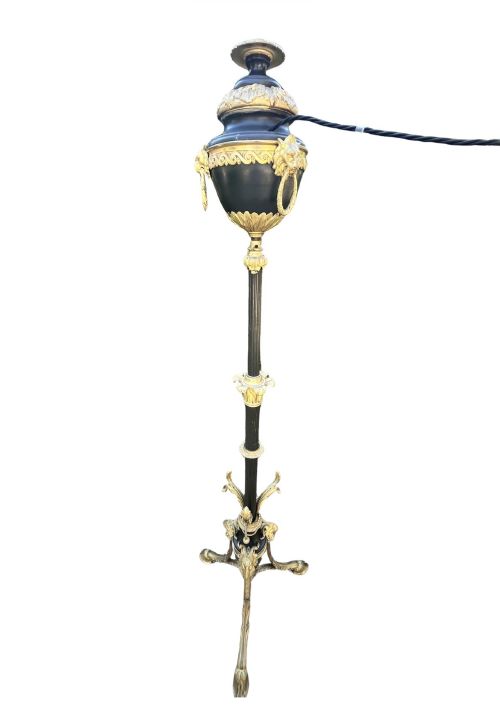
When buyers search for a vintage brass tall lamp, they encounter towering standard lamps, floor models, and elevated column lighting designed to project light across a space. These pieces emerge from periods spanning the Victorian and Edwardian eras through the Art Nouveau, Art Deco, and 1930s modernist movements.
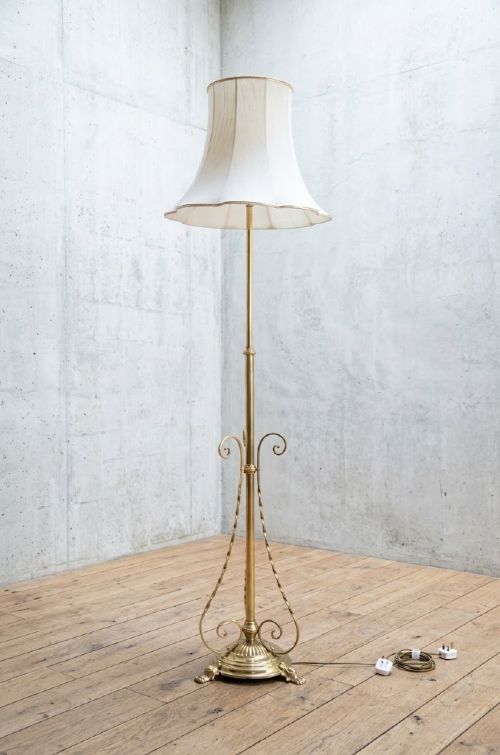
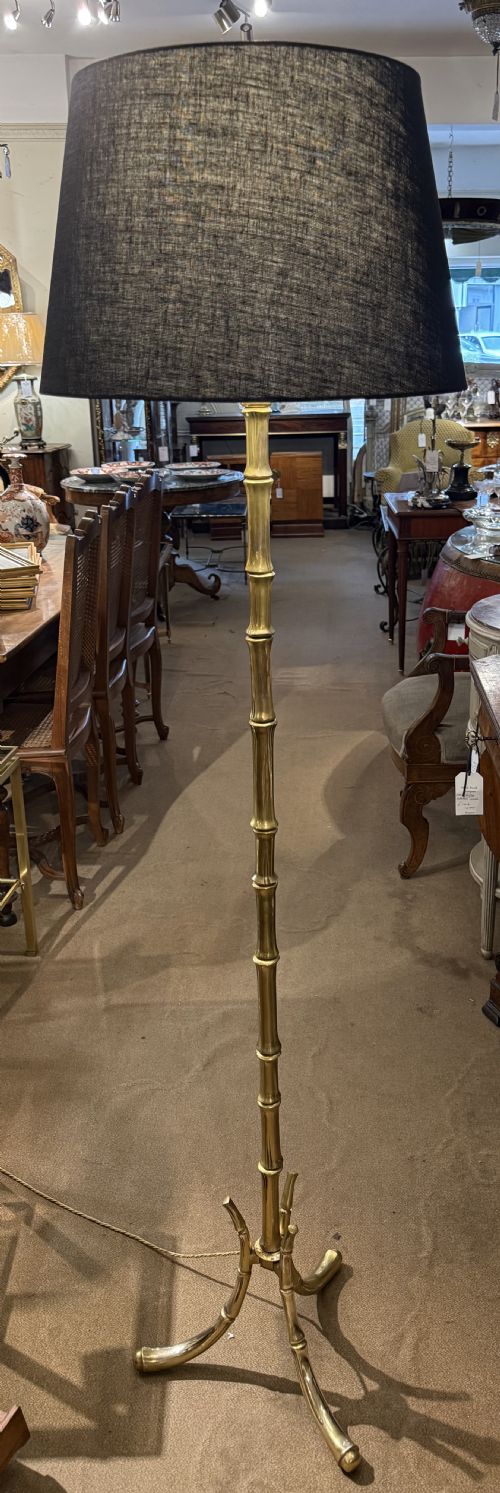
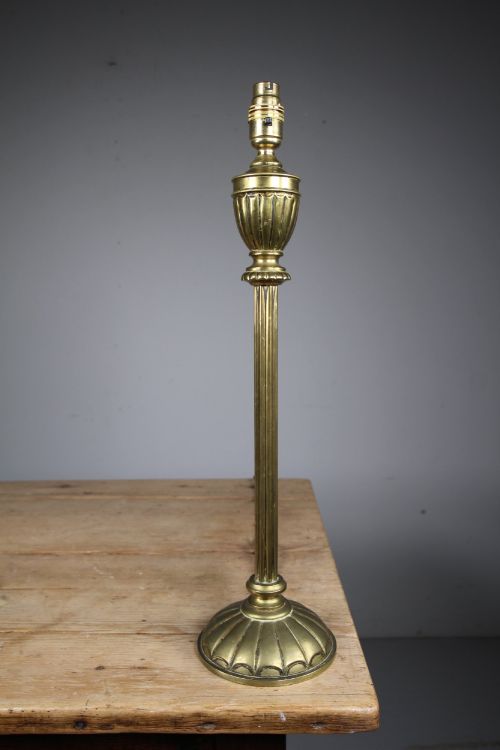
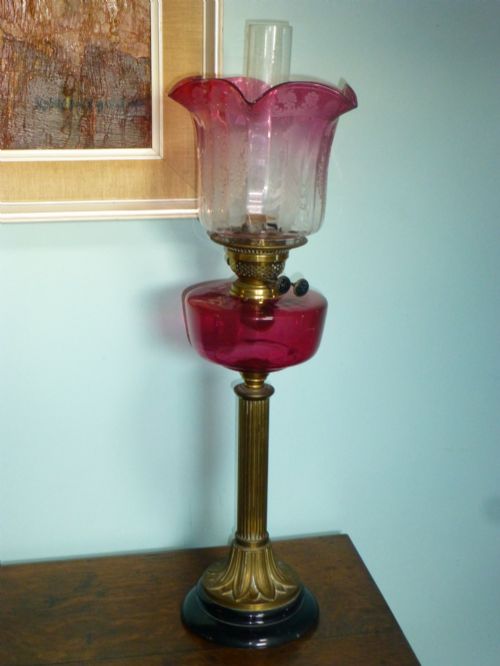
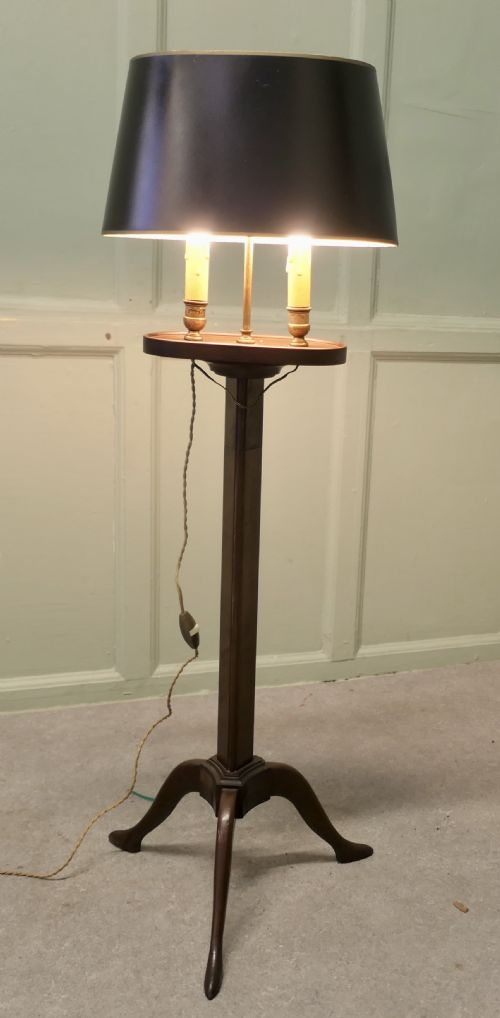
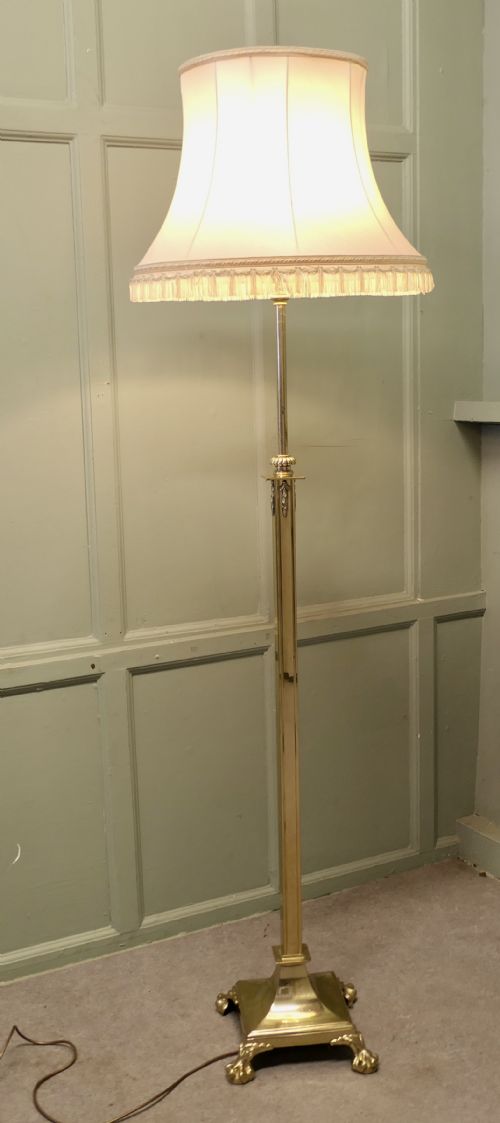
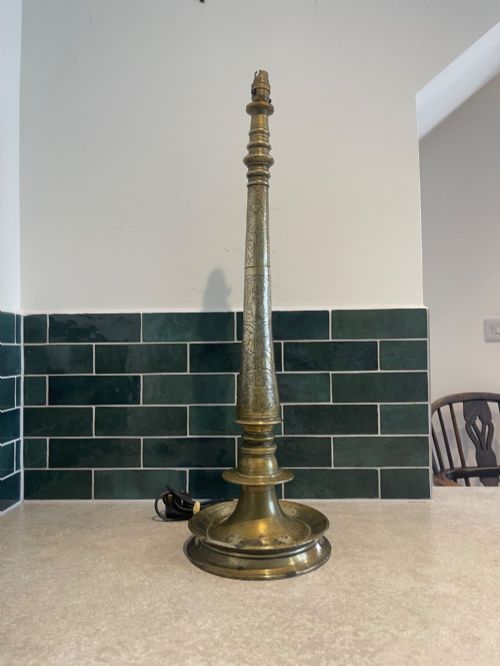
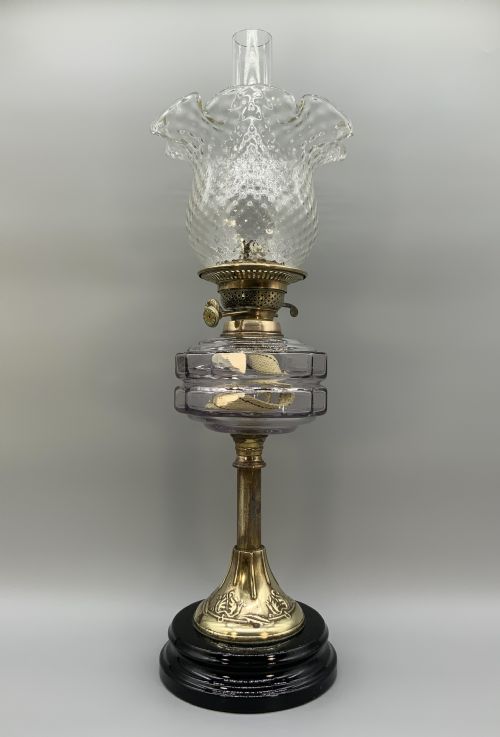
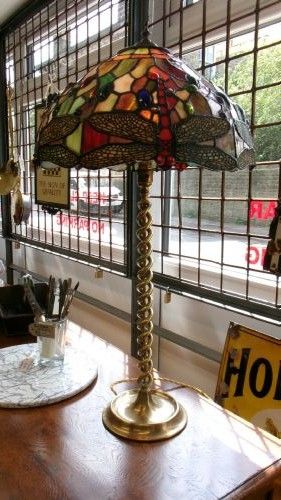
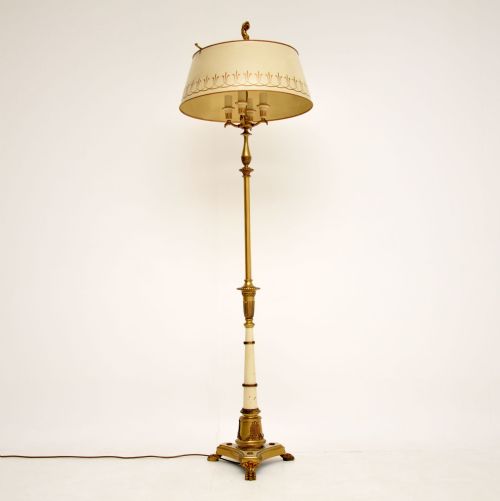
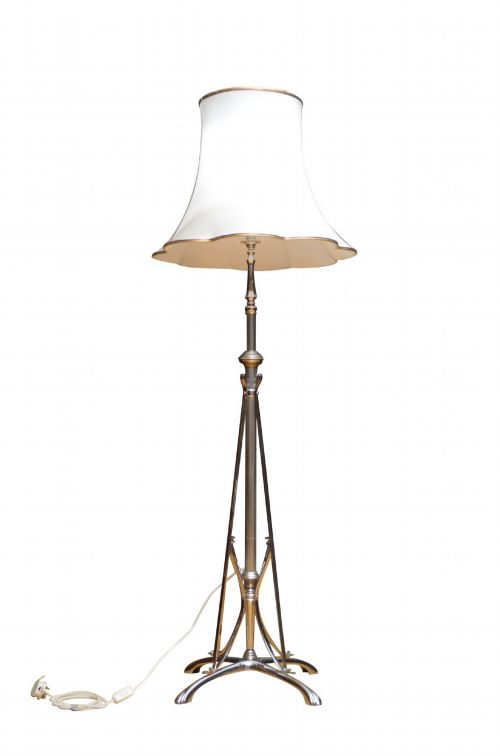
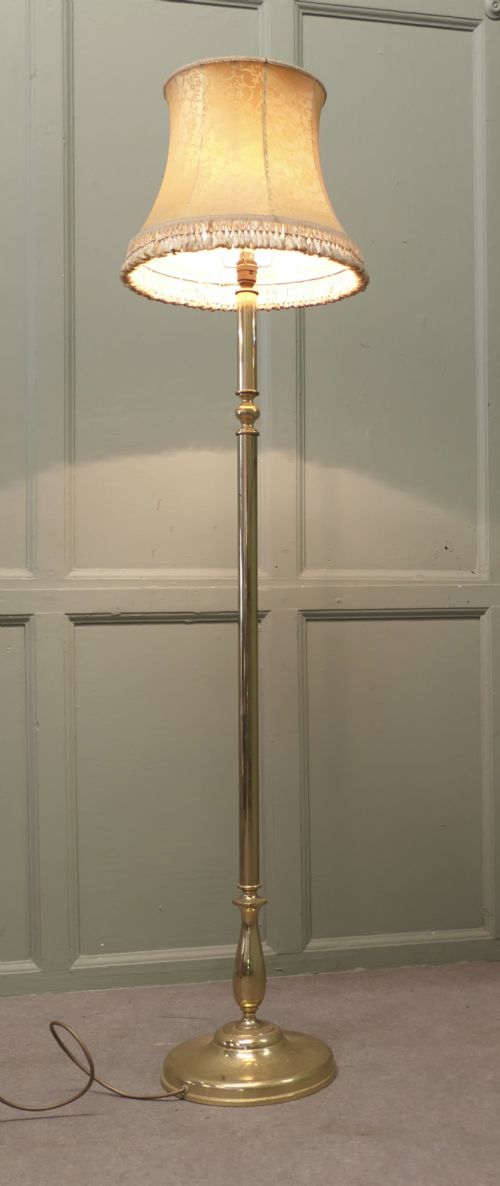
Floor lamps and standard lamps dominate the offerings, frequently incorporating telescopic stems, adjustable heights, or heavy weighted bases. Alongside these vertical floor-standing pieces, buyers find tall table lamps and converted oil lamps that share the same commanding elevation.
Origins vary across English, French, and continental workshops, encompassing styles from rigorous Neoclassical revival columns to flowing organic Art Nouveau designs. Each piece reflects the interior lighting requirements of its period, balancing structural height with decorative metalwork.
Materials and construction methods
Makers utilised cast and spun brass as the primary structural material, often combining it with secondary elements such as bronze, copper, glass, onyx, and marble. Heavy cast brass bases provide the necessary equilibrium to support extended telescopic or fixed vertical stems.
Construction techniques involve threaded assemblies, riveted joints, and turned metal components that allow certain models to adjust in height. Surviving examples frequently display hand-finished surface details, including chased fluting on columns and applied patination.
Wiring and electrification represent later interventions on pieces originally configured for oil or candles, with many lamps updated to modern safety standards while retaining their period metalwork.
Listings feature brass standard lamps spanning the Victorian era through the 1930s, incorporating glass, marble, and onyx elements.
Distinctions in quality and execution
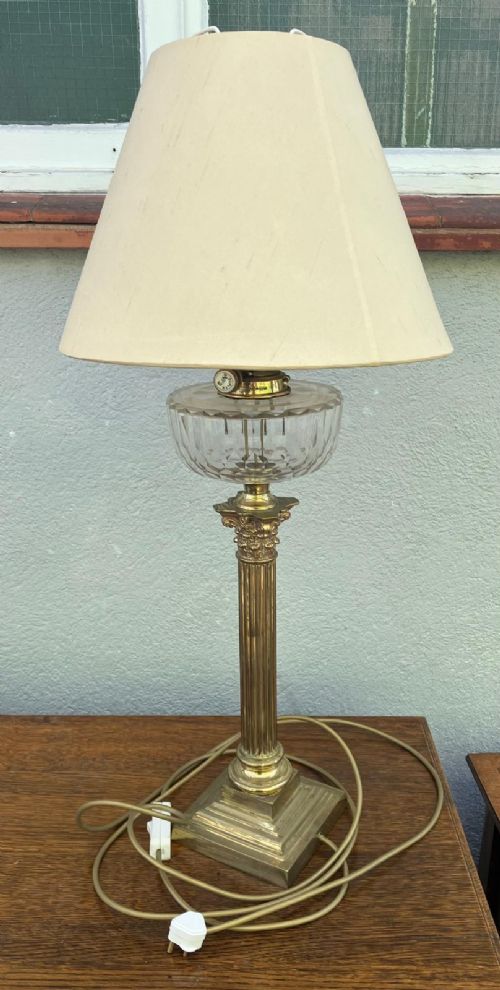
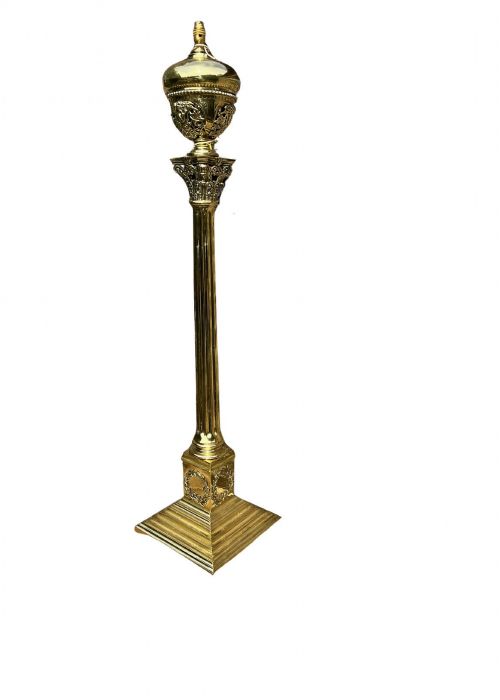
Quality reveals itself in the heft and purity of the brass casting, where superior examples exhibit crisp architectural detailing on Corinthian capitals and columns rather than softened, mass-produced relief work. The thickness of the metal gauge determines the structural rigidity of tall stems, preventing wobble over extended heights.
The sophistication of the mechanical joints, such as functional telescopic screw keys or adjustable reading arms, separates standard utility pieces from workshop productions bearing maker attribution or distinct stylistic coherence. Surface finishing and the retention of original patination without over-polishing preserve the integrity of the material.
Maison Bagues·Hinks
The Vintage Brass Tall Lamp Glossary
- Standard lamp
- A tall floor-standing lamp designed to illuminate a room from an elevated position. These pieces typically feature a heavy base and an upright vertical shaft.
- Telescopic
- A multi-section stem construction allowing the overall height of the lamp to be adjusted upward or downward. This mechanism is frequently found on reading and standard lamps from the early twentieth century.
- Duplex burner
- A double-wick mechanism utilised on nineteenth-century oil lamps to generate a brighter flame. Surviving examples often retain their original brass winding knobs and burner galleries.
- Neoclassical revival
- A design movement drawing inspiration from classical Greek and Roman architecture, frequently expressed through fluted columns and Corinthian capitals on floor lamp standards.
- Tole
- Painted or lacquered sheet metal used in shades or decorative components. French workshops frequently applied this technique to achieve rich surface colours on reading and boudoir lamps.
Vintage Brass Tall Lamp: Frequently Asked Questions
How do I adjust a telescopic floor lamp?
Telescopic standards generally feature a side thumb screw or collar that locks the inner shaft at the desired elevation. Loosening this mechanism allows the upper stem to glide upward or downward before securing it in place.
Care should be taken to support the weight of any fitted shade or burner assembly while adjusting the height to prevent sudden slipping.
Were these lamps originally electrified?
Many of the Victorian and nineteenth-century examples began life as oil lamps or candle stands before undergoing conversion to electricity during subsequent decades. Original oil reservoirs and burners are frequently retained alongside modern internal wiring.
Edwardian and later twentieth-century productions were increasingly designed from inception to accommodate electrical flex through their central hollow stems.
How do I clean antique brass safely?
Dusting with a soft, dry cloth is sufficient for routine maintenance to prevent the accumulation of grime on intricate castings and fluted columns. Harsh abrasive metal polishes should be avoided to preserve the natural historic patina.
If cleaning is necessary, use a mild non-ionic solution and dry the metal thoroughly immediately afterward.