
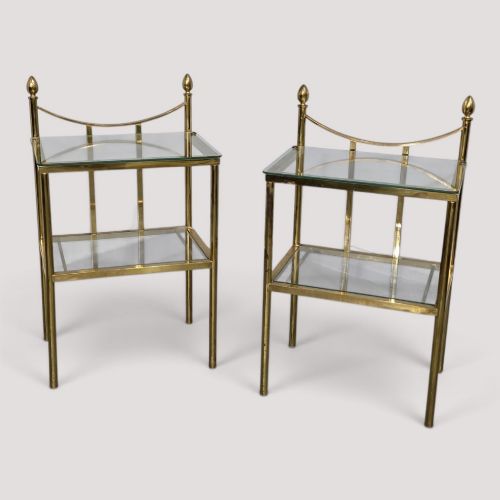
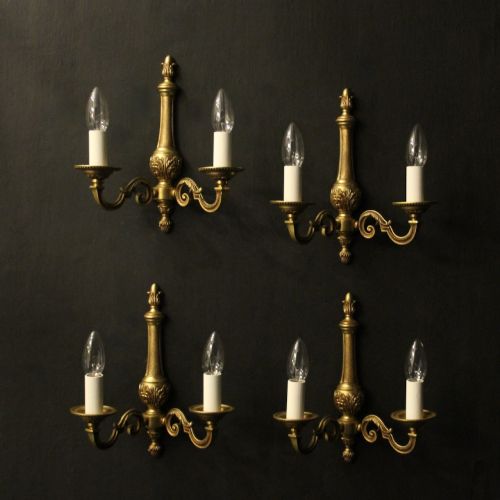
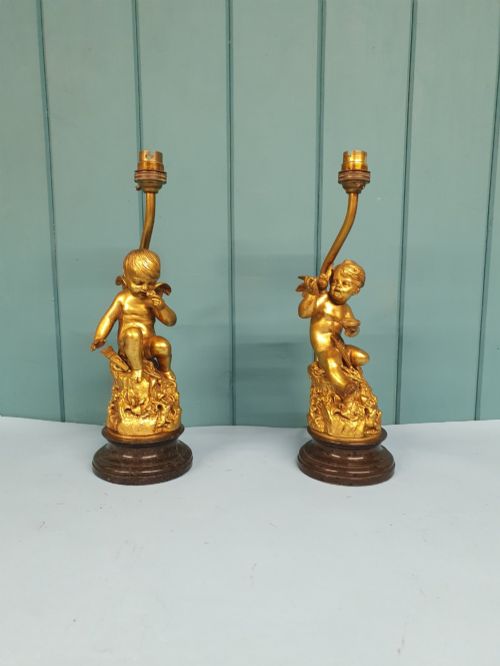
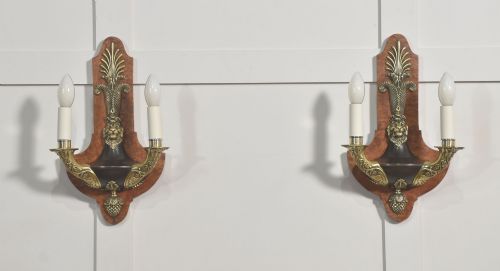
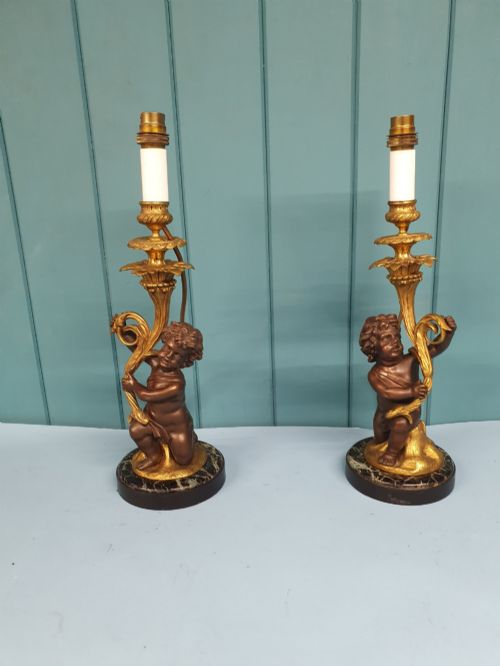
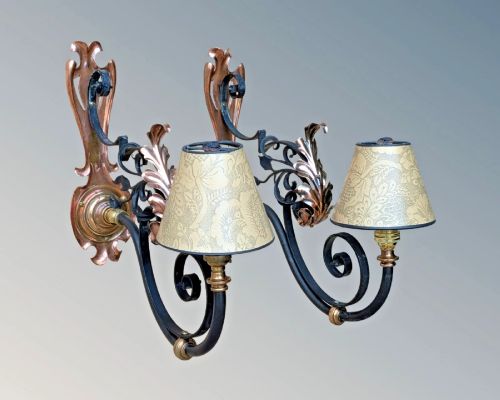
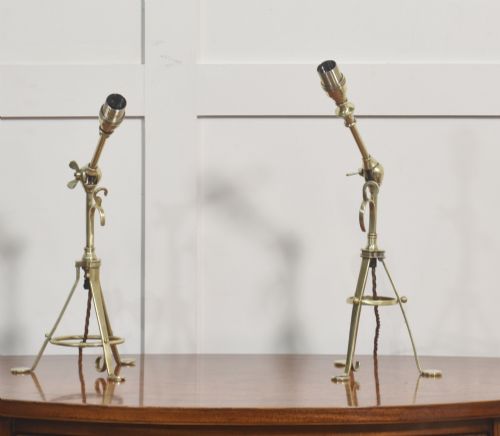
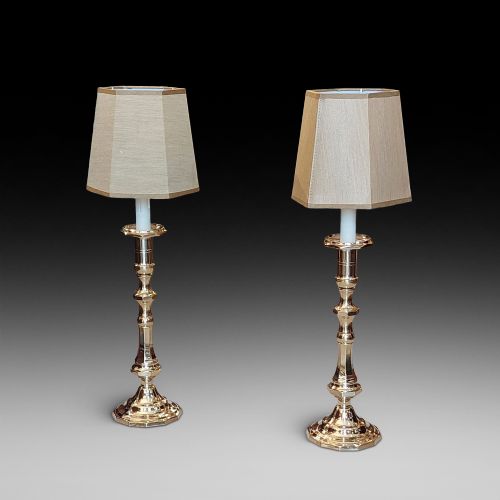
Vintage Brass Lamp Pair
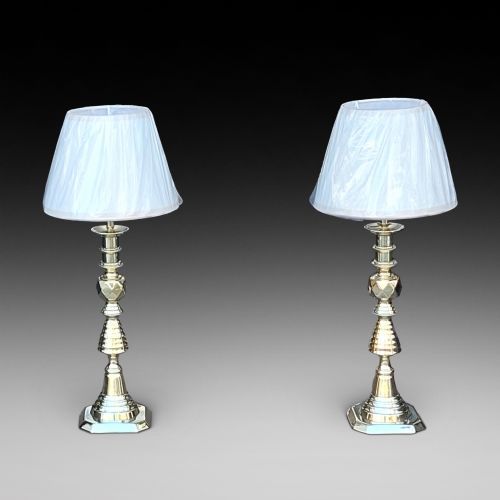
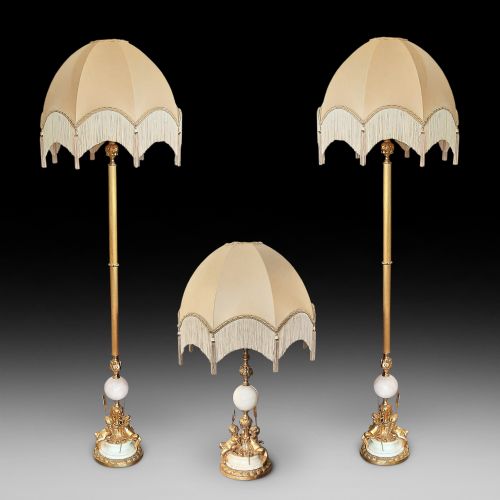
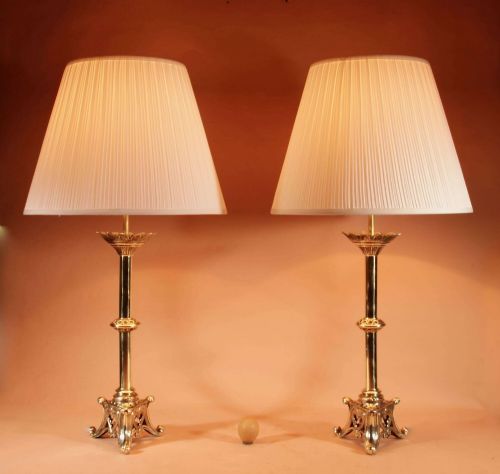
These vintage brass lamp pair examples bring symmetry and warm illumination to an interior, drawing on periods from Victorian to Art Deco.
Vintage Brass Lamp Pair
A vintage brass lamp pair comprises matched lighting fixtures designed primarily for domestic placement on tables, desks or walls. When searching for a vintage brass lamp pair, buyers encounter table lamps, wall lights and converted candlesticks dating from the nineteenth century through the early decades of the twentieth century.
How they were made
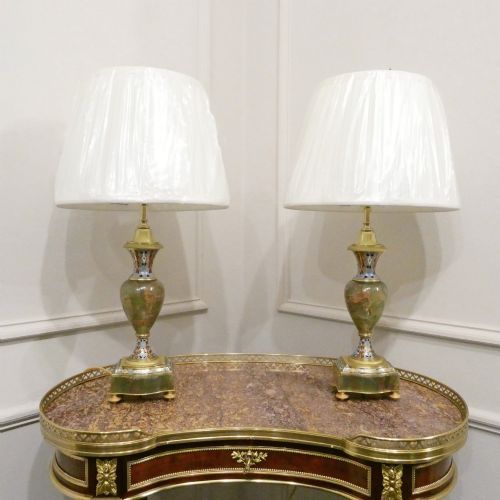
Manufacturers utilised brass, cast brass, and gilded bronze as the primary structural materials, often shaping components through casting and turning. Surface decoration frequently involved champlevé enamel, hand-chasing, or the incorporation of cut crystal and opaline glass elements.
Many items originated as oil lamps, candlesticks or candelabra before subsequent conversion to electricity, while others were built specifically for electrical wiring during the early twentieth century. Structural joinery involved threaded metal components, rivets, and weighted bases to ensure stability.
Several heavy brass standard and table lamps secretly started life as humble Victorian candlesticks before joining the electric age.
What varies in quality
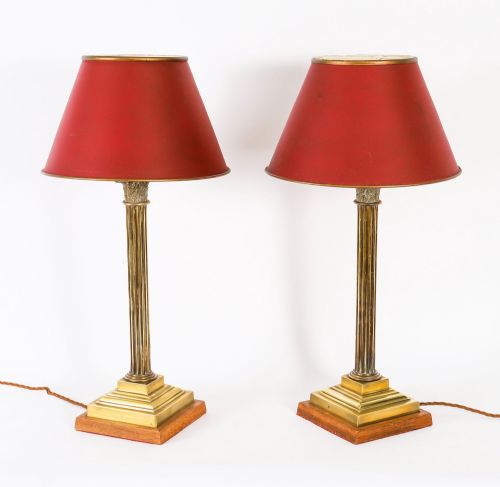
The distinction between standard production and superior execution rests upon the crispness of the metal casting and the depth of surface ornamentation. Finely cast pieces display sharp relief work on Corinthian capitals, figural motifs or foliate scrolls, whereas basic items show softer detail from worn moulds.
Material integration also separates tiers of production, seen in the weight of the brass, the clarity of associated crystal or opaline glass, and the quality of applied gilding or ormolu mounts. Matched pairs demonstrating consistent patination and original components command greater regard than assembled or altered pairs.
W.A.S. Benson·Angelo Brotto for Esperia·Mallett·F. & C. Osler
The Vintage Brass Lamp Pair Glossary
- Ormolu
- Gilded bronze ornamentation applied to decorative metalwork and furniture mounts. This technique was frequently utilised on French lighting fixtures during the nineteenth century.
- Champlevé
- An enamelling technique where troughs are dug into a metal surface and filled with vitreous enamel before firing. It appears on decorative metal lamp bodies.
- Corinthian
- A classical architectural order featuring ornate capitals decorated with acanthus leaves. This motif often forms the column shaft of table lamps.
- Opaline
- A translucent glass type popular for Victorian and Edwardian shade manufacture. It diffuses light softly across a room.
Vintage Brass Lamp Pair: Frequently Asked Questions
How do I wire old brass lamps?
Rewiring typically involves replacing perished historical flex with modern braided cord that meets current safety standards. An electrician can retain original lampholders while updating the internal wiring.
Ensure the base remains stable and that any antique switches or key sockets are checked for safe operation before daily use.
Can I polish vintage brass safely?
Light cleaning with a soft microfibre cloth removes surface dust without disturbing the historical patination. Avoid harsh chemical polishes that strip away age-acquired colour and soften fine cast details.
Unlacquered brass develops a natural oxidation over time, which many collectors prefer to keep intact rather than maintain a bright shine.
Were these always electric lamps?
Many surviving examples began life as oil lamps, candlesticks or gas wall lights before undergoing later conversion to electricity. Converted pieces often retain threaded burners or weighted weighted bases designed for oil reservoirs.
Original factory-wired electric lamps emerged primarily from the late Victorian period onwards as domestic electrification expanded.
How do I match replacement lamp shades?
Selecting shades requires matching the fitter size to the gallery or holder diameter of the specific lamp. Edwardian and Victorian forms often pair best with opaline, etched glass, or pleated fabric shades appropriate to the era.
Proportion is essential, ensuring the shade diameter complements the height and visual weight of the brass base.