
Vintage Brass Glass Table
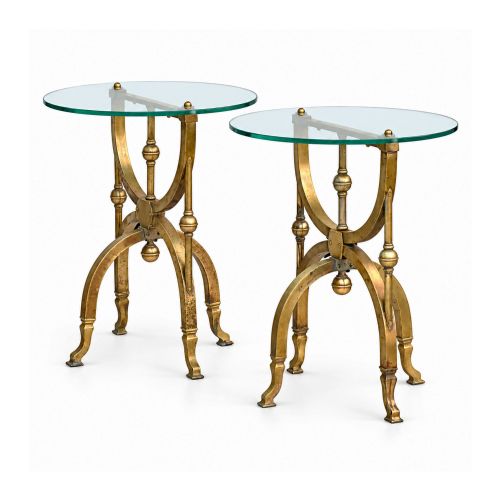
A vintage brass glass table brings a bright, reflective presence to a room, combining metal structure with clear or coloured surfaces.
Vintage Brass Glass Table
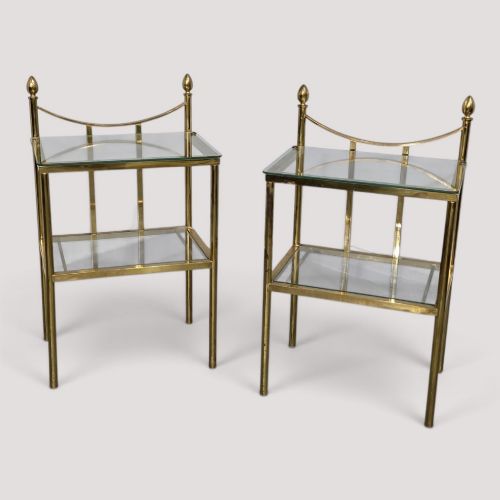
A vintage brass glass table encompasses side tables, coffee tables, and display tables designed to hold objects or serve drinks while keeping rooms feeling open and light. These pieces span the Victorian era, Edwardian period, and Art Deco years, reflecting shifts from heavy revival styles to cleaner geometric lines.
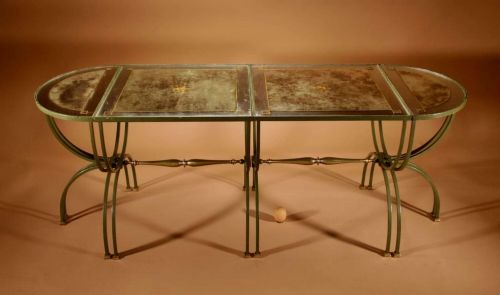
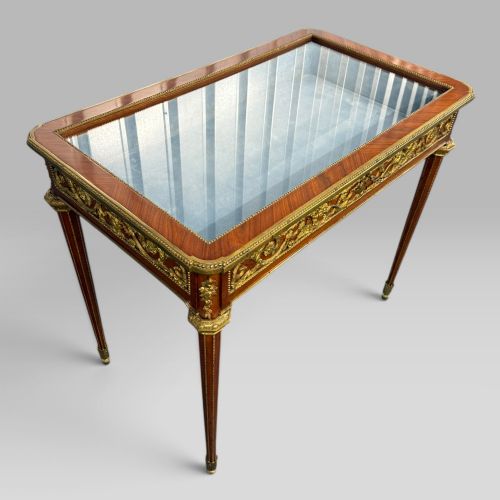
The versions most commonly met on this page include low coffee tables and smaller display pieces, often incorporating bevelled or cut glass tops set into cast or tubular brass frames. Makers also combined mahogany, kingwood, and enamel alongside the primary brass and glass materials, drawing on French Louis XV, Rococo, and Hollywood Regency styles.
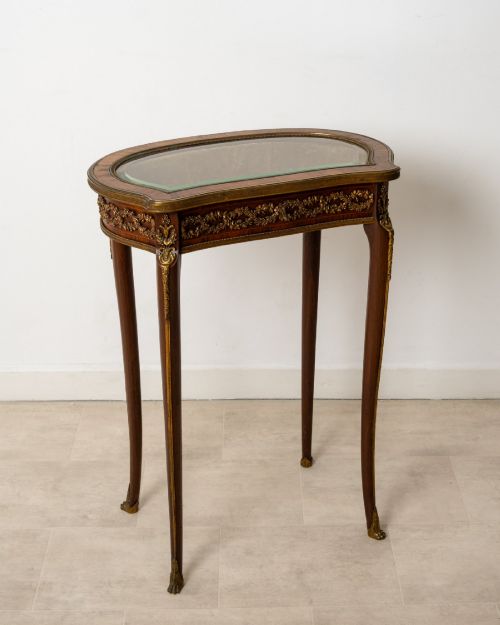
Display tables, sometimes known as bijouterie tables, feature glazed compartments beneath the glass top to showcase small collections of jewellery, medals, or trinkets. Side and coffee tables prioritise surface utility, utilising the reflective qualities of glass to bounce light across a sitting room or drawing room.
How they were made
Casting and joining form the foundation of these tables, utilising brass shaped into columns, cabriole legs, or tubular frames to support heavy glass inserts. Workshops employed casting techniques for decorative mounts and brackets, while frames were polished or gilded to achieve a bright metallic finish.
Glass panels were typically cut, bevelled, or moulded to fit snugly into brass mounts or wooden surrounds made from kingwood and mahogany. In pieces combining brass and glass with ceramics or enamel, components were secured with threaded rods and pins rather than modern adhesives.
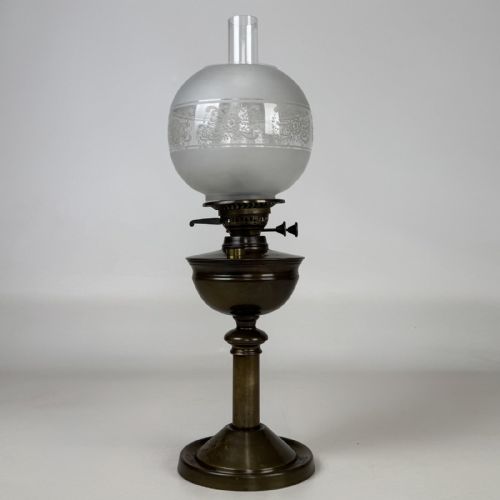
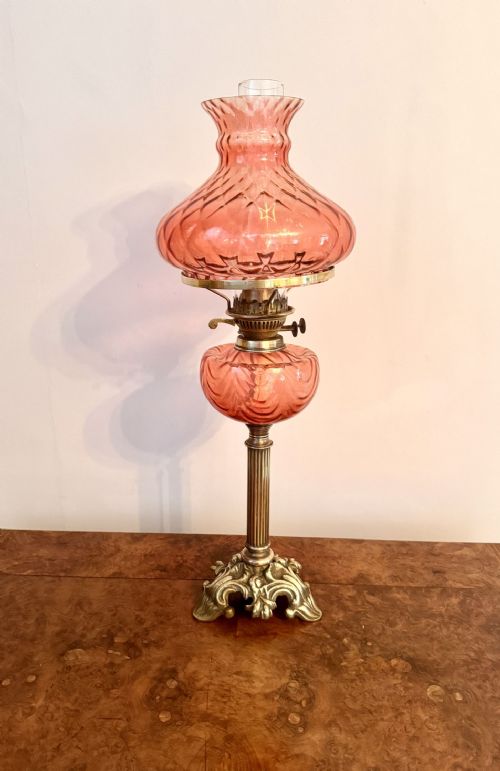
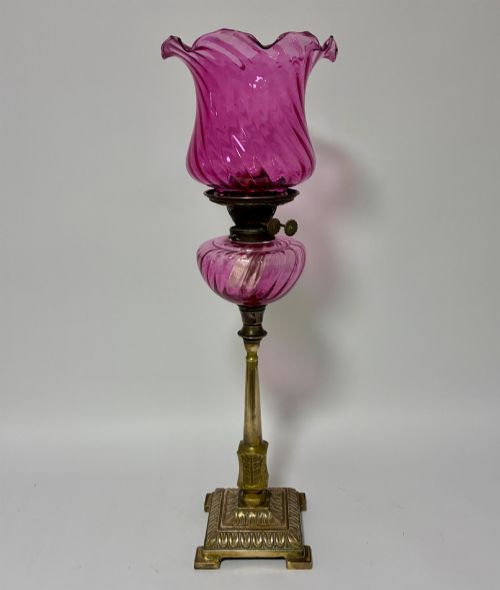
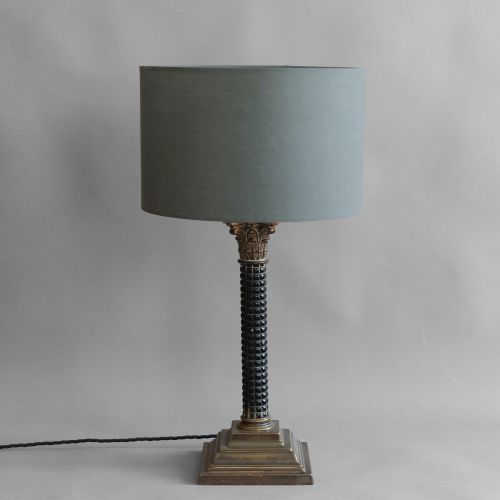
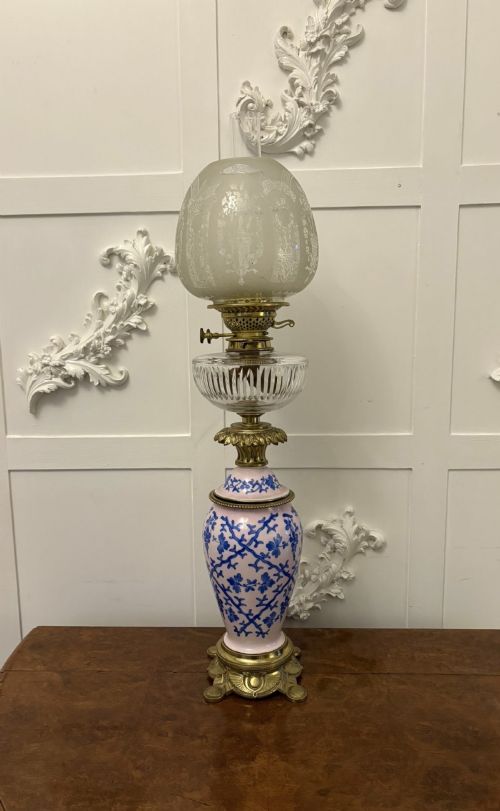
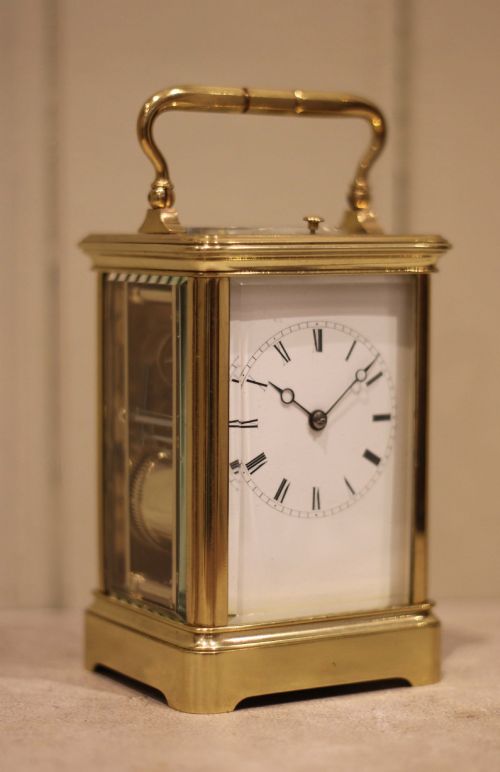
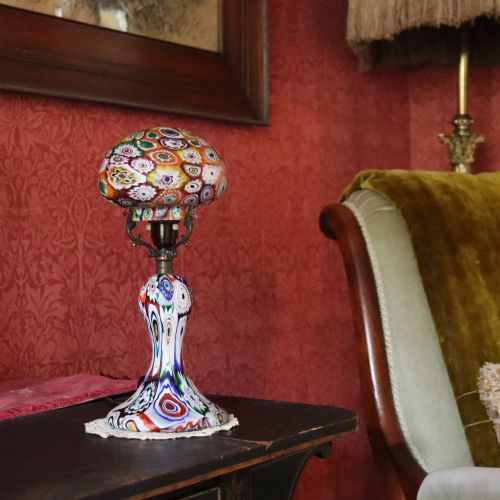
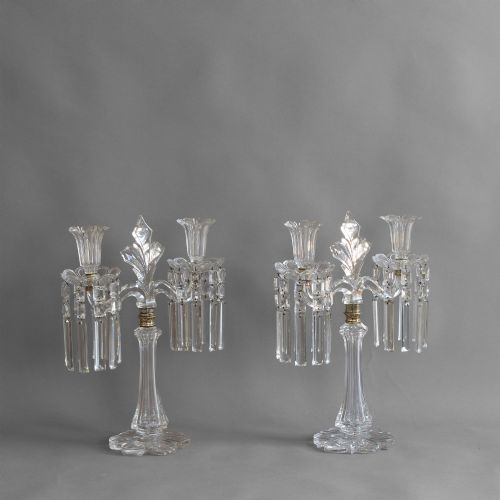
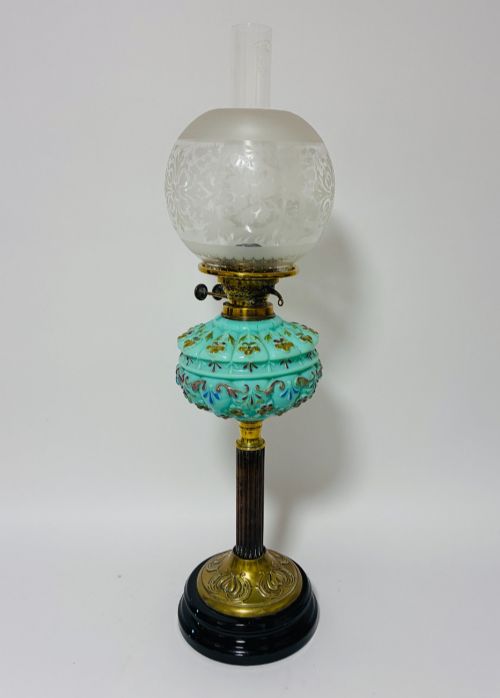
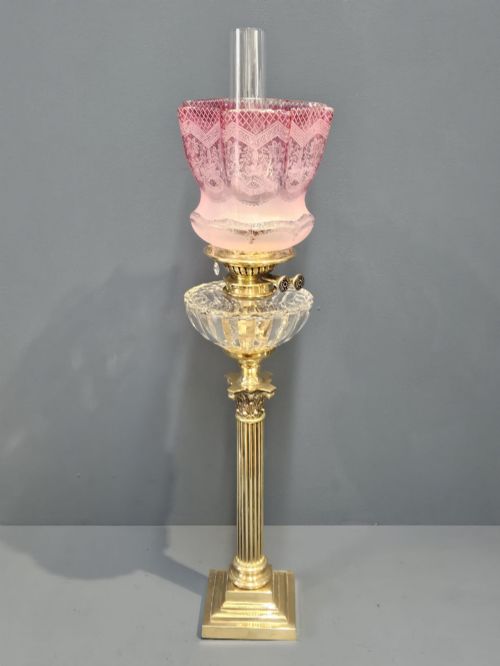
Listings feature brass and glass forms ranging from Victorian oil lamps to Art Deco coffee tables, spanning the nineteenth and twentieth centuries.
What varies in quality
The weight and gauge of the brass structure dictate the substance of a table, separating solid cast components from lighter, stamped alternatives. Crispness in the casting of decorative mounts and the precise levelling of glass inserts indicate superior workshop standards.
The quality of the glass itself defines the upper tier, visible in thick bevelled edges, hand-cut crystal details, or unblemished table tops. Fine joinery in secondary woods like mahogany and kingwood further distinguishes bespoke commissions from mass-produced items.
François Linke·Mappin and Web·Maison Jansen·Fratelli Toso
The Vintage Brass Glass Table Glossary
- Bijouterie table
- A display table with a glazed top and sides designed for showing small valuable items or ornaments. These pieces typically feature hinged lids lined with velvet or fabric.
- Kingwood
- A dense, dark exotic timber featuring prominent golden-brown figuring, frequently utilised in nineteenth-century cabinet making. It appears often as a veneer on high-end display and side furniture.
- Gilt bronze
- Metal cast in bronze and treated with a gold wash or leaf application to provide a bright, enduring finish. It is commonly found on mounts, decorative feet, and luxury table frames.
- Bevelled glass
- Glass panes finished with an angled edge polished around the perimeter to catch light and soften the boundary. This treatment is a hallmark of better-quality table tops and display lids.
Vintage Brass Glass Table: Frequently Asked Questions
How do I clean a brass glass table?
Use a soft, dry cloth for the glass surfaces and a mild, non-abrasive cleaner for the brass frame to preserve the original metal finish.
Avoid harsh chemical polishes that can strip vintage gilding or seep into the joints between the metal and the glass.
Are these tables suitable for daily use?
Most side and coffee tables in this selection were built for functional home environments and handle everyday placement of cups and books with ease.
Display tables require slightly more care around the hinged glazed compartments to protect the internal linings and delicate glass lids.
How do I identify the period of a table?
Examine the styling cues, such as heavy Victorian casting versus streamlined Art Deco geometry, alongside the construction methods visible underneath.
Secondary woods, fastening types, and the weight of the brass components also offer clear clues to the decade of manufacture.
Can I replace a cracked glass top?
Glass inserts can often be replaced by a local glazier who can cut a new panel to match the exact dimensions and thickness required.
For bevelled or exceptionally thick antique glass, finding a specialist who replicates period-appropriate finishes is recommended.