


French Glass Top Table
A french glass top table brings continental elegance into a room, offering a clear surface to display treasured small objects or serve coffee.
French Glass Top Table
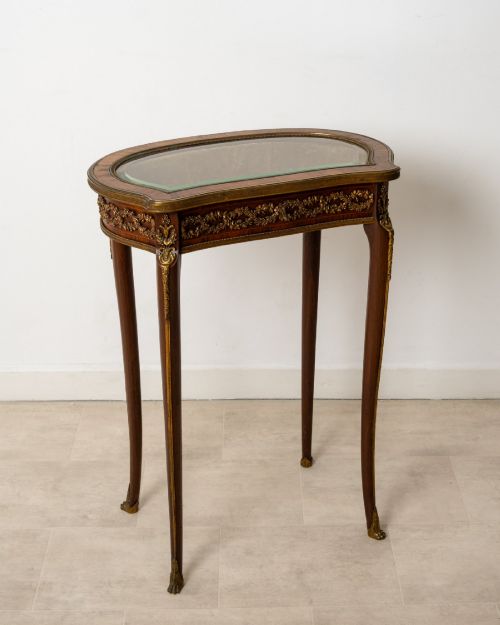
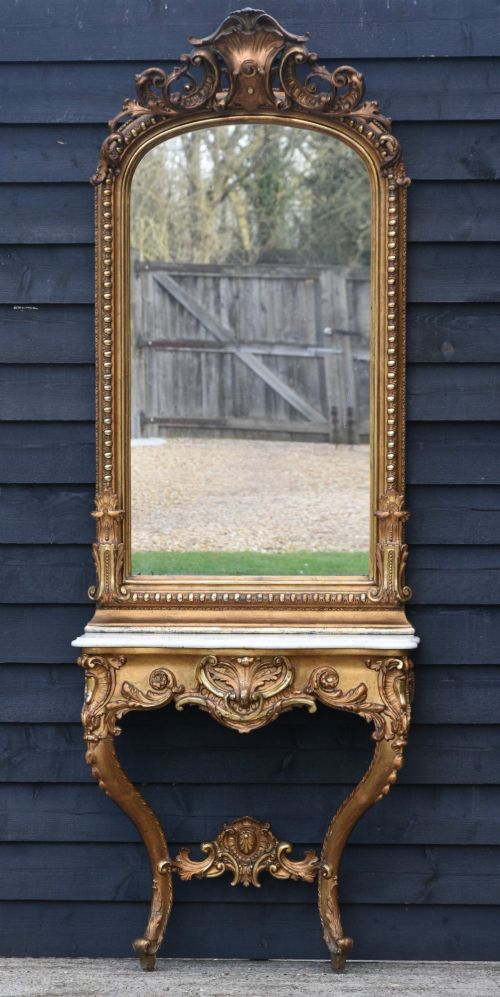
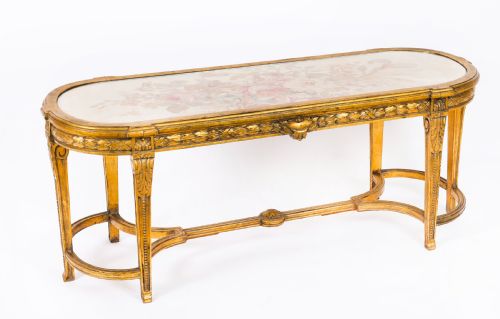
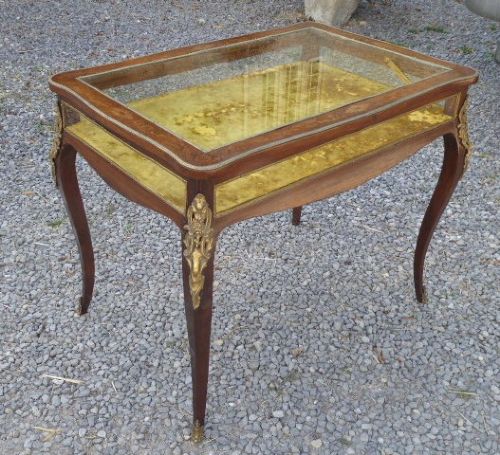
When you search for a french glass top table, you encounter diverse forms spanning nineteenth-century revival pieces to twentieth-century modern designs. Display tables, bijouterie cabinets with glass lids, and low coffee tables dominate the selection, often incorporating glazed viewing areas for small collections. These pieces bridge decorative arts and functional furniture, originating primarily from French workshops across the Victorian era into the art deco period.
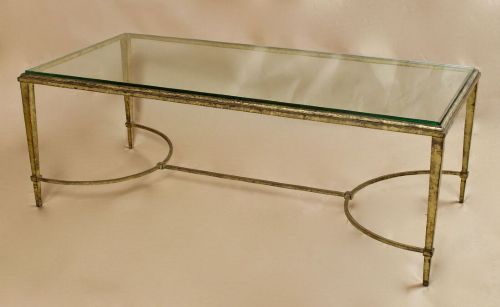
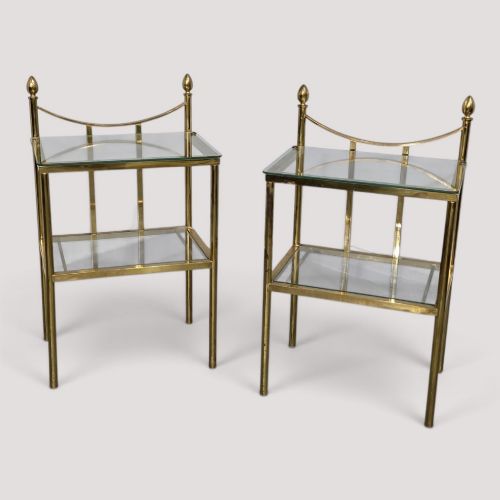
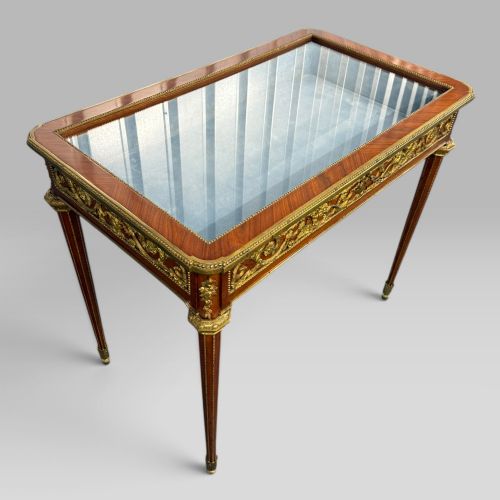
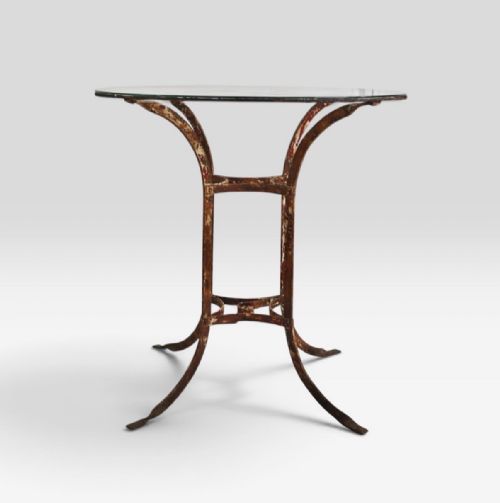
The nineteenth-century examples lean heavily into ornate revival styles, employing rich timbers and gilded mounts to catch the eye. Later twentieth-century items shift toward cleaner lines, utilising wrought iron or brass frames paired with inset glass panels. Buyers find these tables functioning as central display cases in drawing rooms or as practical surfaces in sitting areas.
How they were made
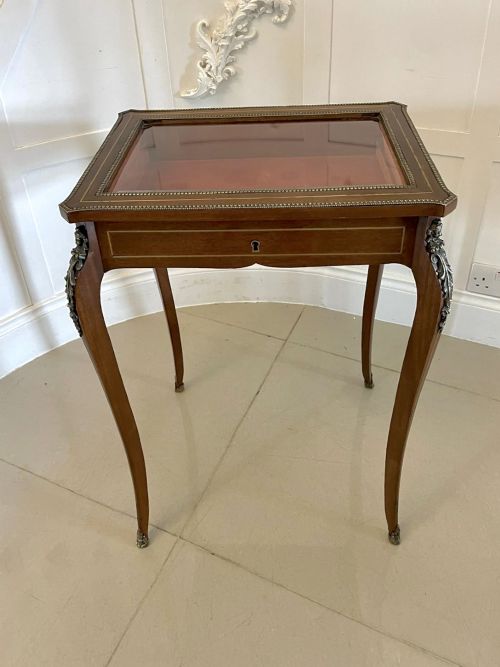
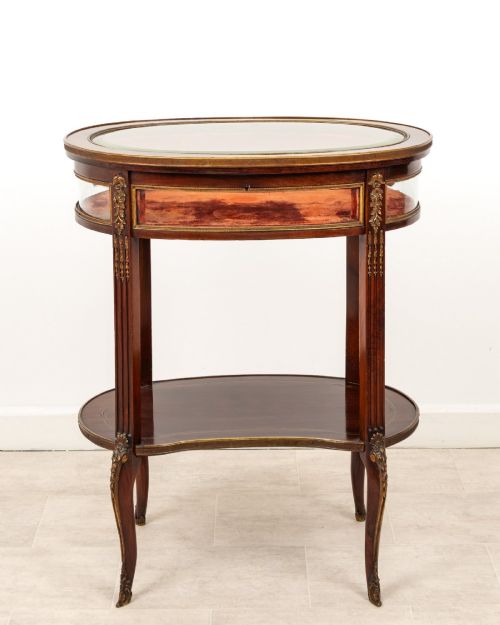
Cabinetmakers constructed the wooden framework using dense timbers like mahogany, rosewood, and kingwood, frequently applying intricate brass inlay or marquetry. Ormolu mounts and gilt-bronze details were cast and chased separately before being fixed to the structural corners and legs. Glass tops and glazed panels were fitted securely into rebated wooden or metal frames, often protecting lined interiors of velvet.
Art deco and later twentieth-century pieces turned to alternative materials such as wrought iron and tubular brass, welded or joined to support heavy glass surfaces. Giltwood and painted finishes required layers of gesso and gold leaf or pigment applied over carved softwood. Every technique served to balance structural support with refined decorative appeal.
Object forms range from classic bijouterie and console tables to nest of tables and garden furniture.
What varies in quality
The distinction between ordinary and exceptional pieces lies in the crispness of the casting on ormolu mounts and the depth of the wood veneers. Finer nineteenth-century examples display hand-chased details on bronze fittings and precise matching of grain on kingwood or mahogany carcases. Poorer execution shows heavy, blunt casting on metal elements and thick, unimaginative veneer work without natural variation.
Structural integrity also separates the grades, visible in how tightly the glass fits its rebated frame and the stability of joint work in legs and hinges. Original glass and unblemished gilding elevate a piece considerably, whereas replaced panels or heavy re-gilding alter the integrity. Master workshops invested significantly more labour in the concealed interior elements and locking mechanisms of display tables.
François Linke·Maison Baguès
The French Glass Top Table Glossary
- Bijouterie table
- A glass-topped display table specifically designed for showing jewellery, medals, and small decorative objects. These pieces often feature hinged lids and velvet-lined interiors.
- Ormolu
- Gilded bronze used widely for decorative mounts on nineteenth-century French furniture. The process involves applying a mercury and gold amalgam to bronze before heating.
- Vitrine
- A glass-fronted or glass-topped display cabinet used to protect and showcase collectibles. The term derives from the French word for glass.
- Trumeau
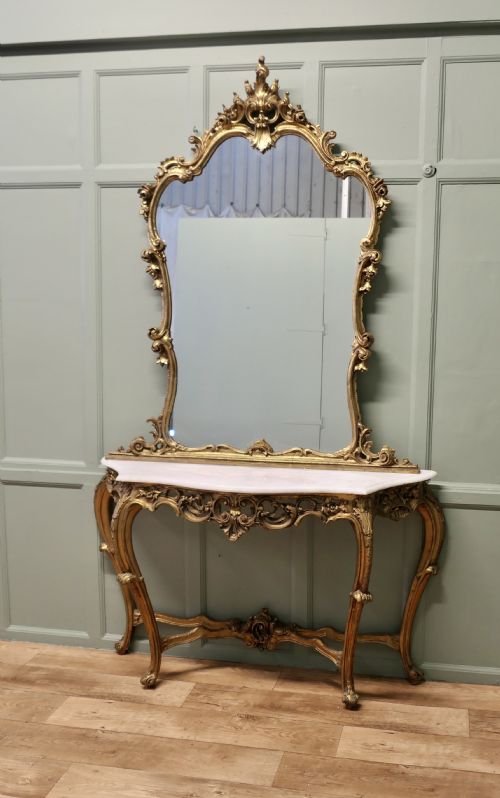
- A decorative wall mirror or panel featuring a painted or carved scene above the glass plate. These often coordinate directly with matching console tables.
French Glass Top Table: Frequently Asked Questions
What is a bijouterie table used for?
A bijouterie table serves as a display case for small valuables, miniatures, and curiosities beneath a protective glass lid. The glazed top allows collectors to view their items without handling them directly.
Historically, these tables sat in formal reception rooms where hosts could share their collected treasures with guests. Today, they continue this function while adding surface utility to a modern interior.
How do I identify nineteenth-century French furniture?
Nineteenth-century French furniture typically displays characteristic revival styles such as Louis XV or Rococo, utilising woods like mahogany and kingwood. Look for fine ormolu mounts and hand-chased bronze details rather than mass-produced metalwork.
Construction methods inside the piece, such as hand-cut dovetails and traditional joinery, also indicate the period. Makers often incorporated brass inlay or marquetry to enhance the visual weight of the timber.
Can I use a display table for daily coffee?
Display tables with glass tops can accommodate light items, but heavy use requires caution regarding antique glass and delicate veneered frames. Low coffee table variants built during the art deco period handle daily placement much better than fragile nineteenth-century vitrines.
Consider the sturdiness of the specific base framework, whether brass, iron, or wood, before placing heavy items on the surface. Protective coasters help preserve delicate polished wood surrounds.
What is the difference between ormolu and brass?
Ormolu consists of a mercury and gold amalgam applied to a bronze base, creating a deep, rich golden lustre that endures over centuries. Brass is a copper and zinc alloy with a generally brighter, yellower metallic tone that requires regular polishing to maintain its finish.
On quality French pieces, decorative mounts are almost universally cast bronze with fire-gilding rather than plain brass sheet. This distinction heavily influences the visual depth and historical authenticity of the furniture.