


Victorian Display Console
These Victorian display console pieces combine surface display space with practical storage, offering a functional centrepiece for any reception room.
Victorian Display Console
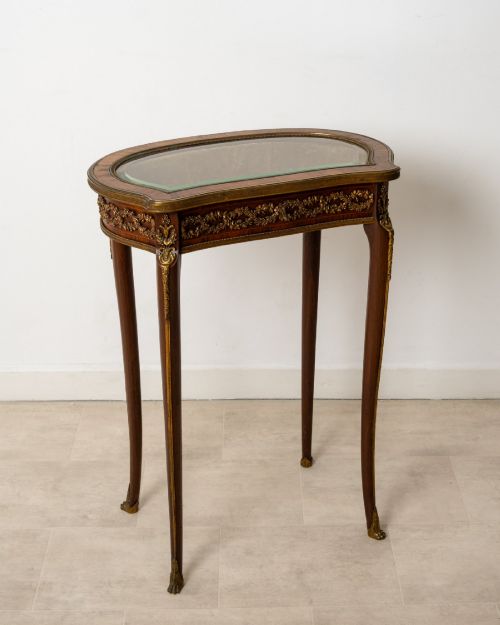
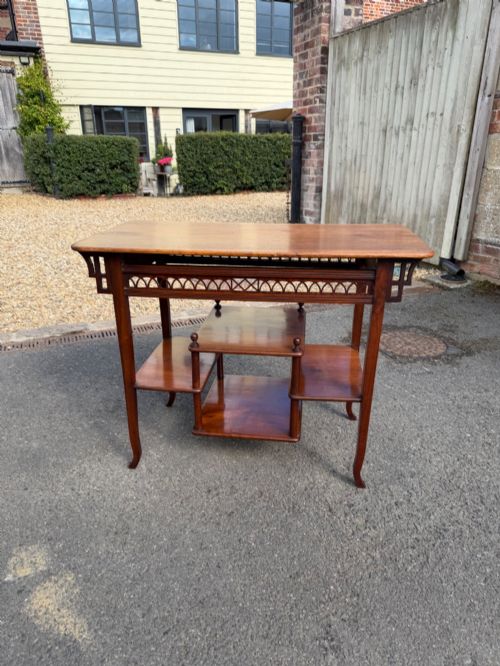
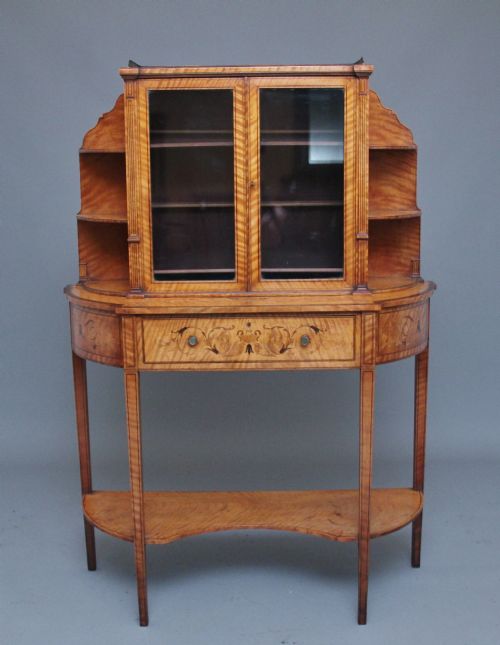
When someone searches for a victorian display console, they encounter a range of nineteenth-century furniture designed to show and store precious objects. The items appearing here stretch from walnut etagere console tables and burr walnut demi-lune whatnot tables to side cabinets and vitrine display tables.
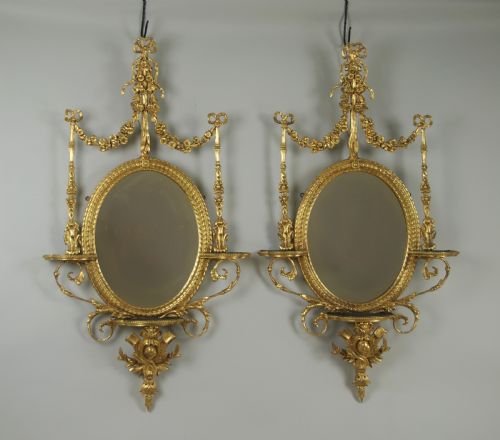
The materials span mahogany, walnut, rosewood, satinwood, and giltwood with gesso enrichments. These pieces date across the nineteenth century, including specific decades such as the 1860s, 1870s, 1880s, and late Victorian periods up to around 1910.
Buyers will find that wall brackets, wall shelves, and side tables frequently share space with larger credenzas and buffets. Each form serves to organise ornaments or books while anchoring the aesthetic of a period room.
How they were made
Cabinet makers utilised dense hardwoods like mahogany, walnut, and rosewood, frequently selecting burr walnut veneers to create striking figure on curved surfaces. Frames often incorporated brass inlay, painted panels, and elaborate carved details.
Giltwood and gesso pieces relied on traditional moulding and application of gold leaf over plaster grounds to achieve reflective surfaces. Structural joinery involved solid timber carcases built to support heavy marble tops, glass panels, and porcelain inserts.
Some items feature secret compartments hidden behind intricately carved mahogany panels for stashing love letters.
What varies in quality
Quality rests upon the selection of timber veneers and the crispness of applied carvings, brass inlays, and painted panels. Pieces featuring burr walnut with balanced grain patterns and substantial brass mounts stand apart from simpler utility items.
The integration of complex forms, such as demi-lune curves combined with open display shelves and glazed doors, demonstrates superior cabinet making skill. Original glass, fine gilding, and intact structural mounts further elevate the standing of an individual piece.
Gillow and Co
The Victorian Display Console Glossary
- Demi-lune
- A half-moon shape used for the top and base of console tables and cabinets designed to sit flat against a wall.
- Etagere
- A set of open shelves for displaying small ornaments and decorative objects, popular during the Victorian period.
- Vitrine
- A glass-fronted cabinet or table designed specifically for displaying fine objects and curiosities.
- Gesso
- A plaster-like mixture applied to wood surfaces as a base for painting or gilding with gold leaf.
- Credenza
- A sideboard or buffet cabinet, often featuring doors and shelving, used for storage and display.
Victorian Display Console: Frequently Asked Questions
Where should I place a display console?
These pieces suit entrance hallways, living rooms, and dining spaces where their surfaces can hold lamps, books, or decorative collections.
Wall-mounted versions require secure fixing into solid masonry to support the weight of timber and glass shelves.
How do I care for burr walnut veneer?
Keep wooden surfaces away from direct sunlight and heat sources to prevent the burr walnut veneer from drying and cracking.
Apply a traditional wax polish occasionally and buff gently with a soft cloth to maintain the natural sheen.
What is the difference between an etagere and a console?
An etagere consists primarily of multiple open tiers designed purely for display rather than enclosed storage.
A console table or cabinet typically anchors against a wall, combining surface display with enclosed cupboards or drawers.
Can these tables hold heavy objects?
Most antique console tables and cabinets safely support standard decorative items, clocks, and table lamps.
Wall brackets and shelves have specific weight limitations depending on the wall fixings and the structural strength of the timber.