
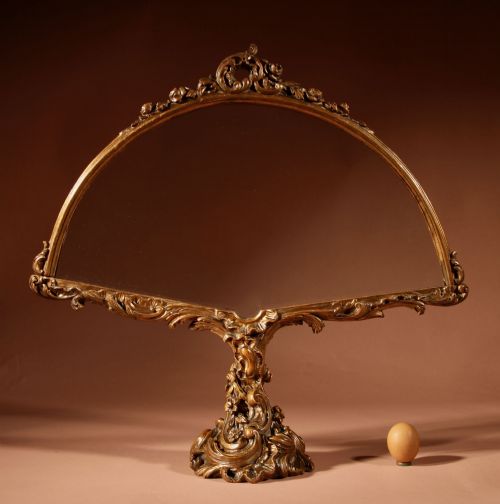


Vintage Brass Glass Cabinet
A vintage brass glass cabinet brings clarity and structure to a room while holding small treasures securely behind glazed panels.
Vintage Brass Glass Cabinet
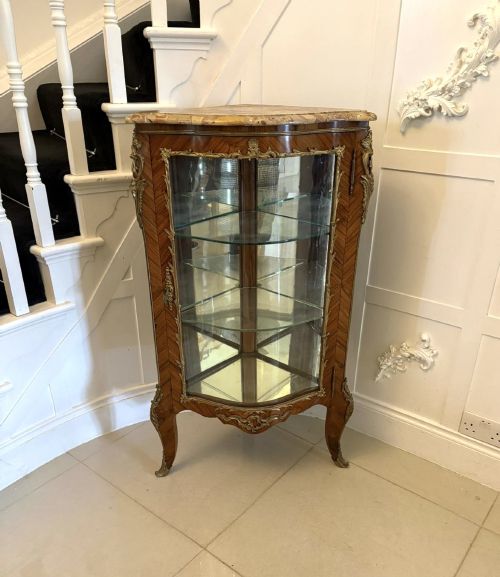
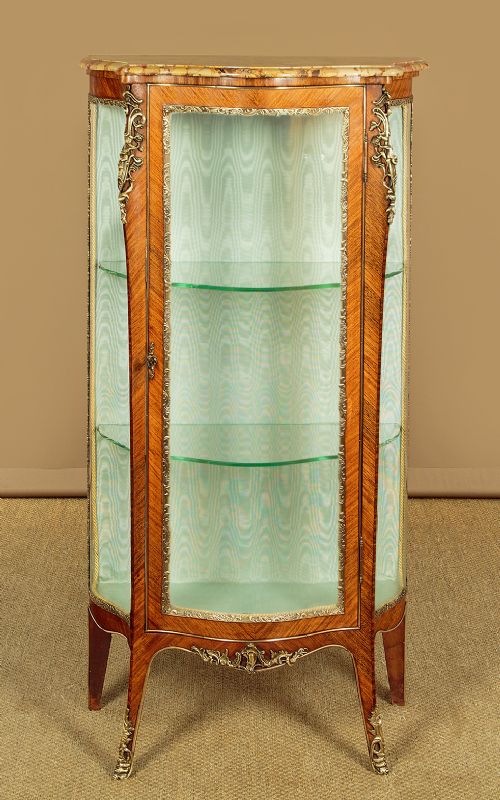
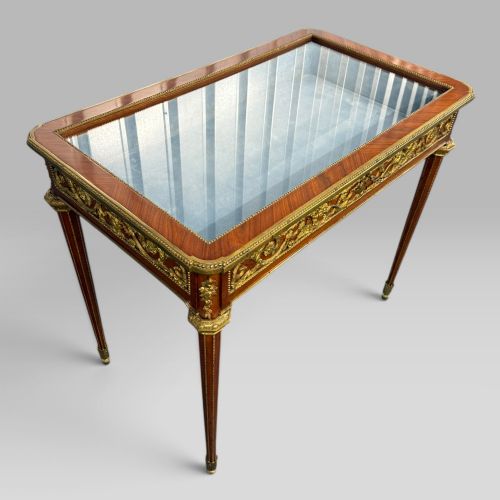
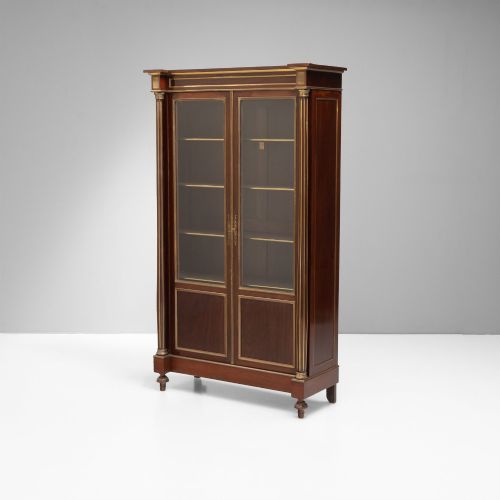
A vintage brass glass cabinet groups together glazed display furniture, shop counters, and smaller tabletop vitrines made from the nineteenth century through the mid twentieth century. Buyers seeking this phrase encounter everything from Edwardian commercial shop counters to 1920s brass-framed display units and refined French-style vitrines.
The materials span mahogany, oak, and kingwood frames joined with brass mountings, holding transparent glass panels designed to showcase contents from multiple angles. Domestic variants include pier cabinets and bijouterie tables, whilst commercial versions reflect the utilitarian demands of drapers and jewellers from the early twentieth century.
Origins stretch across English workshops and French cabinet-makers, incorporating revivalist motifs alongside functional retail furniture. The selection balances domestic display pieces with substantial shop counters fitted with polished brass frames and mirrored interiors.
How they were made
Construction relies on timber framing, predominantly mahogany and oak, joined with brass corners, hinges, and glazed door panels. Metalwork components include cast brass or ormolu mounts that secure glass panes and reinforce cabinet corners.
Interior surfaces often incorporate fabric linings such as velvet or mirrored glass panels to reflect light through the displayed objects. Cabinet makers utilised traditional joinery alongside metal framing techniques to support heavy glass doors and tiered shelving.
Listings feature items spanning the eighteenth century through the 1960s, incorporating oak, mahogany, kingwood, and rosewood.
What varies in quality
Quality rests in the precision of the brass framing and the clarity of the glass panels, where heavier gauge metalwork and tighter corner joints separate robust commercial counters from lighter domestic cabinets. The integration of subsidiary materials, such as mirrored backs and velvet linings, indicates the original intended grade of the piece.
Maker attribution elevates certain examples, particularly those bearing the stamps of established shopfitters or specialist cabinet makers. Timber selection also defines the tier, moving from utilitarian oak and stained pine up to figured mahogany, kingwood veneers, and chased ormolu mounts.
François Linke·F. Sage and Co.·Saml Elliott and Sons·Edwards and Roberts·Siegel
The Vintage Brass Glass Cabinet Glossary
- Vitrine
- A glass-fronted display cabinet designed for porcelain, books, or curiosities. These pieces often feature glazed sides to maximise interior illumination.
- Bijouterie table
- A low display table with a glazed top and compartmented interior made for jewellery and small precious objects. They typically stand on slender legs.
- Tantalus
- A locking beverage case fitted with a metal bar that secures decanters whilst leaving their contents visible. The mechanism prevents unauthorised pouring.
- Ormolu
- Gilded bronze mounts applied to furniture for decorative effect. The technique involves treating metal with a mercury-gold amalgam to achieve a rich golden finish.
- Haberdashery cabinet
- A commercial shop fixture featuring multiple shallow drawers with glass fronts or pulls. They were utilised for storing and displaying textiles and small wares.
Vintage Brass Glass Cabinet: Frequently Asked Questions
How do I clean the glass and brass?
Dust surfaces regularly with a soft, dry cloth to prevent grime accumulation on the delicate framing. Avoid abrasive cleaners on brass mounts to preserve the historic patina.
For glass panels, use a mild vinegar solution applied to a cloth rather than sprayed directly, ensuring moisture does not seep into wooden joints or fabric linings.
Where should I place a display cabinet?
Position cabinets away from direct sunlight to protect interior timber veneers, fabric linings, and sensitive displayed objects from fading. Stable room temperatures prevent timber warping and stress on glass panels.
Allow adequate clearance for hinged or sliding doors to open fully without striking adjacent walls or furniture.
Can these cabinets hold heavy items?
Domestic vitrines and tabletop bijouterie cases are engineered for lightweight collectables, porcelain, and small curiosities. Commercial shop counters and heavy oak bookcases accommodate greater loads due to their robust structural framing.
Check shelf supports and timber thickness before placing dense collections inside older display furniture.
How do I identify the period of a cabinet?
Examine construction methods, screw types, timber species, and decorative hardware styles to determine the approximate decade of manufacture. Edwardian and 1920s shop fittings often display utilitarian brass frames, whereas nineteenth-century pieces lean towards revivalist wood veneers.
Maker stamps, retailer plaques, and patent marks found inside drawers or along metal frames provide definitive chronological markers.