

Vintage Brass Frame
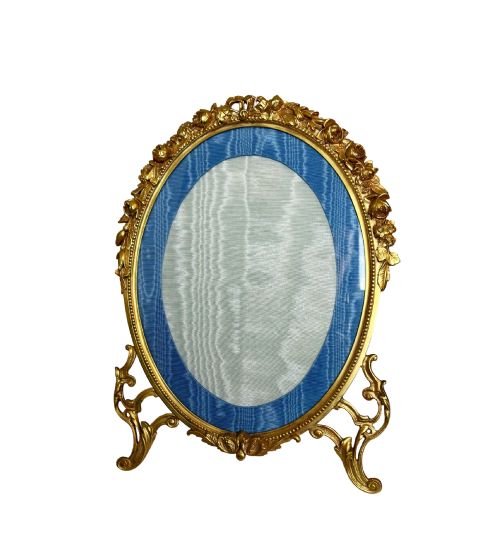
A vintage brass frame holds portraits, mirrors and glass lanterns, bringing warm metal tones and period detail to a room.
Vintage Brass Frame
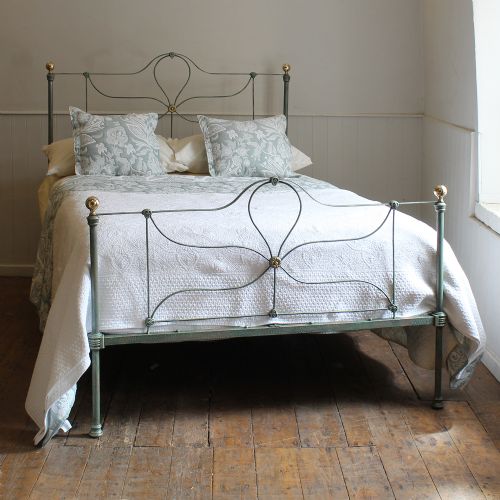
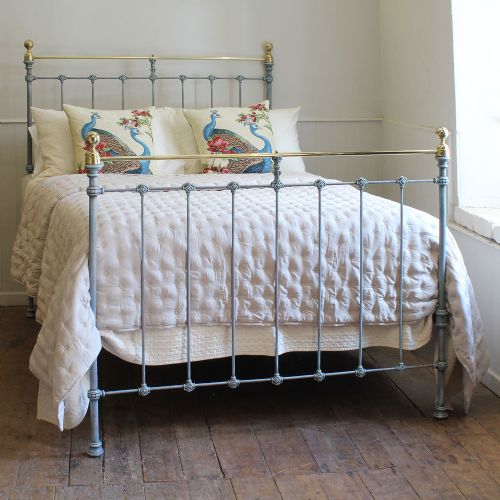
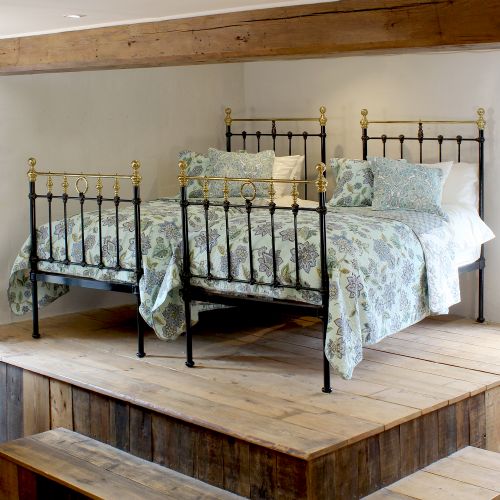
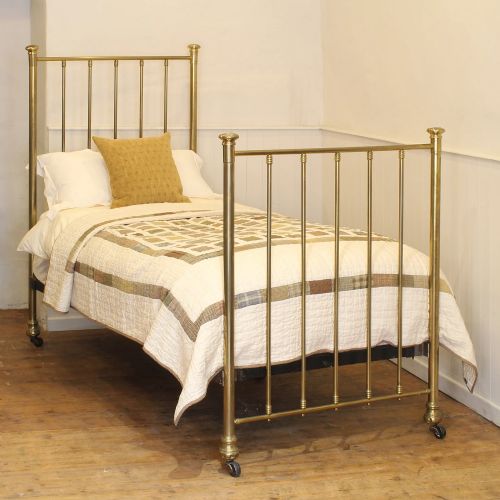
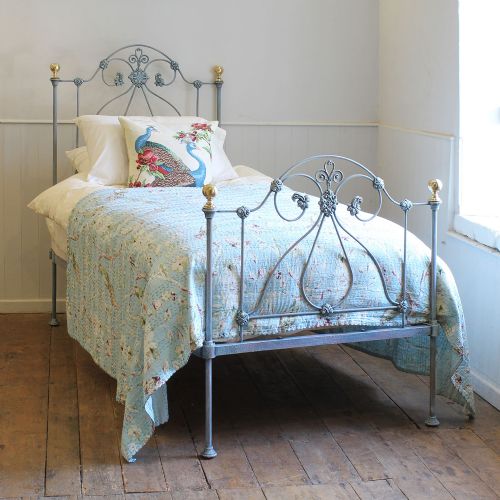
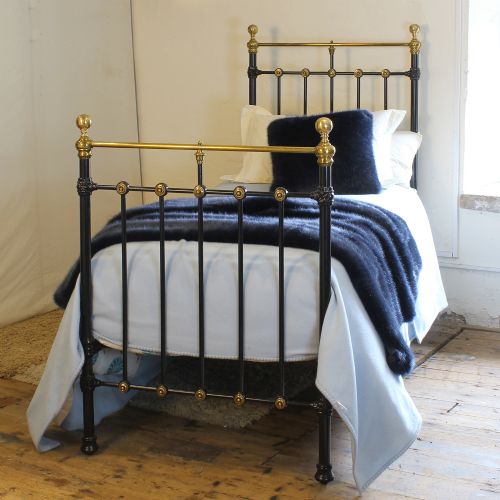
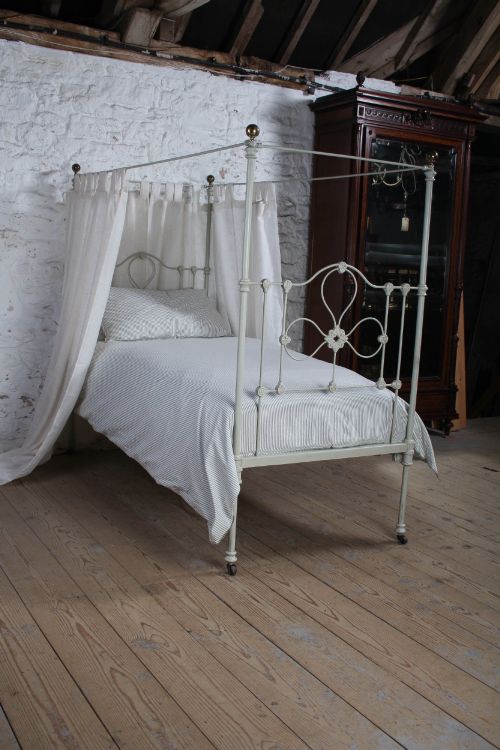
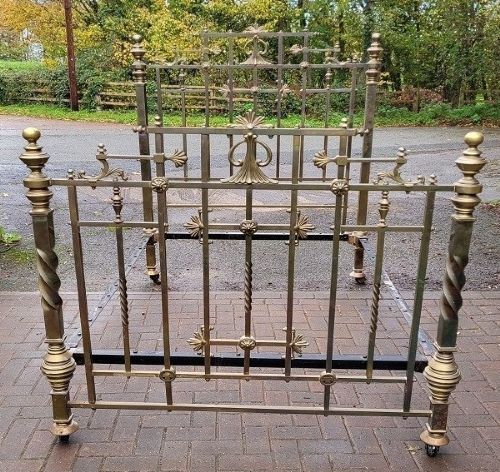
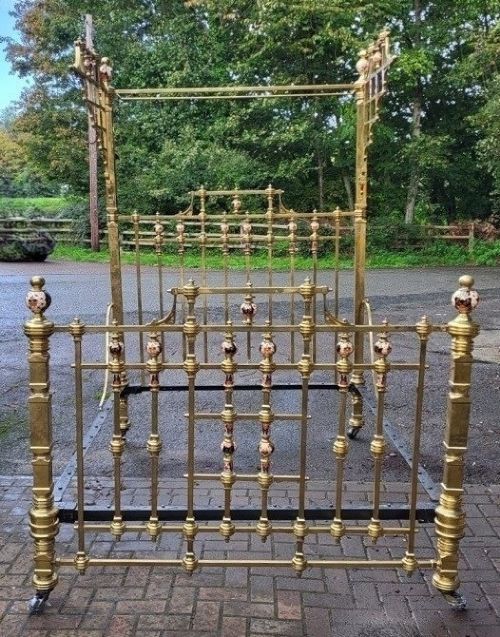
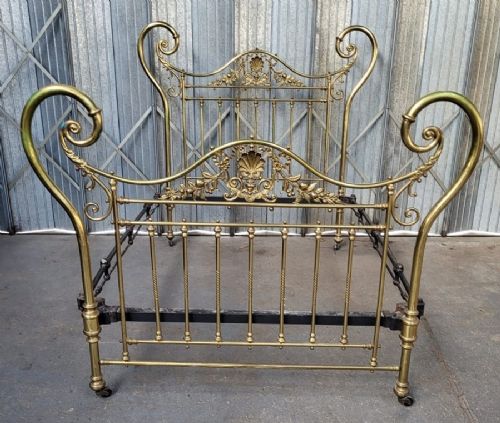
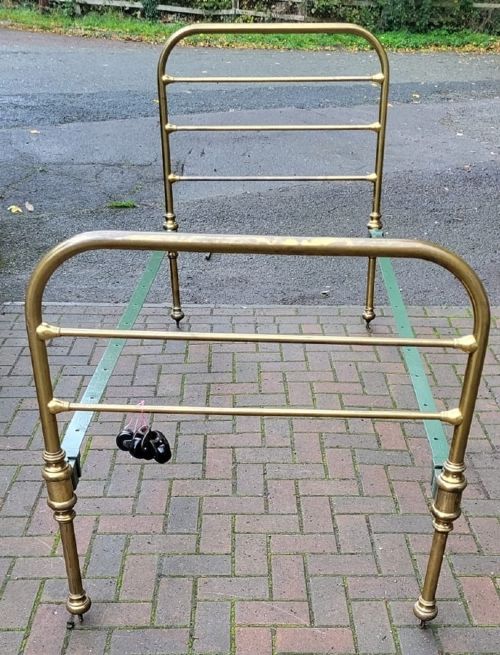
When buyers search for a vintage brass frame, they encounter a selection spanning the Victorian and Edwardian eras through to the early twentieth century. These items manifest primarily as picture frames, wall mirrors and hanging lanterns, alongside structural furniture components like metal bedsteads.
The objects originate from diverse stylistic traditions, including French Rococo, Art Nouveau and Arts and Crafts designs. Most examples found on this page date from the late nineteenth century and the opening decades of the twentieth century.
Beyond standalone picture frames, the listings encompass glazed lanterns and architectural mirror mounts. These pieces combine structural metalwork with decorative castings, glass panels and velvet accents.
Materials and construction
Construction relies heavily on cast and wrought brass, frequently paired with iron frames, wooden elements such as mahogany and beech, and bevelled glass. Makers utilised gilt bronze and ormolu finishes to add decorative richness to mirrors and photo frames.
Items from the Arts and Crafts period display hand-finished copper and brass mounts, while Victorian bedsteads and lanterns incorporate detailed metal castings and slot-in frames set on castors.
Assessing quality
Quality rests in the crispness of the brass castings and the integrity of the original surface patination. Exhibition quality pieces demonstrate superior detailing in the ornamentation and heavier gauge metalwork.
The balance between decorative mounts and structural support defines the superior examples. Items retaining their original glass, velvet linings or unpolished metal surfaces command greater interest from collectors.
Maple and Co·Winfield
The Vintage Brass Frame Glossary
- Ormolu
- A gilt bronze finish applied to decorative metalwork and photo frames. It provides a bright golden surface that mimics solid gold.
- Bevelled glass
- Glass panes with edges ground at an angle to catch the light. This technique adds depth to mirrors and hanging lanterns.
- Arts and Crafts
- A design movement prioritising handcrafting and natural materials over mass production. Pieces from this style often feature exposed metal mounts and simple geometric forms.
- Gilt bronze
- An alloy coated with a thin layer of gold. It appears frequently on nineteenth-century French mirrors and picture frames.
Vintage Brass Frame: Frequently Asked Questions
What periods do these pieces come from?
The selection spans the Victorian and Edwardian periods, stretching from the mid-nineteenth century into the early twentieth century. Many items date specifically from the decades around eighteen-eighty to nineteen-ten.
Craftsmanship from these eras often reflects stylistic influences such as French Rococo, Arts and Crafts and Art Nouveau.
How do I clean antique brass frames?
Maintenance requires gentle dusting with a soft cloth to preserve the natural patination built up over decades. Chemical cleaners and aggressive polishing strips the historical surface.
Leaving the metal undisturbed maintains the authentic appearance appreciated by collectors of period accessories.
Are these frames suitable for modern interiors?
The warm tones of nineteenth-century brass integrate easily into contemporary rooms as functional mirrors, photo displays or hanging lanterns. Their varied sizes accommodate diverse wall spaces.
Stylistic diversity ranges from ornate French gilt designs to simpler Arts and Crafts interpretations.
How do I identify Art Nouveau frames?
Art Nouveau examples display characteristic organic motifs, flowing asymmetrical lines and stylised natural forms. These pieces date predominantly from the late Victorian and Edwardian periods.
Makers utilised cast brass and copper to achieve these fluid, plant-inspired contours.