


Vintage Brass Foyer Light
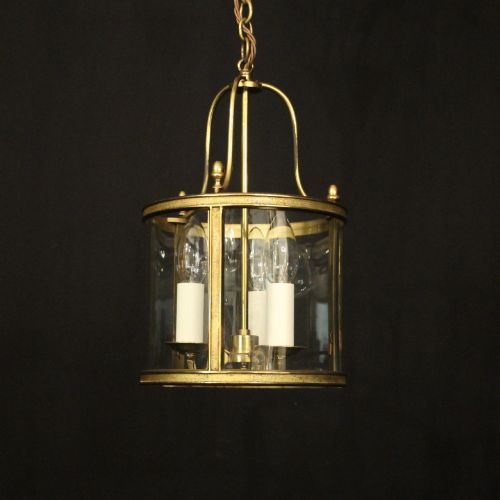
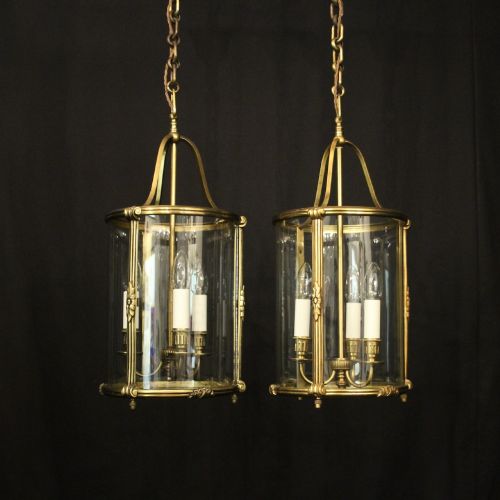
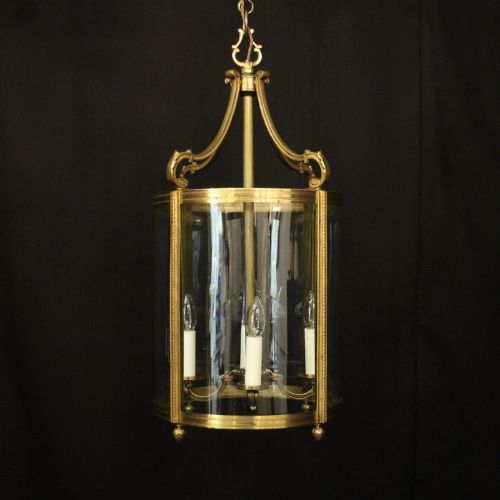
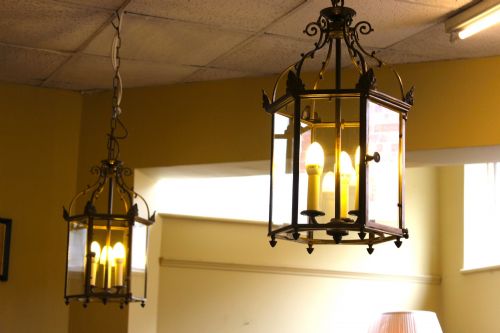
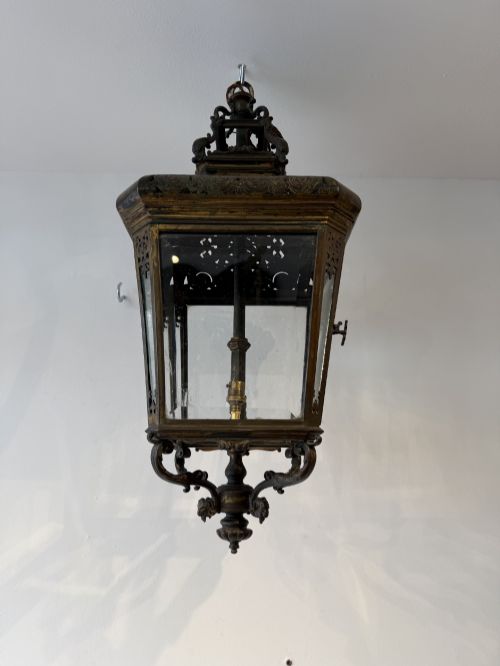
A vintage brass foyer light brings warmth and architectural presence to an entrance, offering heavy cast metals and clear glass panels.
Vintage Brass Foyer Light
A vintage brass foyer light functions as a commanding overhead fixture designed specifically for entrance halls and stairwells. The pieces gathered here span from the nineteenth century through the early twentieth century, encompassing periods such as the Edwardian era and the nineteen-twenties.
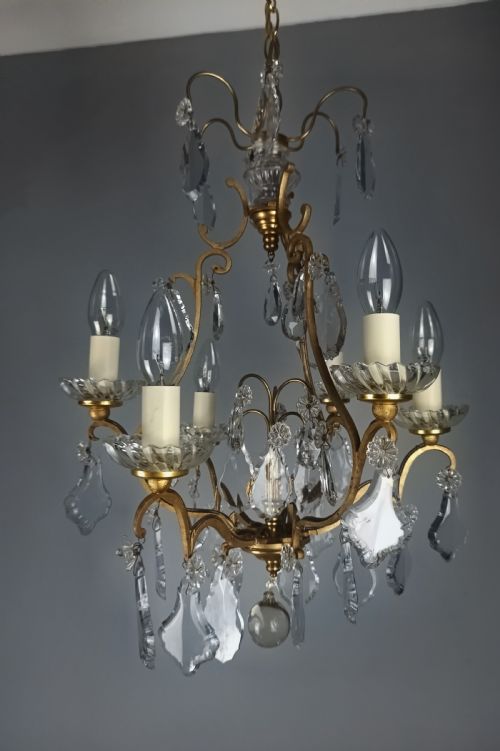
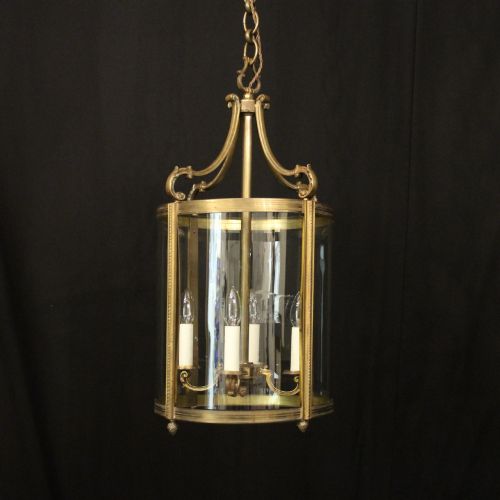
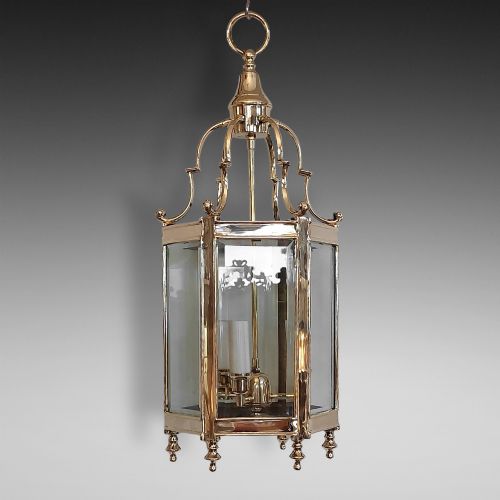
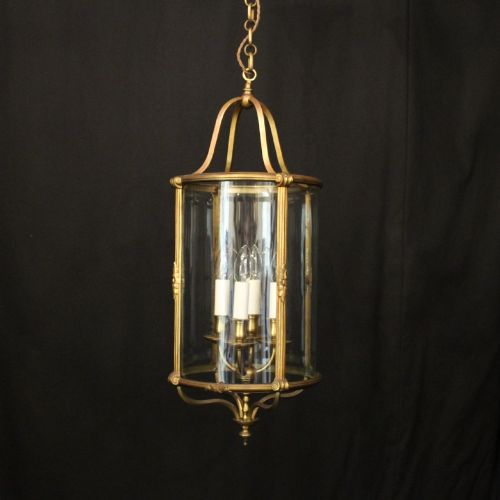
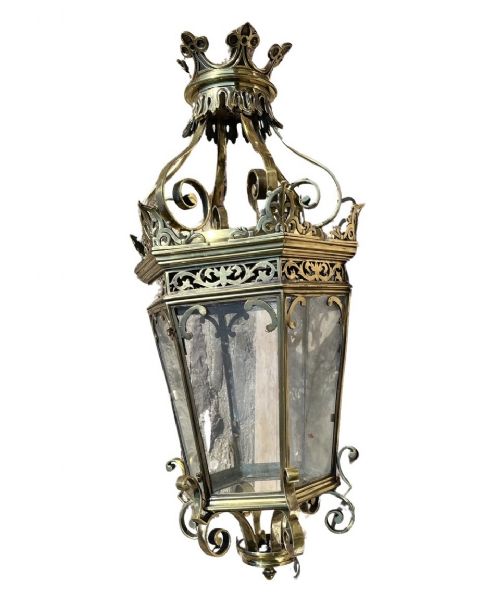
Buyers will most frequently encounter French hall lanterns and chandeliers executed in brass, bronze, and gilded finishes. These hanging lights take various geometric forms, including hexagonal shapes, convex glass designs, and birdcage configurations.
The selection ranges from simple single-light pendants to grand multi-light fixtures intended for high ceilings. Originating predominantly from French and English workshops, these lights reflect historical design movements like Neoclassical, Rococo Revival, and Empire styles.
Materials and construction
Craftsmen utilised heavy cast brass, bronze, and gilt metals to build the structural frames of these lanterns and chandeliers. Metal components were frequently gilded to enhance the decorative impact within formal entryways.
Panels of glass, including bevelled and convex plates, were fitted into the metal armatures to enclose the light sources. Many fixtures incorporate hinged doors and delicate fretwork to secure the glass securely within the frame.
Hexagonal frames emerge as the predominant geometric form among the early twentieth-century brass lanterns.
Distinctions in quality
The degree of hand-finishing in the metal casting separates standard production from superior examples. Heavier gauge brass and thick, bevelled glass panes indicate a higher grade of manufacture.
The refinement of the decorative mounts, such as cast bronze ornamentation and elaborate suspension loops, defines the upper tier of these hanging lights.
The Vintage Brass Foyer Light Glossary
- Hall lantern
- A ceiling-hung enclosed lighting fixture designed for corridors and entranceways. These pieces typically feature glass panels held within a metal frame.
- Convex glass
- Curved glass panels that project outward from the lantern frame. This technique softens the emitted light and adds visual depth to the fixture.
- Gilded bronze
- Bronze metal treated with a thin layer of gold leaf or gilt finish. This treatment provided a lustrous appearance suited to formal reception rooms.
- Bevelled glass
- Glass panes cut with an angled edge around the perimeter. The angled border catches and refracts light as it passes through.
- Birdcage chandelier
- A multi-light hanging fixture shaped with vertical metal straps resembling an open cage. This decorative form gained popularity in French lighting design.
Vintage Brass Foyer Light: Frequently Asked Questions
How do I hang a heavy brass hall lantern?
These substantial fixtures require direct attachment to ceiling joists using a properly rated structural hook or bracket. Professional installation ensures the weight of the heavy cast metal and glass is securely supported.
Electrical wiring must also be assessed to match the demands of multi-light frames, particularly when dealing with older fixtures that may need modern internal components.
What rooms suit a convex glass lantern?
Convex glass lanterns work exceptionally well in hallways, vestibules, and stairwells where their curved panes can diffuse light effectively. Their enclosed design protects the internal bulbs from drafts in transitional spaces.
They also provide a strong focal point in smaller rooms with sufficient ceiling height to accommodate a hanging drop.
Can I clean vintage gilded bronze safely?
Gilded surfaces require gentle dusting with a soft, dry cloth to remove surface particles without disturbing the delicate gold leaf. Liquid cleaners and abrasive polishes must be avoided entirely.
Maintaining the original surface preservation keeps the historic character and soft sheen intact.