



French Brass Entryway Light
A french brass entryway light brings genuine Continental character to a hallway, offering warm illumination through glass and polished metal.
French Brass Entryway Light
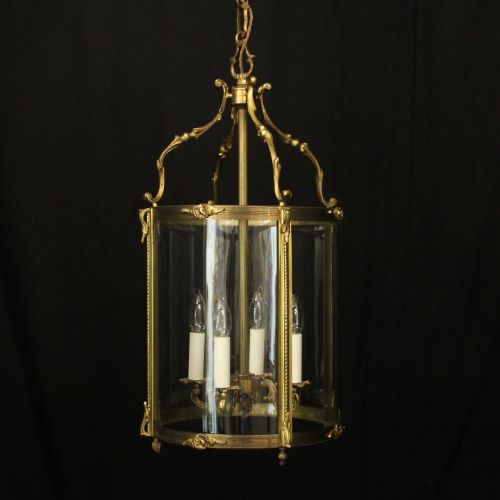
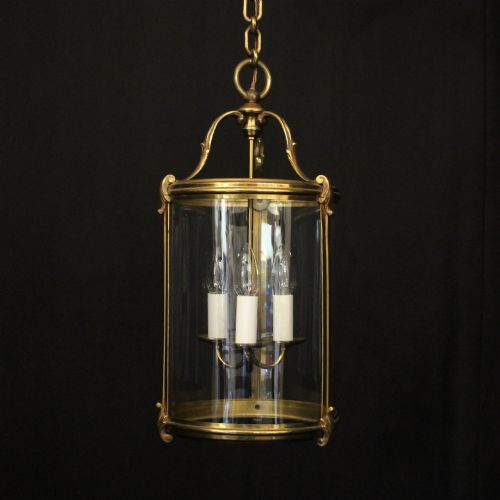
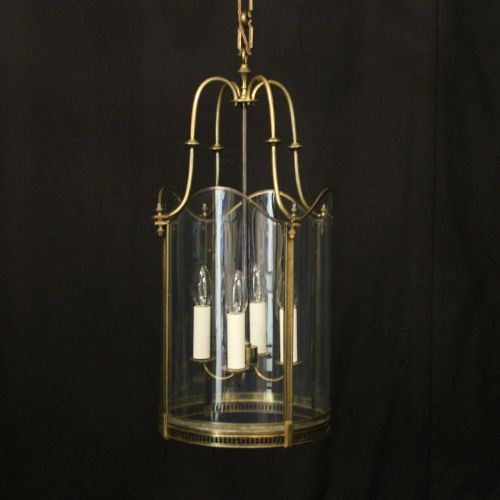
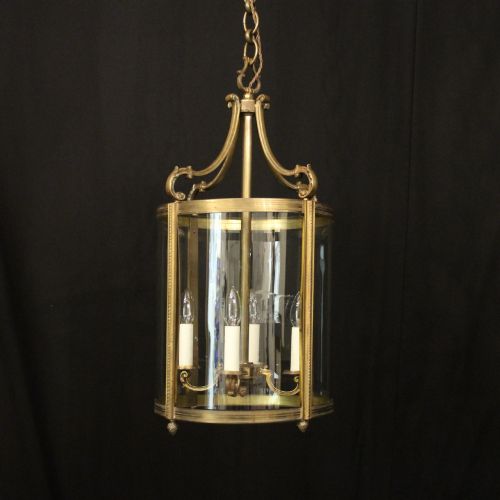
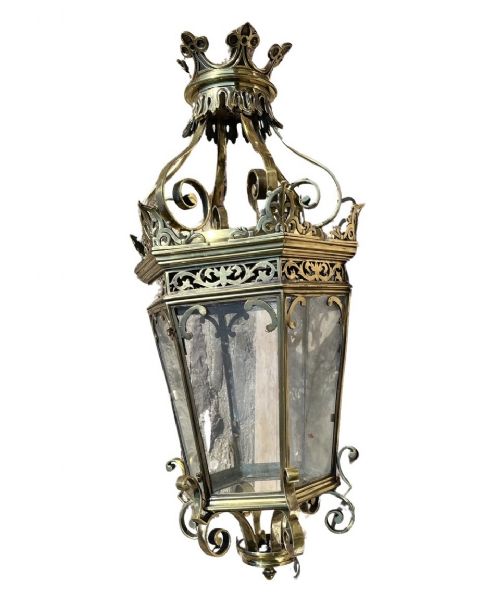
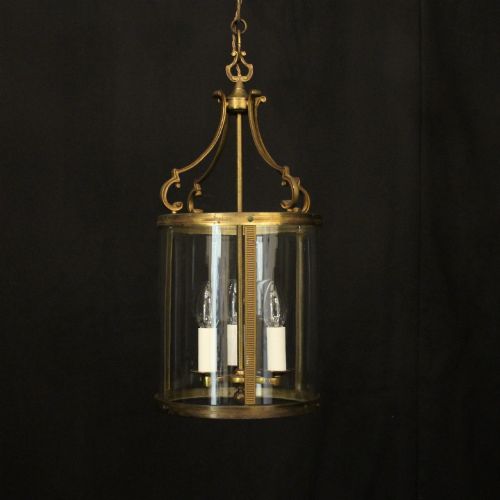
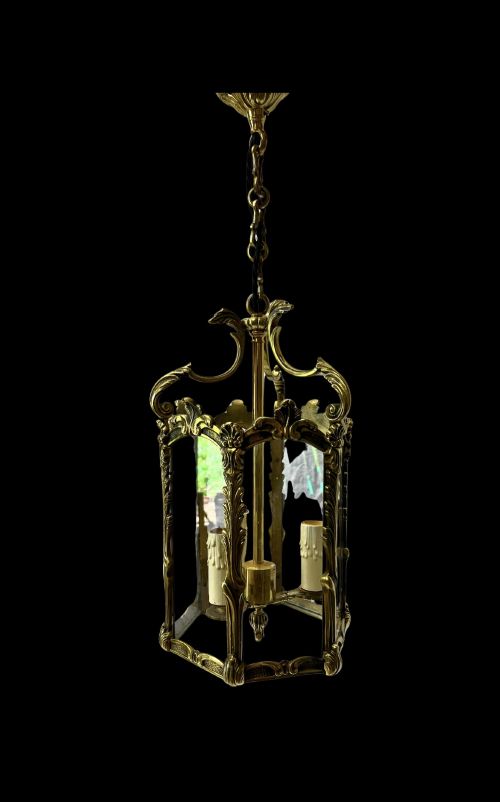
When you search for a french brass entryway light, you are looking at hall lanterns, ceiling lights, and ceiling lanterns designed to hang in passage spaces. These pieces carry historical French styles such as French Chateau, Rococo, Neo-Classical, Louis XVI, Louis XV, and Gothic Revival. You will most frequently meet pieces from the nineteen-twenties alongside examples from the eighteen-sixties, eighteen-nineties, and nineteen-hundreds.
The dominant form on this page is the hall lantern featuring glass panels held within a metal framework. Many examples incorporate convex glass or multiple internal lights to brighten narrow corridors and vestibules effectively. They bridge decorative arts and practical domestic lighting from various periods of French design.
How they were made
Makers constructed these fixtures primarily from brass, gilt brass, gilded brass, bronze, gilt bronze, and gilded bronze. These metals formed structural frames, decorative mounts, and suspension chains designed to support considerable weight. Glass panels completed the housing, often shaped with convex curves to diffuse the internal illumination.
Workshops utilised casting and gilding techniques to finish bronze and brass components with rich surface patinas. Glaziers fitted individual glass panes into doors or fixed frames, securing them to withstand daily environmental changes in hallways.
French Brass Entryway Light Retail Price Guide 2026
Typical asking prices for french brass entryway light among the pieces listed under this phrase on Sellingantiques today, from the lower quarter to the upper quarter. They describe what is for sale here now, not the wider market.
A hinged door on the side of an eighteen-sixty brass lantern lets you change the candle or bulb without dismantling the whole fixture.
What varies in quality
The distinction between standard examples and finer items rests in the depth of metal casting and the crispness of applied detail. Finer pieces display substantial bronze frames with cleanly struck ornamentation rather than lightweight pressed brass. The quality of the gilding and the precision of the glass fitting further divide the ordinary from the exceptional.
Design complexity also influences the tier of the piece, particularly where multiple lights or intricate convex glass are employed. Heavier proportions and more sophisticated stylistic references indicate a higher grade of original workshop production.
The French Brass Entryway Light Glossary
- Hall lantern
- A ceiling-hung lighting fixture designed specifically for corridors, vestibules, and entrance spaces. These typically feature glazed sides and an enclosed top to direct light downward.
- Gilt bronze
- Metal cast from a copper-alloy and coated in a thin layer of gold or gold-coloured leaf. This finish prevents oxidation while providing a rich decorative sheen.
- Convex glass
- Curved glass panes that bulge outward from the lantern frame. This shape alters the refraction of light and adds visual volume to the fixture.
- Gothic Revival
- An architectural and decorative style drawing inspiration from medieval forms. Pieces in this tradition incorporate pointed arches and stern vertical lines.
- Louis XVI Style
- A neoclassical design aesthetic characterised by straight lines, symmetry, and classical restraint. It stands in contrast to the earlier flowing curves of Rococo work.
French Brass Entryway Light: Frequently Asked Questions
How do I hang a french brass entryway light?
These fixtures suspend from ceilings using chains and matching canopies secured to structural ceiling joists. Professional installation is essential to bear the weight of heavy bronze and glass construction safely.
Ensure the hanging height allows adequate clearance for people walking underneath while positioning the fixture to properly illuminate the entryway space.
Are these lights electrified?
Many examples are electrified to accommodate modern wiring and standard domestic lightbulbs. Some retain older electrical conversions or retain configurations adapted during the nineteenth and twentieth centuries.
Buyers should inspect the internal wiring of any vintage lighting purchase and have a qualified electrician test the components prior to permanent installation.
What is the difference between brass and bronze?
Brass is an alloy of copper and zinc, yielding a bright golden tone when polished. Bronze is primarily an alloy of copper and tin, producing a heavier and typically darker metal body.
Both materials accepted gilding and surface treatments readily, which explains why makers used them interchangeably for decorative hallway fixtures.
How do I clean the glass panels?
Carefully remove dust from the metal framework using a soft brush before addressing the glass. Gentle glass cleaner applied to a cloth prevents excess moisture from reaching vintage metal surfaces or electrical fittings.
Avoid harsh chemical abrasives on gilded or patinated bronze components to preserve the historic finish of the frame.