


Vintage Brass Flower Vessel
These vintage brass flower vessel examples span centuries of decorative metalwork, offering striking metallic tones for botanical display.
Vintage Brass Flower Vessel
A vintage brass flower vessel brings utilitarian horticulture and decorative metalwork together in forms ranging from heavy jardinières to slender vases. Buyers seeking a vintage brass flower vessel often encounter substantial planters, twin-handled urns, and decorative buckets spanning the nineteenth and early twentieth centuries.
The selections on this page incorporate varied origins, moving from British Arts and Crafts creations to French Empire designs and Asian export pieces. Domestic Victorian and Edwardian iterations sit alongside Chinese cloisonné works and Japanese bronze bowls.
Larger vessels take the form of heavy footed jardinières designed for potted plants, while smaller pieces serve strictly as floral vases. Most items rely on robust metallic construction intended to hold water and botanical arrangements safely.
Materials and construction methods
Construction relies heavily on brass, copper, and bronze, often shaped through heavy casting or skilled sheet metal manipulation. Artisans utilised hammering and fluting techniques to build rigid bodies capable of supporting soil and water.
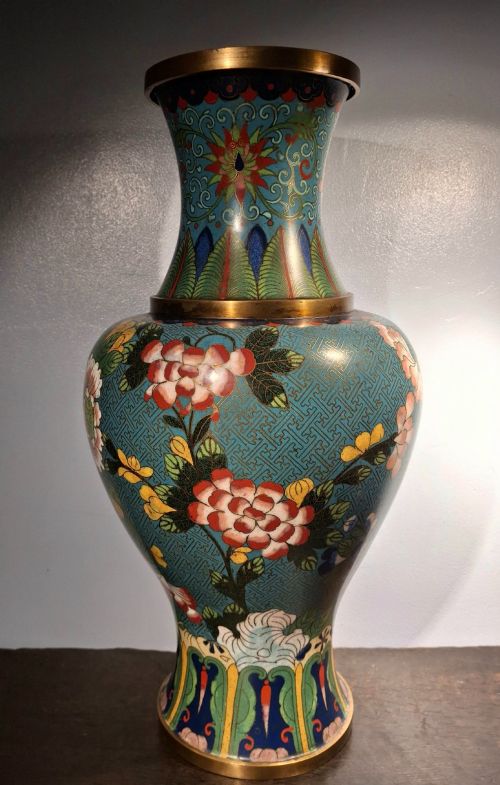
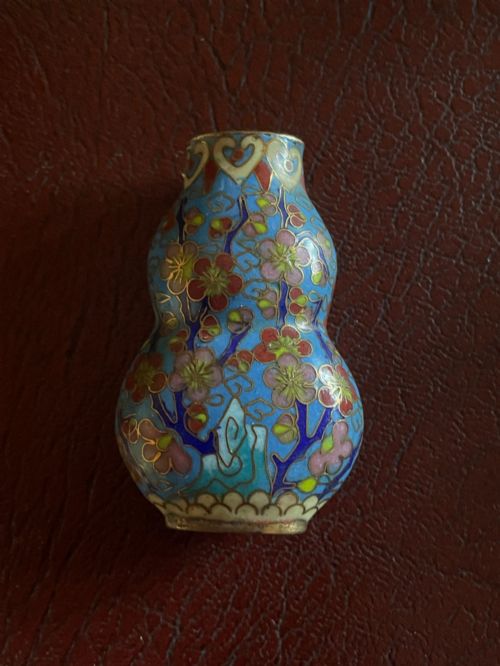
Many pieces incorporate applied surface decoration, including polychrome enamel work in traditional cloisonné techniques and gilt highlights on bronze. Makers combined contrasting metals, pairing warm copper bodies with sturdy brass handles or rims.
The listings encompass items spanning the eighteenth century through the Edwardian era, incorporating both British domestic wares and Asian export pieces.
Assessing quality in metal vessels
Substantial material thickness and well-balanced proportions separate superior examples from lighter commercial wares. Heavier specimens demonstrate more substantial metal casting and more secure handle attachments.
Detailing in the surface ornamentation dictates the distinction between standard production items and finer decorative art. Crisp fluting, precise enamel placement, and clean joints reflect greater care from the original maker.
The Vintage Brass Flower Vessel Glossary
- Jardiniere
- A large ornamental pot or stand for holding plants or flowers. These vessels usually sit on feet and accommodate potted greenery.
- Cloisonne
- An ancient technique for decorating metalwork objects with coloured material held in place by thin metal strips. Artisans solder flat wires to the metal base to create compartments before filling them with enamel.
- Arts and Crafts
- An international design movement championing traditional craftsmanship and simple forms. This style prioritises honest materials and visible handwork over mass production.
- Fluted
- Decorated with parallel shallow grooves running vertically along the surface. This architectural feature adds visual texture to cylindrical metal bodies.
- Gilt Bronze
- Bronze metal that has been coated with a thin layer of gold. This treatment provides a rich, enduring metallic sheen.
Vintage Brass Flower Vessel: Frequently Asked Questions
What is a jardiniere?
A jardiniere is an ornamental pot designed to hold live plants or heavy floral displays. These vessels are typically deeper and wider than standard vases to accommodate root systems and soil.
Historically, they sat in the centres of rooms or on dedicated stands to bring greenery indoors. Today, they function equally well holding large dried stems or standing empty as sculptural objects.
How do I clean brass and copper?
Maintenance depends entirely on whether you prefer a bright polished finish or an aged patina. Gentle washing with warm soapy water removes dust without disturbing the surface oxidation.
Avoid harsh abrasive compounds that can strip away historic finishes or fine gilding. Many collectors choose to leave natural tarnish untouched as evidence of age.
Can these vessels hold water directly?
Many solid metal vessels hold water safely, though older pieces may have developed microscopic stress fractures over time. Inspecting the interior for historic soldering repairs helps determine if direct watering is appropriate.
For extra security with delicate or antique items, placing a modern glass or plastic liner inside prevents moisture from sitting against old seams.
How do I date an antique metal vessel?
Dating relies on stylistic clues, manufacturing marks, and assembly techniques visible on the piece. Hand-beaten seams and specific decorative movements like Art Nouveau or Arts and Crafts provide clear chronological brackets.
Comparing construction traits with documented periods helps narrow down the decade of production. Weight and base construction also offer hints regarding nineteenth versus twentieth-century origin.