


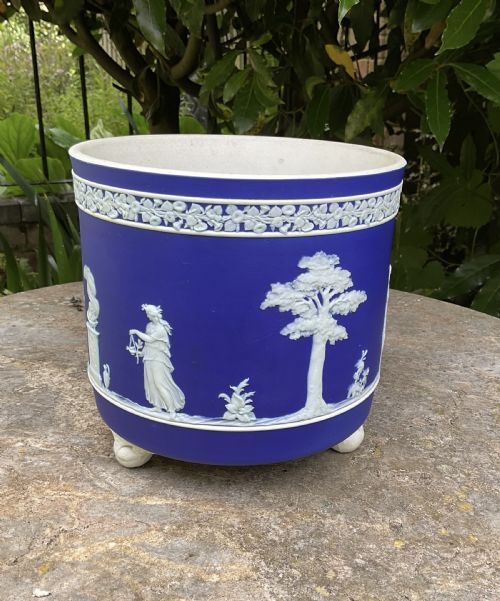


Nineteenth Century Cachepot
Nineteenth century cachepot examples are decorative vessels designed to hold potted plants, bringing structured greenery into period interiors.
Nineteenth Century Cachepot
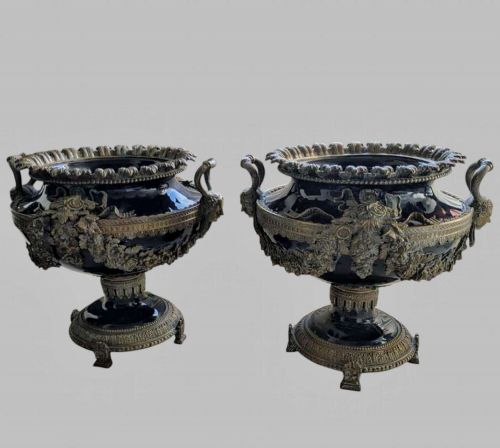
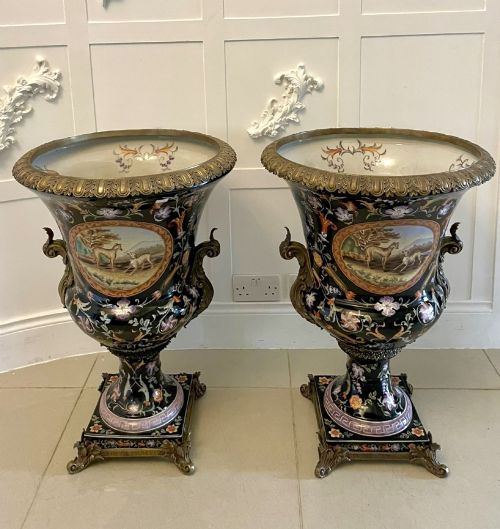
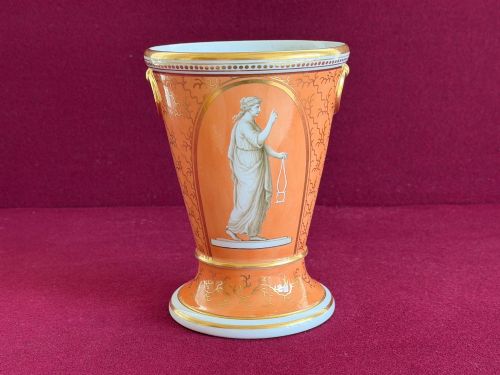
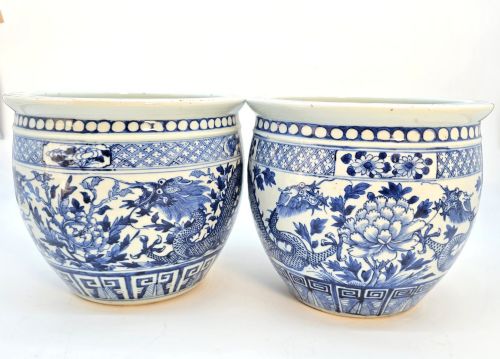
A nineteenth century cachepot is essentially an ornamental container designed to conceal a plain plant pot, appearing in forms such as urns, buckets, bowls, and jardinieres. When exploring nineteenth century cachepot options on this page, the buyer encounters diverse regional interpretations ranging from European porcelain and metalwork to Asian ceramics and bronzes.
The inventory demonstrates that these pieces cross multiple aesthetics, including Victorian, Regency, French Empire, Dutch Empire, and Japanese Meiji styles. These vessels served both practical and decorative functions in period rooms, often placed on tables, pedestals, or hearths to display living plants without exposing utilitarian clay pots.
The selection here includes earthenware, porcelain, brass, copper, bronze, and mahogany items spanning the Georgian era through the late nineteenth century. Such variety reflects the global trade and eclectic tastes of nineteenth-century interiors, where European forms met Asian craftsmanship.
How they were made
Makers shaped these objects using traditional ceramic and metalworking techniques, utilising porcelain with cobalt underglaze, enamel, and gold leaf. Metal vessels were constructed from heavy brass, copper, and bronze, frequently featuring cast mounts, handles, or decorative feet.
Wooden examples, such as mahogany buckets, relied on traditional cooperage methods with metal banding to ensure durability and stability. Porcelain pieces involved careful throwing or moulding followed by high-temperature firing and hand-painted decoration, as seen in English and Chinese works.
The site listings feature materials ranging from mahogany and copper to fine porcelain, spanning the Georgian period to the late nineteenth century.
What varies in quality
Quality in a nineteenth century cachepot rests upon the crispness of the casting in metalwork and the fineness of the painting on porcelain. Heavier bronze and brass examples demonstrate superior weight and more detailed surface chasing compared to lighter, plain utility buckets.
Ceramic quality is visible in the depth of the cobalt underglaze, the precision of transfer printing or hand-painting, and the intactness of gilding. The integration of mounts, handles, and applied feet also distinguishes standard production pieces from finer studio or factory outputs.
Flight & Barr Worcester·Wedgwood
The Nineteenth Century Cachepot Glossary
- Cachepot
- A decorative container used to hold and conceal a flowerpot. The term translates from French as hiding pot.
- Jardiniere
- An ornamental pot or stand for flowers or plants, often used interchangeably with cachepot in nineteenth-century contexts. These vessels frequently took the form of large bowls or footed urns.
- Cobalt underglaze
- A blue decoration applied to ceramics before glazing and firing, characteristic of fine oriental and European blue and white porcelain.
- Meiji period
- The era of Japanese history lasting from 1868 to 1912, known for exceptional bronze casting and intricate porcelain production exported to the West.
- Jasperware
- A type of stoneware developed by Wedgwood, typically featuring matte white relief decorations against a coloured solid ground.
Nineteenth Century Cachepot: Frequently Asked Questions
What is a nineteenth century cachepot used for?
These vessels were created to hold potted plants indoors, hiding standard terracotta pots inside decorative ceramic or metal containers.
They allowed homeowners to display greenery in formal rooms without risking water damage to furniture or exposing utilitarian pots.
How do I clean an antique brass or copper cachepot?
Metal vessels require gentle dusting and occasional cleaning with appropriate non-abrasive polishes that preserve the historic patina.
Aggressive cleaning should be avoided to retain the aged surface character valued by collectors.
Can I plant directly inside a nineteenth century cachepot?
Direct planting is generally discouraged, especially in metal or wooden vessels, because moisture can cause rust, rot, or staining.
Using a smaller inner plastic or terracotta pot with a saucer protects the historic interior from water damage.
How do I date a porcelain cachepot?
Dating relies on factory marks, ceramic bodies, glaze characteristics, and the style of hand-painted or transferred decoration.
Comparing the base marks and stylistic motifs to documented manufacturer timelines provides the most reliable date range.