
Vintage Brass Coal Bin
A vintage brass coal bin keeps hearth fuel tidy whilst bringing warmth and metallic lustre to a room.
Vintage Brass Coal Bin
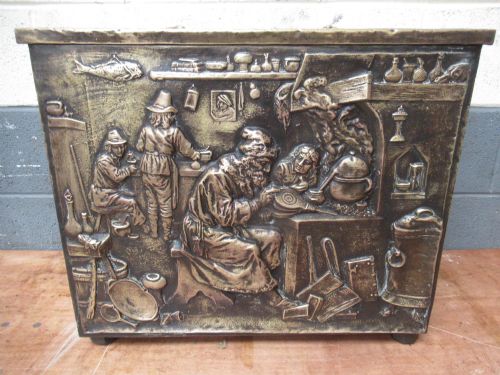
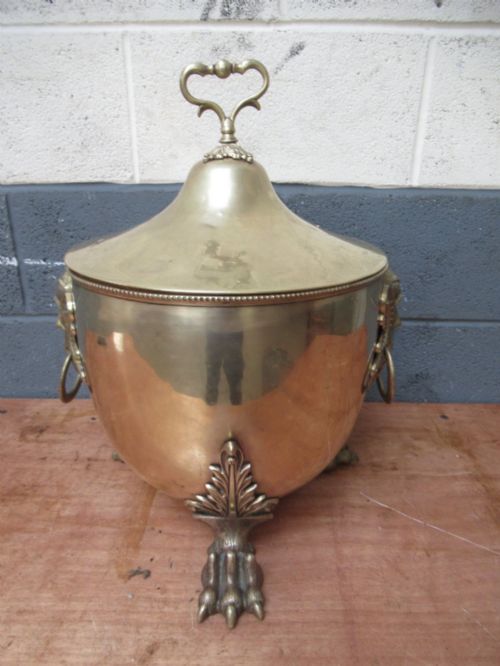
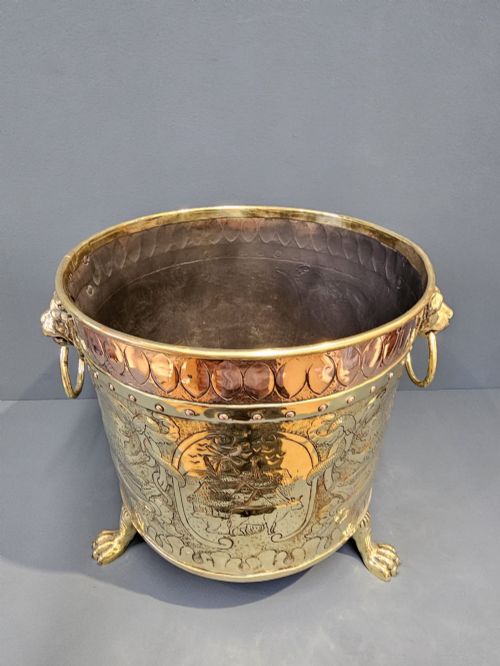
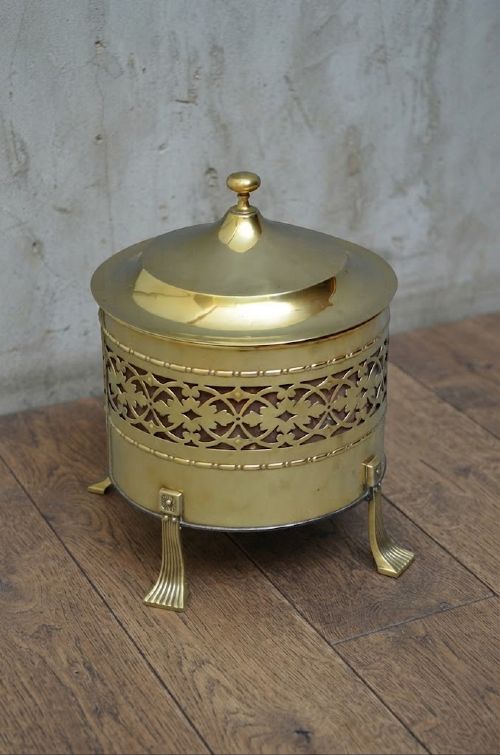
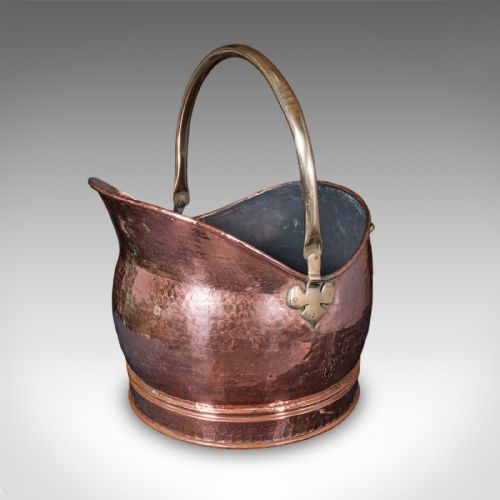
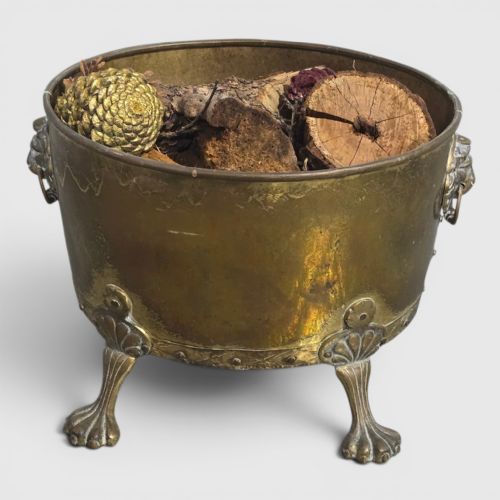
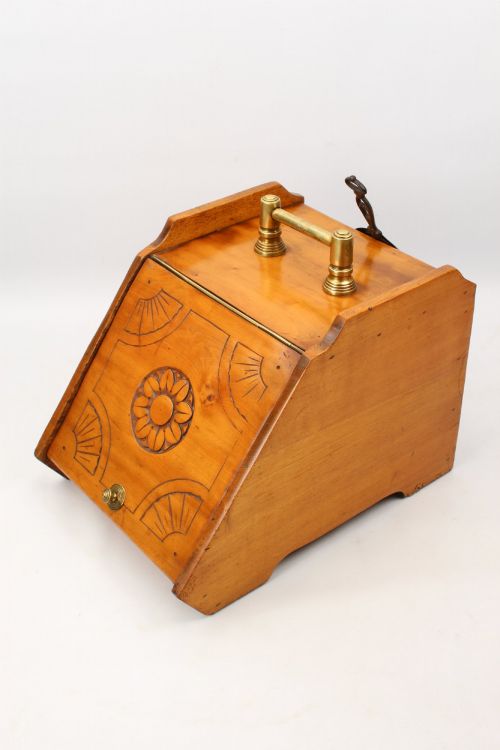
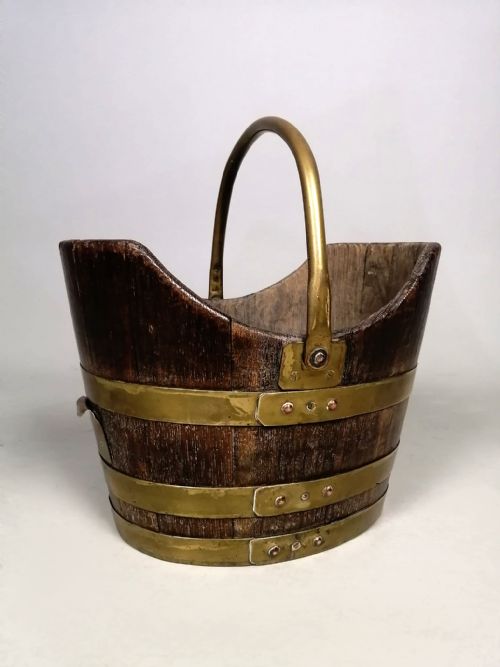
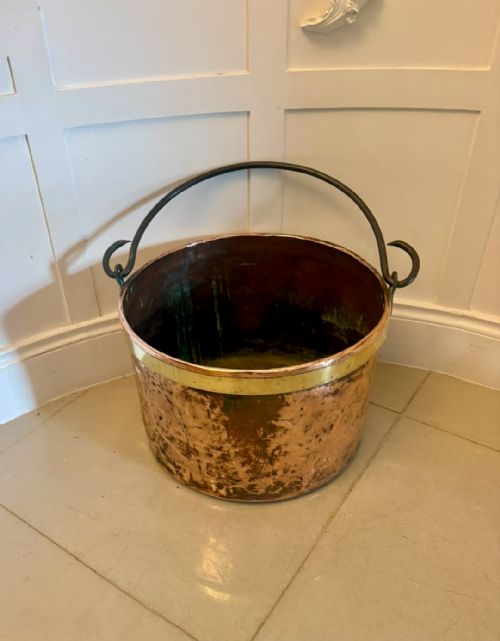
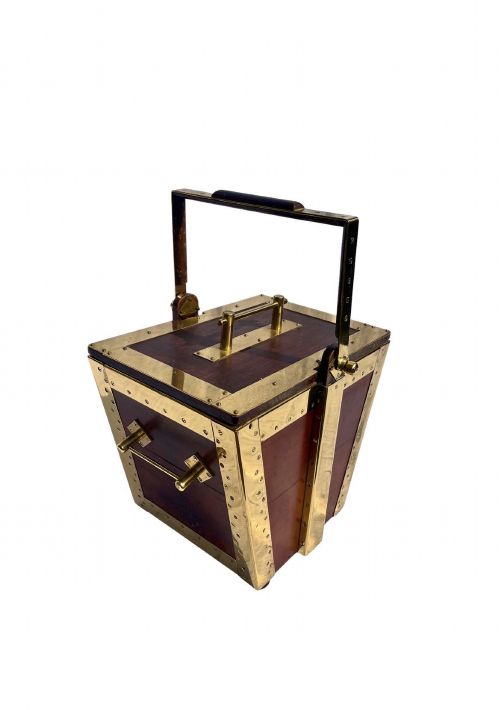
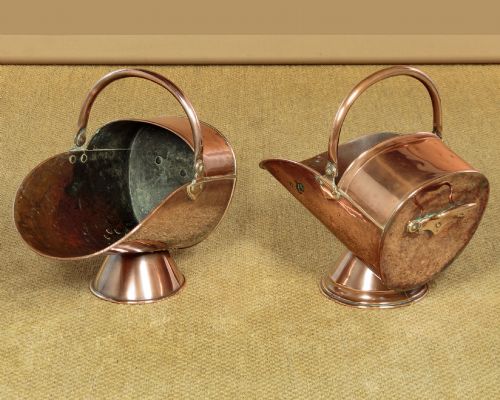
A vintage brass coal bin combines utility and hearthside decoration, appearing in forms ranging from traditional scuttles and lidded boxes to open buckets. The pieces you encounter most often span the Victorian and Edwardian eras, alongside later Arts and Crafts interpretations.
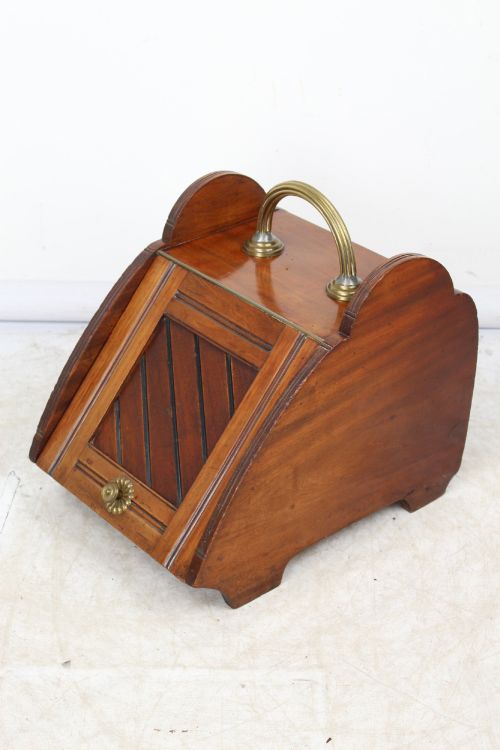
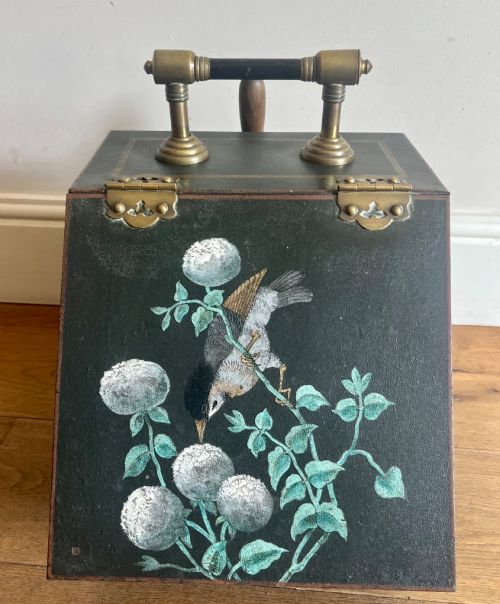
Makers utilised various secondary materials alongside metal, producing wooden coal boxes in oak, mahogany, and walnut, frequently fitted with brass handles and hinges. Many examples serve equally well today as log holders or large planters.
Assessing craftsmanship
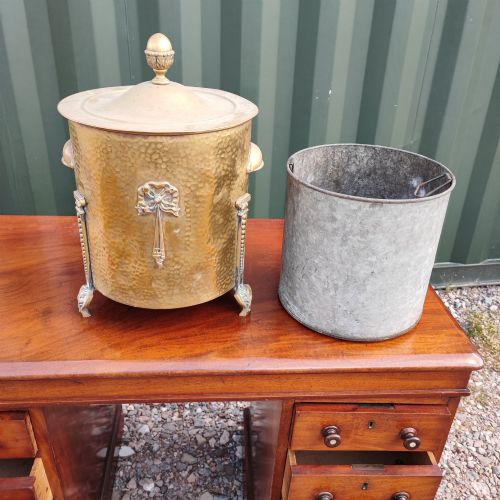
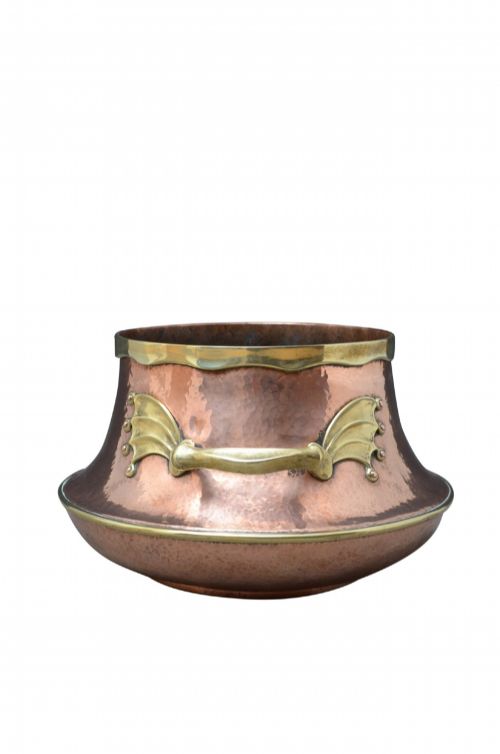
Quality shows in the weight of the metal and the crispness of embossed or hammered surface details. Stronger pieces feature robust joints, secure riveted handles, and intact original liners.
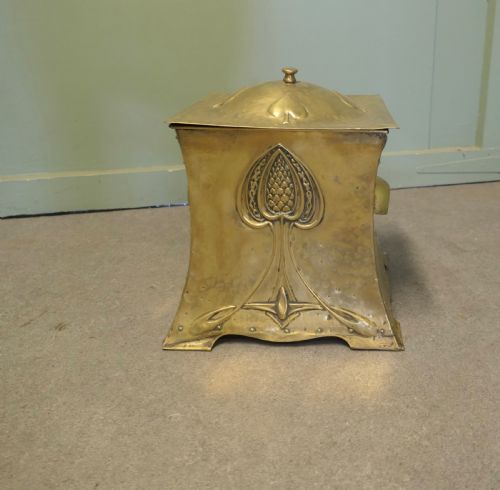
Proportion and decorative harmony separate standard utilitarian fuel containers from finer examples exhibiting Arts and Crafts motifs or distinct regional styles.
The Vintage Brass Coal Bin Glossary
- Coal scuttle
- A bucket or container specifically designed for carrying and storing domestic coal, often featuring a sloping body and a hinged shovel scoop.
- Coal purdonium
- A freestanding box or cabinet designed to hold coal near the fireplace, frequently incorporating a sloping drop-front door.
- Coopered
- Constructed using wooden staves joined together tightly with metal bands, similar to barrel-making.
- Dinanderie
- Objects made of beaten or engraved brass and copper, particularly vessels and decorative domestic items.
- Planter
- A large vessel utilised to hold potted plants or greenery, a common alternative modern function for vintage fuel bins.
Vintage Brass Coal Bin: Frequently Asked Questions
Can I use these for logs?
Many bins and buckets originally made for coal work well for storing logs and kindling beside an open fire. Their generous proportions accommodate various fuel sizes.
When storing rough wood, check whether the interior includes a metal liner to catch bark debris and keep the floor clean.
How do I clean brass and copper?
Cleaning depends on whether you prefer a bright polished finish or a dark aged patina accumulated over decades. Gentle washing with warm soapy water removes surface dust without stripping character.
Avoid harsh abrasive compounds that scratch the metal surface and remove subtle hand-hammered details.
Are original liners important?
Original metal liners keep the interior protected from moisture and coal residue. Finding a piece with its original liner intact adds historical completeness.
Many surviving examples function perfectly well without liners, particularly when used dry for logs or decorative plants.