

Antique Hearth Planter
An antique hearth planter brings deep metallic warmth and honest utility to a fireside, holding wood or greenery with quiet grace.
Antique Hearth Planter
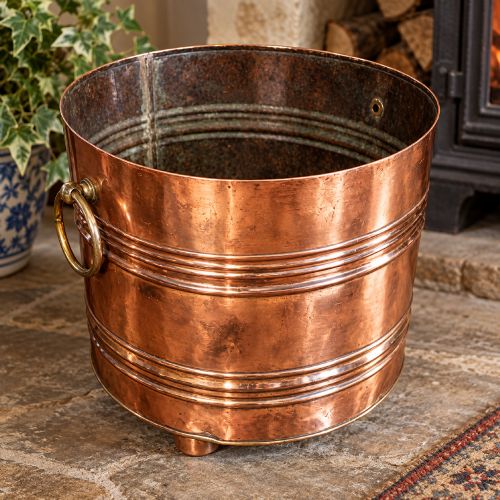
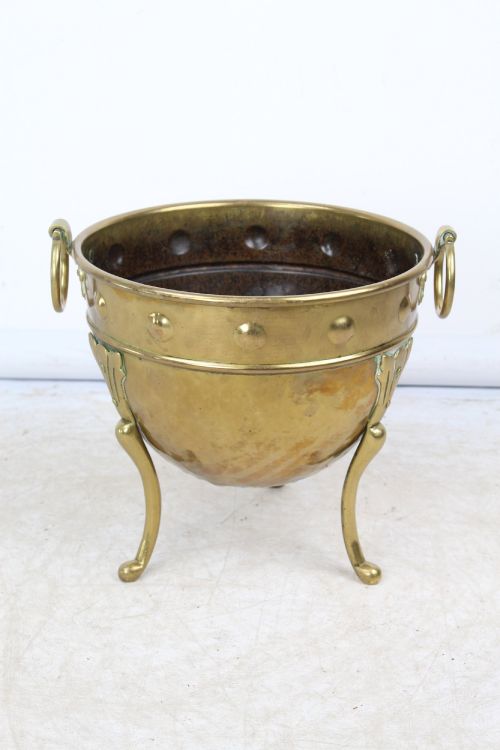
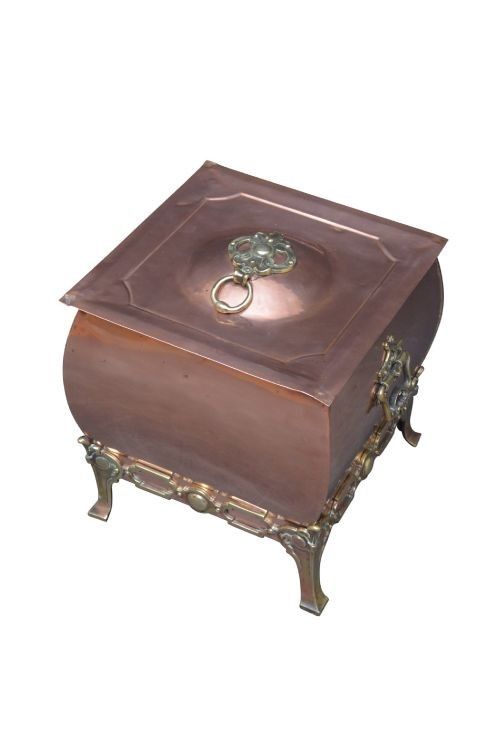
An antique hearth planter stands as a functional vessel originally forged for domestic fireside tasks such as holding logs, coal, peat or water, now repurposed for living greenery or fuel storage. These pieces merge utilitarian history with decorative presence, often doubling as coal scuttles, log bins or cauldrons by design.
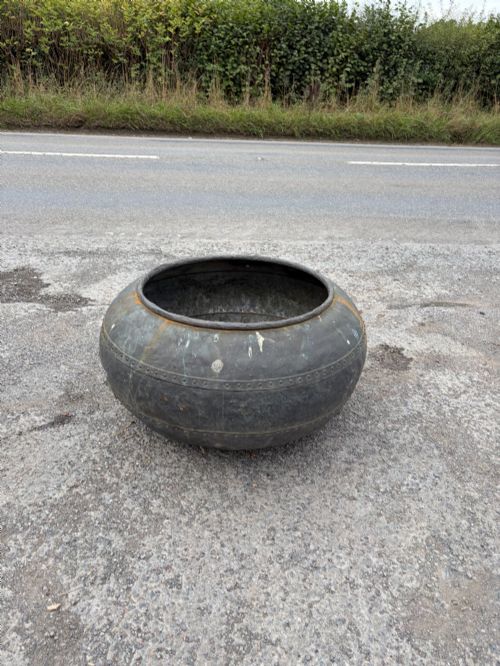
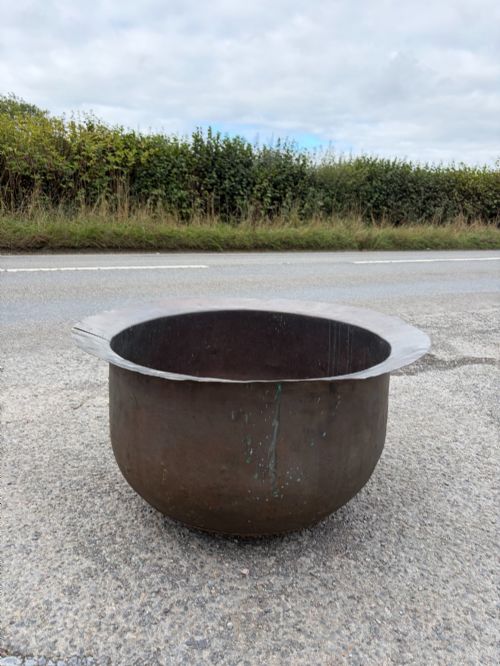
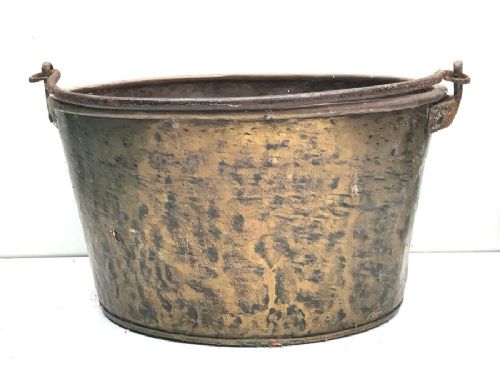
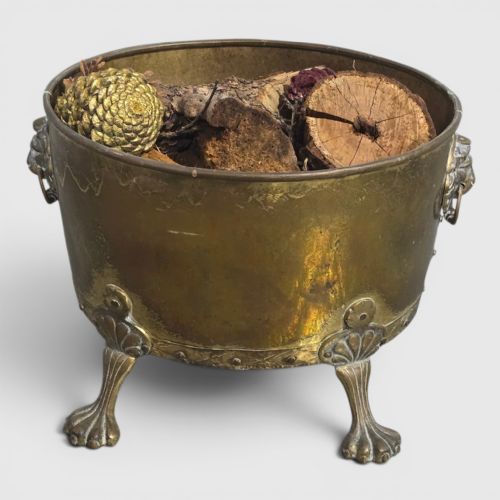
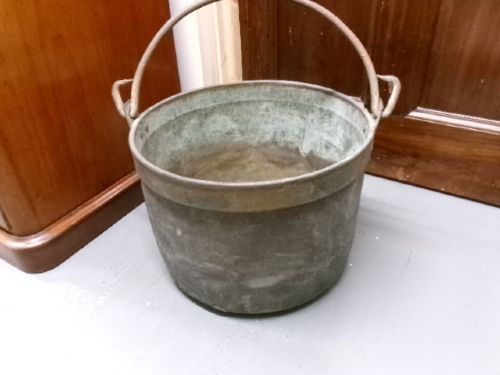
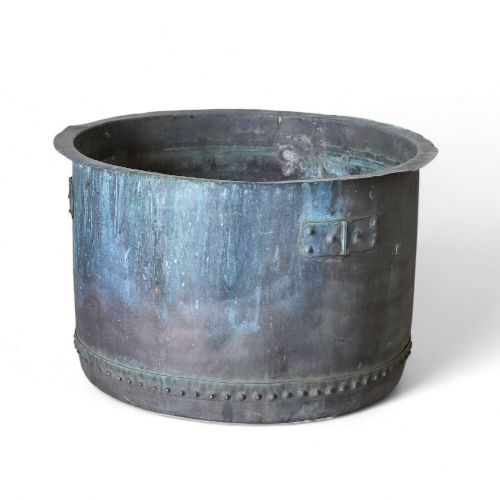
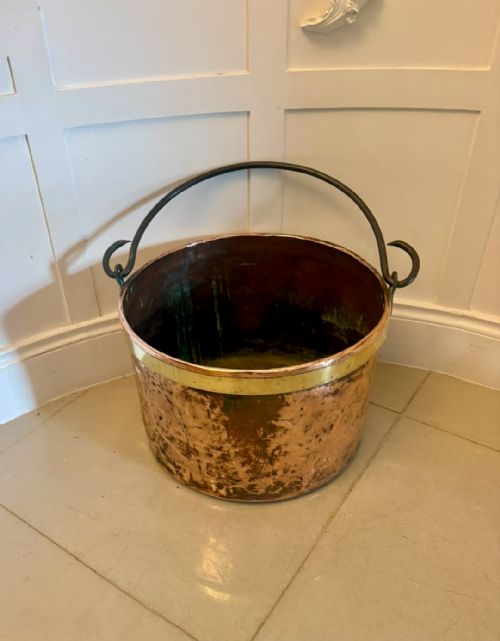
The versions most commonly met on this page span the Georgian, Victorian and Edwardian eras, with the nineteenth century heavily represented. They frequently take the form of round copper or brass buckets, pans and cauldrons, alongside occasional wooden boxes and coopered vessels.
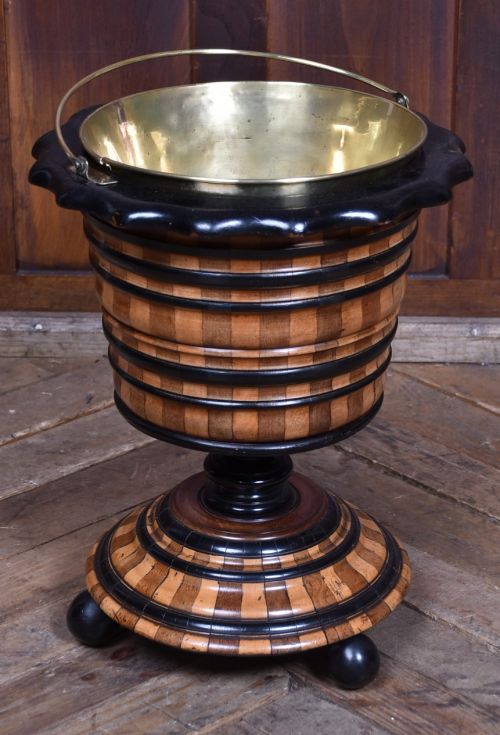
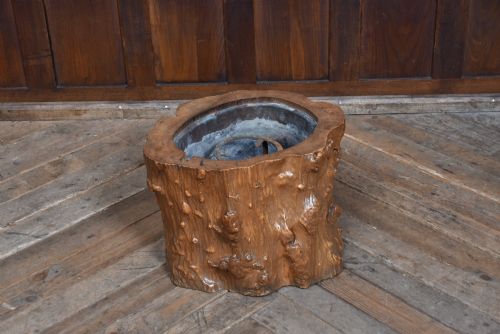
Makers and origins range from English country workshops to continental examples, including Dutch teestoofs, French brass baskets and Japanese wooden hibachis. Buyers encounter robust metal vessels designed to sit beside the hearth, carrying the marks of heavy fireside use and centuries of polishing.
How they were made
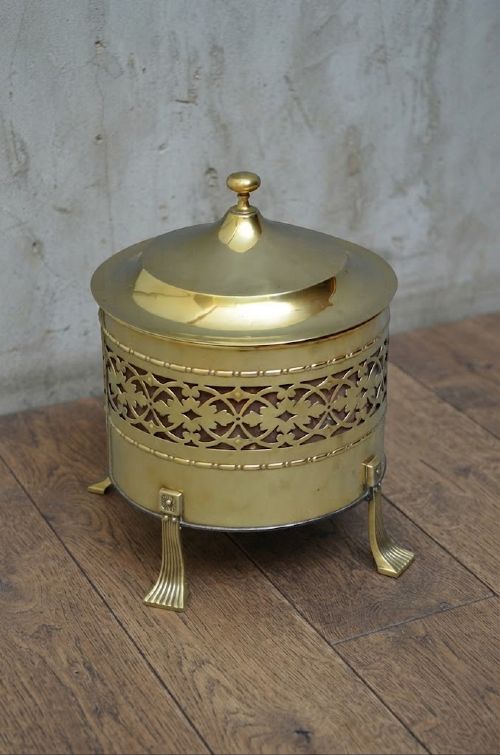
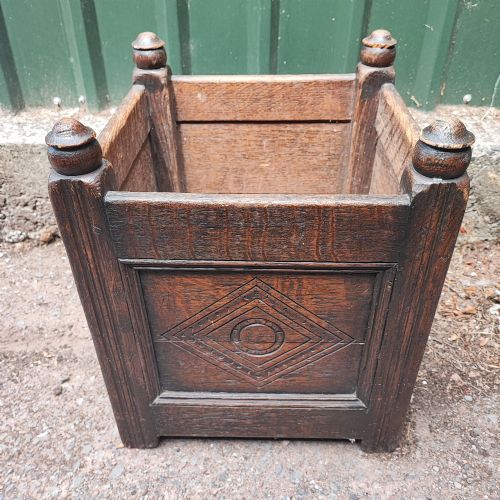
Wooden examples utilise traditional coopering techniques, binding staves together with brass hoops or bands to create watertight or dry storage vessels in oak and mahogany. Planters and log bins often incorporate applied brass feet, swing handles and decorative fretwork to elevate utilitarian objects into refined interior items.
Listings feature vessels in copper, brass, iron, oak and mahogany, spanning the Georgian, Victorian and Edwardian periods.
What varies in quality
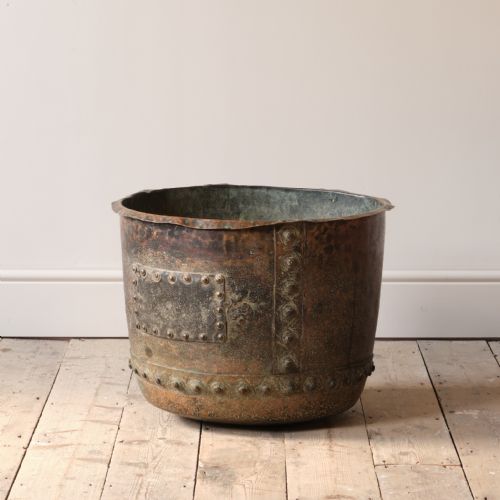
Quality rests in the weight of the metal and the integrity of the hand-riveting, where heavier copper gauges and evenly spaced rivets denote superior workshop standards. Finer pieces display crisp hand-beaten surfaces, balanced proportions and original swing handles that move smoothly on sturdy mounts.
Surface patination and the preservation of original brass liners or iron fittings separate standard utilitarian vessels from exceptional collector pieces. Later replacements or overly polished surfaces diminish the character, whereas a rich, undisturbed natural patina and authentic period wear elevate the object.
Henry Loveridge·Petrus Ramus
The Antique Hearth Planter Glossary
- Cauldron
- A large round metal pot with a rounded base and a swing handle, traditionally used over an open fire for boiling or heating. Many surviving examples date from the Georgian and Victorian periods.
- Coopered
- Made by a cooper using curved wooden staves bound together with metal hoops, typical of peat buckets and wooden log bins. This technique ensures stable construction without modern adhesives.
- Teestoof
- A traditional Dutch foot warmer taking the form of a small perforated metal or wooden box containing an earthenware ember bowl. They frequently find new life as decorative planters.
- Patina
- The deep surface sheen and colour acquired by metal or wood through decades of handling, exposure to heat and regular polishing. A rich natural patina is a hallmark of genuine age.
- Grain measure
- A cylindrical metal vessel originally calibrated for agricultural dry goods, valued today for its robust proportions and heavy copper construction.
Antique Hearth Planter: Frequently Asked Questions
What is an antique hearth planter?
An antique hearth planter is a repurposed metal or wooden vessel, such as a log bucket, coal scuttle or copper pan, originally made for domestic fireside duties during the Georgian and Victorian eras.
Today, these robust containers serve as decorative holders for firewood, indoor plants or hearth accessories, bringing historic craftsmanship into modern living spaces.
How do I tell a Georgian piece from a Victorian one?
Georgian pieces often display heavier cast handles, hand-beaten copper bodies and simple, unpretentious proportions intended strictly for utilitarian duties. Victorian and Edwardian examples frequently introduce decorative elements such as brass fretwork, swing-handled cauldrons and stamped maker marks.
Examining the construction methods, rivet styles and metal thickness helps clarify the likely period of manufacture.
Can I use these planters for live plants?
Many copper and brass vessels can accommodate live plants, provided you use an internal liner to protect the historic metal from prolonged moisture and soil contact. Coopered wooden buckets require similar care to prevent the staves from warping or drying out.
Checking for original brass liners or adding a modern saucer ensures the vessel remains undamaged while housing greenery.
What metals were used to make them?
Copper and brass dominate these listings, chosen for their ability to withstand heat, resist corrosion and take a brilliant polish by the fireside. Wrought iron and cast iron appear frequently in handles, feet and structural bands.
Wooden varieties rely on sturdy native hardwoods like oak and mahogany, bound with brass or iron hoops for added strength.