

Vintage Brass Ceiling Lantern
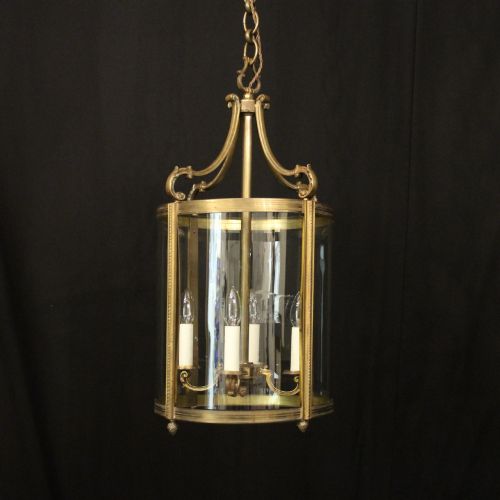
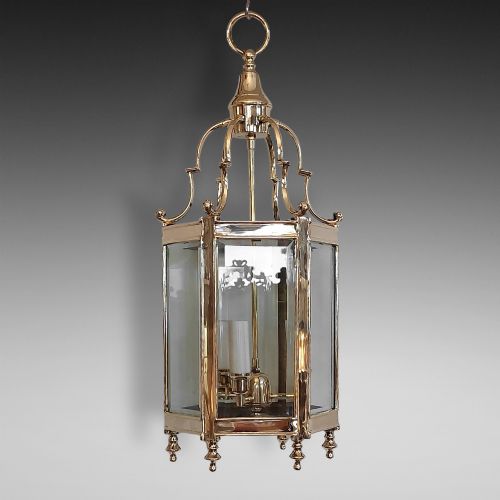
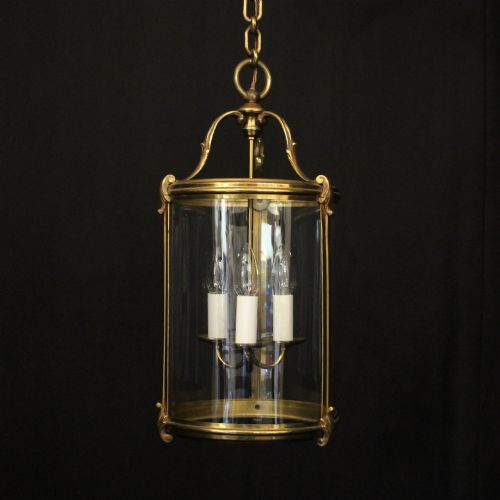
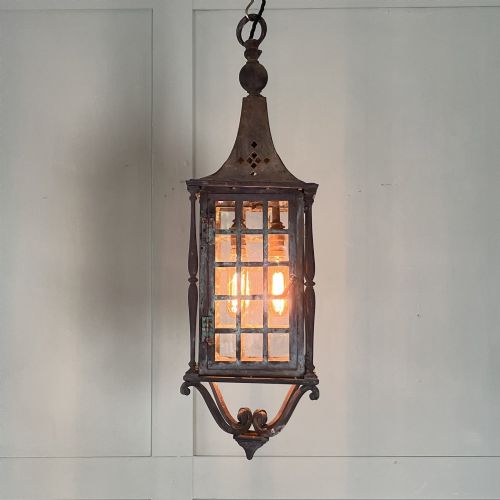
A vintage brass ceiling lantern brings a warm glow to a hallway or entrance, combining metal frames with glass panels.

Vintage Brass Ceiling Lantern
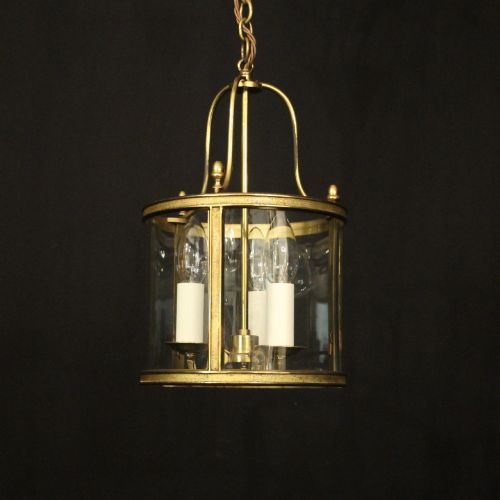
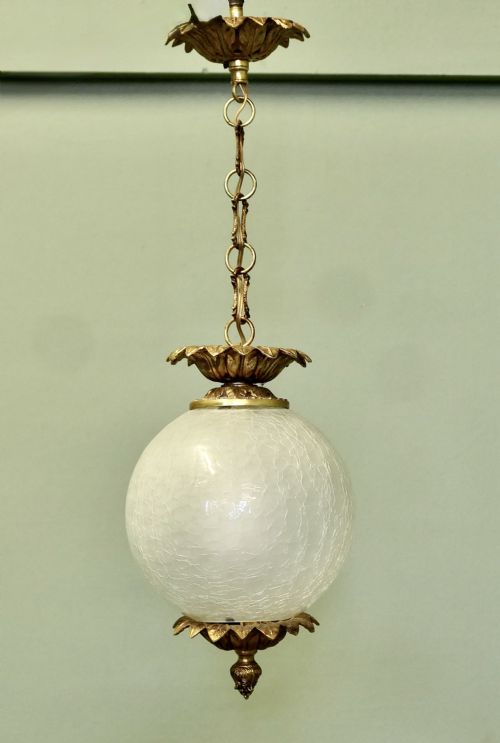
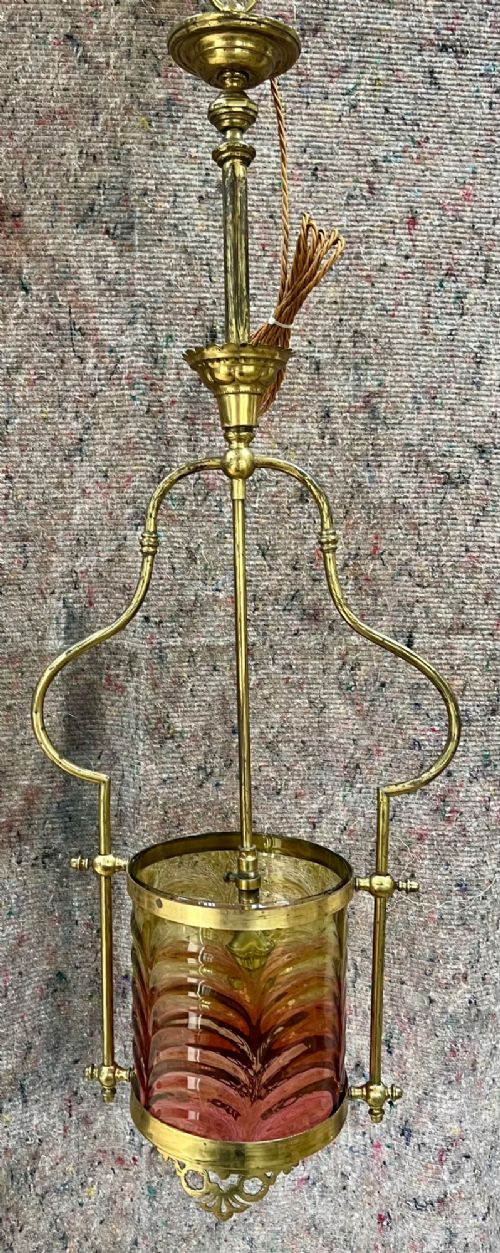
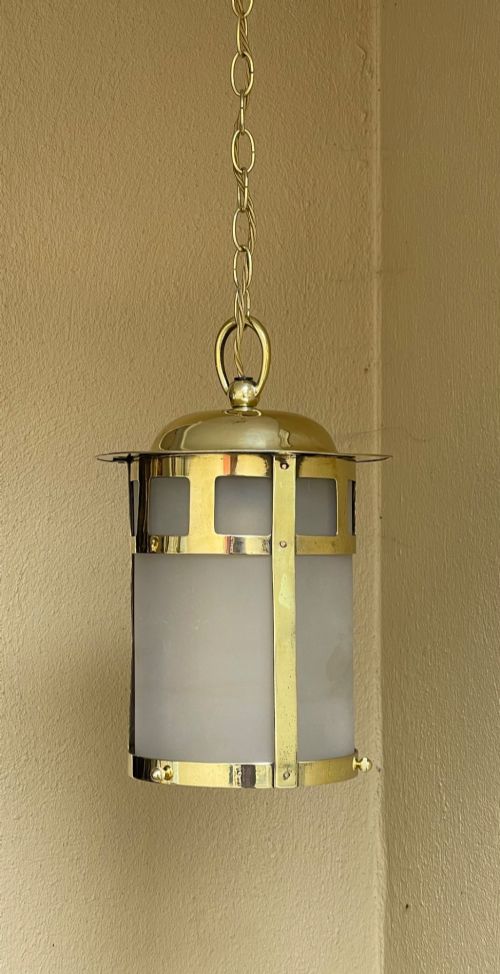
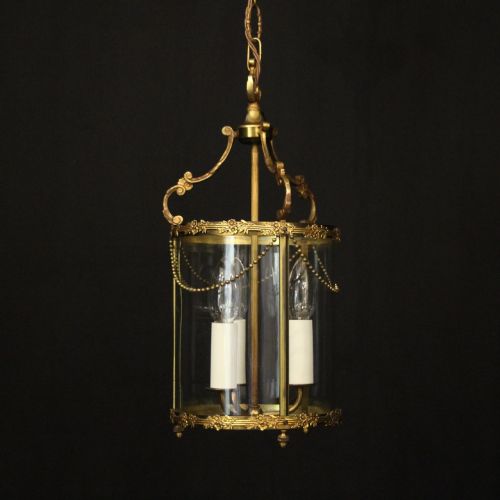
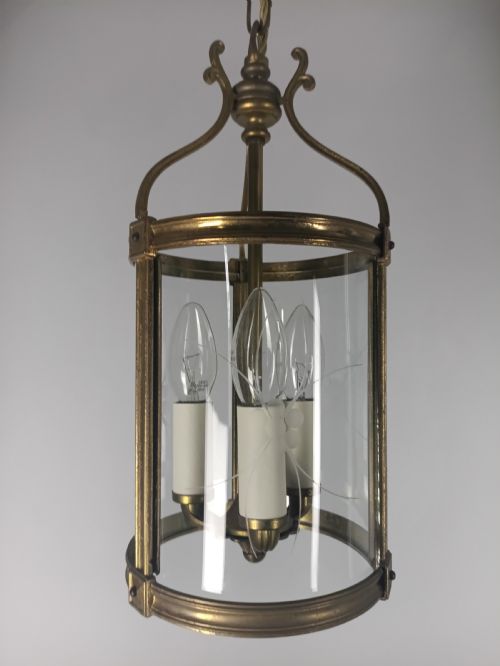
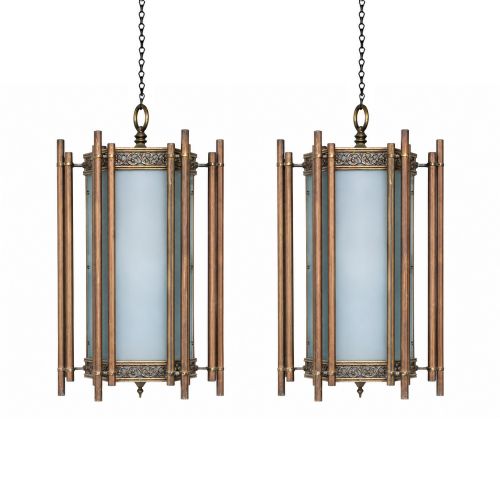
When you search for a vintage brass ceiling lantern, you find hanging light fixtures designed for halls, porches, and high-ceilinged rooms. The examples on this page span from the Victorian and Edwardian eras into the Art Deco period of the 1920s and 1930s.
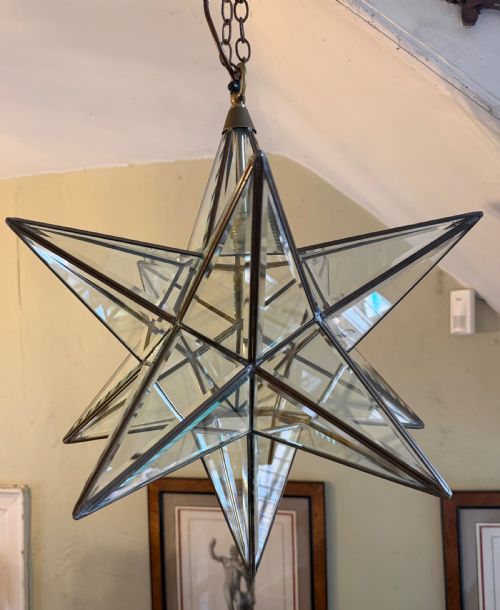
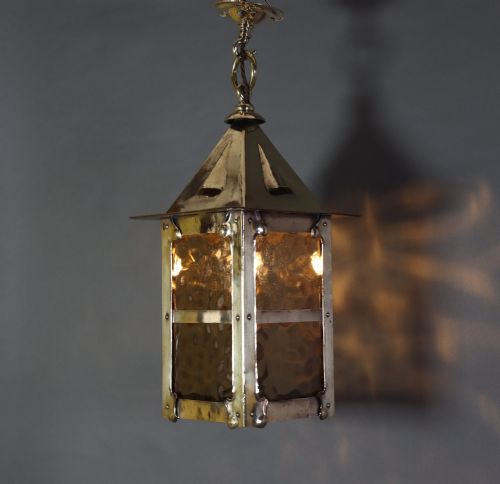
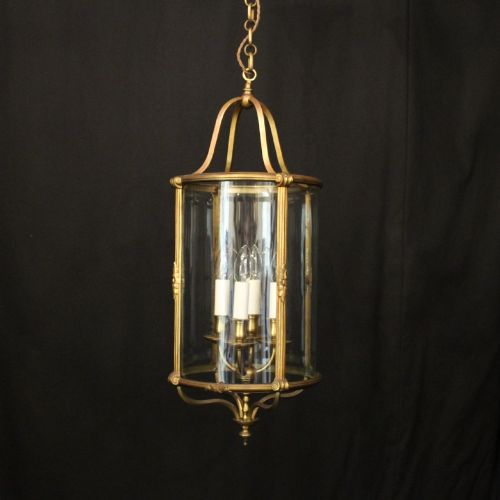
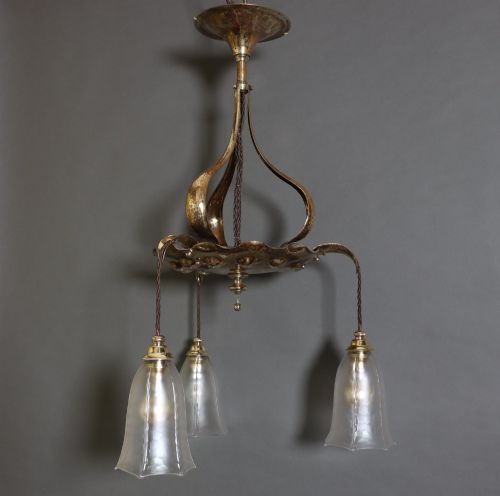
You meet a variety of forms here, including hexagonal frames, star shapes, globes, and multi-light fixtures. Many carry French styling such as Rococo, Neo-Classical, or Chateau influences, alongside British Arts and Crafts designs.
The materials balance structural metal with transparent, bevelled, etched, or leaded glass panes. These pieces served to illuminate passages and grand entryways in period homes.
What varies in quality
Quality rests in the weight and crispness of the metal casting, whether plain brass or rich gilt bronze. Finer lanterns display intricate chased details on the mounts and substantial gauge metal that holds its geometry.
The choice of glass elevates a piece, particularly heavy bevelled panes or hand-blown lenses rather than thin flat glass. Original gilding and integrated hardware also separate standard hall lights from monumental or architecturally significant examples.
Keep an eye out for railway and nautical lanterns that crossed over from utilitarian service into domestic halls.
The Vintage Brass Ceiling Lantern Glossary
- Bevelled glass
- Glass with a-ground and polished angled edge that refracts light. This treatment adds depth and sparkle to the lantern panels.
- Gilt bronze
- Bronze treated with a layer of gold or gold-coloured alloy. It provides a rich and enduring metallic finish on formal French fixtures.
- Hall lantern
- A pendant light specifically proportioned for narrow corridors and entrance halls. These fixtures hang close to the ceiling or on short chains.
- Leaded glass
- Glass pieces held together within lead cames to form geometric or pictorial patterns. This technique appears on Arts and Crafts and period porch lights.
- Convex glass
- Curved glass panels that project outward from the frame. They soften the internal light source and widen the beam spread.
Vintage Brass Ceiling Lantern: Frequently Asked Questions
Where should I hang a brass lantern?
These lanterns suit entrance halls, corridors, stairwells, and high-ceilinged porches where an overhead light sets a formal or welcoming tone.
Ensure you measure the drop height carefully so the fixture clears head height while remaining a focal point in the space.
How do I clean a brass and glass lantern?
Dust the metal gently with a dry microfibre cloth and use a mild glass cleaner on the panes. Avoid harsh chemical polishes that strip historic patinas from the brass or bronze surfaces.
Take care around leaded joints or delicate gilt finishes during routine maintenance.
Are these lanterns wired for modern electricity?
Most pieces on this page are electrified or adapted for contemporary wiring standards. Some retain older fittings or require professional re-wiring by a qualified electrician before installation.
Check the listing details to understand the current state of the internal bulb holders and wiring.
How do I tell an Edwardian lantern from a 1920s one?
Edwardian examples often feature traditional British brass framing, hexagonal shapes, and Arts and Crafts influences. Pieces from the 1920s frequently lean toward French styles, geometric Art Deco lines, or convex glass globes.
Examining the construction methods and decorative motifs helps identify the specific design era.