

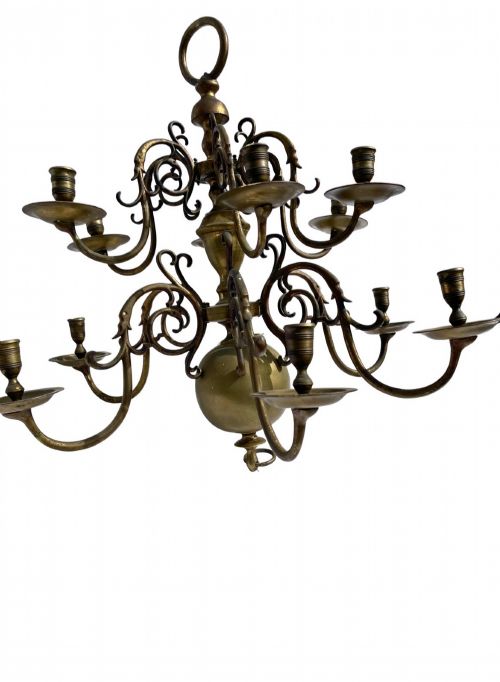


Vintage Brass Candelabrum
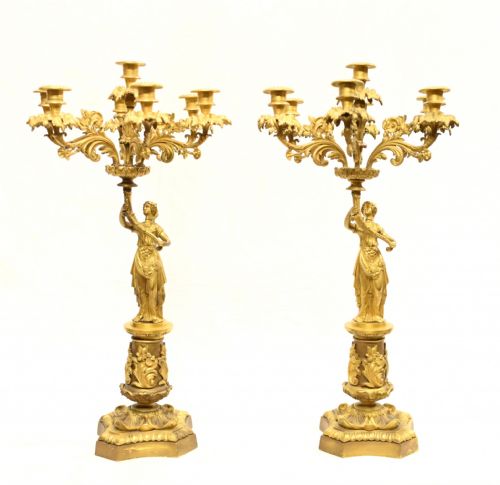
A vintage brass candelabrum brings genuine warmth and sculptural presence to a room, offering multiple branches for candlelight.
Vintage Brass Candelabrum
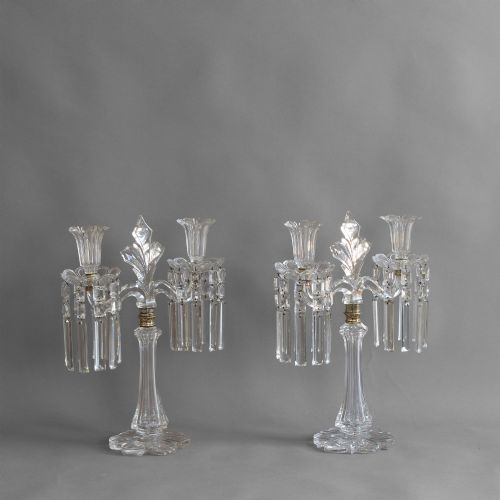
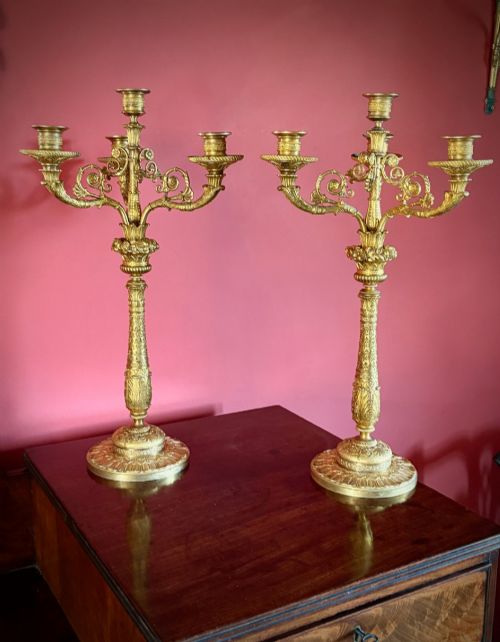
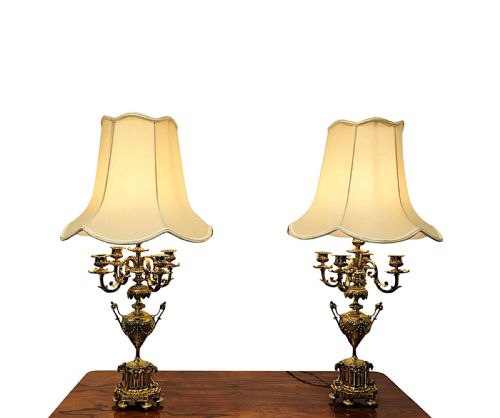
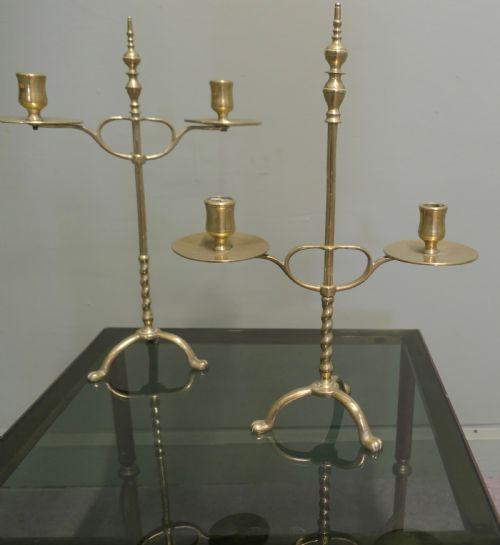
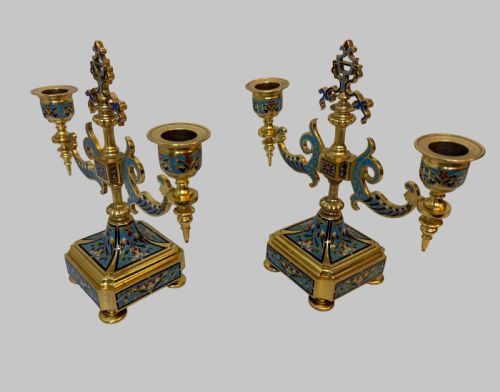
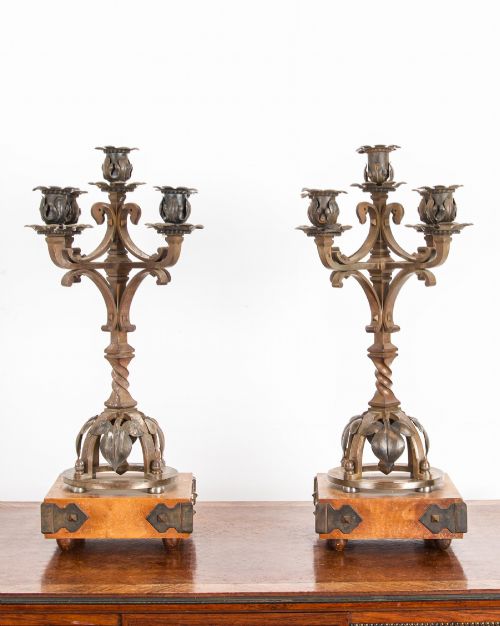
When you search for a vintage brass candelabrum, you encounter substantial metal lighting fixtures designed to hold multiple candles at once. The selection on this page leans heavily towards pairs originating from the nineteenth and early twentieth centuries, spanning periods from the Victorian era through the 1930s.
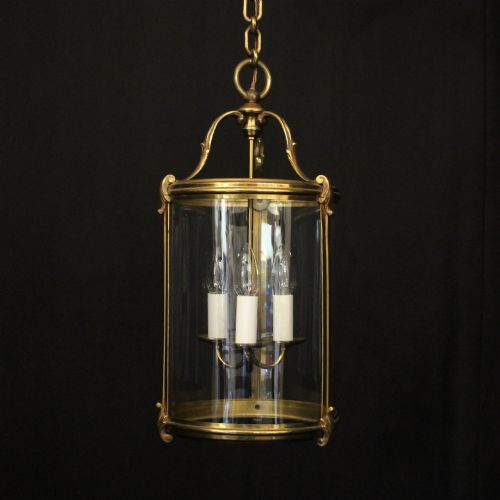
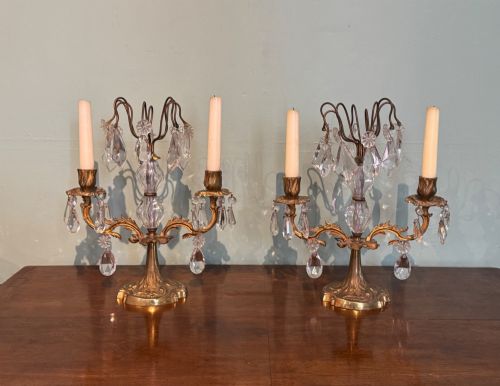
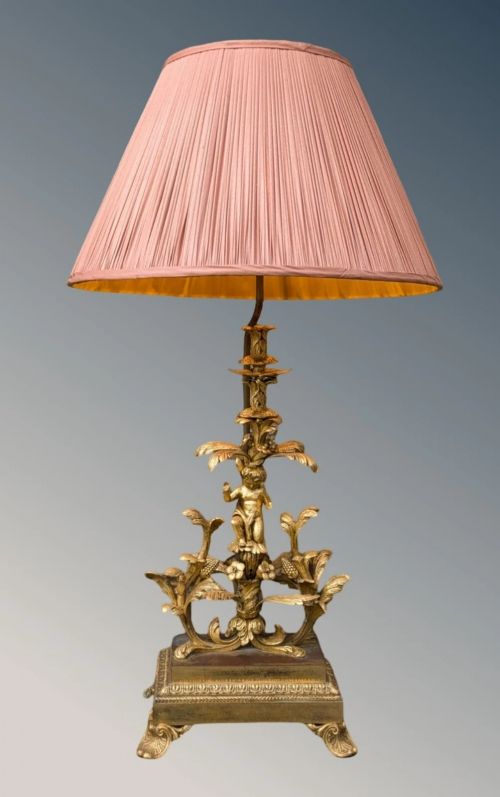
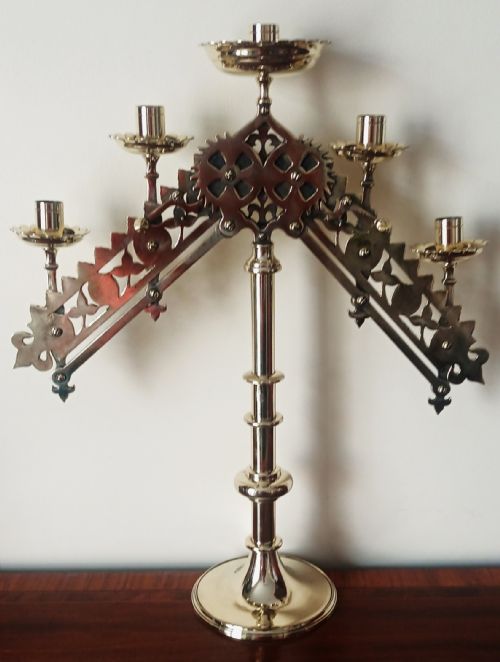
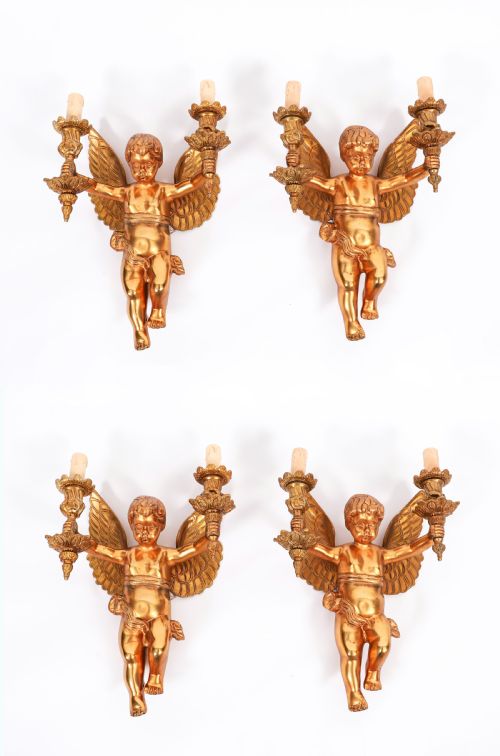
Most examples take the form of table candelabra with two to five branches, though related lighting such as wall sconces, chandeliers and converted table lamps also appear. French and Italian workshops heavily influence the design repertoire, bringing ornate classical and rococo details to the domestic interior.
Makers often drew upon historical movements, resulting in pieces styled after Gothic revival, neoclassical, and Arts and Crafts aesthetics. These branched holders function equally well as decorative mantel centerpieces or practical dining table illumination.
How they were made
The construction relies predominantly on cast brass, ormolu, and gilt bronze, often combined with secondary materials like marble, crystal drops, and glass. Foundries utilised traditional casting and chasing techniques to produce crisp scrollwork, figural motifs, and botanical details along the stems and arms.
Many items incorporate patinated brass surfaces alongside fire-gilded or lacquered finishes to protect the metal from tarnishing over decades of use. Screw-threaded components and pegged joints allow multi-branch candelabra to be disassembled for cleaning and maintenance.
Listings feature periods spanning from the 1860s through the 1930s, incorporating brass, gilt bronze, marble, and crystal.
What varies in quality
Quality separates through the crispness of the casting detail and the weight of the metal utilised in the body and base. Finer examples display deeply chased foliage and sharply defined human or animal figures, whereas simpler pieces show softer edges from worn moulds.
The choice of secondary materials also dictates the grade of the object, with dense marble bases and hand-cut crystal prisms marking out superior production standards. Integral construction, where arms fit securely without wobbling, indicates thoughtful craftsmanship from the foundry floor.
Wm. Tonks & Sons
The Vintage Brass Candelabrum Glossary
- Ormolu
- Gilded bronze, where a layer of gold amalgam is applied to a bronze base through heat processing. This technique creates a rich, durable golden surface typical of high-status nineteenth-century metalwork.
- Candelabra
- A branched candlestick holder designed to support multiple candles simultaneously. They typically feature a central stem branching into two or more arms.
- Champleve
- An enamelling technique where troughs are dug into a metal surface and filled with vitreous enamel powder before firing. It frequently decorates the stems of nineteenth-century candlesticks and clock sets.
- Bouillotte
- A type of adjustable shaded table lamp derived from eighteenth-century card game lighting. The metal shade moves up and down on a central rod to direct the pool of light.
Vintage Brass Candelabrum: Frequently Asked Questions
How do I clean tarnished brass candelabra?
Dust the metal gently with a soft dry cloth to remove surface particles without disturbing the underlying patina. Avoid harsh chemical dips that strip historical finishes.
For stubborn grime, use warm soapy water on a damp cloth, drying immediately to prevent water spots. Preserve the original age of the metal rather than aiming for a bright golden shine.
How do I identify a nineteenth century piece?
Examine the construction joints, threading, and casting seams for signs of hand-finishing rather than modern mass production. Nineteenth-century examples often feature heavy brass or bronze casting with patination built up over generations of handling.
Stylistic cues such as neoclassical urn motifs or heavy rococo scrollwork point directly to Victorian and continental revival periods.
Where should I place a heavy brass candelabrum?
Position your candelabrum on a stable surface such as a dining sideboard, mantelpiece, or heavy timber hall table where its weight is supported safely. Keep the piece away from active drafts that might cause candles to gutter or drip wax unevenly onto furniture.
Ensure adequate clearance above the flame if placing the fixture beneath low shelving or architectural woodwork.