

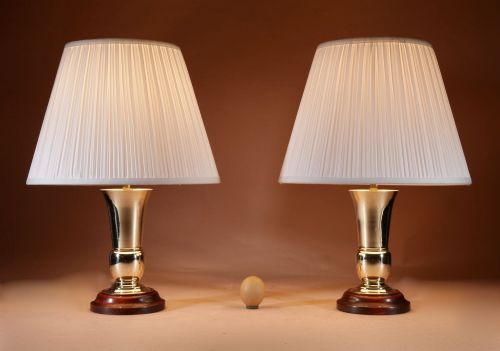
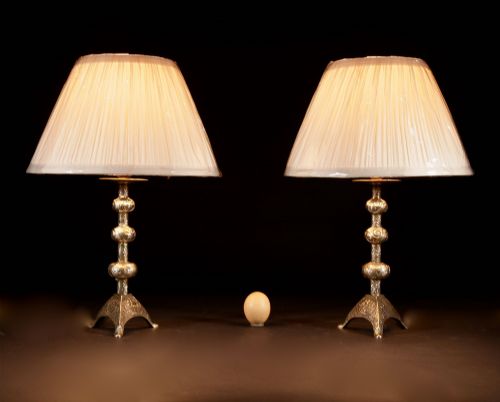
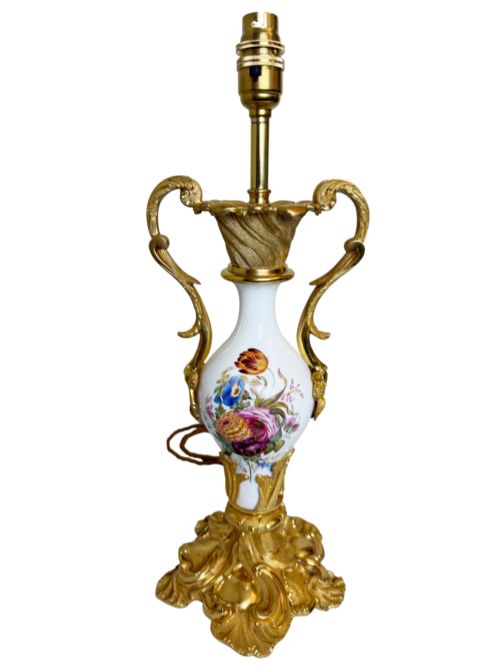
Vintage Brass Bedside Table
A vintage brass bedside table brings warmth and functional elegance to a bedroom, anchoring the space with metallic lustre and historic character.
Vintage Brass Bedside Table
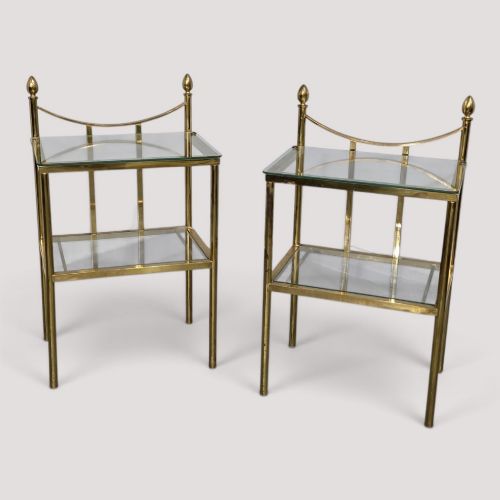
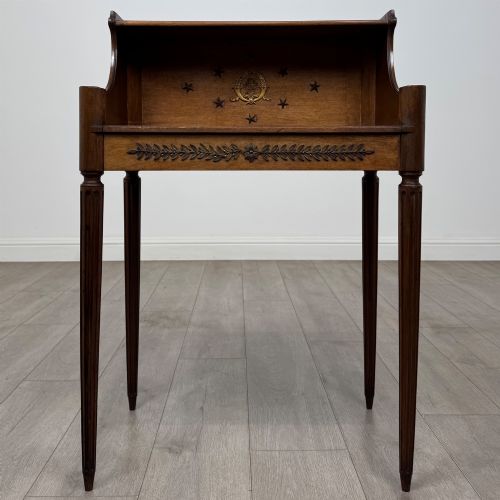
When you search for a vintage brass bedside table, you encounter a diverse range of foundational forms spanning the Victorian, Edwardian, and Art Deco periods, alongside French Rococo and neoclassical revivals. The material evidence shows that many listings grouped under bedside tables actually encompass low chests of drawers, side cabinets, etagere side tables, and small mahogany or oak bedside cabinets featuring brass trim.
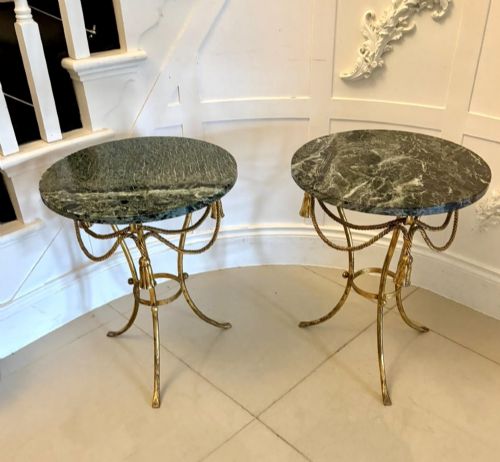
The objects originate from various European and international traditions, including French, Italian, and English workshops. Alongside timber-framed cabinets with metal mounts, buyers frequently find small side tables combining brass with marble, glass, or onyx surfaces suited for resting lamps and evening books.
How They Were Made
The construction of these pieces relies on solid hardwoods like mahogany and oak, combined with structural brass, gilt bronze, and cast metal fittings. Joinery techniques from the nineteenth and early twentieth centuries ensure sturdy frames for cabinets and small tables.
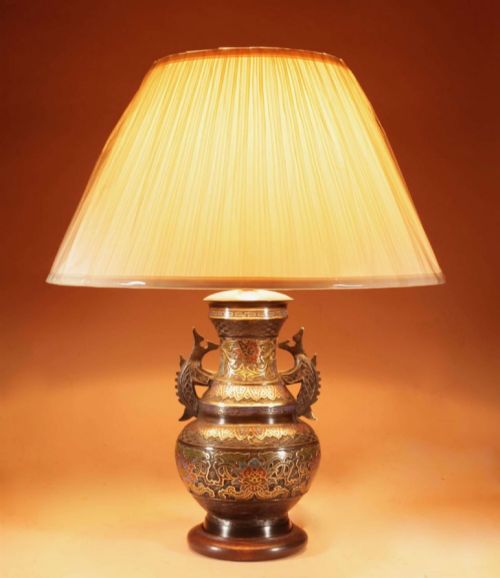
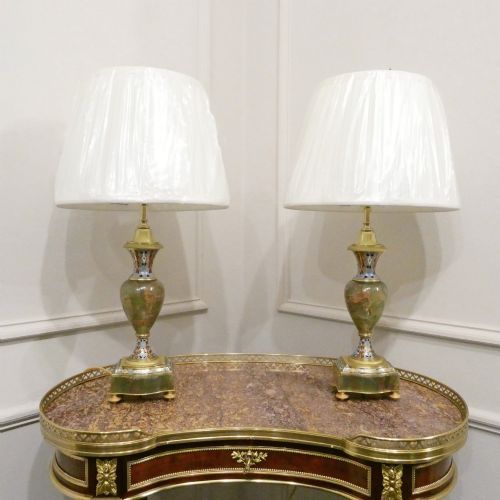
Decorative surfaces incorporate inlaid wood, polished marble, inset glass, and enamel work such as champlevé. Metal components are cast, chased, or gilded, whilst timber is polished to accentuate the natural grain of mahogany and oak.
The listings incorporate pieces spanning the Victorian era, the Edwardian period, and the 1930s, utilising brass, mahogany, oak, and marble.
What Varies in Quality
The standard of a piece is determined by the crispness of its metal casting, the weight of the brass or gilt bronze, and the precision of the cabinet work. Fine examples demonstrate clean joinery in mahogany or oak frames and securely fitted marble or glass panels.
Subtlety in decorative detailing, such as hand-chased ornamentation on metal mounts or delicate inlay on timber surfaces, separates standard production from superior craftsmanship. The integrity of the materials, from uncompromised stone to solid brass structures, dictates the lasting robustness of the furniture.
The Vintage Brass Bedside Table Glossary
- Champlevé
- An enamelling technique where troughs or cells are hollowed out of a metal surface and filled with vitreous enamel before firing. This method appears on decorative brass and bronze mounts.
- Etagere
- A small open shelving unit or side table featuring multiple tiers for display. These pieces often combine brass frames with glass or wooden surfaces.
- Verde Marble
- A distinct green decorative stone utilised for table tops and architectural accents. It frequently pairs with brass or gilt metal structures.
- Gilt Bronze
- Bronze that has been coated with a thin layer of gold or gold-coloured alloy. It provides a rich, enduring metallic finish to decorative trims.
- Bow Front
- A convex curved cabinet front popular in various period furniture styles. This contour softens the profile of bedside chests and side cabinets.
Vintage Brass Bedside Table: Frequently Asked Questions
How do I date a brass bedside table?
Dating relies on observing stylistic markers, construction methods, and material combinations consistent with periods like Victorian, Edwardian, or Art Deco. Examining the joinery on any wooden components provides reliable clues regarding age.
Cabinet hardware and casting techniques also help narrow down the decade of production. Comparing the piece to documented designs from similar workshops confirms its historical context.
Are these tables sturdy enough for daily use?
Most pieces are built from solid hardwoods and robust metals designed for everyday domestic duty. Their compact proportions naturally lend themselves to supporting night-time essentials.
Care should be taken with delicate stone tops or inset glass panels during regular cleaning. Maintaining the structural integrity involves placing them on level flooring to prevent stress on the joints.
How do I clean brass and marble?
Brass components benefit from gentle dusting and occasional cleaning with appropriate non-abrasive metal cleaners to preserve the finish. Avoid harsh chemical agents that can strip patination.
Marble surfaces require mild soap and warm water followed by immediate drying to prevent staining. Protecting the stone from acidic liquids ensures the polish remains intact over time.
Can I mix different periods in a bedroom?
Combining pieces from the nineteenth century with early twentieth-century Art Deco or Edwardian items creates a layered, collected interior. Shared metallic tones or timber hues help unify disparate styles.
Focusing on complementary proportions prevents any single item from overwhelming the room. The variety of designs allows for personal expression within a coherent decorative scheme.