


Vintage Bowl Stand
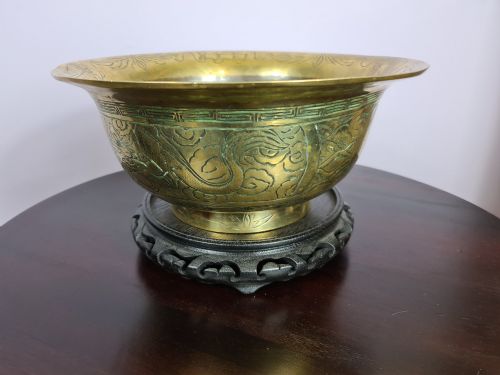
A vintage bowl stand holds vessels securely aloft, turning functional dining pieces or planters into commanding decorative accents for the room.
Vintage Bowl Stand
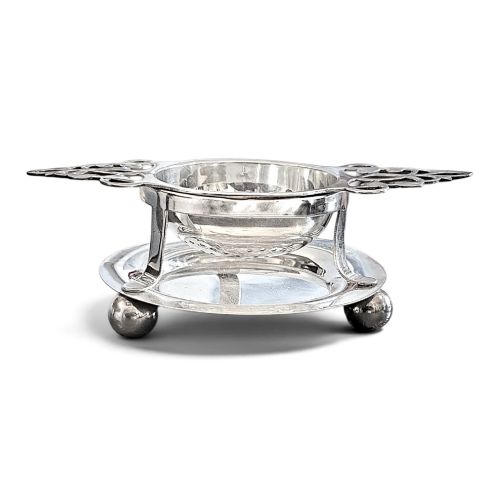
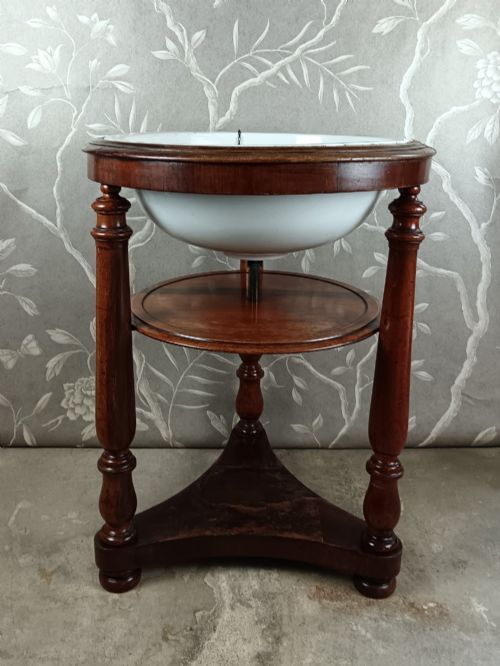
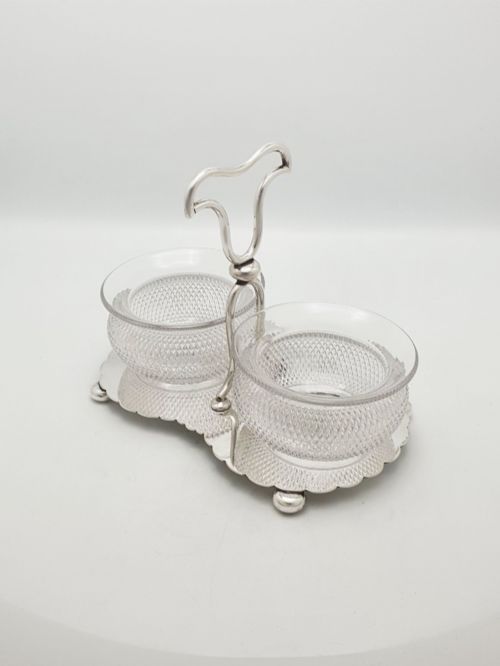
A vintage bowl stand encompasses a diverse array of supports, from mahogany washstands and campaign frames to silver-plated condiment holders, ceramic comports, and metal fruit stands. When searching this phrase, a buyer encounters everything from Edwardian tablewares and Art Deco display pieces to 19th-century turned wood treen frames.
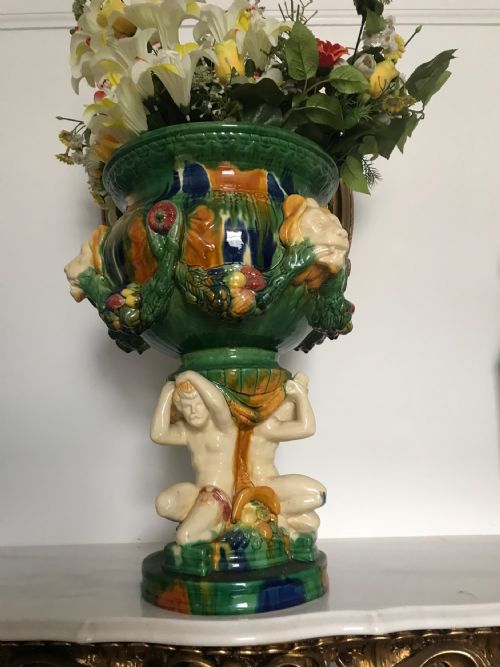
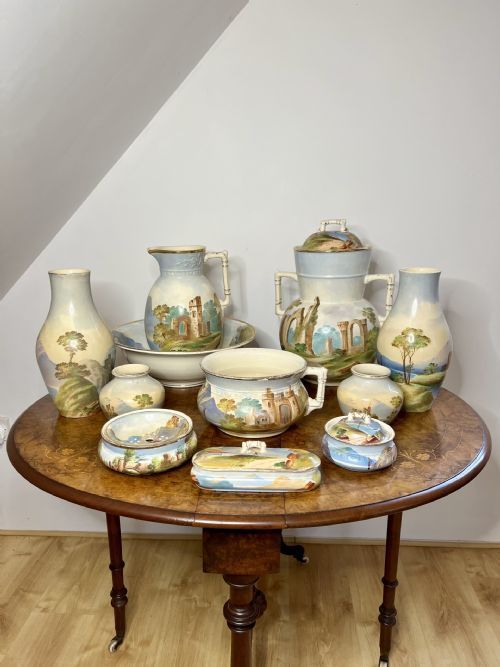
The objects take many forms on this page, including jardinieres, condiment frames, tazzas, and wash sets. Originating across periods from the Georgian era through to the 1930s, these pieces reflect both domestic utility and ornamental display.
Materials and Construction
The listings record a variety of traditional materials, predominantly silver plate, mahogany, fruitwood, brass, ceramic, and glass. Wood and metal are shaped through turning, casting, and silver-plating, creating sturdy frames designed to hold heavy porcelain, glass bowls, or metal vessels.
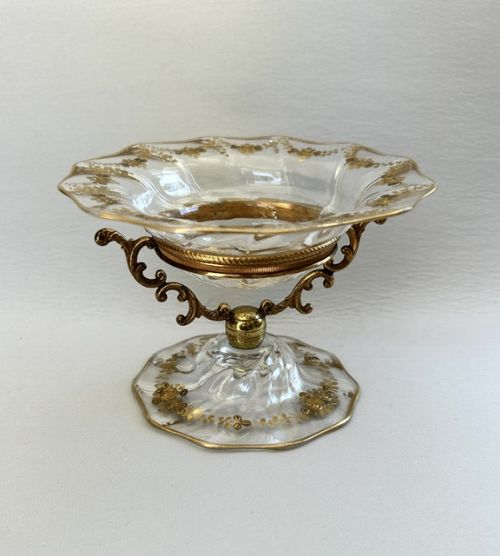
Ceramic and glass components involve moulding, hand-painting, and etching, often paired with metal stands fashioned in styles ranging from Art Nouveau pewter to ornate ormolu and gilded bronze.
Cats make a surprise appearance in the archive, materialising as antique cat stands carved in wood and fashioned in older eras.
Assessing Quality and Craftsmanship
Quality in a vintage bowl stand rests on the precision of its construction and the integrity of its materials, whether in the crispness of turned mahogany, the weight of silver plate, or the detailing on figural brass and ceramic bases. Superior examples maintain the original vessel paired with its stand, demonstrating harmonious proportion and balance.
Artistic execution also dictates distinction, visible in the depth of hand-chased metalwork, the fineness of glass etching, and the complexity of ceramic decoration such as applied roses or hand-painted motifs.
Schierholz Plaue·Mappin & Webb·Royal Worcester·WMF
The Vintage Bowl Stand Glossary
- Tazza
- A shallow bowl or saucer on a pedestal foot, used historically for serving fruit or confections. It sits elevated on a table to create visual contrast.
- Comport
- A decorative dish or bowl raised on a high foot, frequently utilised for fruit or dessert service in 19th-century dining. It functions as a centrepiece on the dining table.
- Jardiniere
- An ornamental pot or stand designed to hold plants or flowers indoors. These are often rendered in ceramic, majolica, or metal.
- Treen
- Small handmade wooden domestic objects produced prior to the modern era. This material appears in turned bowl stands and utilitarian kitchenware.
- Ormolu
- Gilded bronze or brass applied to decorative mounts and stands. The technique imparts a rich golden lustre to metal frames.
Vintage Bowl Stand: Frequently Asked Questions
What is a vintage bowl stand used for?
These pieces serve to elevate bowls, dishes, and planters above the tabletop or floor, drawing the eye to the vessel placed within them. Historically, they held items ranging from condiments and fruit to wash basins and decorative centrepieces.
Today, they function well as standalone decorative items or as functional holders for plants, potpourri, and tableware during dinner parties.
How do I identify the period of a bowl stand?
Dating relies on observing the prevailing style, such as the geometric lines of Art Deco pieces from the 1930s or the flowing motifs of Art Nouveau items from 1900. Material choices also offer clues, with Georgian and 19th-century pieces frequently featuring solid mahogany or fruitwood, while Edwardian examples often utilise silver plate.
Examining construction techniques, maker marks, and associated ceramic types helps narrow down the exact decade of manufacture.
Can I use these stands with modern bowls?
Many stands accommodate standard bowl sizes, provided the inner diameter and depth match the dimensions of the frame. It is important to check the weight capacity, particularly with heavy ceramic or glass bowls resting in antique metal or wooden stands.
Using protective pads can prevent friction between older metal frames and contemporary glassware or ceramics.
How should I clean silver-plated bowl stands?
Silver plate requires gentle care with a non-abrasive silver cloth or a mild proprietary polish formulated for plated items. Avoid harsh scrubbing that can wear through the thin silver layer down to the base metal underneath.
For glass or ceramic bowls paired with the stand, warm soapy water and a soft cloth keep the surfaces clear without damaging decorative glazes.