


Vintage Botanical Plate
These vintage botanical plate selections bring hand-painted flora into domestic spaces, offering both historic charm and decorative utility.
Vintage Botanical Plate
A vintage botanical plate presents detailed floral and plant illustrations upon ceramic surfaces. These objects span multiple historic periods, extending from eighteenth-century examples to twentieth-century productions.
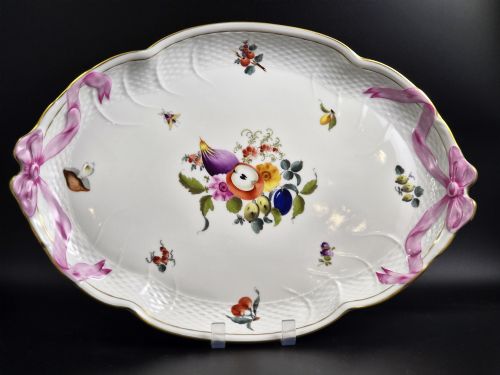
The selections encountered here incorporate porcelain and earthenware bodies adorned with hand-painted or hand-coloured floral subjects. Forms range from cabinet dishes to dessert services featuring individual plant specimens.
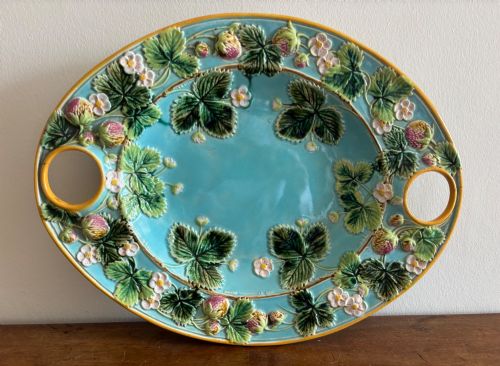
Origin points encompass English potteries alongside continental European factories such as Meissen, Sevres, and Herend. Certain items integrate botanical artwork with distinct nineteenth-century aesthetics including Victorian Naturalism and the Aesthetic Movement.
Materials and production methods
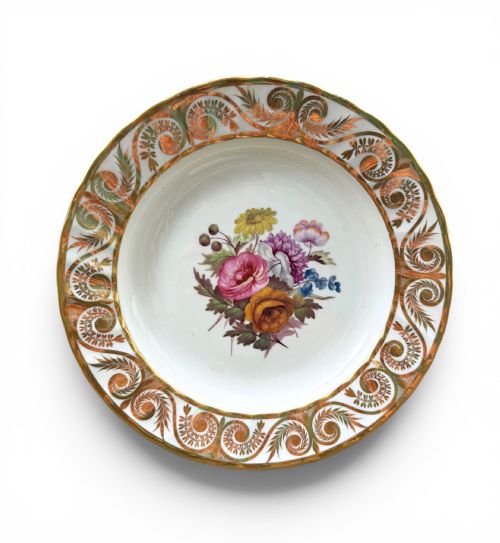
Makers utilised ceramic bodies formed of porcelain or earthenware as the primary canvas for plant ornamentation. Skilled artisans applied enamel pigments and gold leaf accents by hand to accentuate petals, leaves, and stems.
Certain pieces incorporate paper supports bearing hand-coloured engravings executed with ink and watercolour. Firing techniques fixed the enamel colours into the glaze, ensuring lasting vibrancy across centuries of display.
Represented styles range from Rococo and Regency to Victorian Naturalism and Modern British.
Distinguishing quality factors
Quality rests upon the precision of the botanical rendering and the delicacy of the brushwork. Master painters captured botanical accuracy with fine lines and subtle colour gradients, whereas lesser examples display hurried execution.
The condition of the glaze, the preservation of the enamel pigments, and the integrity of any gilt borders determine the preservation level of each object. Pieces retaining crisp botanical detail command greater appreciation from collectors.
George Jones·Moses Webster·James Tower·Royal Worcester·Elkin And Newbon·Wedgwood·David Dewsberry·George Dionysius Ehert
The Vintage Botanical Plate Glossary
- Polychrome
- Decoration employing multiple distinct colours across the ceramic surface. This technique brings realism to floral and botanical subjects.
- Gilt
- Application of gold leaf or gold paint to edges and borders. It frames the central botanical illustration.
- Enamel
- Opaque vitreous composition fused to ceramics during firing. It provides durable colour for hand-painted plant motifs.
- Drabware
- Earthenware body featuring a muted olive or greyish-brown tone. Wedgwood produced notable services in this understated ceramic body.
- Cabinet dish
- Decorative plate intended for display rather than routine dining use. These pieces highlight intricate artwork.
Vintage Botanical Plate: Frequently Asked Questions
What periods do these plates represent?
The pieces span from the eighteenth century through the nineteenth and twentieth centuries.
Production dates reflect varied stylistic movements including Regency, Victorian, and Aesthetic periods.
How were botanical plates used originally?
Historic households utilised these dishes for serving desserts, fruits, or sweetmeats during formal dining.
Many fine examples functioned as cabinet pieces meant for display within specialised wall brackets or china cabinets.
Are these plates painted by hand?
Numerous items feature hand-painted botanical studies executed by skilled ceramic artists.
Selected works incorporate hand-coloured engravings applied to paper or ceramic surfaces.
What materials appear on this page?
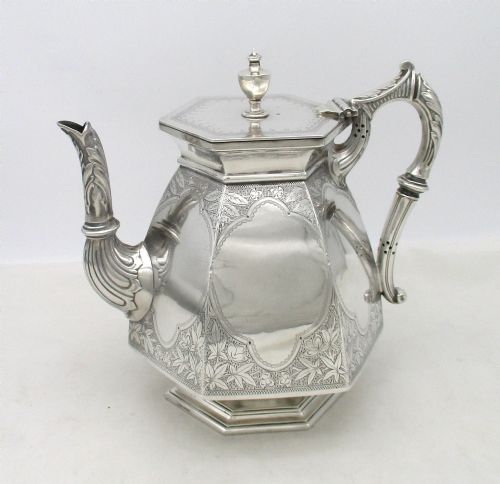
Listings comprise porcelain, earthenware, and silver plate alongside paper works bearing watercolour and ink.
Gold leaf frequently accents the rims of ceramic dishes.
How do I care for vintage botanical plates?
Gentle hand washing preserves delicate enamel pigments and historic gold leaf borders.
Avoiding abrasive cleaners protects the fragile ceramic glazes from damage.