
Vintage Botanical Artwork Framed
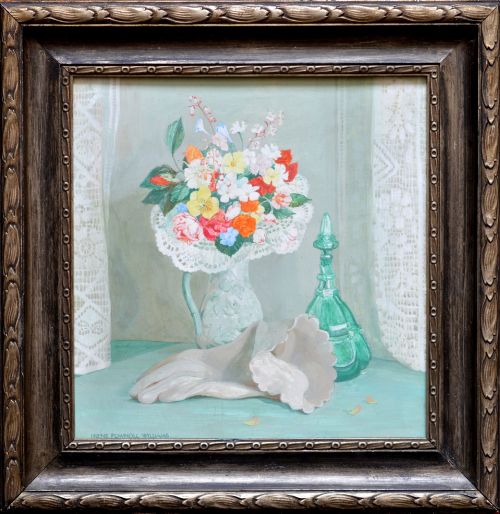
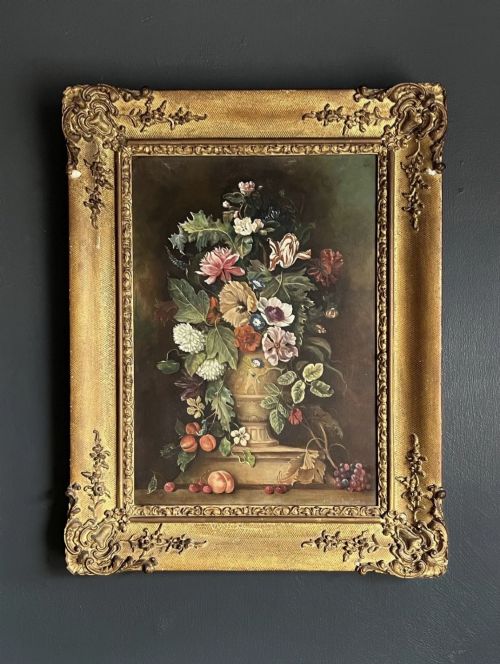
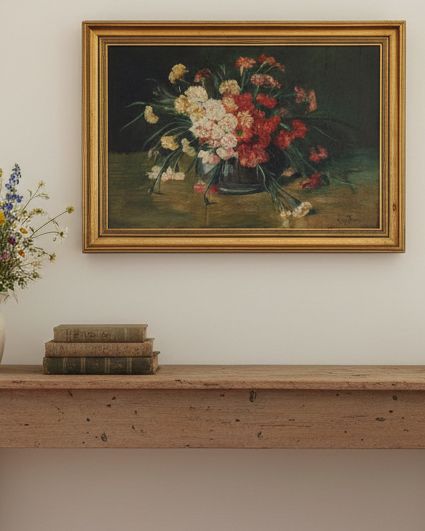
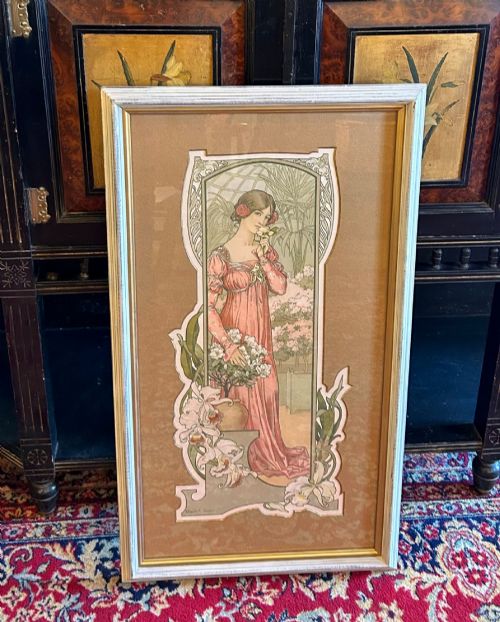
Vintage botanical artwork framed brings together centuries of floral studies and still life scenes housed in period wood and gilt surrounds.
Vintage Botanical Artwork Framed
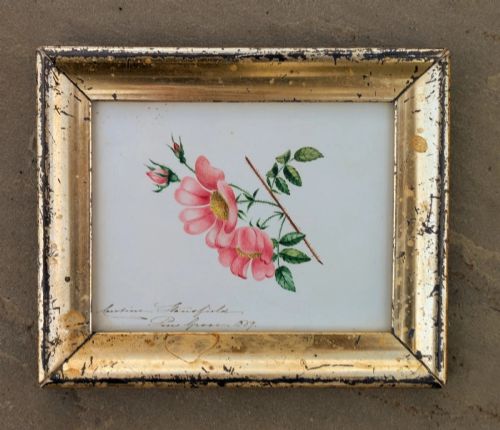
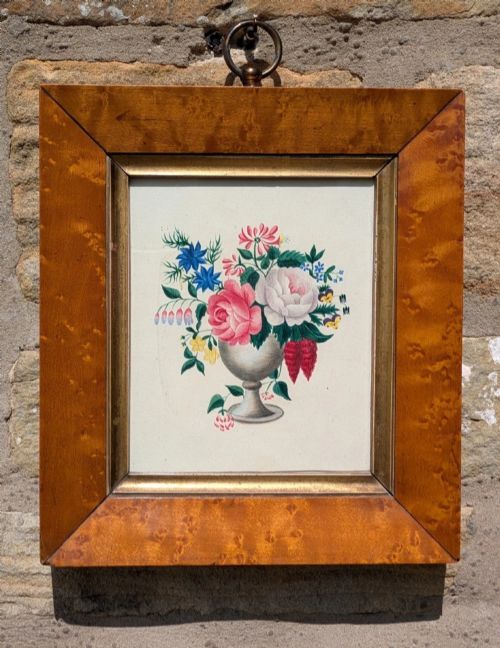
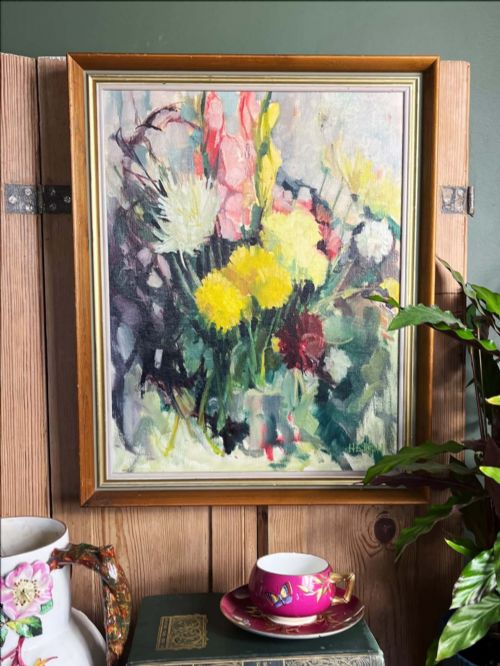
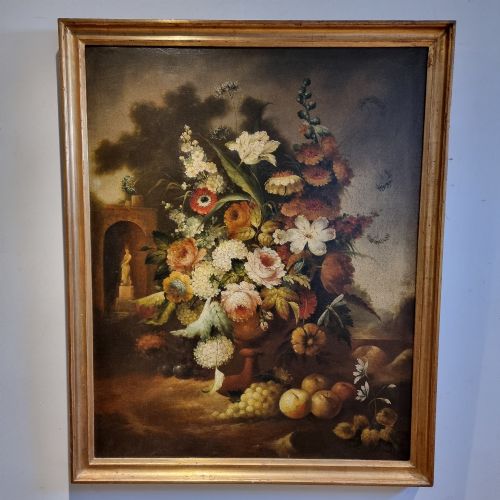
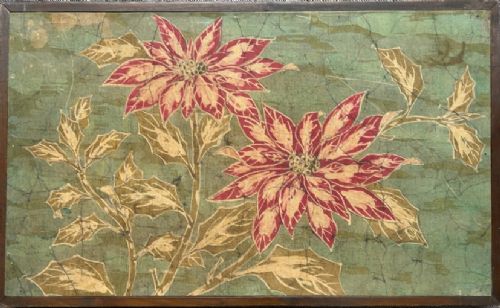
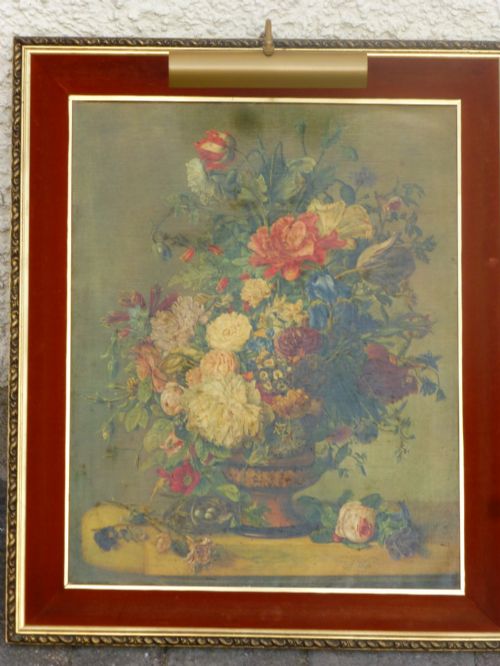
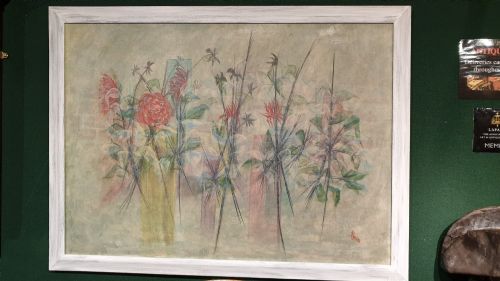
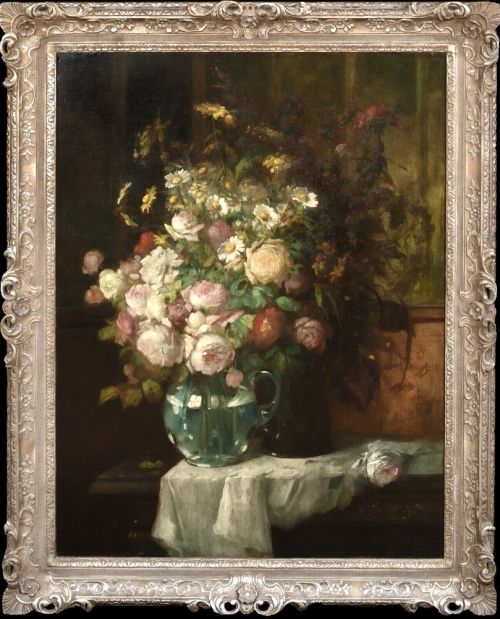
Vintage botanical artwork framed comprises a diverse range of paintings, watercolours, lithographs, and textile panels dedicated to flowers, fruit, and natural subjects. These pieces span from nineteenth century watercolours and Regency studies to mid-century oil paintings and impressionist works.
Buyers encountering this selection will most frequently find nineteenth-century watercolours in rosewood frames alongside mid-century oil paintings on canvas and board. The collection also includes detailed pencil drawings, lithographs, and batik textile panels presented behind glass or in gilt gesso surrounds.
Materials and construction
The works utilise traditional media including oil paint, watercolour, gouache, pencil, and lithography applied to paper, canvas, panel, and board. Textile art pieces such as batik panels introduce woven fabric grounds into the selection.
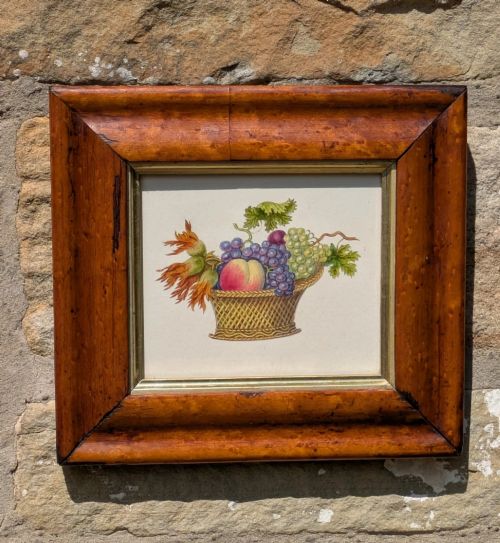
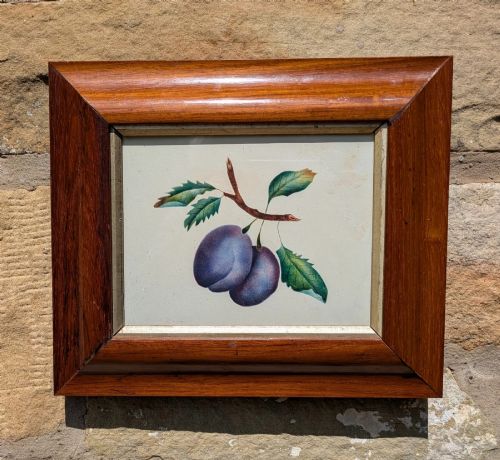
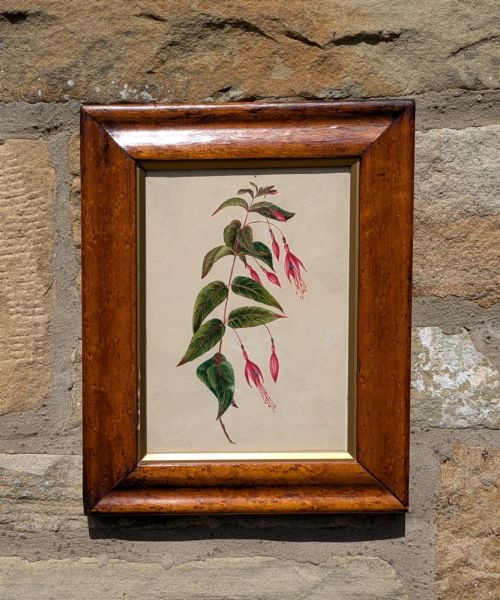
Frames play a structural and aesthetic role, constructed from wood, rosewood, and gilt wood with gesso detailing to enclose and protect the paper and canvas supports.
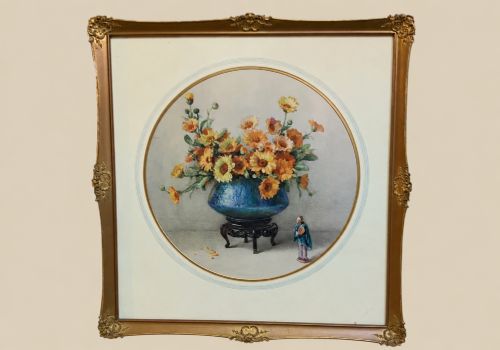
Several artists preferred painting flora alongside unexpected household objects, pairing delicate roses with Hopi pots and marigolds with Chinese artefacts.
Assessing quality and execution
Quality rests upon the precision of the draughtsmanship and the handling of the chosen medium, whether in the delicate layering of nineteenth-century watercolour washes or the confident impasto of mid-century oil paintings. Stronger examples demonstrate careful observation of botanical detail and harmonious colour composition.
The integrity and period appropriateness of the framing further influence the overall standard, with original rosewood and gilt gesso frames enhancing the visual weight and historical context of the artwork.
Irene Christobelle Pownoll Williams·Elisabeth Sonrel·Emma Fordyce MacRae·Konstantin Stoitzner·Harold Clayton·Edwin Steele·Manuela Bonati·William Thomas Wood·Owen Bowen·James Tower·Gertrude Hayes·Simon Pietersz Verelst·Winifred Turner
The Vintage Botanical Artwork Framed Glossary
- Lithograph
- A printmaking technique created by drawing on a limestone or metal plate with a greasy substance. This method allows for detailed reproduction of original botanical drawings and paintings.
- Gesso
- A plaster-like mixture applied to wood frames before gilding or painting. It provides a smooth surface for intricate moulded decorative details.
- Impasto
- Paint applied thickly to a canvas or board, leaving visible brush marks. This technique adds tactile depth and texture to floral still life compositions.
- Gouache
- An opaque watercolour paint containing a binding agent. It yields solid, matte colour areas often combined with pencil and transparent watercolour in botanical studies.
Vintage Botanical Artwork Framed: Frequently Asked Questions
How do I date an antique botanical watercolour?
Dating relies on paper characteristics, framing styles, and identifiable artist signatures or handwritten annotations on the reverse. Examining the pigments and mount types also helps place the work within nineteenth or twentieth-century periods.
Comparing the stylistic approach to known regional schools provides further chronological context.
Are these paintings original works?
The selection includes both hand-painted original oils and watercolours alongside period lithographs and oleograph prints. Each listing specifies the exact medium used by the artist or maker.
Reviewing the material details in the description clarifies whether a piece is a unique painted study or a printed reproduction.
What framing materials are typically used?
Frames are predominantly constructed from timber, including rosewood, plain wood, and gilt wood featuring decorative gesso mouldings. Many works retain their period surrounds which complement the floral subject matter.
Glass is frequently employed to protect delicate paper supports such as watercolours and pencil drawings.
How should I care for framed botanical art?
Keep works out of direct sunlight to prevent fading on paper, watercolour pigments, and textile panels. Maintaining stable indoor humidity protects both the wooden frames and the underlying canvas or paper supports.
Dust wooden and gilt frames gently with a dry cloth without applying liquid cleaning agents.